Publicly available evaluations regarding the net worth of digital creators and internet personalities like Niksindian often stem from estimated revenue models, brand partnerships, and platform monetization metrics rather than verified financial disclosures. Because independent creators are rarely legally mandated to publish comprehensive balance sheets, public figures concerning their income, assets, and holdings remain informed estimates derived from visible digital footprints, industry averages, and sponsorship benchmarks up to 2026.
Evaluating the financial standing of content creators requires an understanding of how digital media revenue works. Unlike corporate executives or publicly traded company officers whose compensation is tied to regulatory filings, independent creators rely on volatile streams such as ad revenue sharing, direct brand sponsorships, merchandise sales, and platform-specific creator funds. This comprehensive examination analyzes the methodology behind these estimates, the typical revenue streams for digital influencers, the role of asset diversification, and the limitations inherent in tracking creator wealth through public data sources.
Understanding the Valuation of Digital Creators
Determining the net worth of an online personality involves analyzing multiple variables that fluctuate over time. Public estimates found across online wealth tracking websites rarely reflect audited financial statements. Instead, these platforms utilize algorithmic estimations based on subscriber counts, average view metrics, estimated ad rates per thousand views (RPM), and known commercial partnerships.
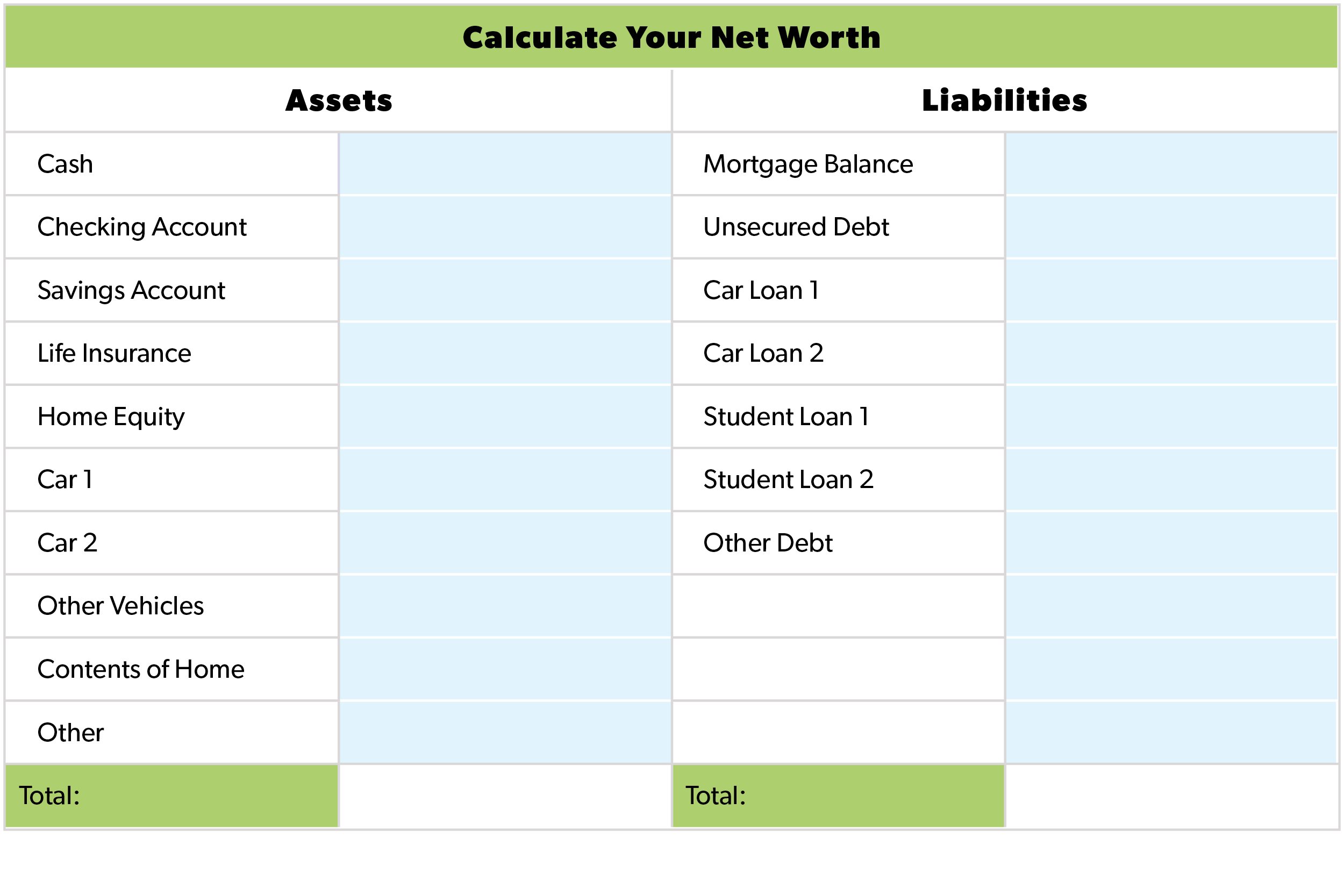
For creators operating within the regional and international digital landscape, monetization extends beyond basic ad revenue. Platforms such as YouTube, Instagram, and various streaming services offer variable payouts depending on audience geography, niche engagement rates, and advertiser demand. Consequently, any public figure regarding a creator's net worth must be viewed as an approximation. True net worth encompasses total assets—including real estate, liquid cash, investments, and intellectual property—minus any liabilities or operational expenses.
Primary Revenue Streams Contributing to Creator Income
To comprehend the financial scale of modern content creation, one must examine the distinct monetization channels available to prominent digital figures. Income is rarely derived from a single source; rather, a diversified portfolio helps insulate creators from algorithmic shifts and changing advertiser budgets.
- Platform Ad Revenue: Payouts generated directly from platform monetization programs based on viewer engagement and ad impressions.
- Brand Sponsorships and Endorsements: Direct commercial agreements where companies pay creators to integrate products or services into their content.
- Affiliate Marketing: Commissions earned when viewers purchase products through specialized tracking links provided by the creator.
- Digital and Physical Merchandise: Revenue generated from selling branded apparel, digital courses, or specialized consumer goods.
Among these, brand partnerships typically constitute the largest percentage of income for established creators with high engagement rates. Rates for sponsored content scale dynamically with audience size, demographic alignment, and platform authority, making high-visibility creators attractive to both endemic and non-endemic brands seeking targeted consumer access.
Asset Diversification and Long-Term Holdings
As digital creators scale their operations, prudent financial management often dictates a transition from active content production toward diversified asset holdings. Sustainable wealth creation in the creator economy generally involves moving beyond day-to-day platform revenues into stable, long-term investments.
- Phase 1: Active Platform Revenue (AdSense, Sponsorships, Affiliates)
- Phase 2: Business Infrastructure (Agency, Editing Teams, LLC Setup)
- Phase 3: Asset Diversification (Real Estate, Equity, Stock Portfolios)
Real estate acquisition is a common milestone for successful internet personalities, serving both as a lifestyle upgrade and a tangible asset class that hedges against digital volatility. Additionally, many creators invest surplus capital into traditional financial instruments, including equities, mutual funds, and private venture capital. Some creators also establish dedicated media companies or intellectual property holdings, turning their personal brand into a corporate entity capable of generating passive income independent of their personal appearance schedule.
Limitations and Discrepancies in Public Net Worth Data
The public perception of a creator's financial health is frequently distorted by the nature of internet culture, where visible displays of success often overshadow actual balance sheets. Several factors explain why public net worth figures can be significantly inaccurate:
- Lack of Mandatory Disclosure: Private individuals and sole proprietors are not required to disclose their tax returns or bank statements to the public.
- High Operating Expenses: Gross revenue does not equal net income. Successful creators often maintain substantial overhead costs, including production teams, equipment upgrades, legal fees, management commissions, and office spaces.
- Tax Obligations: Income generated through digital platforms is subject to complex national and international tax laws, significantly reducing the liquid capital available to the creator.
- Clickbait Estimation Sites: Many third-party websites publish speculative net worth figures optimized for search engine traffic rather than factual accuracy, frequently exaggerating or underestimating actual earnings.
Recognizing these limitations ensures that readers approach financial estimates with appropriate skepticism, understanding that public data points are generalizations rather than certified audits.
Comparative Overview of Creator Monetization Models
To contextualize how different income avenues impact a creator's overall financial profile, the following comparison outlines the primary monetization categories, their liquidity, and their general predictability.
| Monetization Category | Primary Mechanism | Liquidity Speed | Predictability & Stability |
|---|---|---|---|
| Platform Ad Revenue | Automated ad placements | Moderate (Monthly payouts) | Low to Moderate (Subject to algorithmic shifts) |
| Brand Sponsorships | Direct contract campaigns | Slow to Moderate (30–90 day terms) | Low (Dependent on ongoing market demand) |
| Merchandise & E-commerce | Direct-to-consumer sales | Moderate (Inventory dependent) | Moderate (Tied to product launches and trends) |
| Real Estate & Investments | Capital appreciation / Dividends | Slow (Requires asset liquidation) | High (Long-term stability and growth) |
Frequently Asked Questions
How accurate are online net worth estimates for content creators?
Online net worth estimates are generally speculative and lack formal verification. Because independent creators are not required to publish their financial records, third-party estimation sites rely on surface-level metrics like view counts and estimated sponsorship rates, which frequently result in significant margins of error.
What factors influence the income of a digital creator?
A creator's income is influenced by audience size, geographic demographics, niche market value, engagement rates, and the diversity of their monetization channels. Creators who successfully secure direct brand partnerships and diversify into product sales typically earn substantially more than those reliant solely on platform ad revenue.
Do internet personalities pay taxes on their digital earnings?
Yes, income generated through content creation, sponsorships, and merchandise sales is subject to applicable local and national tax laws. Professional creators typically operate through registered business entities or LLCs to manage their tax obligations and business expenses responsibly.
Why do some creators invest in real estate and traditional stocks?
Diversifying into tangible assets like real estate and traditional financial markets protects creators against the inherent volatility of the digital landscape. Algorithmic changes, platform policy updates, or shifting audience trends can rapidly impact online revenue, making long-term asset accumulation essential for financial security.
Strategic Next Steps for Evaluating Creator Wealth Data
When researching the financial status of public figures and digital creators, readers should rely on primary statements or verified corporate filings when available, rather than unverified summary blogs. Understanding the distinction between gross revenue, operating expenses, and actual net worth provides a clearer perspective on the economic realities of the modern creator economy. For those analyzing financial markets or influencer marketing trends, maintaining a critical approach to published data ensures more accurate assessments of digital wealth.