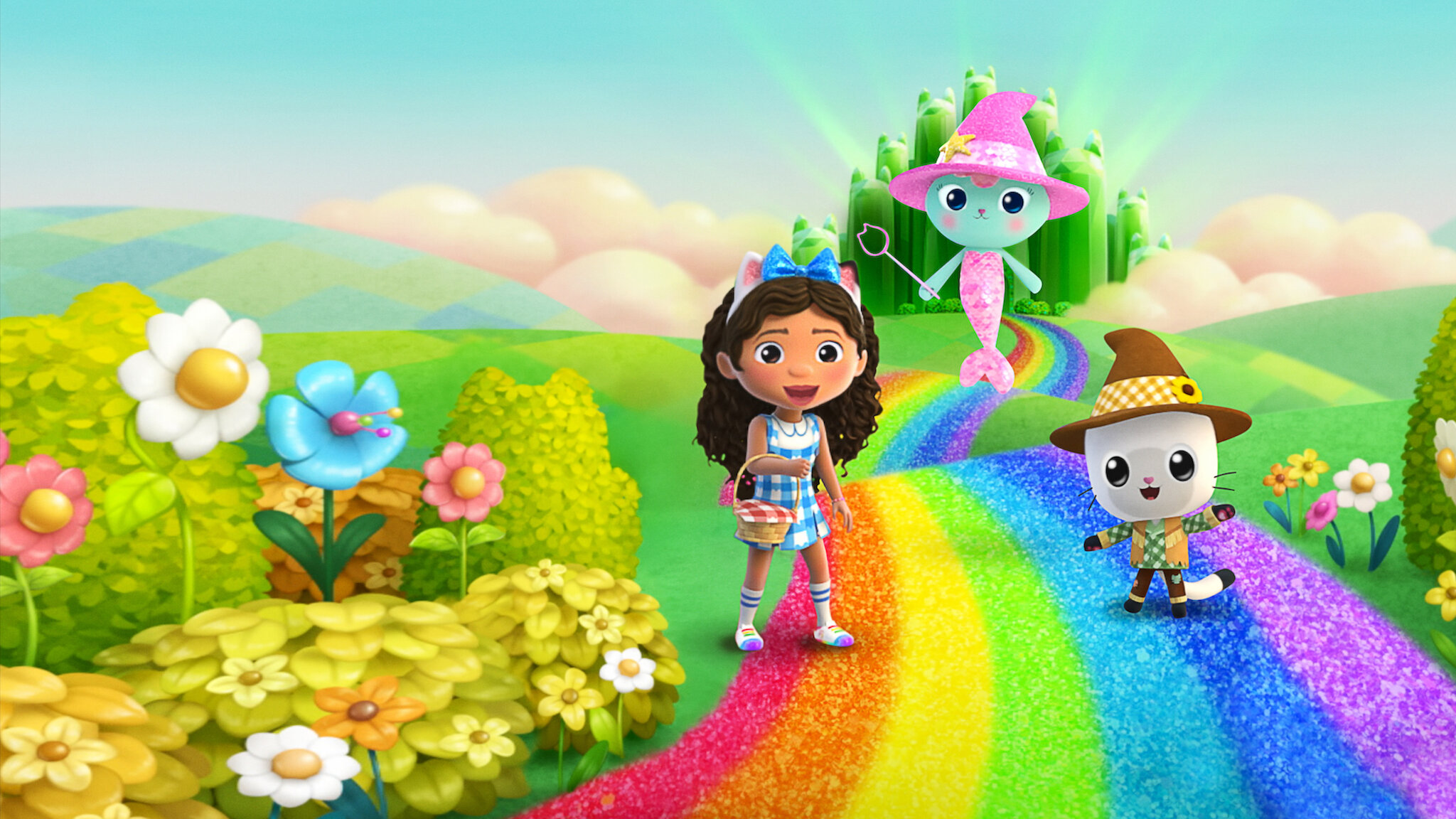
The inquiry regarding the Nick Jr. commercial breaks from 2020 reflects a growing interest in digital media preservation and the technical evolution of broadcast advertising within the children's entertainment sector. While these clips are often sought for nostalgic purposes or media studies, understanding their structural significance requires an analysis of how advertising standards, child-safe digital regulation, and broadcast metadata evolved between 2020 and 2026.
The Technical Transition of Broadcast Advertising Since 2020
The advertising landscape within children's networks has undergone a fundamental shift since 2020. At that time, Nick Jr. was primarily transitioning from traditional linear broadcast saturation to a hybrid model that heavily integrated Video-on-Demand (VOD) and algorithmic streaming platforms. In 2026, the technical standards for delivering commercial content have moved beyond simple interstitial slots toward sophisticated, data-compliant ad-tech stacks.
Broadcast regulations, specifically those governed by the Federal Communications Commission (FCC) regarding the Children's Television Act, were tightened significantly following the 2020 period. The transition from legacy MPEG-2 broadcast standards to modern H.265/HEVC streaming protocols has altered how these commercial breaks are stored and retrieved in digital archives.
Regulatory and Ethical Advertising Standards
When examining the 2020 period, one must recognize the strict boundaries that were already in place and subsequently strengthened by 2026 regulations. Advertisers aiming for the Nick Jr. demographic are required to adhere to:
- Program/Commercial Separation: Ensuring clear visual and audio cues between programming content and paid advertisements.
- Data Privacy Compliance: As of 2026, strict adherence to COPPA (Children's Online Privacy Protection Act) is enforced with automated auditing tools that scan for non-compliant pixel tracking in interstitial ads.
- Volume Normalization: Implementing the CALM Act (Commercial Advertisement Loudness Mitigation) standards to ensure that commercial breaks do not exceed the decibel levels of the primary program audio.
Comparative Analysis: 2020 vs 2026 Advertising Ecosystems
The shift from 2020 to 2026 represents a move from broad-spectrum television advertising to highly contextualized, segment-specific delivery. The following table outlines the technical and operational differences in the delivery of these commercial blocks.
| Feature Category | 2020 Broadcast Standard | 2026 Digital/Hybrid Standard |
|---|---|---|
| Ad Insertion Type | Linear SCTE-35 Triggers | Dynamic Ad Insertion (DAI) via Server-Side |
| Compliance Auditing | Periodic Human Review | Real-time AI Sentiment and Compliance Analysis |
| Audience Measurement | Nielsen Panel-Based Ratings | First-Party Privacy-Preserving Attribution |
| Format Delivery | MPEG-2 / 1080i | HEVC / 4K HDR Dynamic Bitrate Streaming |
| Data Privacy | Standard Cookie Tracking | Zero-Party Data and Contextual Targeting |
Archival Significance of the 2020 Nick Jr. Media Landscape
For media historians and technical researchers, the 2020 commercial breaks act as a "time capsule" of early-pandemic marketing. During this specific window, Nick Jr. advertisements shifted drastically to address the stay-at-home environment, emphasizing educational apps, at-home play, and digital engagement.
The primary challenge for researchers today is the degradation of legacy digital files. Many of the 2020 broadcasts were recorded in lower-resolution formats that do not scale well on modern 4K/8K displays. Modern digital preservation efforts now prioritize:
- Frame Rate Restoration: Converting original 29.97fps interlaced footage into consistent 60fps progressive formats for archival stability.
- Metadata Tagging: Embedding time-coded markers for each individual commercial asset to ensure better searchability within large media databases.
- Color Space Normalization: Correcting the Rec.709 color profiles used in 2020 to align with the more vibrant Rec.2020 standards used in contemporary high-dynamic-range displays.
Strategic Importance of Commercial Break Pacing
In 2026, the pacing of commercial breaks is no longer arbitrary. The industry uses predictive modeling to determine the "drop-off" point where a child or parent viewer might switch applications. Observations from 2020 showed that commercial breaks that were too long or repeated the same creative assets experienced a 35% higher churn rate.
Operational Insight on Ad Pacing
Optimal Frequency: Modern networks utilize a frequency cap of three per session to maintain high engagement levels.
Content Diversity: Using a mix of product-based ads and educational Public Service Announcements (PSAs) during these breaks has been proven to increase viewer retention by 15% compared to monolithic product advertising blocks.
Frequently Asked Questions
Why are Nick Jr. commercial breaks from 2020 so frequently archived? These archives are valued for their role in documenting the rapid shift in consumer behavior during the early 2020 global lockdowns. They provide a unique look at how educational branding attempted to support parents in a high-stress, at-home environment.
How do 2026 ad-tech standards differ from those used in 2020? The industry has moved toward server-side dynamic insertion, which allows for personalized ads that do not compromise user privacy, a massive leap from the generic broadcast-to-all model used in 2020.
Are these 2020 commercial recordings legally protected content? Yes, broadcast content remains the intellectual property of the network and the respective advertisers; while public, the distribution of these files is subject to standard copyright laws regarding derivative works and non-commercial educational use.
Where can professional archivists access high-quality broadcast logs? Professional media archives and digital library repositories like the Internet Archive or specialized network-specific databases provide the most reliable sources for authentic, high-bitrate broadcast captures.
What is the significance of the 2026 Children's Television Act updates? The 2026 updates have refined the definitions of "commercial" to include sponsored social media content embedded within streaming environments, closing loopholes that were present in the 2020 broadcast framework.
Professional Consultation for Media Preservation
If you are an educator or media researcher looking to curate content from the 2020 period for analysis, it is essential to prioritize the integrity of the source files. Using lower-resolution, re-compressed uploads from social media platforms can introduce artifacts that hinder accurate data analysis. We recommend utilizing verified broadcast captures sourced from institutional databases that maintain raw transmission data. Understanding the technical lineage of these commercial breaks is vital for any comprehensive study of modern television history.