NFL players leverage their athletic achievements, public recognition, and personal narratives to secure lucrative commercial endorsement contracts, establishing brand partnerships that often match or exceed their professional football salaries. Navigating this ecosystem requires an understanding of how league marketing rules, image rights, agent negotiations, and corporate brand strategies intersect to shape player earnings.
Endorsement income for National Football League athletes is governed by a combination of collective bargaining agreements, NFL-specific marketing guidelines, and individual representation agreements. While star quarterbacks and elite edge rushers dominate headline-grabbing national campaigns, a diverse landscape of local sponsorships, apparel partnerships, and digital media collaborations provides revenue streams for players across various positions and roster statuses.
The Economic Structure of NFL Endorsement Contracts
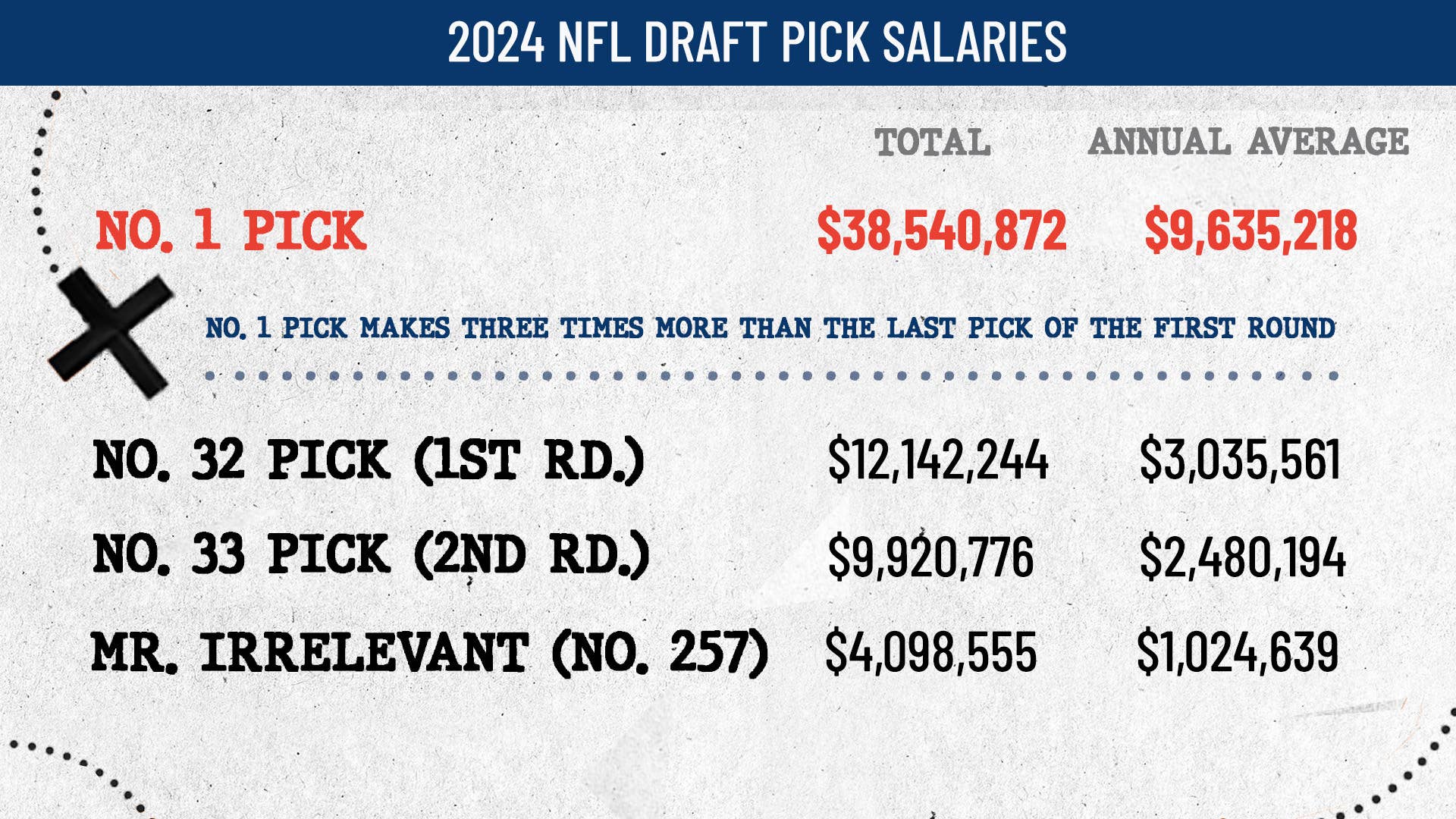
The financial architecture of an NFL commercial endorsement contract is distinct from standard corporate sponsorships due to the unique nature of professional football careers. Unlike athletes in sports with guaranteed contracts, such as Major League Baseball or the National Basketball Association, NFL player contracts frequently feature non-guaranteed base salaries, making off-field earnings an essential tool for long-term wealth preservation and financial security.
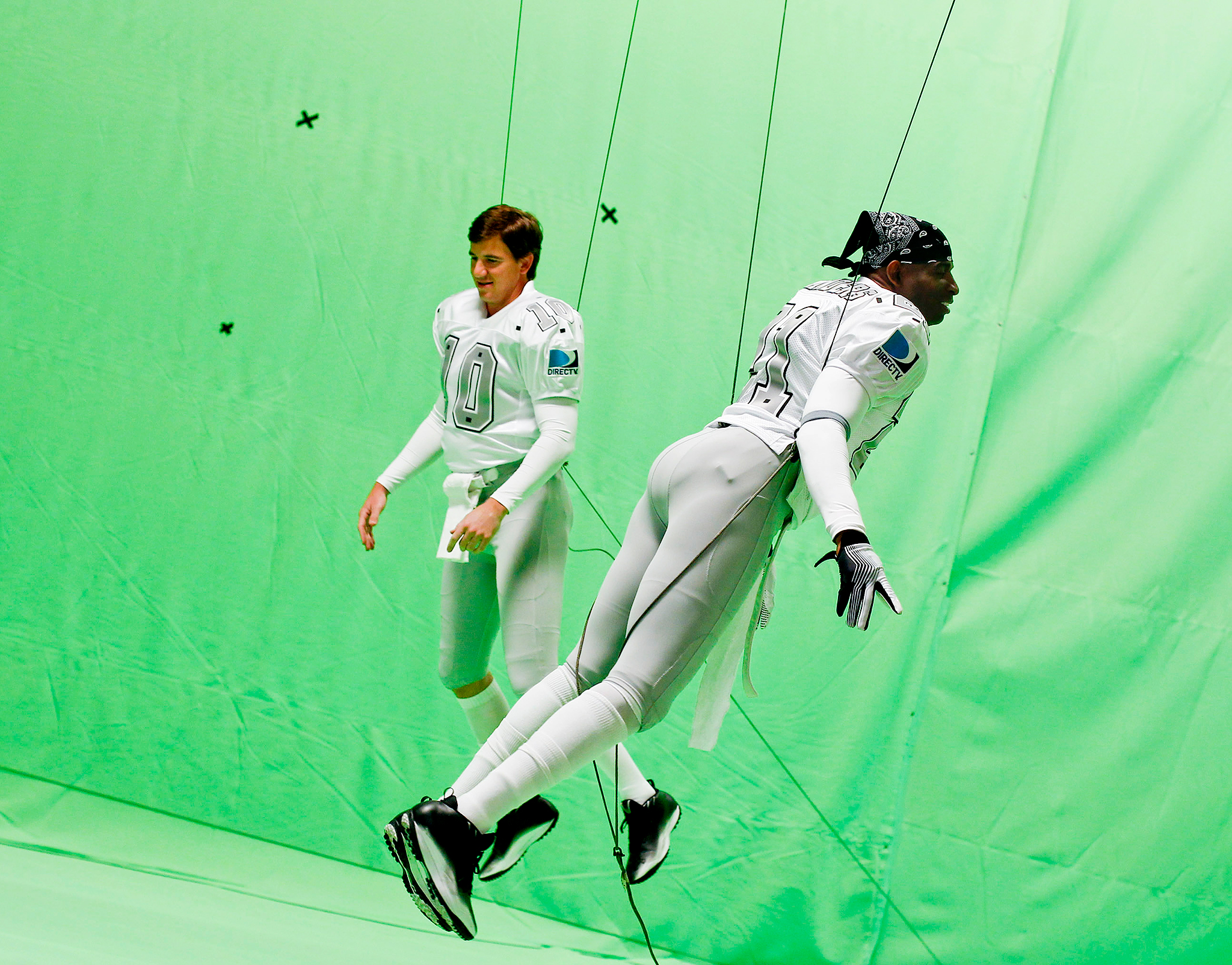
Endorsement deals typically manifest as formal legal agreements between a brand and a player's marketing agency or management company. These contracts outline specific obligations, including the number of commercial shoots, promotional appearances, social media deliverables, and autograph sessions required over a defined period. Compensation models vary widely based on the player's marketability, position value, team market size, and on-field performance incentives.
Base Retainers Versus Performance Bonuses
Most commercial contracts feature a guaranteed base retainer paid annually or semi-annually in exchange for the player's exclusive or non-exclusive endorsement rights within a specific product category. To mitigate risk, brands frequently incorporate performance-based bonuses tied to metrics such as Pro Bowl selections, playoff appearances, individual awards, or team success. Conversely, player representatives often negotiate morality clauses and termination triggers to protect athletes from corporate reputational damage or unfair contract dissolution.
Exclusivity Clauses and Category Restrictions
Brands invest heavily to ensure their target audience associates an NFL star exclusively with their product line. Consequently, exclusivity clauses prevent players from signing competing endorsement agreements within the same industry sector. A prominent running back endorsing a major sports beverage brand cannot simultaneously promote rival hydration products, energy drinks, or general beverage lines without specific carve-outs negotiated into the primary contract.
Governing Rules, Intellectual Property, and Group Licensing
Securing commercial deals requires strict adherence to regulations established by the National Football League and the National Football League Players Association (NFLPA). These governing bodies maintain distinct jurisdictions over how player likenesses, team logos, and league trademarks can be utilized in commercial media.
The NFLPA manages group licensing rights through its for-profit subsidiary, OneTeam Partners. Group licensing agreements allow third-party manufacturers, video game developers, and trading card companies to utilize the names, images, and likenesses (NIL) of six or more players collectively without negotiating individual contracts with every athlete. This framework streamlines production for major partners like EA Sports, Fanatics, and Topps, distributing royalties evenly or proportionally among participating union members.
Individual Versus Group Rights
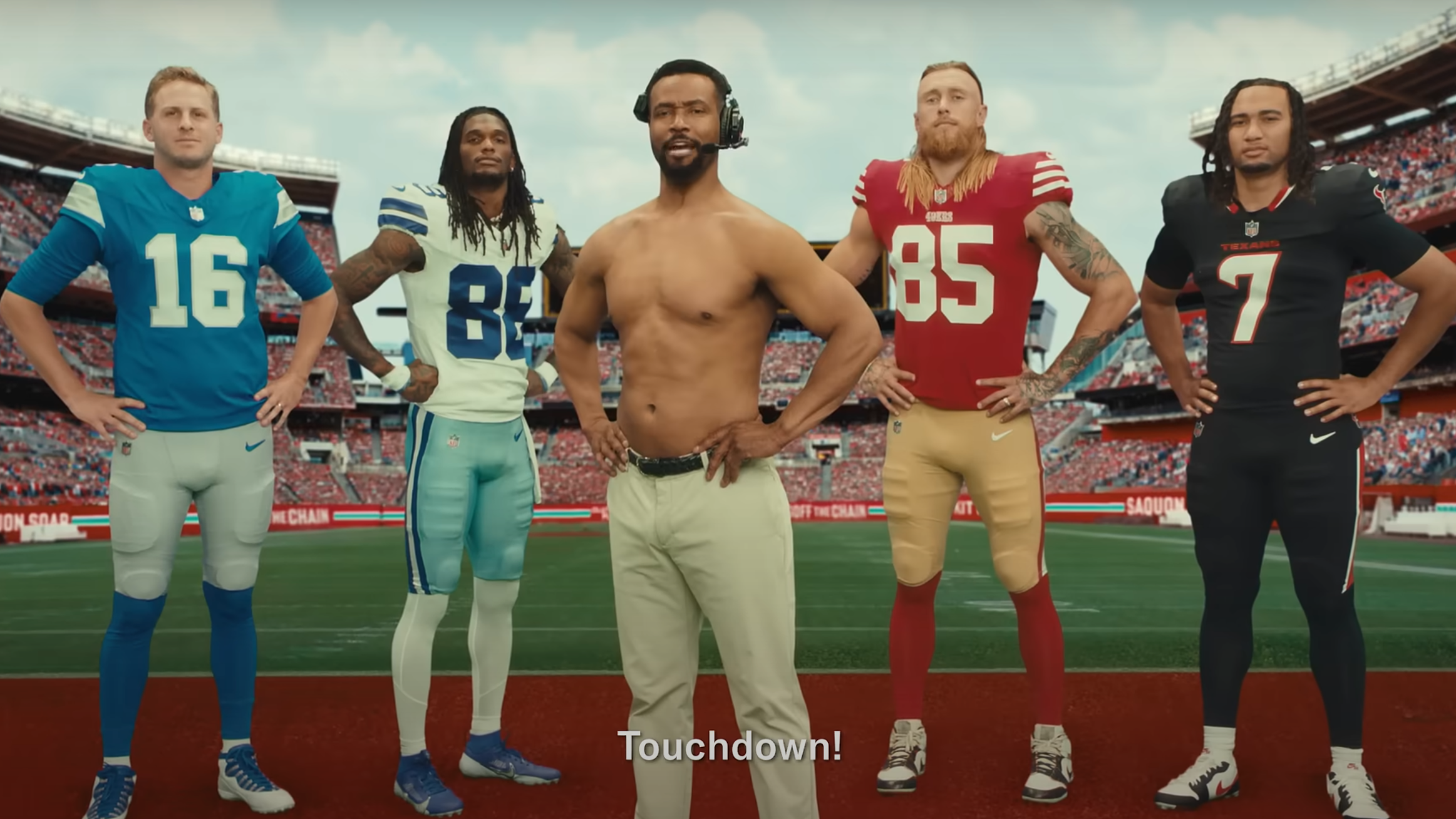
While group licensing handles collective merchandise and collective video game integrations, individual endorsement contracts remain the sole purview of the player and their certified marketing representatives. When a corporation wants to feature a specific quarterback in a television commercial or national billboard campaign, they must negotiate a separate individual agreement. These individual deals cannot feature official NFL team logos or uniform elements without distinct, highly restrictive licensing permissions granted through separate NFL corporate sponsorship channels.
| Licensing Category | Governing Body | Primary Scope | Typical Commercial Application |
|---|---|---|---|
| Group Licensing | NFLPA / OneTeam Partners | Collective use of 6+ players | Trading cards, video games, throwback jerseys, collective apparel |
| Individual Rights | Player and Agency | Exclusive personal likeness | National television commercials, social media brand ambassadorships |
| League Partnerships | National Football League | Official logos, uniforms, stadiums | Official league sponsors (e.g., automotive, financial services, beer) |
How Brands Select and Vet NFL Endorsements
Corporate marketing departments evaluate numerous quantitative and qualitative metrics before committing capital to an NFL player endorsement. Brand safety remains a paramount concern; corporate entities perform exhaustive background checks spanning college careers, social media history, personal conduct, and public sentiment analysis to safeguard their brand equity.
Market size and team placement heavily influence a player's commercial viability. Athletes playing for historic franchises in major media markets—such as New York, Dallas, Los Angeles, or Chicago—frequently receive higher baseline offers than equally talented peers in smaller markets. However, the rise of digital media, targeted social advertising, and streaming platforms has democratized marketability, allowing players with compelling personal brands or high social media engagement to secure national campaigns regardless of their geographic location.
Position Value and On-Field Visibility
Commercial appeal often correlates directly with positional visibility. Quarterbacks capture the vast majority of national television commercial slots because they command the most media attention, control the game's narrative, and appear in virtually every broadcast frame. Wide receivers, tight ends, and pass-rushing defensive players follow in marketability, while offensive linemen and defensive interior players face greater challenges securing national consumer campaigns due to lower media visibility, despite their critical importance to team success.
The Evolution of Social Media and Digital Partnerships
Traditional television commercials and print advertisements no longer comprise the entirety of an NFL player's commercial portfolio. Modern endorsement contracts heavily emphasize digital and social media deliverables, reflecting shifts in consumer consumption habits toward platforms like Instagram, TikTok, YouTube, and X (formerly Twitter).
Digital partnerships offer distinct advantages for both brands and athletes. For corporations, social media campaigns provide precise demographic targeting, trackable engagement metrics, and immediate consumer feedback loops. For NFL players, digital brand ambassadorships require minimal time investment compared to multi-day commercial film shoots, allowing them to maintain rigorous in-season training and recovery schedules while generating substantial supplemental revenue.
Content Creation and FTC Compliance
Endorsement contracts involving digital media require careful adherence to regulatory standards established by the Federal Trade Commission (FTC). Players must clearly and conspicuously disclose material connections to sponsoring brands using mandated tags like #ad or #sponsored in their social media posts. Failure to comply can result in regulatory penalties for the brand and contractual breach liabilities for the athlete, making compliance monitoring a standard service provided by player management teams.
Managing Representation, Agency Fees, and Professional Support
Navigating the complex landscape of commercial contracts, legal compliance, and brand negotiations requires a sophisticated support network. While on-field player contracts are negotiated by contract advisors certified by the NFLPA, off-field commercial endorsements are frequently managed by specialized marketing agents, public relations firms, and entertainment attorneys.
Marketing agencies typically operate on a commission-based fee structure, retaining between 15% and 20% of the gross revenue generated from commercial contracts and endorsement deals they secure for the athlete. These agencies provide comprehensive services, including:
- Identifying and pitching strategic brand partnerships
- Negotiating financial terms, exclusivity windows, and usage rights
- Managing public relations and crisis communication protocols
- Overseeing legal compliance and intellectual property protection
- Coordinating scheduling for production shoots, appearances, and promotional events
Maximizing Earnings Beyond the Playing Field
NFL players seeking to optimize their commercial potential must build a distinct personal brand that transcends athletic performance on the gridiron. Successful athletes cultivate authentic narratives, engage directly with fan bases, and align with corporate partners whose core values mirror their personal interests off the field. By treating commercial endorsements as a professional enterprise rather than incidental income, players can secure long-term financial stability that extends far beyond their active playing careers.