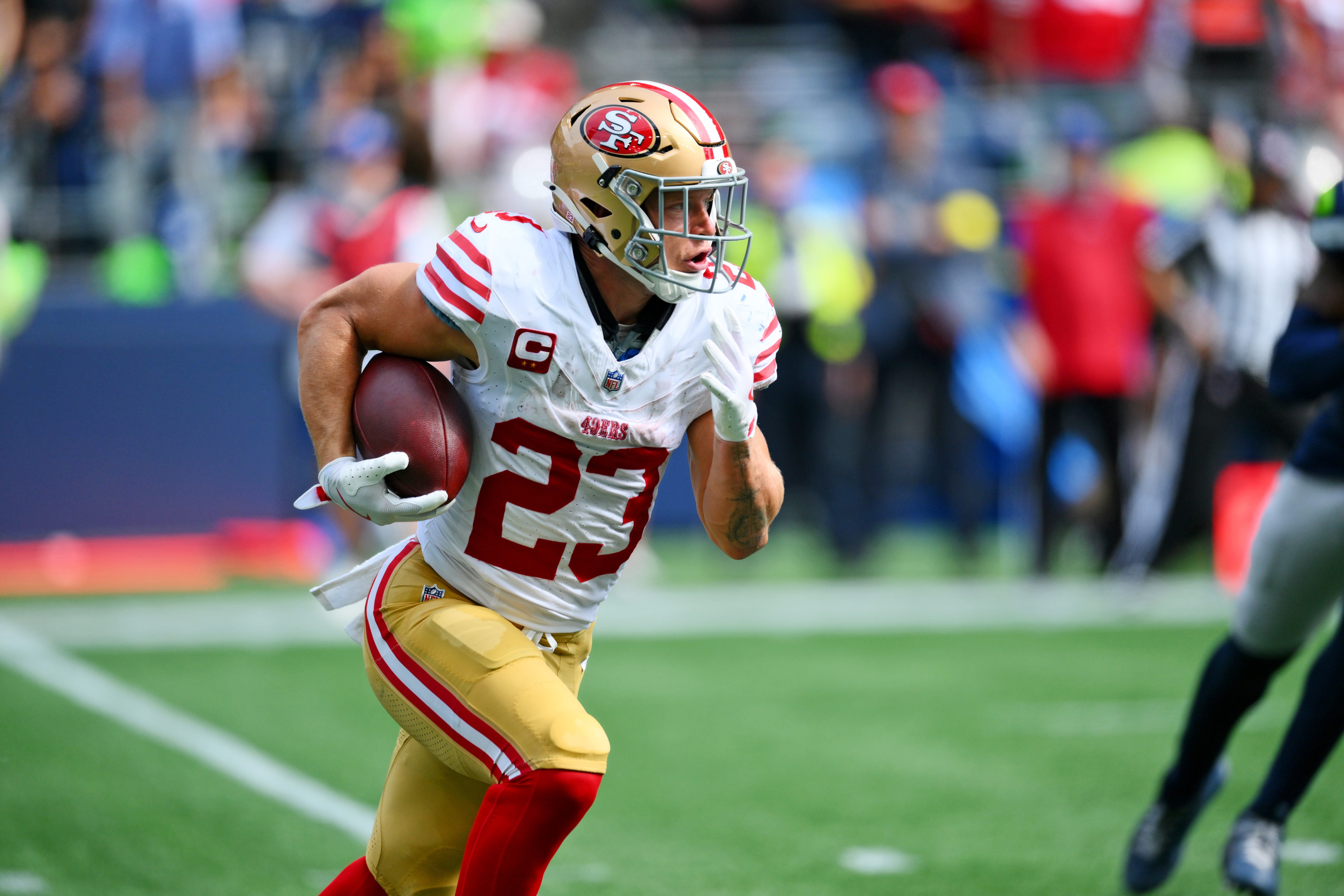
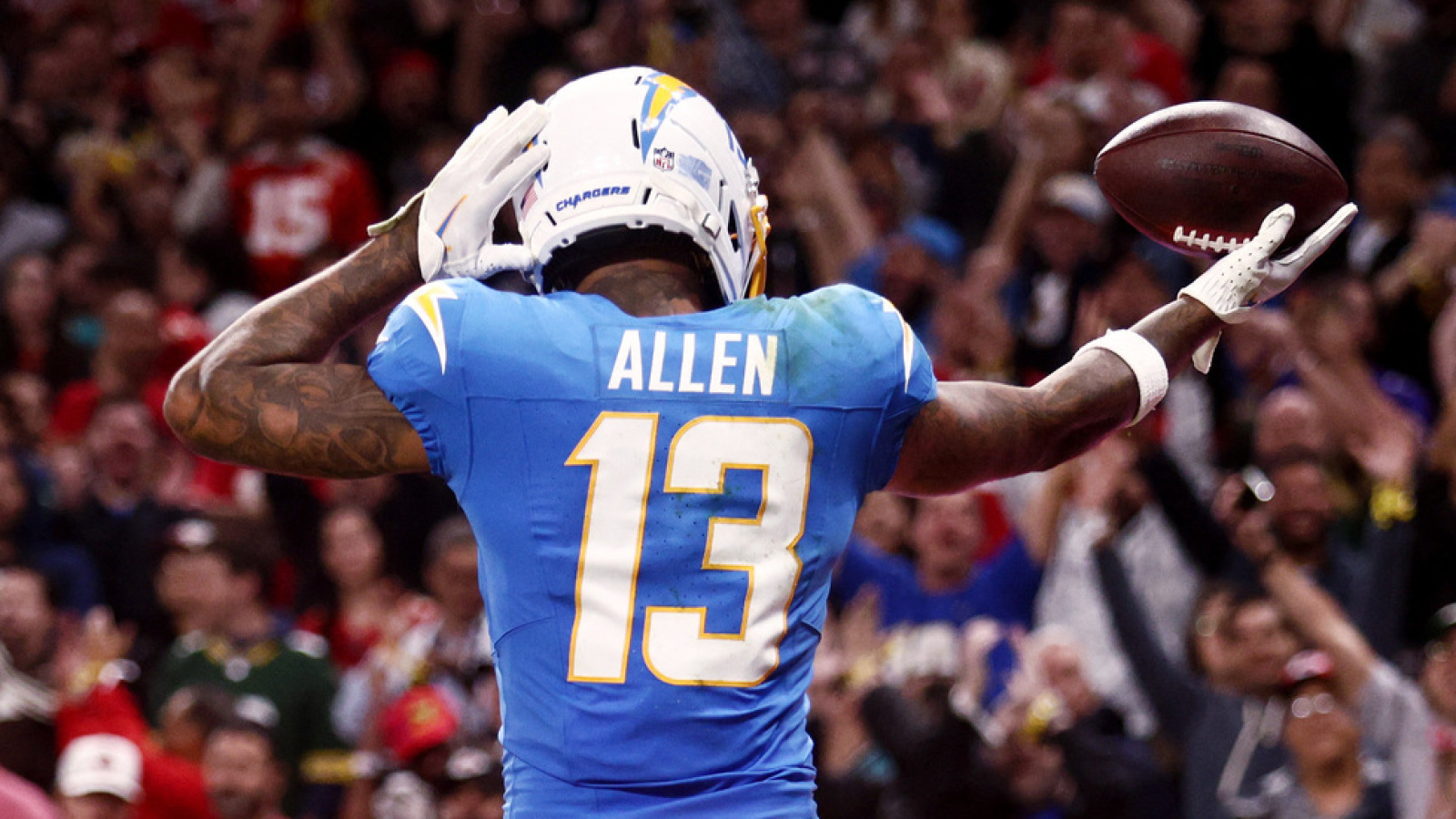
The NFL Comeback Player of the Year award recognizes a professional football player who has overcome adversity, severe injury, or severe career slump to demonstrate exceptional performance during the regular season. Decided by a national panel of media voters under the Associated Press, the honor highlights resilience, high-level athletic recovery, and the capacity to return to elite competitive form after facing significant career hurdles.
Understanding the AP NFL Comeback Player of the Year Award
The Associated Press NFL Comeback Player of the Year award stands as one of the most prestigious individual accolades presented annually by the league. While not officially an NFL-sanctioned trophy from its inception in the way the Associated Press handles MVP or Coach of the Year honors, it has evolved into the definitive standard for recognizing athletic resilience. The voting panel consists of 50 select sportswriters and broadcasters who cover the league on a national basis, casting their ballots prior to the start of the postseason playoffs.
Unlike awards that measure raw statistical dominance across a single season—such as the Offensive Player of the Year or the AP MVP—this honor measures performance relative to a player's immediate past. It balances a baseline of high-level production with the narrative of what that player had to endure to reach the field. Over the decades, the criteria, voter sentiment, and types of challenges overcome by winners have shifted, reflecting changes in sports medicine, media coverage, and the overall physical demands of professional football.
Evolution of Voting Criteria and Eligibility Standards
The criteria governing the NFL Comeback Player of the Year award remain intentionally broad to accommodate diverse types of adversity, though informal standards guide voter decisions each season. Officially, any active player who demonstrates a triumphant return from a significant setback is eligible. Historically, voters have split their attention primarily between two distinct categories of candidates: players recovering from catastrophic physical injuries and players experiencing a profound resurgence after poor performance, personal turmoil, or extended benchings.
Physical injuries traditionally capture the majority of voter support. Anterior cruciate ligament (ACL) tears, Achilles tendon ruptures, multiple concussions, and major orthopedic surgeries form the bedrock of typical winning narratives. Medical advancements in orthopedic surgery and rehabilitation mean players return faster and stronger than in previous eras, shifting the definition of a successful comeback. Conversely, players who bounced back from deep slumps, lost starting jobs, or off-field crises also earn consideration, though they often face higher skepticism from voters who weigh athletic regression differently than structural trauma.
| Era / Decade | Primary Winner Archetype | Common Injuries & Obstacles | Key Voting Trend |
|---|---|---|---|
| 1970s–1980s | Veterans & Career Resurgences | Knee cartilage, lost starting roles | High emphasis on older players reclaiming lost jobs. |
| 1990s–2000s | Severe Orthopedic Trauma | ACL tears, major fractures, cancer | Rise of medical recovery as the dominant narrative. |
| 2010s–Present | Advanced Medical Rebounds | Achilles tears, multi-ligament knee injuries, mental health | Greater appreciation for high-usage skill positions returning to elite tier. |
Analyzing Recent Winners and Their Resilient Paths
Examining the recent recipients of the Comeback Player of the Year award reveals clear patterns regarding position value and the severity of the obstacles overcome. Quarterbacks, wide receivers, and edge rushers dominate recent ballots due to the high visibility of their positions and the immense statistical impact required to sway national media voters. When a marquee quarterback returns from a torn Achilles or a devastating multi-fracture injury to lead his franchise to the postseason, the narrative momentum is often difficult for voters to ignore.
Recent history demonstrates that successful candidates must clear a high statistical bar in addition to the emotional hurdle of their recovery. Voters rarely award the trophy to a player who merely returns to the field as a functional backup or a replacement-level starter; the recipient must actively return to Pro Bowl or All-Pro form. This standard ensures that the award honors true excellence under adversity rather than mere participation following a medical clearance.
Historical Trends: Position Bias and Injury Types
A longitudinal study of the award's history uncovers distinct structural biases and trends. Quarterbacks capture the trophy at a disproportionately high rate compared to offensive linemen, linebackers, or defensive backs. This phenomenon stems from the quarterback position's direct control over team success and the extensive media coverage dedicated to signal-callers. When a franchise quarterback misses an entire season, his team's fortunes usually plummet, making his triumphant return the central storyline of the subsequent year.
Furthermore, medical technology plays an increasingly decisive role in historical trends. In the early decades of the award, major knee injuries frequently ended careers or permanently diminished a player's explosive speed. Modern surgical interventions and structured physical therapy protocols have transformed severe joint trauma into manageable milestones. Consequently, winners today frequently return to peak athletic output within nine to twelve months, changing how voters evaluate the difficulty of the physical comeback.
Common Misconceptions About Comeback Player Selection
Several persistent myths surround the voting process and eligibility requirements for the NFL Comeback Player of the Year award. Understanding these misconceptions helps clarify why certain players win while others with compelling personal stories are left off ballots.
- Myth: It is a lifetime achievement award. Voters focus primarily on performance in a single regular season relative to the immediate past year of distress, rather than honoring an entire career of perseverance.
- Myth: Sitting out a full season is mandatory. While many winners miss an entire year due to injury, players who suffer a severe injury mid-season, miss time, and return to dominate down the stretch or the following year remain fully eligible.
- Myth: Off-field adversity carries equal weight to physical injury. Historical voting data shows that players returning from major medical procedures or physical trauma receive significantly more favorable consideration than those returning from suspension, contract disputes, or performance-based benchings.
Frequently Asked Questions
Who votes for the NFL Comeback Player of the Year award?
A panel of 50 select national media members, including sportswriters, broadcasters, and football analysts appointed by the Associated Press, casts votes for the award prior to the start of the playoff bracket.
Can a defensive player win the Comeback Player of the Year award?
Yes, defensive players are fully eligible and have won the award historically, though offensive players—particularly quarterbacks and skill-position players—receive the majority of votes due to higher media visibility and statistical tracking.
Is missing an entire season a requirement to win?
No formal rule requires a player to miss a full calendar year. Players who sustain severe injuries early in one season, miss extended time, and return to elite form during the regular season routinely receive consideration.
How do modern medical advancements affect voting trends?
Modern surgical techniques and advanced rehabilitation protocols allow players to return from severe injuries faster and with fewer long-term deficits, shifting voter focus toward players who not only return to the field but immediately reclaim elite statistical production.
What is the difference between Comeback Player of the Year and Offensive Player of the Year?
While Offensive Player of the Year rewards the single most dominant offensive statistical performance in the league regardless of past history, Comeback Player of the Year specifically measures elite performance relative to the severe adversity, injury, or career slump the player overcame.