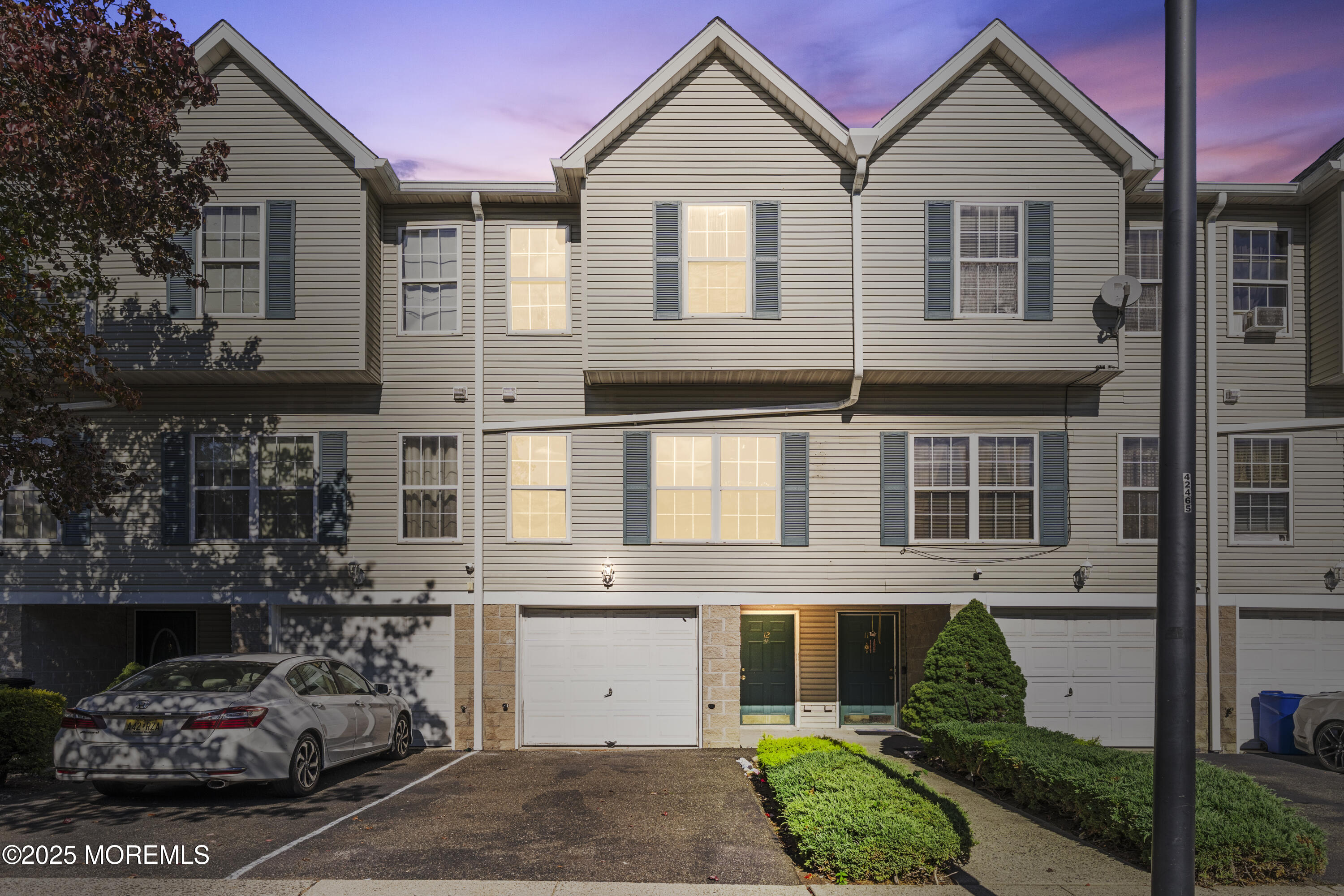
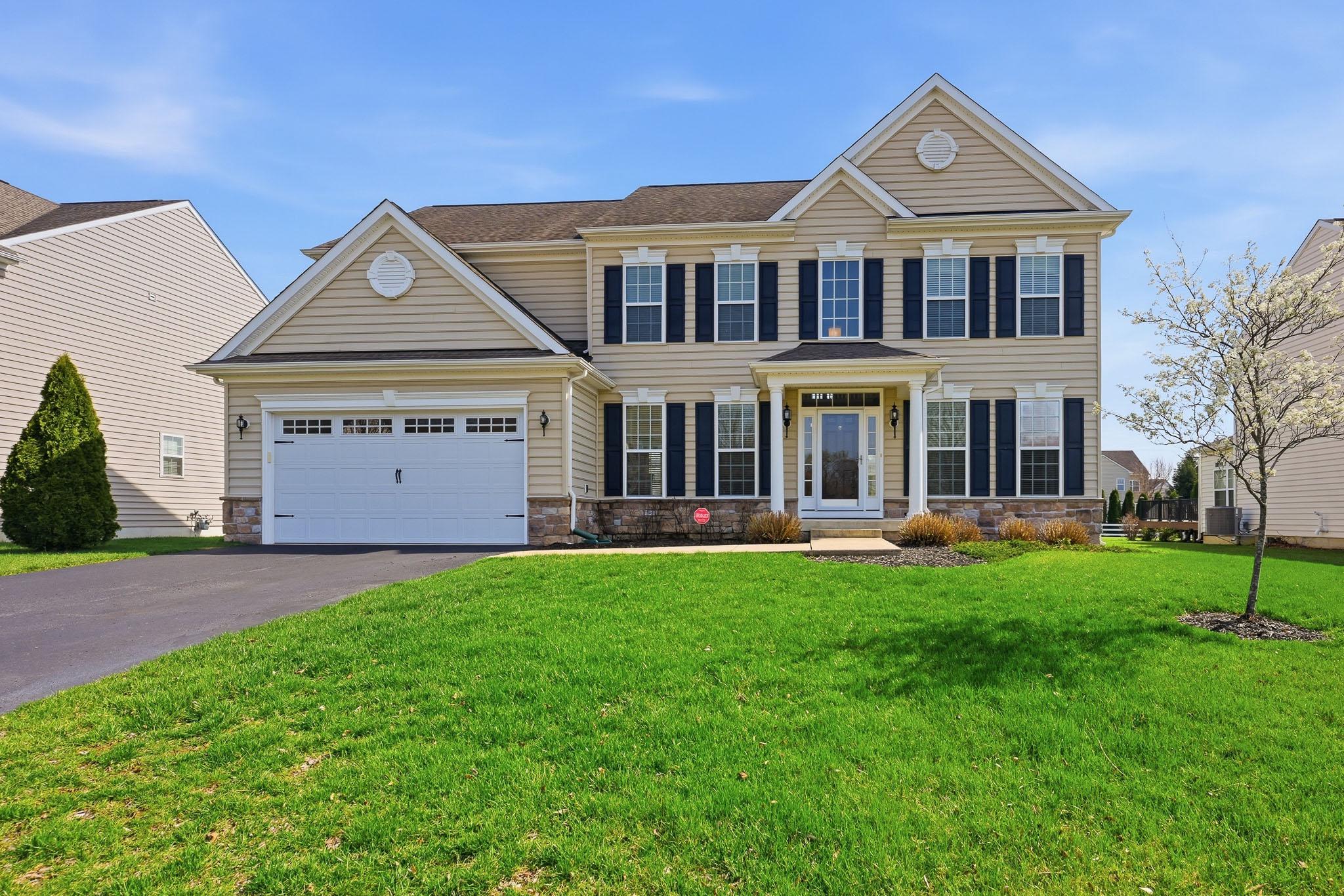
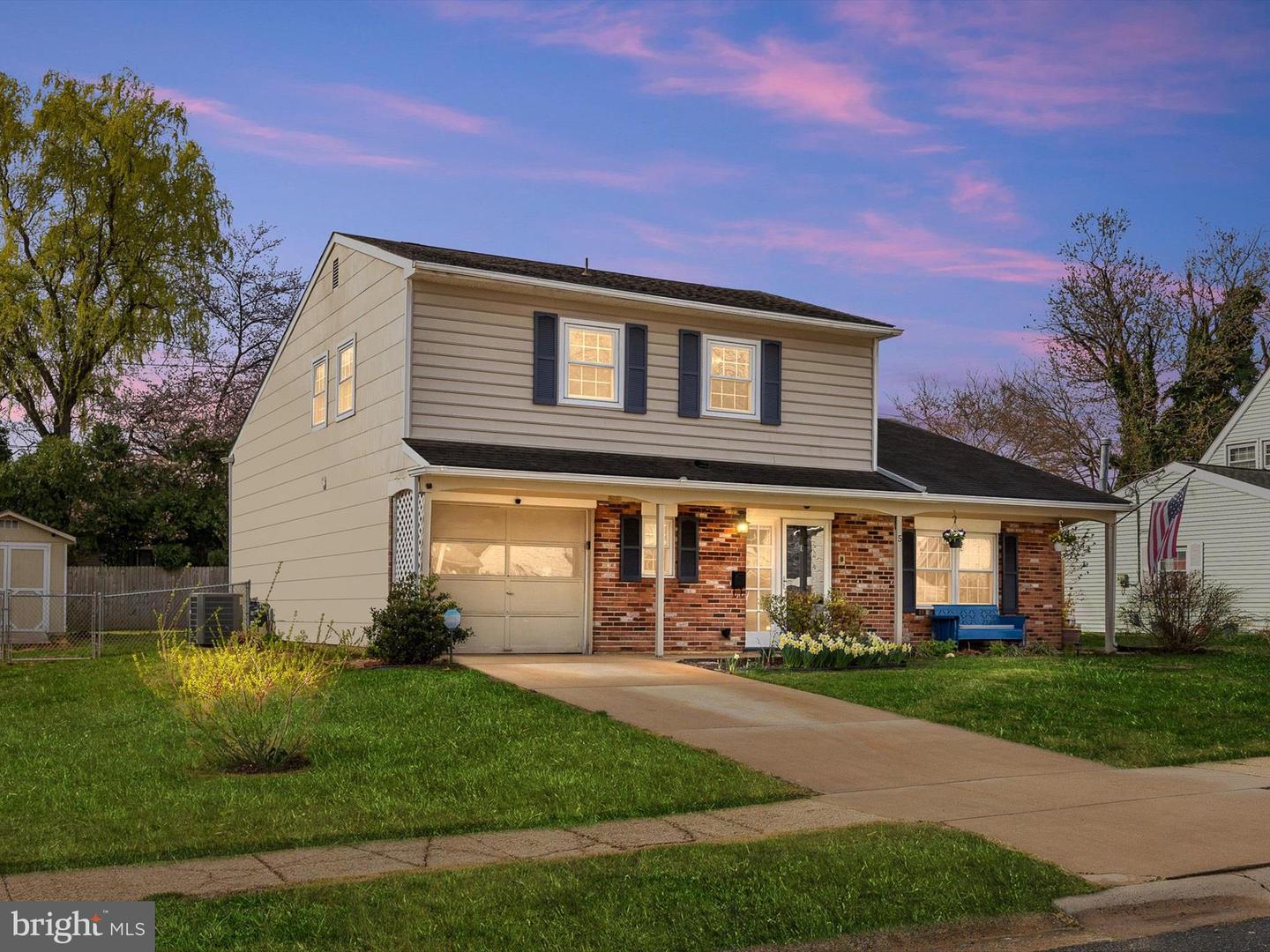
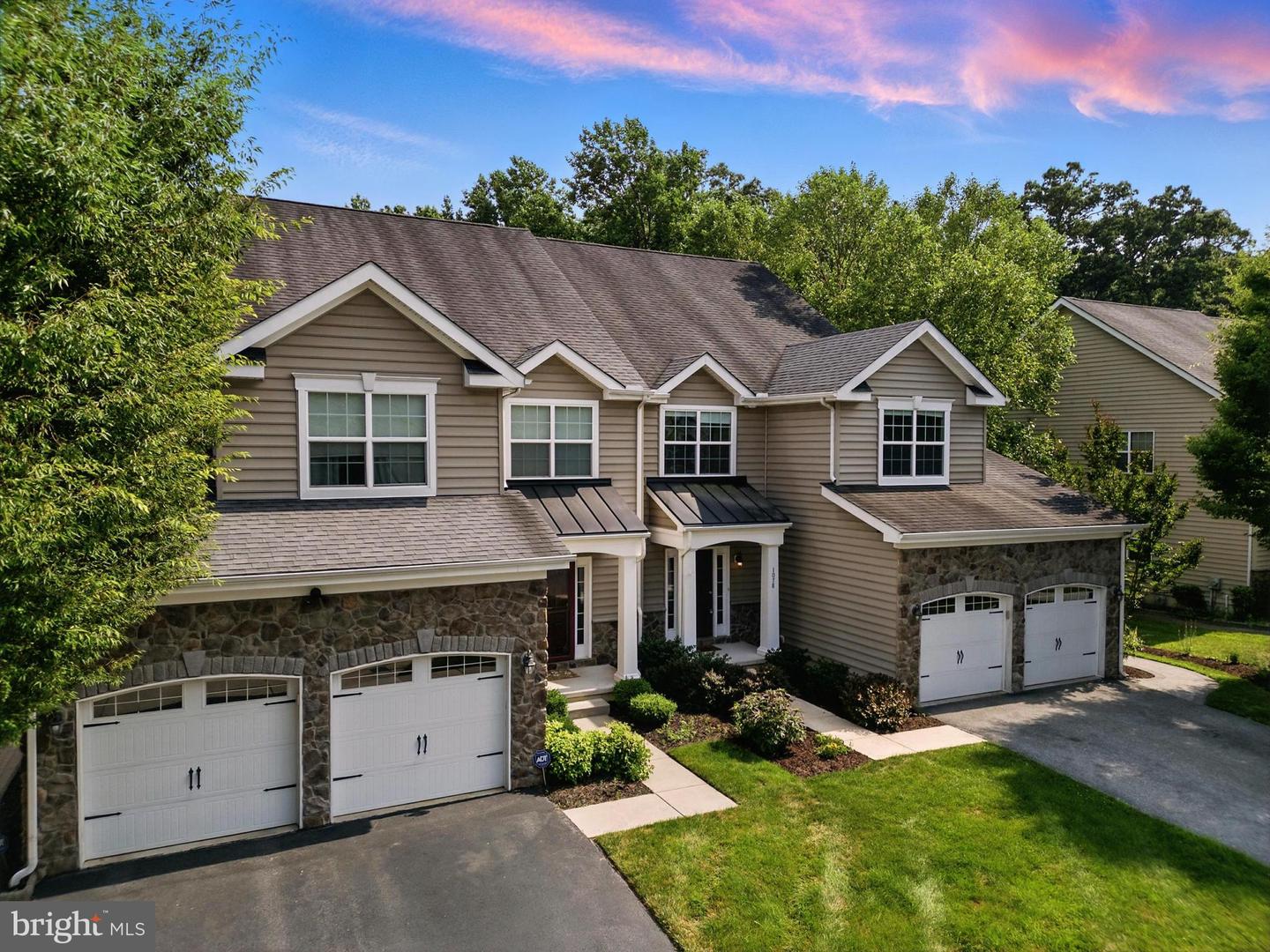
This analysis focuses exclusively on the real estate market of Newark, New Jersey, the largest urban hub in the state and a primary focus for residential redevelopment in the tri-state area. While other municipalities share the name Newark (notably in Delaware and the United Kingdom), the "new homes" search intent is overwhelmingly dominated by the massive 2026 housing expansion occurring in New Jersey's Essex County.
The landscape of Newark real estate has undergone a seismic shift as of 2026. Driven by the "Newark 360" Master Plan and the successful integration of the Newark Fiber initiative, the city has transitioned from a transit-dependent satellite of New York City into a standalone tech and cultural powerhouse. New home construction in 2026 is characterized by "Smart-Density" designs, prioritizing sustainable materials, integrated home offices for the hybrid workforce, and proximity to the newly modernized Newark Penn Station. For buyers and investors, the 2026 market offers a rare combination of tax-advantaged opportunities and high-yield potential within the Northeast Corridor.
The 2026 Newark Residential Landscape: Strategic Neighborhood Analysis
Newark is not a monolith; its residential market is divided into five distinct wards, each offering different value propositions for new construction. In 2026, three wards stand out for their volume of new home inventory and appreciation potential.
The Ironbound (East Ward): Urban Luxury and Culinary Heritage
The Ironbound remains Newark’s most coveted neighborhood. In 2026, new construction here focuses on mid-rise luxury condominiums and "over-store" residential units that maintain the area’s European aesthetic. The completion of the Riverfront Park Phase 4 extension has made properties along the Passaic River highly sought after. Buyers can expect high-end finishes, rooftop communal spaces, and proximity to the city’s premier dining district.
University Heights and Downtown (Central Ward): The Tech and Education Hub
This area has seen the highest concentration of high-rise residential growth. Following the 2026 completion of several major mixed-use towers near Military Park, the Central Ward attracts young professionals and academics. New homes here are often part of "Live-Work-Play" complexes that include ground-floor retail, co-working spaces, and direct gigabit fiber connectivity. The proximity to NJIT, Rutgers-Newark, and the Prudential Center ensures a robust rental market for investors.
The North Ward: Branch Brook Sophistication
Bordering the historic Branch Brook Park, the North Ward offers more traditional new home options, including luxury townhomes and detached single-family builds. In 2026, the focus is on "infill development," where modern, energy-efficient homes are built on previously vacant lots, blending contemporary architecture with the ward’s historic charm. This area is preferred by families seeking more square footage and green space while remaining within a 20-minute commute to Manhattan.
New Construction Performance Metrics: 2026 Market Data
Understanding the financial reality of the Newark market requires a look at current benchmarks. The following table illustrates the comparative data for new construction across the city’s primary residential zones as of the second quarter of 2026.
| Metric | Ironbound (East Ward) | Central Ward (Downtown) | North Ward (Branch Brook) | Weequahic (South Ward) |
|---|---|---|---|---|
| Avg. Price per Sq. Ft. | $585 | $610 | $425 | $340 |
| Median New Build Price | $725,000 | $550,000 (Condo) | $615,000 | $495,000 |
| 2026 Appreciation Rate | 6.4% | 5.8% | 4.2% | 7.1% |
| Transit Score | 98/100 | 99/100 | 76/100 | 62/100 |
| Primary Property Type | Luxury Condos | High-rise Studio/1BR | Townhomes | Detached Single-Family |
| Tax Abatement Status | Limited (PILOT) | Highly Available | Standard 5-Year | Neighborhood Specific |
Tax Incentives and Financial Advantages of New Homes
Newark remains one of the most aggressive cities in the Northeast for incentivizing new home ownership. In 2026, several state and local programs remain critical for buyers looking to maximize their purchasing power.
The Five-Year Tax Exemption and Abatement Program This local ordinance allows owners of newly constructed homes to apply for a five-year graduated tax exemption. For the first year, the owner pays no taxes on the "improvement" (the house itself), only on the land. Over the subsequent four years, the tax on the improvement is phased in at 20 percent increments until full taxation is reached in year six. This significantly lowers the monthly carrying costs during the initial years of homeownership.
Aspire Program and Workforce Housing Credits For those looking at new developments in "Transformative Locations" (areas designated for high-density growth near transit), the New Jersey Aspire program provides tax credits to developers that are often passed to the buyer in the form of lower purchase prices or subsidized interest rates. In 2026, this program is heavily focused on the South and West Wards to encourage balanced city-wide growth.
Live Newark Program 2026 Updates The city’s flagship "Live Newark" program has been expanded in 2026. It now offers up to $20,000 in forgivable loans for down payment and closing cost assistance for first-time buyers who commit to residing in the property for at least ten years. This is a primary driver for the revitalization of the West and South Wards.
Technical Specifications: 2026 Construction Standards in Newark
Buyers of new construction in 2026 should be aware of the "Newark Green Build" standards. The city now mandates that all new residential buildings over four stories meet specific LEED (Leadership in Energy and Environmental Design) or NGBS (National Green Building Standard) certifications.
- Energy Recovery Ventilators (ERV): Due to the high-density urban environment, new Newark homes are equipped with ERVs to ensure constant fresh air exchange without losing thermal energy, a critical feature for respiratory health in city living.
- Flood Resiliency Zoning: Following updated 2025 FEMA maps, new homes in the East Ward (Ironbound) are built with elevated mechanical systems and "wet floodproofing" foundations to mitigate long-term climate risks.
- Smart Grid Integration: 2026 builds are "EV-Ready." Even single-family homes in the North and West Wards are required to have Level 2 electric vehicle charging infrastructure pre-wired into the garage or driveway.
- Acoustic Engineering: New high-rise developments near Newark Penn Station or EWR flight paths utilize triple-pane laminated glass and offset-stud wall construction to achieve a Sound Transmission Class (STC) rating of 55 or higher.
Step-by-Step Guide to Purchasing New Construction in Newark
The process for acquiring a new home in Newark differs slightly from purchasing an existing "as-is" property, particularly regarding inspections and tax filings.
- Secure a "Newark-Expert" Pre-Approval: Work with lenders familiar with Newark’s PILOT (Payment in Lieu of Taxes) programs. Standard automated underwriting systems often miscalculate debt-to-income ratios because they do not account for the five-year tax abatement.
- Verify the Certificate of Occupancy (CO): In 2026, Newark’s building department is rigorous. Ensure your contract is contingent upon a final, unconditional CO. Never close on a property with a "Temporary CO" unless significant escrow holdbacks are in place.
- Submit the Tax Abatement Application Immediately: The five-year tax abatement is NOT automatic. You must file the application with the Newark Tax Assessor’s office within 30 days of the completion of the project or the date of closing. Failure to do so can result in the loss of thousands of dollars in savings.
- Perform a Phase-Specific Inspection: For new builds, a standard inspection is insufficient. Request a "Pre-Drywall" inspection if the home is under construction to verify the quality of the Newark Fiber wiring and plumbing headers.
- Review the Public Offering Statement: If buying a condo or a home in a planned unit development (PUD), you have a seven-day "cooling-off" period under New Jersey law to review the developer’s offering statement and cancel the contract without penalty.
Critical Infrastructure Impacts on 2026 Property Values
The value of a new home in Newark is inextricably linked to the city's infrastructure. In 2026, two major projects have reached fruition, directly impacting real estate prices.
- The Gateway Center Expansion: The final phase of the Gateway Center renovation has created an indoor, climate-controlled "bridge system" connecting several new residential towers directly to Newark Penn Station. Homes with "Bridge-Link" access command a 15% premium.
- PATH Train Extension to EWR: The 2026 operations of the PATH extension from Downtown Newark to the Newark Liberty International Airport rail station have turned the South Ward into a legitimate commuter option, sparking a wave of new "Transit-Oriented Development" (TOD) in previously overlooked areas.
Frequently Asked Questions (FAQs)
Is Newark NJ a safe investment for new home buyers in 2026?
Yes, Newark is considered a high-growth investment in 2026 due to its diverse economy and massive infrastructure investments. The city has seen a consistent 4-7% annual appreciation in property values over the last five years, bolstered by the expansion of the tech sector and its role as a major transportation hub.
While some neighborhoods are still in transition, the "Newark 360" master plan has successfully stabilized the core residential districts. Investors and homeowners benefit from a rental market that remains significantly more affordable than Jersey City or Manhattan, ensuring low vacancy rates for new properties.
How does the 2026 Newark tax abatement work for new homes?
The 2026 tax abatement typically follows the "5-Year Graduated Exemption" model, which allows homeowners to pay taxes only on the land value for the first year, with the improvement value being phased in over the following four years. This program is designed to lower the barrier to entry for new homeowners by reducing the total monthly mortgage payment (PITI).
To qualify, the home must be a new construction or a "substantial rehabilitation" as defined by the municipal code. It is mandatory to file an application with the City of Newark Tax Assessor within 30 days of closing or the issuance of the Certificate of Occupancy.
What are the average closing costs for a new home in Newark?
Closing costs in Newark typically range from 2% to 4% of the purchase price, though this can vary based on the specific incentives offered by the developer. In 2026, many new construction projects include "Seller Concessions" where the developer covers the New Jersey Mansion Tax (for homes over $1M) or specific title fees to remain competitive.
Standard costs include the NJ Realty Transfer Fee, title insurance, attorney fees, and mortgage recording taxes. For buyers utilizing the "Live Newark" program, some of these costs may be covered by municipal grants.
Can I buy a new home in Newark with a low down payment in 2026?
Yes, several programs such as the FHA 3.5% down payment loan and the NJHMDA (New Jersey Housing and Mortgage Finance Agency) "Road Home" program are widely accepted by Newark developers in 2026. Additionally, the City of Newark provides down payment assistance for qualified residents.
Many of the new townhome developments in the West and South Wards specifically target buyers using low-down-payment programs to encourage owner-occupancy rather than institutional investor dominance.
What is the "Newark Fiber" advantage for new residential builds?
Newark Fiber is a city-wide initiative that provides gigabit-speed internet at costs significantly lower than traditional national providers. In 2026, almost all new residential construction in the Central and East Wards is "Newark Fiber Ready," providing a technical edge for remote workers and tech-heavy households.
This infrastructure has made Newark a "Gigabit City," attracting a demographic of tech professionals who require high-bandwidth connectivity, which in turn supports the premium pricing of new construction in the Downtown area.
Final Strategic Considerations for Newark Buyers
As the 2026 real estate season progresses, the window for entry-level pricing in Newark’s most established wards is narrowing. The shift toward luxury multi-family and smart-density builds reflects a city that has successfully rebranded itself as a premier urban destination. For those seeking new homes, the primary objective should be identifying properties that benefit from both the local tax incentives and the ongoing infrastructure improvements. By focusing on the 2026 "Green Build" standards and leveraging the city’s unique financing grants, buyers can secure high-value assets in one of the most resilient markets in the New York metropolitan area.