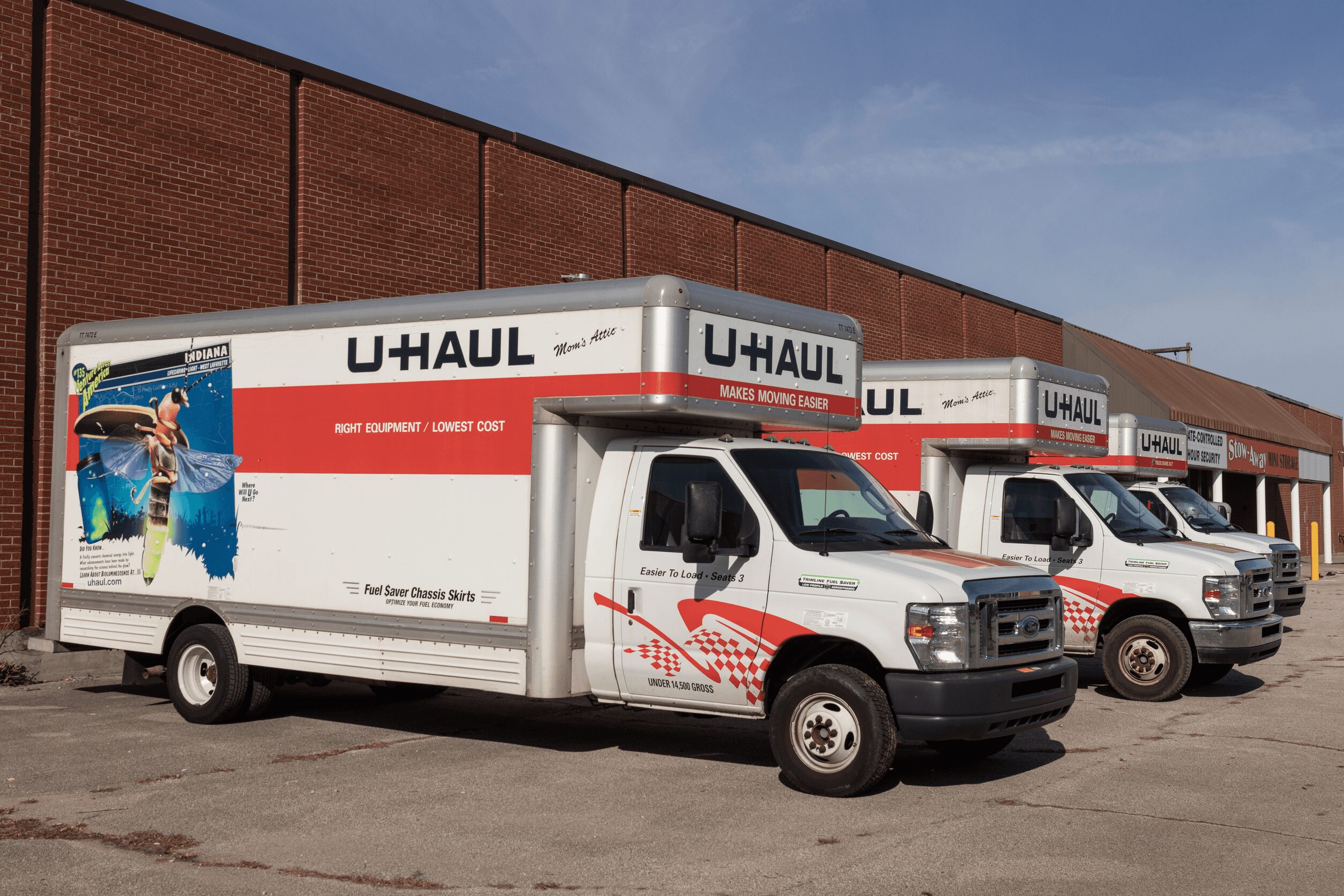
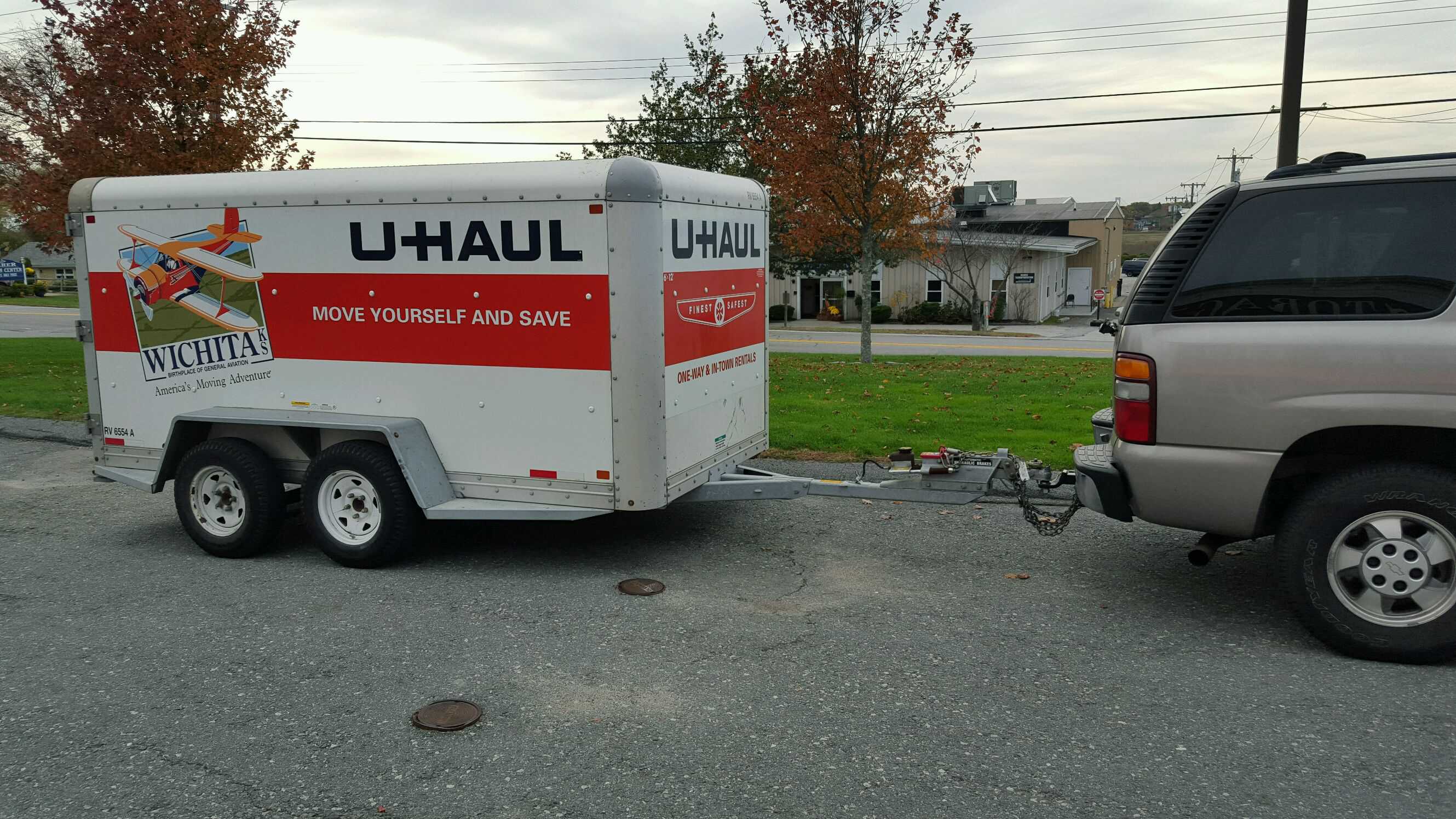
Navigating the financial logistics of a residential or commercial relocation requires a precise understanding of truck rental economics. When estimating how much a U-Haul would cost in 2026, renters must look beyond the base advertised rate to factor in mileage fees, fuel consumption, equipment insurance, and seasonal demand fluctuations. Because moving expenses can scale rapidly based on your route distance and vehicle size, analyzing the real-world pricing structure ensures your moving budget remains accurate and transparent.
Decoding the U-Haul Pricing Structure: Base Rates vs. Mileage
Understanding how U-Haul calculates its charges is the first step in managing your relocation expenses. U-Haul categorizes its rentals into two distinct operational models: local moves and one-way long-distance moves. Each model utilizes a completely different billing mechanism.
For local moves—typically defined as rentals where you return the truck to the exact same location where you picked it up—you are charged a low daily base fee plus a flat rate per mile driven. The daily base fee generally ranges from $19.95 for cargo vans and small pickup trucks up to $39.95 to $49.95 for larger 20-foot and 26-foot box trucks. However, that base fee does not include the mileage charge, which typically ranges from $0.99 to $1.39 per mile. If you drive a local 15-foot truck a total of 50 miles, your mileage fee alone will add $50 to $70 on top of the daily rental rate.
Conversely, one-way long-distance moves operate on a fixed-fee allocation model. When you pick up a truck in one city and drop it off at another, U-Haul provides a designated number of allowed miles and a set number of rental days. The quoted price for a one-way move is all-inclusive regarding the distance and time windows specified in your contract. If you exceed the allowed miles or keep the vehicle past the designated drop-off date, heavy penalty fees are assessed per extra mile or day.
Estimated 2026 U-Haul Rental Costs by Truck Size
Selecting the correct truck size prevents both the inefficiency of making multiple trips and the unnecessary expense of driving a vehicle larger than required. U-Haul offers five primary truck sizes alongside cargo and pickup options.
The following breakdown outlines realistic pricing estimates for local and one-way rentals based on current industry benchmarks for 2026.
| U-Haul Vehicle Type | Best Suited For | Estimated Local Daily Rate | Estimated One-Way Average Cost | Fuel Economy (Approx.) |
|---|---|---|---|---|
| Cargo Van | Studio apartment, dorm, small items | $19.95 + Mileage | $150 - $400 | 18 - 22 MPG |
| 10-Foot Box Truck | Studio to 1-bedroom apartment | $19.95 + Mileage | $250 - $600 | 12 - 14 MPG |
| 15-Foot Box Truck | 1 to 2-bedroom home / condo | $29.95 + Mileage | $400 - $1,200 | 10 - 12 MPG |
| 20-Foot Box Truck | 2 to 3-bedroom home | $39.95 + Mileage | $600 - $1,800 | 8 - 10 MPG |
| 26-Foot Box Truck | 4+ bedroom home / large estate | $49.95 + Mileage | $800 - $2,500 | 6 - 8 MPG |
Hidden and Variable Expenses to Factor Into Your Budget
The initial online quote provided by a rental company rarely represents the final out-of-pocket total. To avoid budget overruns on moving day, you must account for several mandatory and optional variable costs that accompany a truck rental.
- Fuel Costs: Moving trucks are heavy, aerodynamic nightmares with massive gasoline engines. Unlike standard passenger vehicles, a 26-foot box truck loaded with furniture might only achieve 6 to 8 miles per gallon. Crossing state lines during a long-distance move means factoring in hundreds of dollars in fuel costs alone.
- Environmental and State Fees: Depending on the state and municipality where you initiate your rental, environmental surcharges, local taxes, and state-mandated regulatory fees are automatically appended to your final invoice.
- Damage Protection and Insurance: Your personal auto insurance policy or credit card benefits rarely cover commercial box truck rentals. Purchasing U-Haul’s Safe(Trip) or SafeMove damage waivers typically adds between $15 and $50 per day, protecting you against accidental overhead scrapes, windshield cracks, and collision damage.
- Tolls and Parking Permits: Large commercial trucks are classified differently than passenger cars on toll roads, often resulting in higher axle rates. Furthermore, parking a 26-foot vehicle in dense urban areas may require purchasing temporary municipal street permits to avoid costly parking tickets or towing fees.
Comparing U-Haul to Alternative Moving Solutions
When evaluating how much a U-Haul would cost, it is wise to compare it against alternative moving methodologies to determine which delivers the best value for your specific relocation criteria.
DIY Truck Rental (U-Haul / Penske): The most cost-effective upfront option, especially for local moves. However, it requires you to supply all the physical labor, driving coordination, and fuel expenses. You maintain total control over your schedule, but physical exhaustion and the stress of driving a massive commercial vehicle fall entirely on you.
Moving Container Services (PODS / U-Pack): A hybrid approach where a portable storage container is delivered to your home. You load it at your own pace, and the company transports it to your new destination or stores it securely. While often more expensive than a basic local U-Haul truck, it completely eliminates the anxiety of driving a long-distance commercial truck.
Full-Service Professional Movers: The most expensive option by a significant margin. Professional movers handle packing, heavy lifting, transport, and unloading. While it requires a substantial financial investment, it eliminates physical strain and minimizes the risk of personal injury or property damage.
Step-by-Step Guide to Securing the Best Price on Your U-Haul Rental
Maximizing savings on your truck rental requires strategic planning and flexibility. Follow this structured workflow to lock in the lowest possible rate for your upcoming move:
- Audit Your Inventory Early: Avoid guessing your truck size. Use U-Haul’s online room-by-room estimator to select the smallest vehicle that safely accommodates your belongings, preventing wasted fuel and higher base rates.
- Be Flexible with Your Dates: Avoid booking moves at the end of the month, during peak summer weekends, or at the beginning of university semesters. Mid-week and mid-month rentals frequently feature significantly lower base rates and higher truck availability.
- Get Quotes from Competitors: Always cross-shop rates with competitors like Penske and Budget Truck Rental. Use competing offers as leverage or to identify better promotional packages.
- Reserve Well in Advance: Securing your reservation weeks ahead prevents last-minute scarcity pricing and ensures you lock in the guaranteed equipment at your preferred neighborhood pickup location.
- Inspect the Vehicle Thoroughly: Before driving off the lot, document all existing scratches, dents, and windshield blemishes with photographs. Verify that the tire treads and fluid levels meet safe operational standards to avoid liability for pre-existing damage upon return.
Expert Insight: Always return your U-Haul truck with the exact fuel level recorded on your contract agreement. Returning a truck with less fuel results in refueling charges billed at a premium rate per gallon that far exceeds standard local gas station prices.
Frequently Asked Questions About U-Haul Costs
How much does it cost to rent a U-Haul for a cross-country move?
A cross-country one-way U-Haul rental typically costs anywhere from $1,500 to $3,500. The final price depends heavily on the exact mileage distance, truck size selected, fuel consumption, and peak seasonal demand multipliers.
Does U-Haul charge extra for driving additional miles on local rentals?
Yes, local rentals calculate your total bill by adding a per-mile fee (ranging from $0.99 to $1.39) on top of the daily base rental fee. Exceeding your estimated local mileage will directly increase your final charges.
What is the cheapest day of the week to rent a U-Haul?
Mid-week days—specifically Tuesdays and Wednesdays—tend to be the cheapest days to rent a moving truck. Weekends and the final days of the calendar month experience peak demand, driving up rates and limiting truck availability.
Do I need to pay for moving insurance through U-Haul?
While moving insurance is not legally mandatory, it is highly recommended. Personal auto insurance policies and standard credit card rental coverages generally exclude commercial-sized box trucks, leaving you financially liable for any vehicle damage.
Can I cancel or modify my U-Haul reservation without a fee?
U-Haul generally does not charge a cancellation fee for truck rentals if you need to modify or cancel your reservation. However, it is vital to provide notice as early as possible to free up equipment for other movers.
Conclusion
Determining how much a U-Haul would cost requires balancing base rates, mileage, fuel, and insurance variables against the unique demands of your moving timeline. By carefully selecting the right truck size, optimizing your moving dates, and accounting for hidden operational expenses, you can execute a smooth relocation without unexpected financial surprises. Proper preparation transforms the moving process from an unpredictable financial burden into a well-managed logistical success.