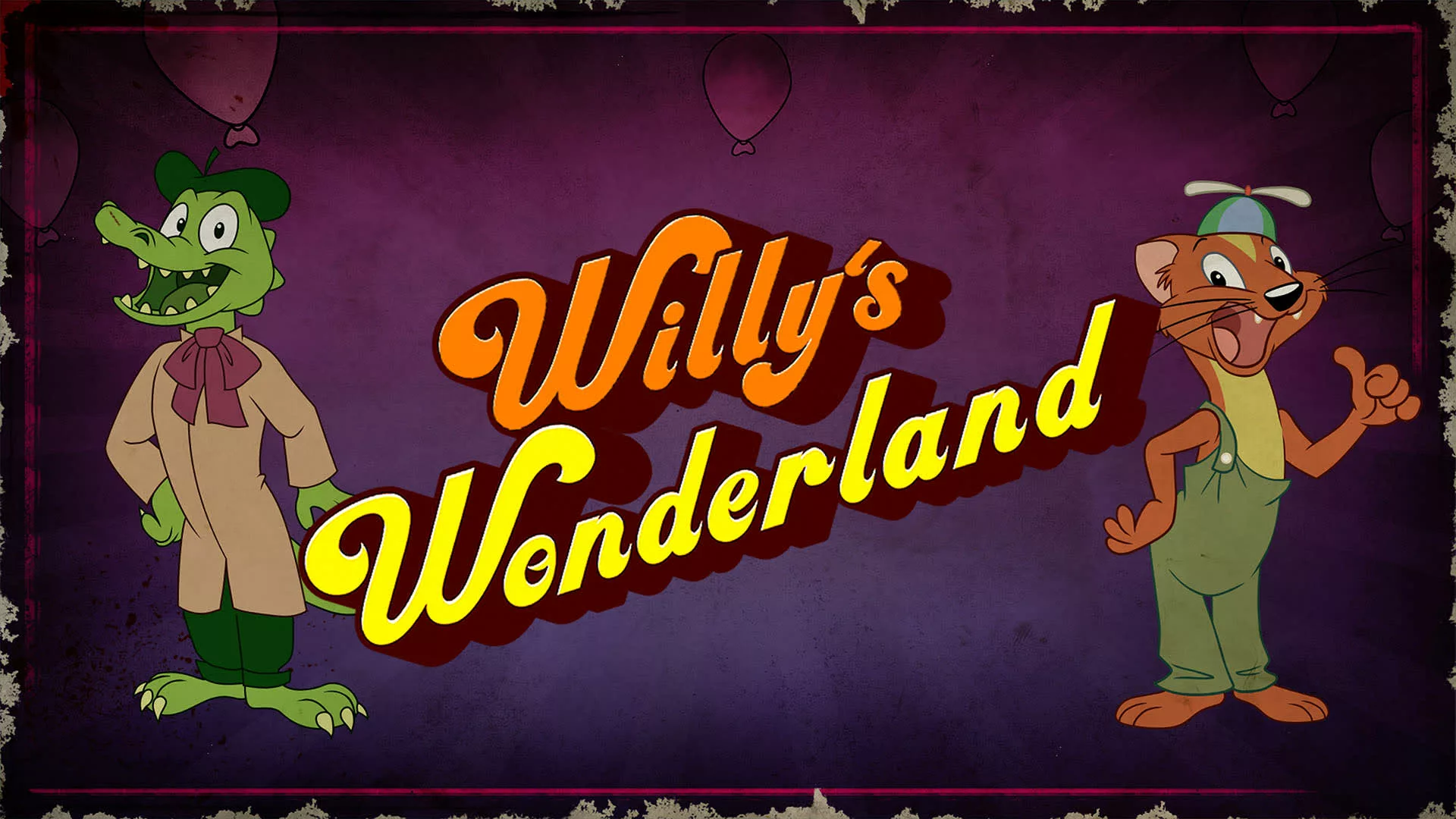
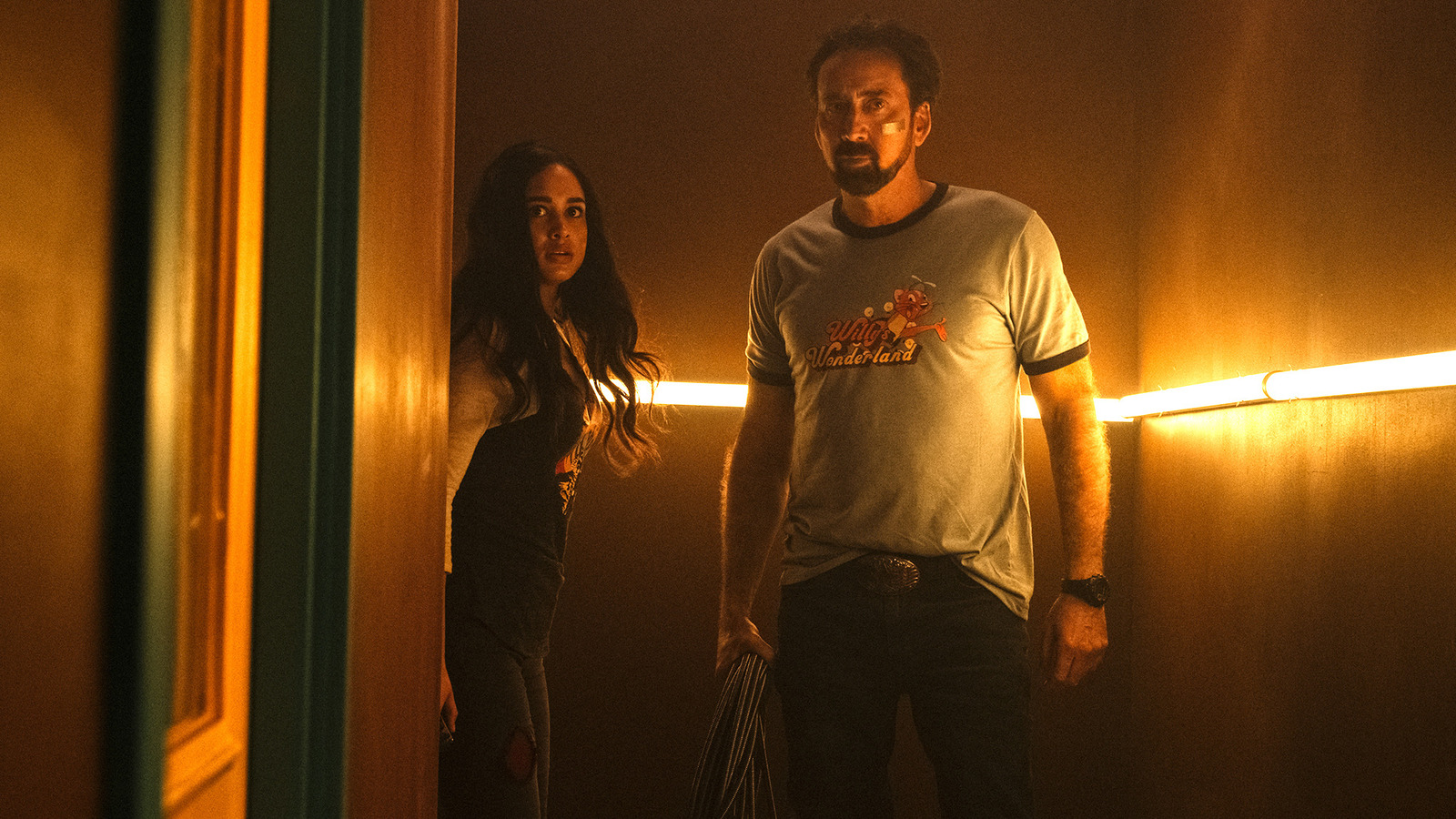
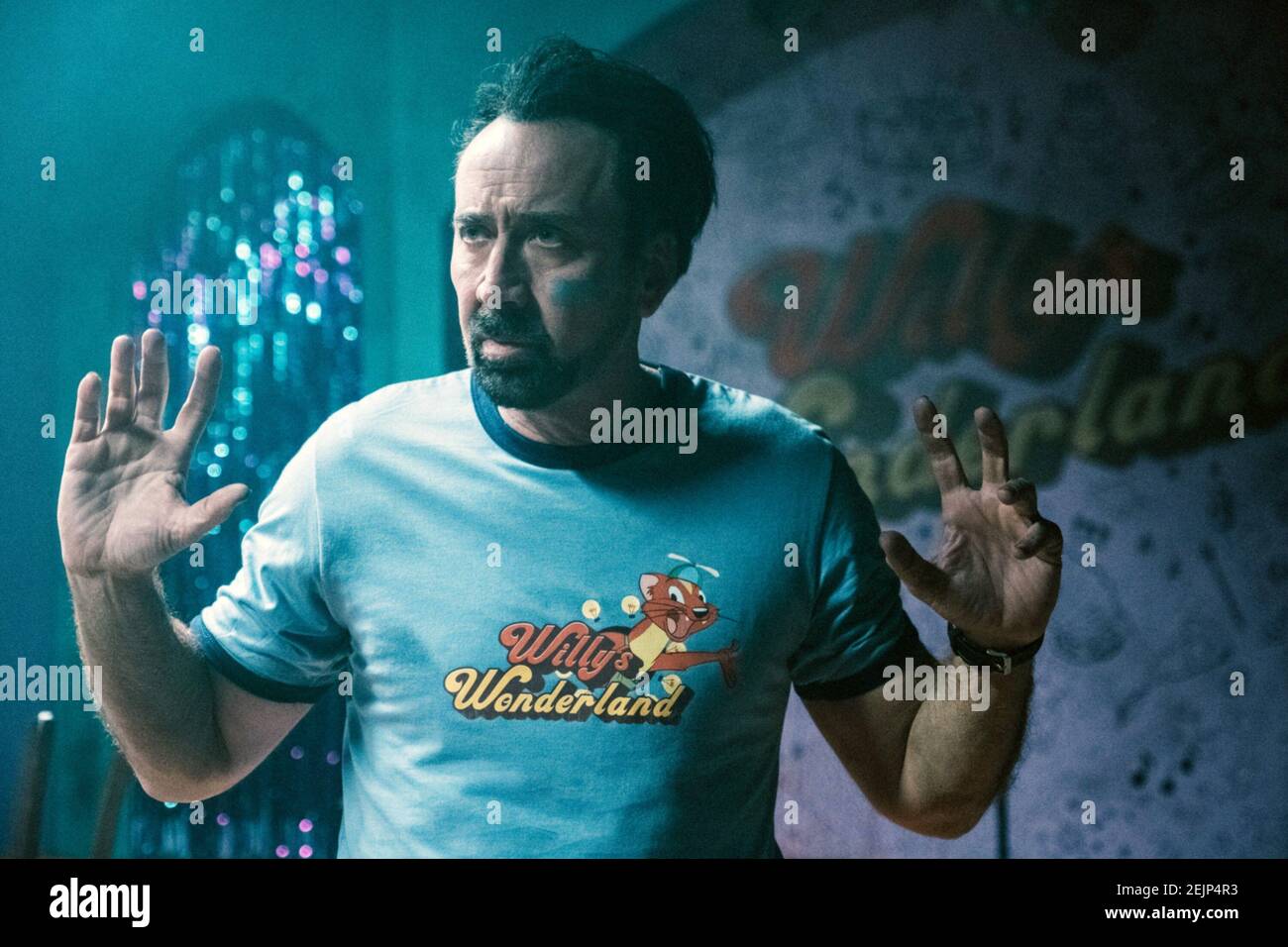
For his role as the silent "Janitor" in the 2021 cult horror-action film Willy’s Wonderland, Nicolas Cage is estimated to have earned a base salary between $1 million and $2 million. Because he also served as a producer via his company Saturn Films, his total compensation likely included backend points and profit participation from VOD sales.
Nicolas Cage’s financial journey throughout the 2010s and early 2020s is one of the most documented and discussed narratives in Hollywood. After a period of prolific output in the direct-to-video and independent markets to settle significant financial obligations, Cage entered a "renaissance" period. Willy’s Wonderland sits squarely in this era—a project that leveraged his legendary "Cage Rage" persona while functioning within the lean economic framework of independent genre cinema.
To understand how much Cage made, one must look past the raw salary and examine the production's budget, the distribution model, and his dual role as both the primary star and a key producer.
Breaking Down the Salary for Willy’s Wonderland
When analyzing the earnings for a star of Nicolas Cage's caliber in an independent film, the figure is rarely a single flat fee. For Willy’s Wonderland, the production budget was relatively modest, estimated to be between $5 million and $6.5 million. In a production of this scale, the lead actor’s salary typically consumes a significant portion of the "above-the-line" costs.
Industry standards for an actor with Cage’s international name recognition in a $5 million indie film usually dictate a "favored nations" or "mid-tier" star salary. While Cage commanded $20 million per film during his peak at Disney and Jerry Bruckheimer Films (such as National Treasure), his indie rate is significantly more flexible. For Willy’s Wonderland, reports from film finance analysts and industry insiders suggest a base pay in the $1 million to $1.5 million range.
This base pay is often supplemented by what is known as "backend points." As a producer on the project, Cage’s company, Saturn Films, would have negotiated a percentage of the net profits. Since the film became a significant hit on Video On Demand (VOD) and streaming platforms during the pandemic era, these backend earnings likely pushed his total take-home pay closer to the $2 million mark over the long term.
The Economics of Independent Horror and VOD
The financial success of Willy’s Wonderland was not measured by traditional box office receipts, as it had a limited theatrical release in early 2021. Instead, its profitability was driven by the "Premium VOD" model. In this ecosystem, a recognizable face like Nicolas Cage acts as a massive insurance policy for investors.
When an independent film is pitched to international distributors, the presence of a "bankable" star allows the production to pre-sell distribution rights in various territories. These pre-sales often cover the entire cost of production before a single frame is even shot. For Willy’s Wonderland, Cage’s involvement guaranteed that the film would be bought in markets across Europe, Asia, and Latin America, where his brand of eccentric action remains highly profitable.
Because the film was produced for roughly $5 million, the barrier to profitability was low. Once the distributor (Screen Media Films) recouped their marketing and acquisition costs, a portion of every digital rental or purchase flowed back to the producers. Given the film’s viral success on social media and its status as a cult favorite, the long-tail revenue from streaming licenses (such as on Hulu or specialized horror streamers) has likely been substantial.
The "Zero Dialogue" Factor and Production Efficiency
One of the most unique aspects of Cage’s performance in Willy’s Wonderland is that his character, The Janitor, has zero lines of dialogue. From a financial and production standpoint, this was a brilliant move for several reasons:
- Reduced Prep Time: Without lines to memorize, the "acting" becomes entirely physical. This allowed for a more efficient shooting schedule, which is critical for low-budget productions.
- Universal Appeal: A silent protagonist makes the film incredibly easy to localize for foreign markets. There is no need for complex dubbing or nuance lost in translation, making the film a "cleaner" asset for international sales.
- The Gimmick as Marketing: The fact that Cage does not speak became a central part of the film's marketing campaign. This generated "free" earned media and curiosity, reducing the amount of money the studio had to spend on traditional advertising.
Economically, this creates a high "return on effort" for the actor. While Cage still put in the grueling physical work required for the fight scenes against the animatronics, the absence of dialogue simplified the post-production process, specifically regarding Automated Dialogue Replacement (ADR), which can often add tens of thousands of dollars to a budget.
Comparative Earnings: Cage’s Salaries Across the Decades
To put the Willy’s Wonderland payday into perspective, it is helpful to compare it to other milestones in Nicolas Cage’s career. His salary history reflects the volatile nature of the film industry and his personal transition from a studio blockbuster lead to an indie icon.
| Film Title | Year | Estimated Salary | Production Type |
|---|---|---|---|
| Gone in 60 Seconds | 2000 | $20,000,000 | Major Studio Blockbuster |
| National Treasure | 2004 | $20,000,000 | Major Studio Franchise |
| The Croods (Voice) | 2013 | $1,000,000+ | Animated Feature |
| Mandy | 2018 | $300,000 - $500,000 | Low-Budget Indie Cult Hit |
| Willy’s Wonderland | 2021 | $1,000,000 - $2,000,000 | Indie Genre / Producer Role |
| The Unbearable Weight of Massive Talent | 2022 | $7,000,000 | Mid-Budget Studio Comedy |
As shown in the table, Willy’s Wonderland represents a "mid-high" tier for Cage’s independent work. It pays significantly more than a "prestige" indie like Pig (where he likely took a massive pay cut for the quality of the script) but less than a major studio-backed project like The Unbearable Weight of Massive Talent.
The Role of Saturn Films in the Payday
Nicolas Cage didn't just show up to the set of Willy's Wonderland as a "hired gun." Through his production company, Saturn Films, he had a direct hand in the development and execution of the project. This is a critical distinction when discussing how much an actor "makes."
When an actor is also a producer, they often defer a portion of their standard upfront fee in exchange for a larger slice of the "back end." This reduces the immediate financial strain on the production budget, allowing more money to be spent on practical effects (like the animatronic suits) or stunts. In the case of Willy's Wonderland, the high quality of the creature designs—created by Kenneth Hall—was essential to the film's success. By taking a producer's stake, Cage essentially bet on himself. If the movie failed, he would have earned less than his market rate. Because it succeeded, his total earnings likely exceeded what the production could have afforded to pay him upfront.
Why Investors Pay Nicolas Cage $1 Million+ for Indie Films
Critics often wonder why independent films with small budgets would allocate 20% or more of their total funds to a single actor. The answer lies in collateral value.
For a film like Willy’s Wonderland, the title itself isn't a known brand. However, "Nicolas Cage fighting evil animatronics" is a high-concept "hook" that sells. Investors and banks provide "gap financing" based on the projected value of the lead actor. Without Cage, the film might have struggled to secure even a $2 million budget. With him, it becomes a $5 million production with global distribution potential.
Therefore, the $1 million to $2 million Cage earned isn't just for his performance; it’s a fee for the use of his global brand, which acts as a catalyst for the entire project's existence.
Frequently Asked Questions
Did Nicolas Cage have any lines in Willy’s Wonderland?
No, Nicolas Cage’s character, The Janitor, has absolutely no spoken dialogue throughout the entire film. This was a deliberate creative choice by the director and writer to enhance the stoic, mysterious nature of the character. Cage famously leaned into the role, using facial expressions and body language to convey emotion and intent.
Was Willy’s Wonderland a box office success?
In traditional terms, no, because it had a very limited theatrical release during the COVID-19 pandemic. However, it was a major success on digital platforms. It consistently ranked near the top of the VOD charts upon its release and has since become a profitable "evergreen" title for Screen Media Films through streaming and physical media sales.
How does his pay for Willy’s Wonderland compare to the Five Nights at Freddy’s movie?
While Willy’s Wonderland was often compared to Five Nights at Freddy’s (FNAF) due to the similar premise, the budgets were vastly different. The FNAF movie (2023) had a budget of approximately $20 million and was backed by Blumhouse and Universal. The leads in that film likely had different contractual structures, but Cage’s earnings for Willy’s Wonderland were higher as a percentage of the total budget compared to most stars in the FNAF film.
Is there a sequel to Willy’s Wonderland in development?
As of 2026, there have been frequent discussions and rumors regarding a sequel or a spin-off, given the film's cult popularity. While no official production start date has been confirmed, the producers and Nicolas Cage have expressed interest in revisiting the character if the script meets the quality of the original.
Did Nicolas Cage do his own stunts in the film?
Cage performed many of his own stunts and fight choreography. Because the character’s fighting style was meant to be methodical and intense, Cage worked closely with the stunt team to ensure the "Janitor" looked like a professional despite the absurdity of the situation.
Assessing the Value of the "Cage Brand"
When evaluating how much Nicolas Cage made for Willy's Wonderland, it is vital to recognize that he is one of the few remaining actors whose name alone can greenlight a movie. His salary reflects a sophisticated negotiation between his market value as a global star and the practical realities of independent film financing. By 2021, Cage had successfully transitioned from a troubled financial period into a position of creative and economic strength, using projects like Willy's Wonderland to solidify his status as the king of the "elevated" genre film.
For viewers and aspiring filmmakers, the takeaway is clear: star power remains the most valuable currency in the independent market. Cage’s $1 million to $2 million payday was not just a fee for services rendered, but a strategic investment that ensured the film's survival and eventual success in a crowded digital marketplace.