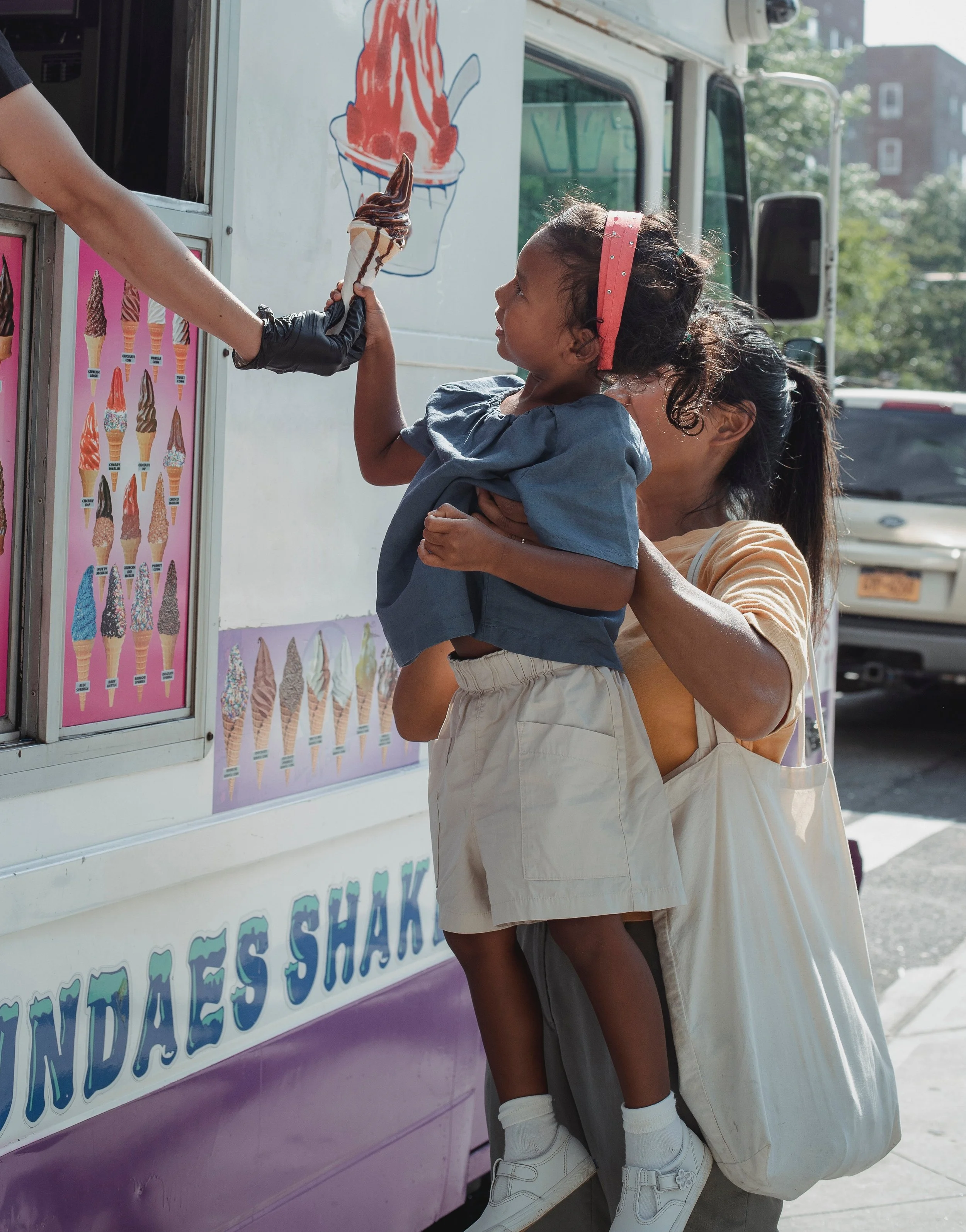
Operating a mobile frozen dessert business sits at the intersection of nostalgia and high-velocity retail. Understanding the exact revenue potential requires stripping away the idyllic chime of the music box to examine cold, hard business metrics. In 2026, the mobile food vending landscape faces shifting consumer payment preferences, rising inventory costs, and tightening municipal regulations.
Decoding Average Revenue and Profit Margins for Mobile Vendors
Evaluating the financial viability of a mobile dessert route begins with distinguishing between gross revenue and net profit. An ice cream truck operating in a favorable climate across a standard spring-to-autumn season generates vastly different figures than a year-round enterprise in a warm-weather metropolitan hub.
- Average Daily Gross Revenue: A standard route during peak summer months typically yields between $200 and $500 per day. High-performing units working heavily populated parks, beaches, or major weekend events can scale gross daily receipts to $1,000 or more.
- Annual Gross Revenue: Full-time operators working seasonally (roughly six to seven months) generally report annual gross revenues ranging from $60,000 to $120,000. Full-year operators in regions like Southern California, Florida, or Texas can push gross earnings past $150,000.
- Net Profit Margins: After accounting for COGS (Cost of Goods Sold), fuel, vehicle maintenance, insurance, and municipal permits, the typical net profit margin hovers between 30% and 45%. This translates to an annual take-home income of $25,000 to $65,000 for single-truck owner-operators.
Financial Breakdown of a Typical Season
| Expense Category | Percentage of Gross Revenue | Estimated Annual Cost (Based on $80,000 Gross) |
|---|---|---|
| Cost of Goods Sold (Inventory) | 25% - 30% | $20,000 - $24,000 |
| Vehicle Fuel & Maintenance | 10% - 15% | $8,000 - $12,000 |
| Commercial Auto & Liability Insurance | 5% - 8% | $4,000 - $6,400 |
| Permits, Licenses, & Commissary Fees | 3% - 5% | $2,400 - $4,000 |
| Marketing & Miscellaneous Overhead | 2% - 4% | $1,600 - $3,200 |
| Net Profit (Owner Take-Home) | 38% - 55% | $30,400 - $44,000 |
Core Revenue Drivers and Seasonal Variables
Revenue is never a static figure; it fluctuates wildly based on external factors that every operator must master to maintain profitability. Weather remains the single most influential variable. A sudden summer rainstorm or an unseasonably cool weekend can decimate projected weekly income, requiring operators to build robust cash reserves during peak heatwaves.
Location strategy dictates volume. Traditional street-by-street neighborhood cruising yields steady, predictable retail sales but suffers from low transaction values. Conversely, securing exclusive vendor contracts for youth sports leagues, community festivals, corporate functions, and school graduations transforms a modest daily route into a lucrative commercial enterprise. Pricing strategies have also evolved; with cash usage declining sharply by 2026, trucks equipped with reliable contactless payment systems capture higher impulse-buy revenues from customers who no longer carry paper currency.
Startup Costs and Overhead Realities
Entering the mobile ice cream industry requires significant upfront capital. Prospective owners must evaluate the initial investment against projected cash flow before deploying capital into vehicles and inventory.
- Vehicle Acquisition: A used, retrofitted step van or dedicated ice cream truck ranges from $20,000 to $50,000. A brand-new, custom-built vehicle featuring modern refrigeration, digital sound systems, and point-of-sale hardware can exceed $100,000.
- Commercial Commissary Requirements: Most local health departments mandate that mobile food vendors store their vehicles and stock in a licensed commercial kitchen or commissary. Monthly commissary fees typically range from $300 to $800.
- Permitting and Licensing: Mobile food facility permits, health department inspections, background checks, and vendor licenses vary significantly by municipality, often requiring an initial investment of $500 to $2,000 annually.
Operational Warning for 2026 Fleet Owners: Municipal noise ordinances and idling laws have tightened significantly in many metropolitan areas. Operators must invest in auxiliary lithium battery power banks to run refrigeration systems while parked, avoiding costly fines associated with running a combustion engine solely to keep inventory frozen during prolonged stops.
Comparative Analysis: Independent Operation vs. Franchise Models
Choosing how to structure the business fundamentally alters financial returns, branding power, and operational independence.
| Feature | Independent Operator | Ice Cream Truck Franchise |
|---|---|---|
| Upfront Capital Required | Moderate ($30,000 - $70,000) | High ($80,000 - $150,000+) |
| Royalty & Advertising Fees | None (100% profit retention) | 5% to 10% of gross sales |
| Supply Chain Access | Self-negotiated local/wholesale | Established national supplier contracts |
| Brand Recognition | Built locally over time | Instant consumer trust |
| Route Flexibility | Complete autonomy | Strict territorial and operational rules |
Frequently Asked Questions About Ice Cream Truck Earnings
How much does an ice cream truck driver make?
Hired drivers typically earn an hourly wage ranging from $15 to $22 per hour, often supplemented by a small percentage (5% to 10%) of daily sales commission to incentivize high-volume route management.
Are ice cream trucks still a profitable business?
Yes, ice cream trucks remain profitable due to low product inventory costs and high retail markups on pre-packaged novelties, provided operators carefully manage fuel consumption and secure high-traffic event contracts.
What is the most profitable item to sell?
Pre-packaged novelty bars and character pops generally offer the highest labor efficiency, while soft-serve ice cream from onboard machines yields higher profit margins per ounce despite requiring more complex equipment maintenance.
Do ice cream trucks accept credit cards?
Modern consumer habits require mobile vendors to accept contactless payments, digital wallets, and credit cards; trucks without point-of-sale terminals miss out on significant impulse sales.
How much does it cost to stock an ice cream truck?
Initial inventory stocking for a medium-sized truck typically costs between $1,500 and $3,000, depending on whether the selection includes bulk soft-serve mix or high-demand branded novelty novelties.
Strategic Action Plan for Aspiring Mobile Vendors
Maximizing profitability in the mobile frozen dessert sector requires strict adherence to financial discipline and operational efficiency. Secure necessary health permits and commercial kitchen space before purchasing a vehicle. Invest in energy-efficient refrigeration and robust point-of-sale technology to streamline transactions and minimize inventory spoilage. Finally, prioritize high-margin private catering gigs and community event contracts to insulate your business from the unpredictability of traditional neighborhood street routes.