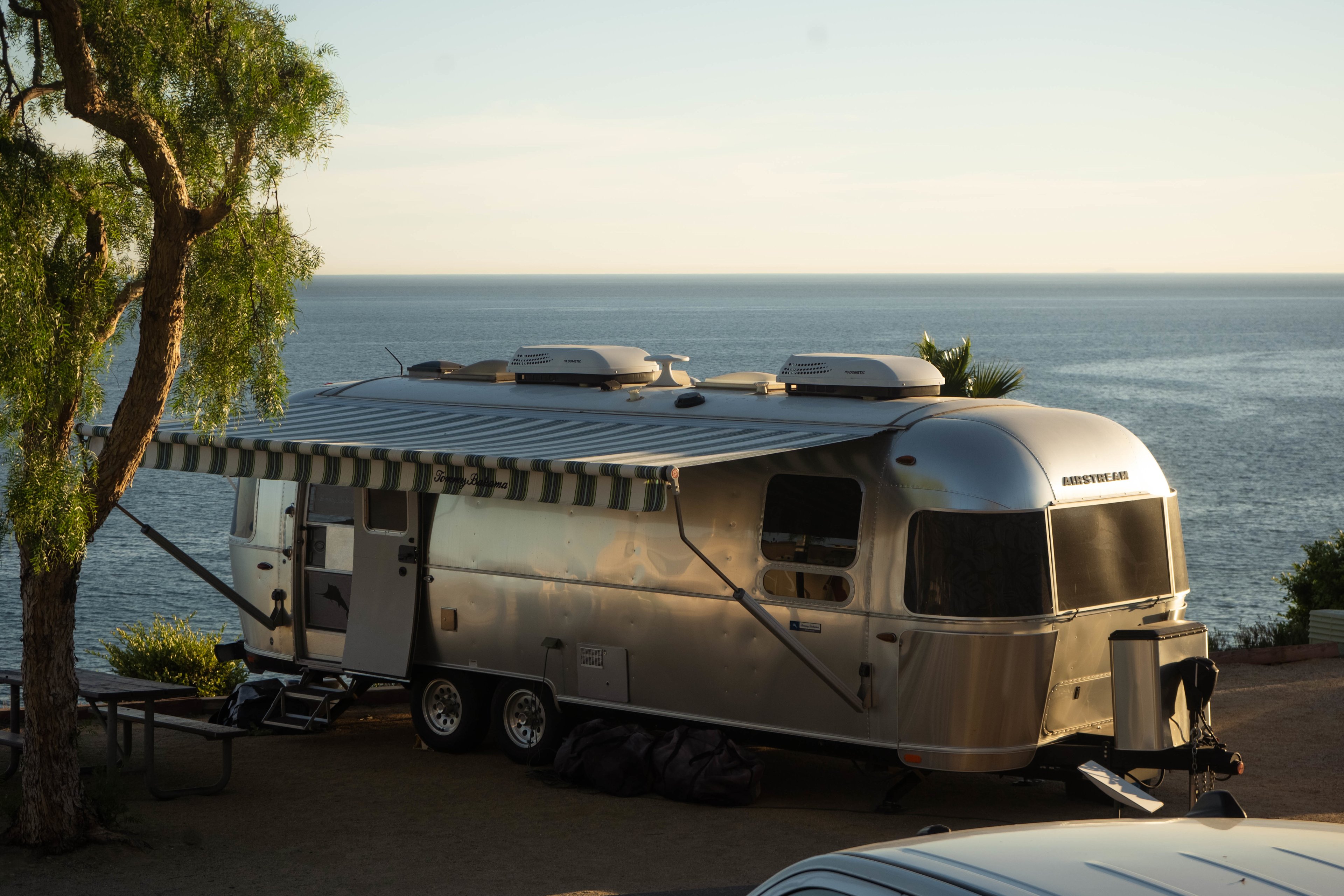
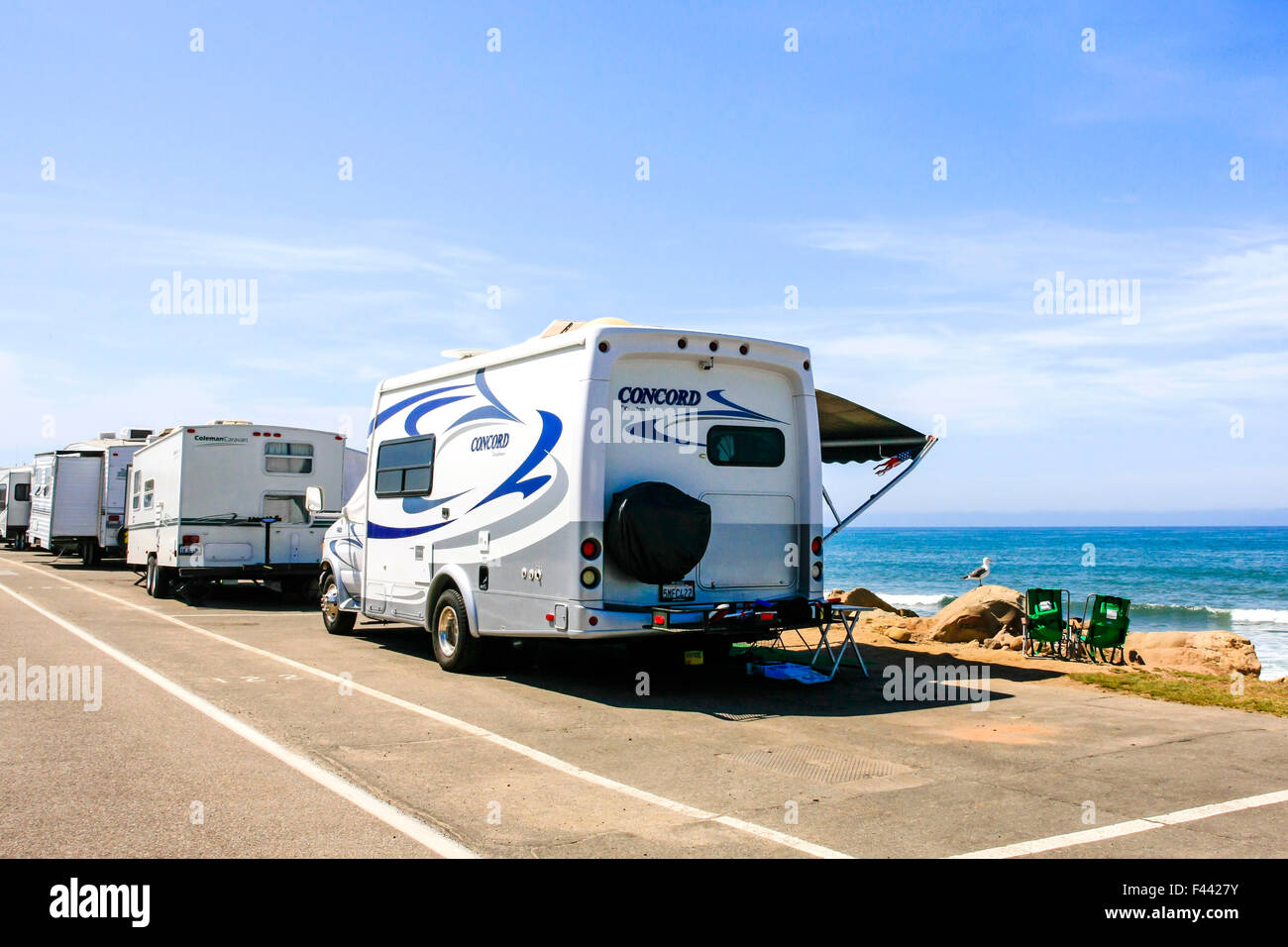
California remains the premier destination for the nomadic lifestyle, offering a diverse landscape that ranges from the rugged cliffs of Big Sur to the arid beauty of Joshua Tree. In 2026, the market for Motorhomes of California has undergone a significant transformation, driven by aggressive emissions standards, a surge in smart-grid integrated RV technology, and a shifting demographic of remote-work professionals. Navigating this landscape requires more than just a passion for the open road; it demands a technical understanding of the 2026 regulatory environment, vehicle specifications, and the specialized infrastructure of the Golden State.
Whether you are looking to purchase a luxury diesel pusher in Orange County or seeking a compact lithium-powered adventure van in the Bay Area, understanding the current state of the industry is paramount. This guide provides a deep dive into the mechanical, legal, and lifestyle factors defining the California motorhome experience this year.
Navigating California’s 2026 Emissions and Environmental Regulations
As of 2026, California’s Air Resources Board (CARB) has implemented the most stringent motorhome emissions standards in history. For owners and prospective buyers, this means that the "California Special" designation on engines is more critical than ever. New motorhomes sold within the state must now adhere to the Advanced Clean Trucks (ACT) transition phase, which impacts the manufacturing of Class A and Class C chassis.
The 2026 Zero-Emission Mandate Progress
The transition toward electrification has reached a tipping point this year. While fully electric Class A motorhomes are still emerging for long-haul use, 2026 models now feature mandatory "Idle-Reduction Technology." This ensures that onboard diesel or gas generators are being replaced by high-capacity lithium-ion house batteries and integrated solar arrays capable of powering air conditioning units for up to 12 hours without engine assistance. This is particularly vital in California State Parks, where noise ordinances for traditional combustion generators have become strictly enforced.
For those purchasing pre-owned motorhomes, the "Smog Check" remains a biannual requirement for any vehicle powered by internal combustion, including diesel engines. In 2026, California has also expanded the "Heavy-Duty Inspection and Maintenance Program" (HD I/M) to include larger luxury motorhomes over 14,000 lbs GVWR. Owners must ensure their onboard diagnostic systems (OBD) are fully functional, as any "check engine" light or emissions-related fault code will result in an automatic registration hold by the DMV.
Strategic Classification: Choosing the Right Motorhome for the West Coast
The geography of California dictates the type of motorhome that will best serve your needs. The tight, winding curves of Highway 1 require a different set of specifications than the long, flat stretches of the I-10 through the Coachella Valley.
Class B Adventure Vans: The King of the Coast
In 2026, the Class B motorhome—often referred to as a "Camper Van"—has become the highest-selling segment in California. Built on chassis like the Mercedes-Benz Sprinter, Ford Transit, or the fully electric Rivian Commercial platform, these vehicles offer the mobility needed for urban stealth camping and navigating narrow coastal roads.
Class C and Super C: The Family Standard
The 2026 Class C models have largely moved away from the thirsty V10 engines of the past, opting instead for high-efficiency turbocharged V6 engines or hybrid-electric drivetrains. The "Super C" segment, built on heavy-duty truck chassis (like the Freightliner S2RV), has gained popularity among those who need to tow boats or horse trailers to the Colorado River or the Sierra Nevadas.
Class A Luxury Coaches: The Mobile Estate
For those spending months in luxury resorts in Palm Springs or Napa Valley, the Class A remains the gold standard. The 2026 models feature "Smart Glass" technology for heat rejection—a necessity for the rising temperatures in the California desert—and advanced leveling systems that account for the uneven terrain of many rural sites.
| Motorhome Class | Average Length (2026 Models) | Power Architecture | CA Licensing Requirement | Best Use Case |
|---|---|---|---|---|
| Class B | 19 - 24 Feet | All-Electric or Hybrid | Standard Class C License | PCH, Stealth Camping, Solo/Duo |
| Class C | 24 - 32 Feet | Turbo-Gas / Hybrid | Standard Class C License | National Parks, Family Trips |
| Super C | 32 - 40 Feet | Clean Diesel (DEF 2.0) | Standard Class C License | Towing, Off-Grid, Long Stays |
| Class A (Gas) | 30 - 38 Feet | Low-Emission Gas | Standard Class C License | Full-timing, Desert Resorts |
| Class A (Diesel) | 36 - 45+ Feet | Tier 4 Final Diesel | Non-Comm Class B (>40ft) | Ultra-Luxury, Extended Living |
Mandatory Licensing and Legal Compliance in California
A common misconception among new RVers in California is that a standard driver's license covers all motorhomes. As of 2026, the California DMV is strictly enforcing weight and length thresholds that trigger additional testing requirements.
- Standard Class C License: This allows you to drive any 2-axle vehicle with a Gross Vehicle Weight Rating (GVWR) of 26,000 lbs. or less. Most Class B and Class C motorhomes fall into this category.
- Non-Commercial Class B License: This is required if your motorhome is over 40 feet in length but not more than 45 feet. It involves a specialized vision test, a written "Housecar" exam, and a behind-the-wheel skills test.
- Non-Commercial Class A License: Required if you are towing a fifth-wheel trailer over 15,000 lbs. or a travel trailer over 10,000 lbs. (not applicable to most integrated motorhomes but relevant for "toads" or towed vehicles).
Safety regulations in 2026 also emphasize the "Move Over" law, which has been expanded to include all service vehicles and RVs stopped on the shoulder. Furthermore, California’s 55 mph speed limit for any vehicle towing a trailer remains in effect, and the CHP (California Highway Patrol) has increased enforcement using automated speed-sensing technology on major grades like the Grapevine on I-5.
The 2026 Buying Guide: Regional Market Hubs
The search for "Motorhomes of California" typically leads buyers to three primary regional hubs, each offering distinct advantages based on inventory and local climate.
The Southern California Hub (San Diego to Inland Empire)
This region, including El Cajon, Colton, and Lake Forest, represents the largest concentration of dealerships in the world. Buyers here have access to high-volume pricing and a massive selection of "Desert-Ready" units. When buying in SoCal, prioritize units with dual high-efficiency AC units and reflective roof membranes.
The Central Valley Hub (Sacramento to Fresno)
The Central Valley is the heart of the "Super C" and agricultural-focused RV market. Dealerships in this region often specialize in ruggedized units designed for off-grid use in the Sierras. It is an excellent region to find 2026 models equipped with upgraded suspension packages (like LiquidSprings) that handle the varied road conditions of rural California.
The Northern California Hub (Bay Area to Santa Rosa)
The North Bay market is heavily skewed toward Class B "Vanlife" configurations and eco-friendly technology. Buyers in this region will find the highest concentration of 2026 all-electric motorhomes and dealerships that specialize in sustainable interior materials and advanced solar integrations.
Maintenance and Technical Troubleshooting for the California Climate
Owning a motorhome in California presents unique mechanical challenges. The high salinity of the coastal air and the extreme heat of the inland valleys can accelerate the degradation of seals, tires, and electronic components.
Preventative Maintenance Protocols
To maintain the resale value and safety of your motorhome in 2026, owners should adhere to a strict quarterly inspection of the roof sealant. UV radiation in Southern California is particularly brutal on TPO and EPDM roofing. Additionally, the 2026 transition to more complex "multiplex" wiring systems in motorhomes means that owners should carry a specialized diagnostic scanner. These scanners allow you to reset "soft faults" in the lighting or leveling systems that are often caused by the vibrations of California’s aging highway infrastructure.
Battery health is another critical focus. With most 2026 motorhomes utilizing LiFePO4 (Lithium Iron Phosphate) systems, maintaining a proper State of Charge (SOC) is vital. If you are storing your unit in the High Desert during the summer, ensure the battery management system (BMS) has active cooling or is stored in a temperature-controlled environment to prevent thermal degradation.
Frequently Asked Questions
Can I park my motorhome on the street in California cities in 2026?
Street parking regulations are governed by local municipal codes, which have become increasingly restrictive this year. Most coastal cities (e.g., Santa Monica, San Diego, Santa Barbara) prohibit oversized vehicle parking between 2:00 AM and 6:00 AM without a temporary resident permit. Always check local "Oversized Vehicle Ordinances" (OVO) to avoid hefty fines or towing.
What is the average cost of motorhome insurance in California for 2026?
Insurance premiums have risen approximately 15% since 2024 due to increased repair costs for high-tech components. For a 2026 Class A diesel pusher valued at $400,000, expect annual premiums to range from $3,500 to $5,500. Factors such as "Full-Timer" coverage and "Total Loss Replacement" options significantly impact these figures.
Are wood-burning fire pits allowed at California RV parks in 2026?
Due to increased wildfire risks, almost all RV parks in the Sierra Nevadas and high-risk fire zones have banned wood fires. In 2026, the industry standard has shifted to portable propane fire pits. Many "Motorhomes of California" now come with dedicated external propane "quick-connect" ports specifically for this purpose.
Do I need a special permit to drive my motorhome in San Francisco?
While no specific "permit" is required to drive through the city, many streets are restricted by weight and length. Specifically, the iconic Lombard Street and certain sections of the Presidio are off-limits to vehicles over 24 feet. Always use a dedicated "RV GPS" that accounts for California’s specific bridge heights and weight-restricted residential zones.
How does the 2026 "Right to Repair" law affect motorhome owners?
The 2026 expansion of California's Right to Repair Act ensures that independent RV service centers now have legal access to the proprietary diagnostic software used by major manufacturers like Winnebago, Thor, and Rev Group. This allows owners to seek repairs outside of expensive dealership networks, fostering more competitive pricing for technical service.
The Future of California Road Tripping
As we move through 2026, the concept of "Motorhomes of California" has evolved from simple recreation to a sophisticated, tech-driven lifestyle. The integration of Starlink Gen 4 for seamless remote work, the mandate for cleaner engines, and the growth of luxury-tier RV resorts have solidified California’s status as the epicenter of the global RV industry. By prioritizing compliance with 2026 standards and choosing a vehicle suited to the state's diverse topography, you ensure that your journey through the Golden State is as efficient as it is breathtaking.