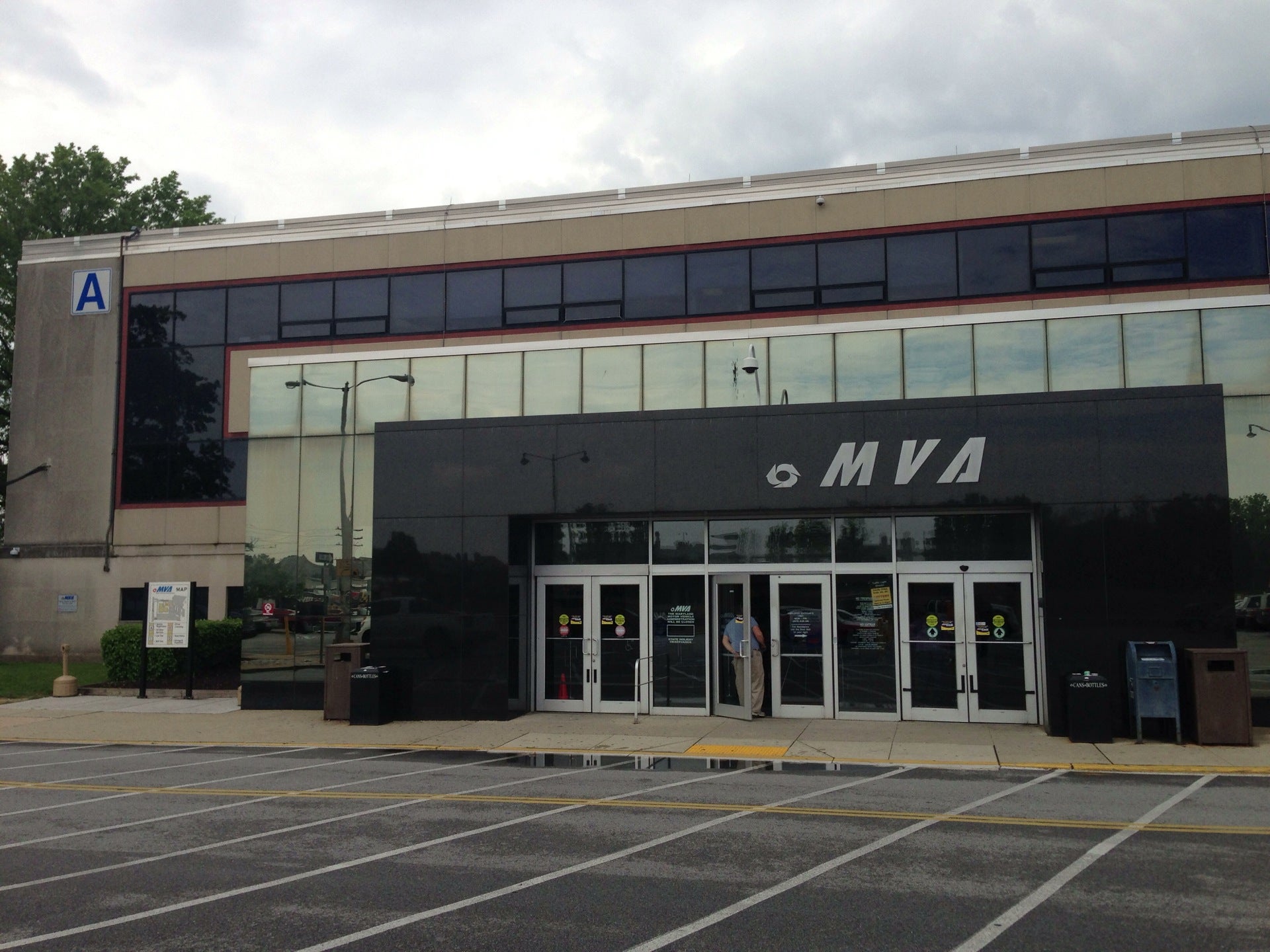
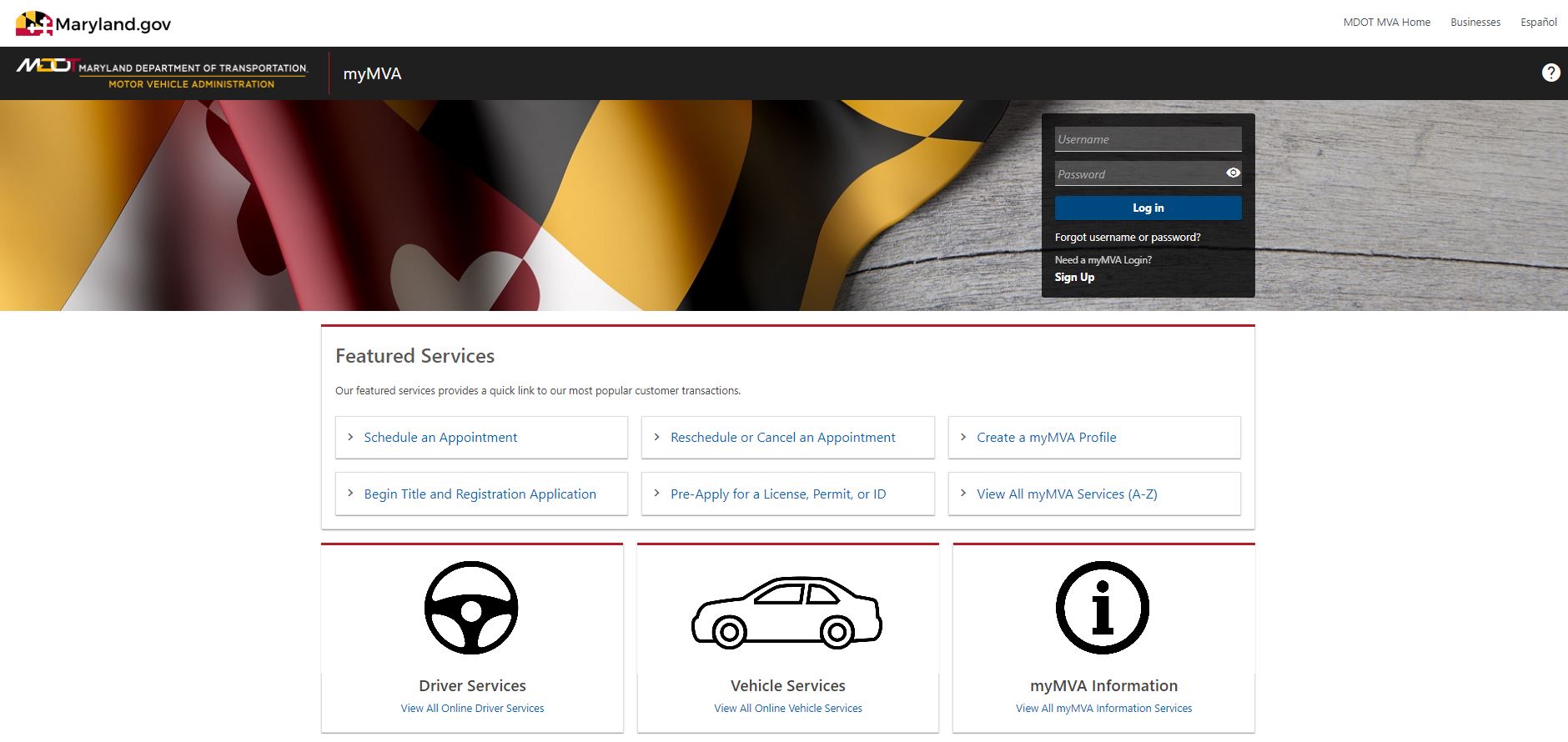
The term Motor Vehicle Administration (MVA) specifically refers to the Maryland Department of Transportation’s regulatory body, though it is frequently used as a synonym for the Department of Motor Vehicles (DMV) in other jurisdictions. This guide focuses on the streamlined 2026 protocols for securing and managing appointments within these government frameworks.
Securing a motor vehicle administration appointment in 2026 has transitioned from a traditional clerical task into a sophisticated digital experience. With the full implementation of the REAL ID Modernization Act and the widespread adoption of ISO 18013-5 compliant mobile Driver’s Licenses (mDL), the way citizens interact with state agencies has shifted toward a "Digital-First" model. Efficiency is no longer just a goal; it is a technical requirement driven by high-velocity scheduling algorithms and biometric pre-verification systems.
To navigate this landscape, one must understand the hierarchy of service tiers, the mandatory documentation for 2026 compliance, and the technical nuances of the scheduling interface. Whether you are renewing a commercial credential or registering a zero-emissions vehicle, precision in your appointment preparation is the difference between a ten-minute visit and a wasted afternoon.
The 2026 Service Landscape: Digital vs. Physical Appointments
By 2026, the MVA has bifurcated its service delivery into two distinct streams: Virtual Processing and In-Person Verification. Understanding which category your needs fall into is the first step in the scheduling process. Most administrative tasks—including address changes, simple renewals, and even some vision screenings via certified third-party APIs—now occur without a physical office visit.
However, high-security transactions still mandate a physical motor vehicle administration appointment. These include initial REAL ID issuance, Title transfers for non-electronic signatures, and specialized testing for Commercial Driver’s Licenses (CDL). The 2026 system utilizes "Smart Queuing," which assigns a digital token to your appointment, allowing for real-time adjustments based on branch capacity and traffic patterns.
Comparative Analysis of Service Channels in 2026
| Service Category | Primary Channel | Avg. Processing Time | Requirements |
|---|---|---|---|
| Driver's License Renewal | Mobile App / mDL | 5 Minutes | Biometric Login (FaceID/Fingerprint) |
| REAL ID Initial Issue | In-Person Appointment | 15-20 Minutes | Physical Document Verification |
| Vehicle Registration | Online Portal / Kiosk | 10 Minutes | Digital Insurance Verification |
| CDL Skills Test | Specialized Testing Site | 60-90 Minutes | Pre-scheduled Medical Clearance |
| Title Transfer (Private) | Hybrid (Online + Mail) | 3-5 Days | Digital Notarization (Where applicable) |
Step-by-Step Guide to Scheduling Your 2026 Appointment
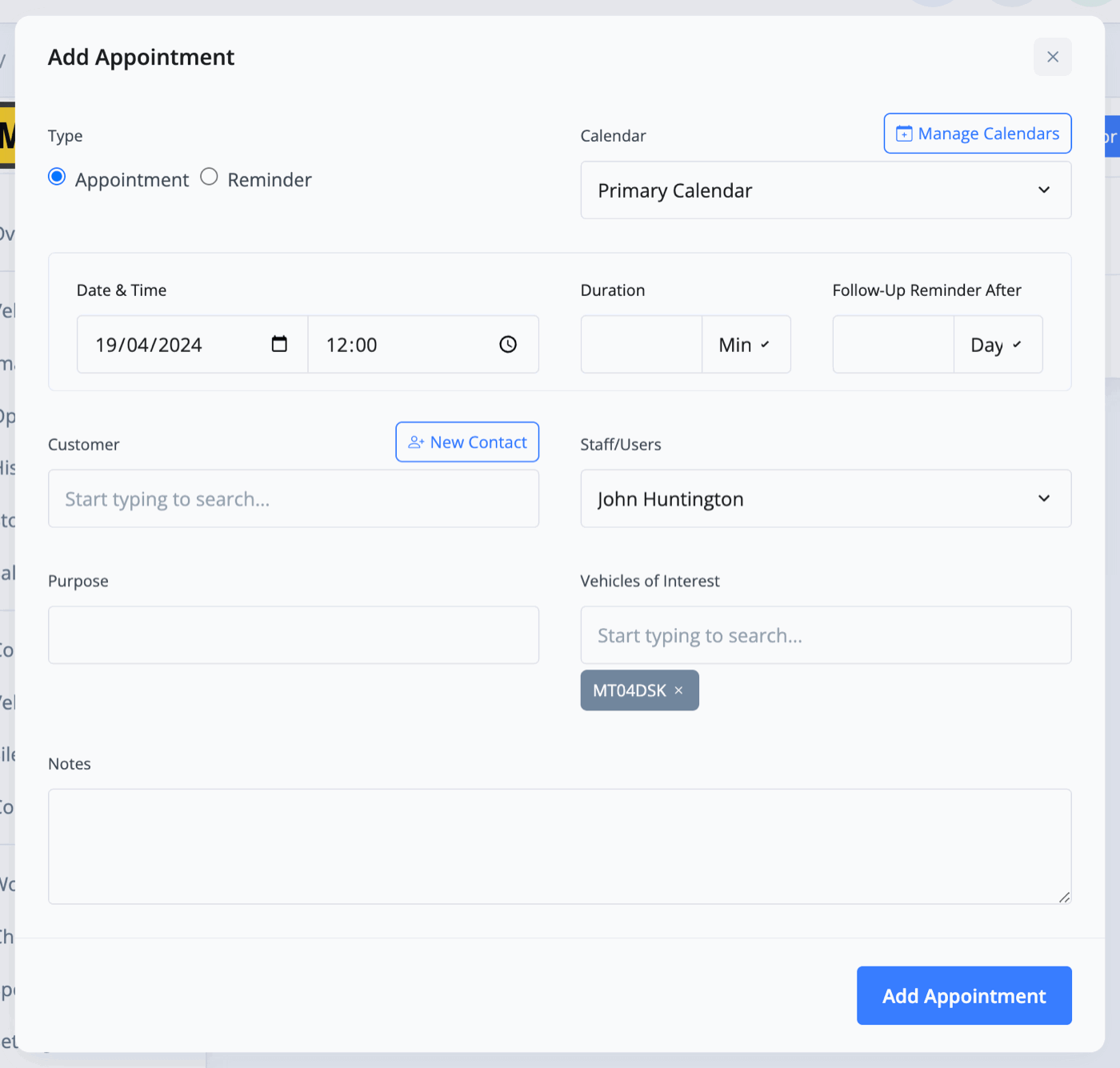
The 2026 scheduling interface is integrated directly into state-level identity wallets. Follow these precise steps to ensure your slot is secured and your documentation is pre-validated to avoid rejection at the counter.
- Identity Pre-Authentication: Log into your state’s official MVA portal using a verified digital identity (Level 3 Assurance). This often involves a multi-factor authentication process or a biometrically linked mobile ID.
- Service Selection and Document Upload: Select your specific service. The 2026 system now requires you to upload "Clear-Scan" versions of your documents (Birth certificate, Social Security proof, Residency) before the appointment can be confirmed. An AI-driven validator will scan these for compliance in real-time.
- Branch and Token Allocation: Choose a branch based on live wait-time telemetry. In 2026, many users choose "Express Kiosk" locations for faster processing. Once selected, a QR-coded digital token is issued to your mobile wallet.
- Confirmation and Calendar Integration: Sync the token with your encrypted calendar. Note that in 2026, "No-Show" penalties are more strictly enforced; cancelling less than 2 hours before the slot may result in a 30-day rescheduling lockout for high-demand services.
Technical Requirements for REAL ID and 2026 Compliance
As of 2026, the federal enforcement of REAL ID is absolute for all domestic air travel and access to secure federal facilities. The motor vehicle administration appointment for REAL ID has become more stringent regarding the "Chain of Custody" for documents.
Technical Specification for Document Validity
Primary Identity Proofing All primary documents must be original or certified copies. In 2026, the MVA accepts blockchain-verified digital birth certificates from participating states. If providing a physical passport, it must have at least six months of validity remaining to be used as a primary ID source.
Residency Verification Standards Two proofs of residency are required. These must be dated within 60 days of your appointment. Electronic utility bills are acceptable only if downloaded directly from the provider's portal in PDF format; "screenshots" are automatically rejected by the MVA's document intake AI.
Social Security Integration While physical Social Security cards are no longer strictly required if the number can be verified via the SSA’s real-time API, it is highly recommended to have your 1099 or W-2 digital form ready in your secure folder as a secondary verification layer.
Strategies for Optimizing Your Visit
To maximize the efficiency of your motor vehicle administration appointment, consider these expert-level strategies tailored for the 2026 environment.
- Mid-Week Synchronization: Data from the 2025-2026 fiscal year indicates that Tuesday and Wednesday mornings between 8:30 AM and 10:00 AM have the lowest system latency and physical foot traffic.
- The "Kiosk-First" Approach: Many MVA branches now feature autonomous kiosks that handle 80% of transactions. If your appointment is for a simple renewal, check if the kiosk can process your biometrics; this often bypasses the main waiting area entirely.
- Third-Party Certified Partners: In 2026, many administrative tasks have been decentralized to certified partner locations (e.g., local libraries, specialized "MVA Express" storefronts). These locations often have higher appointment availability than regional hubs.
Commercial Driver’s License (CDL) and Professional Appointments
For commercial operators, the 2026 motor vehicle administration appointment system includes integrated Medical Examiner Certificate (MEC) tracking. Before scheduling a skills or knowledge test, your medical data must be transmitted electronically from your National Registry of Certified Medical Examiners (NRCME) provider directly to the MVA database.
The 2026 CDL appointment also requires a "Commercial Learner’s Permit (CLP) Cooling Period." You must hold your CLP for exactly 14 days before the system will allow you to book a Skills Test. Failure to account for this temporal lock is the leading cause of scheduling errors for new commercial drivers.
Pros and Cons of the 2026 Digital Appointment System
As with any highly automated system, there are distinct advantages and inherent challenges for the user.
The Advantages (Pros):
- Reduced Wait Times: The average in-branch wait time has dropped from 45 minutes in 2020 to under 12 minutes in 2026.
- Predictive Analytics: The system can suggest alternative branches with shorter lines based on your current GPS location.
- Paperless Transactions: Digital title and registration tokens reduce the risk of losing critical physical documents.
The Challenges (Cons):
- Digital Divide: Users without high-assurance digital IDs or smartphones may find the 2026 "Digital-First" requirements difficult to navigate.
- Strict Cancellation Policies: The automated lockout for missed appointments can be punishing for those with unpredictable schedules.
- Technical Literacy Requirements: Uploading and pre-validating documents requires a level of technical proficiency that was not necessary in previous decades.
Frequently Asked Questions
Can I walk into an MVA branch without an appointment in 2026? No, virtually all MVA branches have transitioned to an "Appointment Only" model to maintain operational efficiency. Emergency walk-ins are only handled in cases of documented identity theft or immediate license suspension hearings, and even then, a "Standby Token" must be obtained via the mobile app before arrival.
What happens if my digital document upload is rejected during the scheduling process? If the AI validator rejects an upload, it is usually due to poor image resolution or missing metadata. Ensure you are using the "Document Scan" feature on your smartphone rather than taking a standard photo, as this optimizes the contrast and crops the document to the required specifications for the 2026 MVA OCR (Optical Character Recognition) system.
How do I reschedule my motor vehicle administration appointment without penalty? To avoid the 2026 rescheduling penalty, you must modify your appointment at least 24 hours in advance through the state identity portal. If an emergency occurs within the 24-hour window, you must upload supporting documentation (e.g., a medical note) to the "Appointment Appeals" section of the portal to have the lockout waived.
Is a mobile Driver’s License (mDL) valid for my appointment? Yes, as of 2026, the MVA fully accepts mDLs for all internal transactions. In fact, using an mDL often speeds up the check-in process at the branch, as the staff can verify your identity via a contactless NFC (Near Field Communication) tap rather than a manual visual inspection.
Do I need a separate appointment for vehicle emissions testing? In most 2026 jurisdictions, emissions testing is handled through 24/7 automated self-service kiosks. An appointment at a main MVA branch is only required if your vehicle fails the automated test three times and requires a technical waiver review by a master technician.
Final Preparations for Success
Before you head to your motor vehicle administration appointment, perform a final "Technical Audit" of your requirements. Ensure your smartphone is fully charged (as it contains your entry token), your physical backup documents are organized in a clear folder, and you have reviewed the branch-specific parking instructions provided in your confirmation email.
The shift toward a more automated, high-security MVA in 2026 represents a significant leap in governmental efficiency. By following the protocols outlined in this strategist's guide, you ensure that your interaction with the motor vehicle administration is seamless, compliant, and professional.