The Miracle Season is a 2018 inspirational sports drama film detailing the true story of the Iowa City West High School girls' volleyball team. Following the tragic death of star setter Caroline "Line" Found in 2011, the grief-stricken team rallied under coach Kathy Bresnahan to win an improbable back-to-back state championship.
While the phrase "miracle season" is sometimes used broadly across sports reporting to describe unexpected championship runs, the title specifically refers to the non-fiction book and feature film adaptation surrounding Iowa City West High School. Understanding this story requires examining the real events of 2011, how the film adapted those events, and where the narrative sits within sports history.
The Real-Life Events Behind The Miracle Season
In the summer of 2011, the Iowa City West High School volleyball team—known as the Trojans—was preparing to defend its Iowa Class 4A state title. The heart of the team was 17-year-old senior Caroline "Line" Found, an exuberant and wildly popular point-setter whose infectious energy led West High to the 2010 championship. Found was widely considered the emotional core of both her athletic program and the broader high school community.
On August 11, 2011, tragedy struck when Caroline lost control of her moped while riding home from a church youth group gathering and collided with a tree. She died instantly from head trauma. The community was paralyzed with grief, but the tragedy deepened less than two weeks later. On August 23, 2011, Caroline’s mother, Ellyn Found, passed away after a prolonged battle with pancreatic cancer. Losing both a beloved student-athlete and her mother within twelve days left the Found family, the volleyball team, and Iowa City in severe emotional shock.
Key Timeline of Events (2011):
- August 11: Caroline "Line" Found dies in a moped accident.
- August 23: Ellyn Found (Caroline's mother) dies from cancer.
- Early Autumn: West High loses early matches while processing grief.
- November 12: West High wins the Iowa Class 4A State Championship in Cedar Rapids.
In the wake of these losses, the volleyball team initially struggled to find a reason to step back onto the court. Volleyball demands quick communication, total trust, and rhythm—elements that felt impossible to recreate without their starting setter and leader. Coach Kathy Bresnahan recognized that forcing standard athletic expectations on grieving teenagers was futile. Instead, the program shifted its focus toward honoring Caroline’s spirit. The phrase "Live Like Line" was coined, quickly becoming a regional rallying cry embodied by blue T-shirts, bumper stickers, and gymnasium banners across Iowa.
Rebuilding the Team: Kelly Fliehler and Coach Kathy Bresnahan
Returning to competitive play required both emotional healing and tactical restructuring. In high school volleyball, the setter functions much like a quarterback in football, orchestrating every offensive play and determining which hitter gets the ball based on defensive alignments. Replacing Caroline was not merely a matter of filling a roster spot; it required someone to step into the most demanding role on the court while processing personal grief.
Kelly Fliehler, Caroline’s best friend and a backup player, stepped forward to take over the setter position. Fliehler had limited varsity experience at setter and initially felt overwhelmed by the physical and mental demands of the position. Coach Kathy Bresnahan implemented rigorous training adjustments, simplifying offensive plays early in the season to build Fliehler’s confidence while gradually reintroducing complex sets as the playoffs approached.
Operational Coaching Adjustments during the 2011 Season:
- Positional Transition: Reassigned Kelly Fliehler from outside hitter/substitute to primary setter.
- Emotional Management: Instituted open team discussions before practices to process grief collectively.
- Tactical Simplification: Reduced complex quick-set options during early-season matches to establish basic pass-set-kill rhythm.
- Conditioning Focus: Escalated physical stamina drills to ensure starters could endure long multi-set tournament matches.
The 2011 season began with noticeable stumbles. West High dropped several early non-conference matches as the roster adapted to new positions and lingering emotional fatigue. However, as the regional tournament neared, the team found its rhythm. Guided by Bresnahan's discipline and Fliehler's growing confidence at setter, the Trojans strung together a series of victories, ultimately qualifying for the Iowa State Tournament in Cedar Rapids.
During the state championship match on November 12, 2011, West High faced West Des Moines Valley High School. After falling behind early in the match, the Trojans fought back to win in a dramatic five-set decision, securing their second consecutive Class 4A state title and completing one of the most emotional seasons in American high school sports history.
Film Adaptation: Production, Cast, and Cinematic Framing
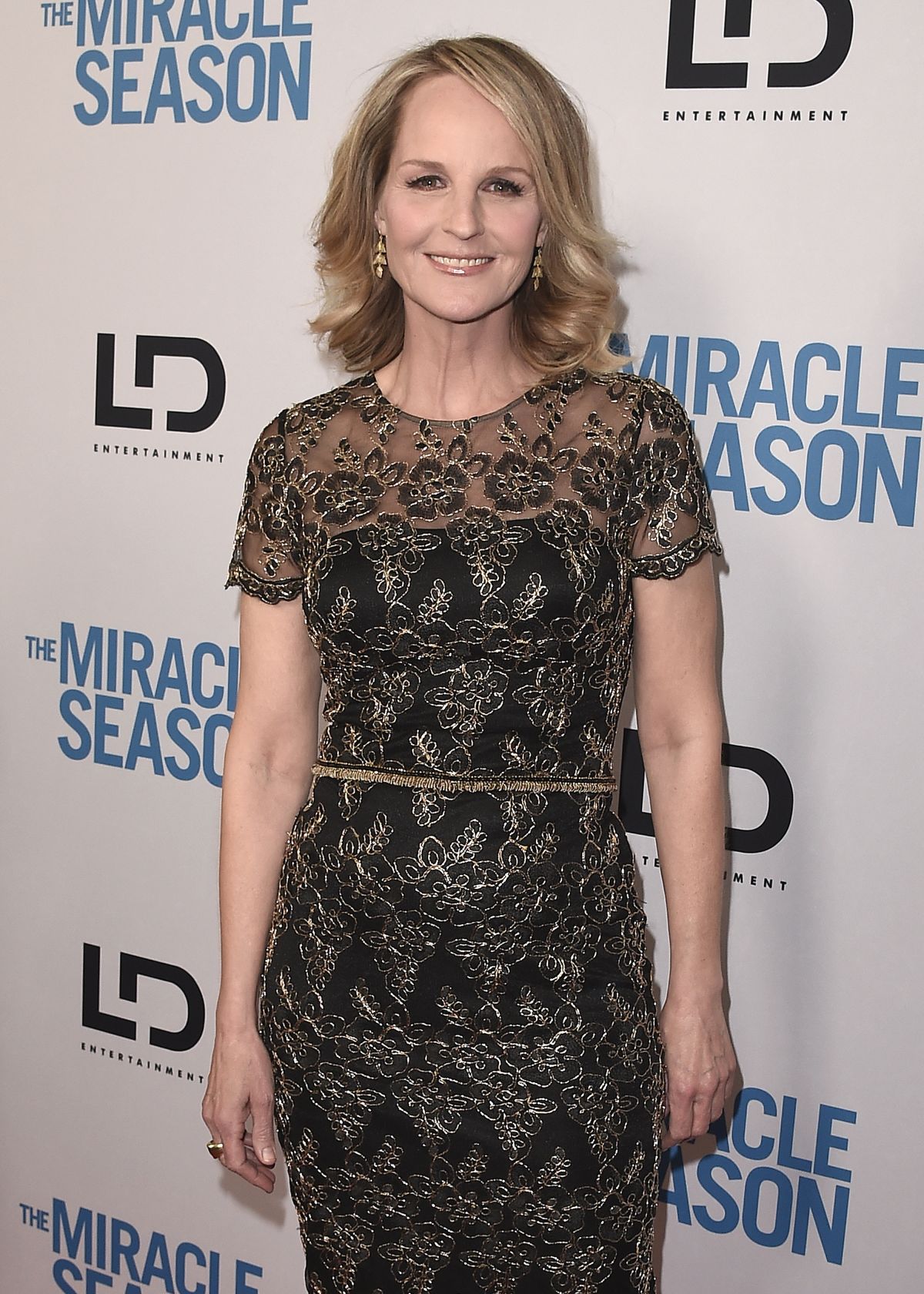
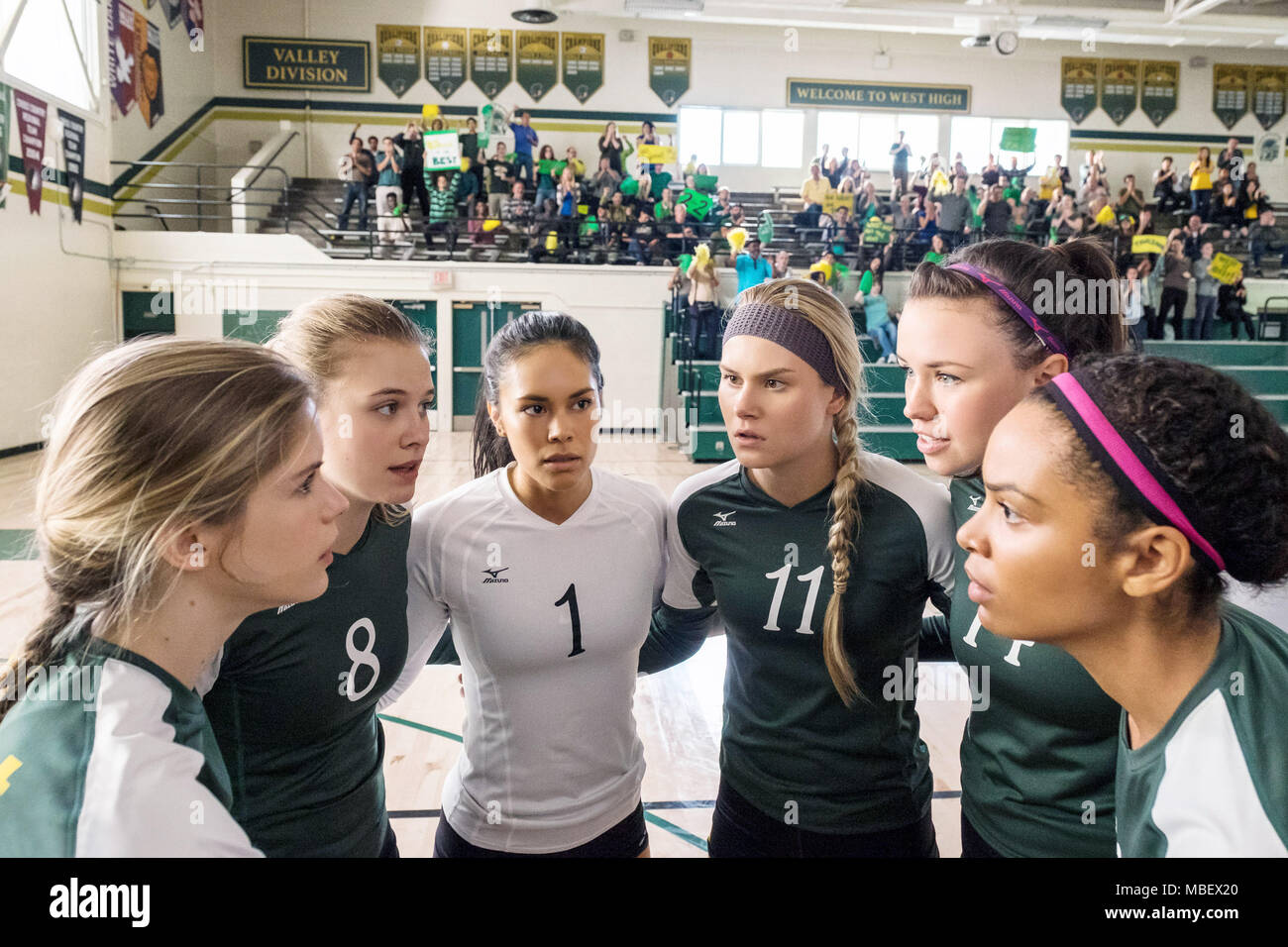
In 2018, director Sean McNamara brought the story to the big screen with The Miracle Season, produced by LD Entertainment and distributed by Mirror Releasing. The screenplay, written by David Aaron Cohen and Elissa Matsueda, aimed to balance accurate sports choreography with an authentic depiction of adolescent grief and community resilience.
The production cast established performers alongside rising stars to anchor the narrative:
- Erin Moriarty as Kelly Fliehler: Captures the internal conflict and pressure felt by Caroline's best friend as she assumes the starting setter role.
- Helen Hunt as Coach Kathy Bresnahan: Portrays the strict yet deeply compassionate coach tasked with leading grieving teenagers through an athletic campaign.
- William Hurt as Ernie Found: Delivers a subtle performance as Caroline’s grieving father, who finds solace in supporting his daughter’s teammates.
- Danika Yarosh as Caroline "Line" Found: Appears in early scenes and flashback sequences, establishing the exuberant personality that motivated the team’s tribute.
To ensure visual accuracy, the filmmakers recruited professional volleyball players and coaches to coordinate the game sequences. Although the movie was filmed primarily in Vancouver, British Columbia, Canada, rather than Iowa City, the set design meticulous recreated the feel of Midwestern high school gymnasiums, featuring authentic blue-and-green school colors and replicated championship banners.
Real Life vs. Movie Adaptation: Key Differences
While The Miracle Season remains faithful to the emotional arc and core factual outcomes of the 2011 season, dramatic feature films inevitably condense timelines, simplify athletic brackets, and alter character dynamics for visual storytelling.
| Feature / Historical Aspect | Real-Life History (2011) | Movie Adaptation (The Miracle Season) |
|---|---|---|
| Primary Setter Transition | Kelly Fliehler gradually transitioned into the role with extensive practice support. | Portrayed as an immediate, high-pressure choice made directly after Caroline's death. |
| Tournament Progression | West High lost several early-season matches before building a steady winning streak. | Streamlined to depict dramatic, down-to-the-wire victories in nearly every match. |
| Championship Opponent | Defeated West Des Moines Valley in a five-set final in Cedar Rapids. | Retains the championship match context but dramatizes individual play sequences for cinematic tension. |
| Filming Location | Iowa City, Iowa (West High School Gymnasium and local landmarks). | Vancouver, British Columbia, Canada (utilizing local school facilities styled as Iowa City). |
| Role of Ernie Found | Ernie Found was actively present, encouraging the girls and attending matches throughout autumn. | Depicted with an added narrative arc where he initially withdraws before re-engaging with the team. |
| Source Material Basis | Direct news reporting, local accounts, and Kathy Bresnahan's personal records. | Adapted from screenplays inspired by the 2011 season and Bresnahan's book The Miracle Season. |
Understanding these distinctions helps viewers appreciate both the storytelling choices required for cinema and the genuine perseverance exhibited by the 2011 West High team.
Streaming Availability, Literature, and Educational Impact
For audiences looking to engage with this story across media formats, multiple options exist for viewing, reading, and educational distribution.
Film Streaming and Home Media
The Miracle Season is widely available across major digital video-on-demand (VOD) platforms, including Amazon Prime Video, Apple TV, Google Play Movies, and Vudu for rental or purchase. Physical media, including DVD and Blu-ray editions, includes behind-the-scenes featurettes showing interviews with the real Ernie Found, Kathy Bresnahan, and members of the 2011 championship roster.
Recommended Literature
For those seeking an unvarnished account of the season, Coach Kathy Bresnahan authored the book The Miracle Season (published alongside the film's release). The book offers deep operational details about high school coaching strategies, team psychology during loss, and extended recollections of Caroline Found’s childhood that could not fit into a two-hour film.
Key Educational Applications:
- High School Athletic Programs: Used as a case study for team cohesion, sportsmanship, and mental resilience under pressure.
- Counseling & Youth Services: Serves as a discussion starter regarding adolescent grief processing and peer support networks.
- Sports Psychology Seminars: Analyzed for effective leadership techniques during crisis management in team sports.
Frequently Asked Questions
Did Iowa City West High School actually win the state championship in 2011?
Yes. The Iowa City West High School volleyball team won the 2011 Iowa Class 4A State Volleyball Championship by defeating West Des Moines Valley High School in five sets on November 12, 2011, successfully defending their 2010 state title.
What does the phrase "Live Like Line" mean?
"Live Like Line" was a memorial slogan created by friends and community members following the death of Caroline "Line" Found. It encourages individuals to approach daily life with the enthusiasm, friendliness, inclusiveness, and joy that Caroline was known for displaying toward everyone she met.
Where was The Miracle Season filmed?
Despite being set in Iowa City, Iowa, principal photography for the 2018 movie took place in and around Vancouver, British Columbia, Canada. Local Canadian school gymnasiums and sports arenas were adapted to match the colors and layout of Iowa athletic venues.
Did Ernie Found support the production of the film?
Yes. Ernie Found and coach Kathy Bresnahan actively cooperated with the filmmakers, actors, and production crew. They attended promotional screenings, participated in special features for home releases, and supported the film's mission to spread Caroline’s message of kindness and resilience.
Is the movie The Miracle Season suitable for younger viewers?
The Miracle Season is rated PG by the Motion Picture Association (MPA) for thematic elements regarding grief and loss, some sports action, and mild language. It is generally considered suitable for family viewing and middle-school or high-school student-athletes.
How to Apply the Lessons of The Miracle Season
For coaches, athletes, and team leaders, the story of the 2011 Iowa City West Trojans offers clear, practical guidance on maintaining performance and unity during severe adversity:
- Prioritize People Over Performance: Coach Bresnahan’s success stemmed from addressing her players' emotional wellbeing before demanding athletic results. Leaders must acknowledge emotional stress rather than expecting team members to ignore it.
- Focus on Incremental Milestones: When facing overwhelming goals, break long-term objectives down into daily, manageable routines. Replacing a key team member requires step-by-step positional training rather than immediate perfection.
- Establish a Shared Purpose: The "Live Like Line" campaign gave the team an overarching reason to compete that transcended individual wins and losses. Teams perform at their highest levels when anchored to a meaningful, shared values system.