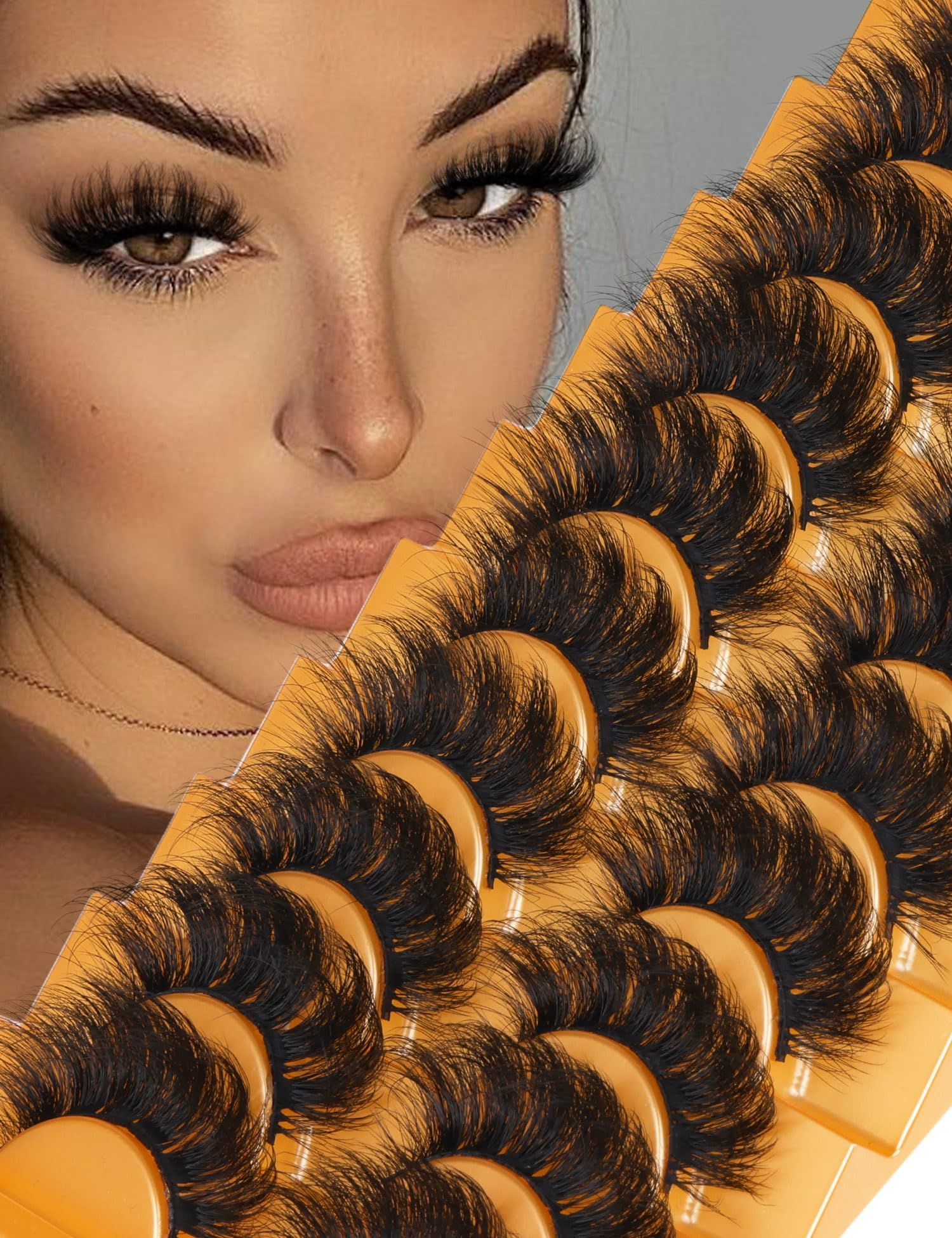
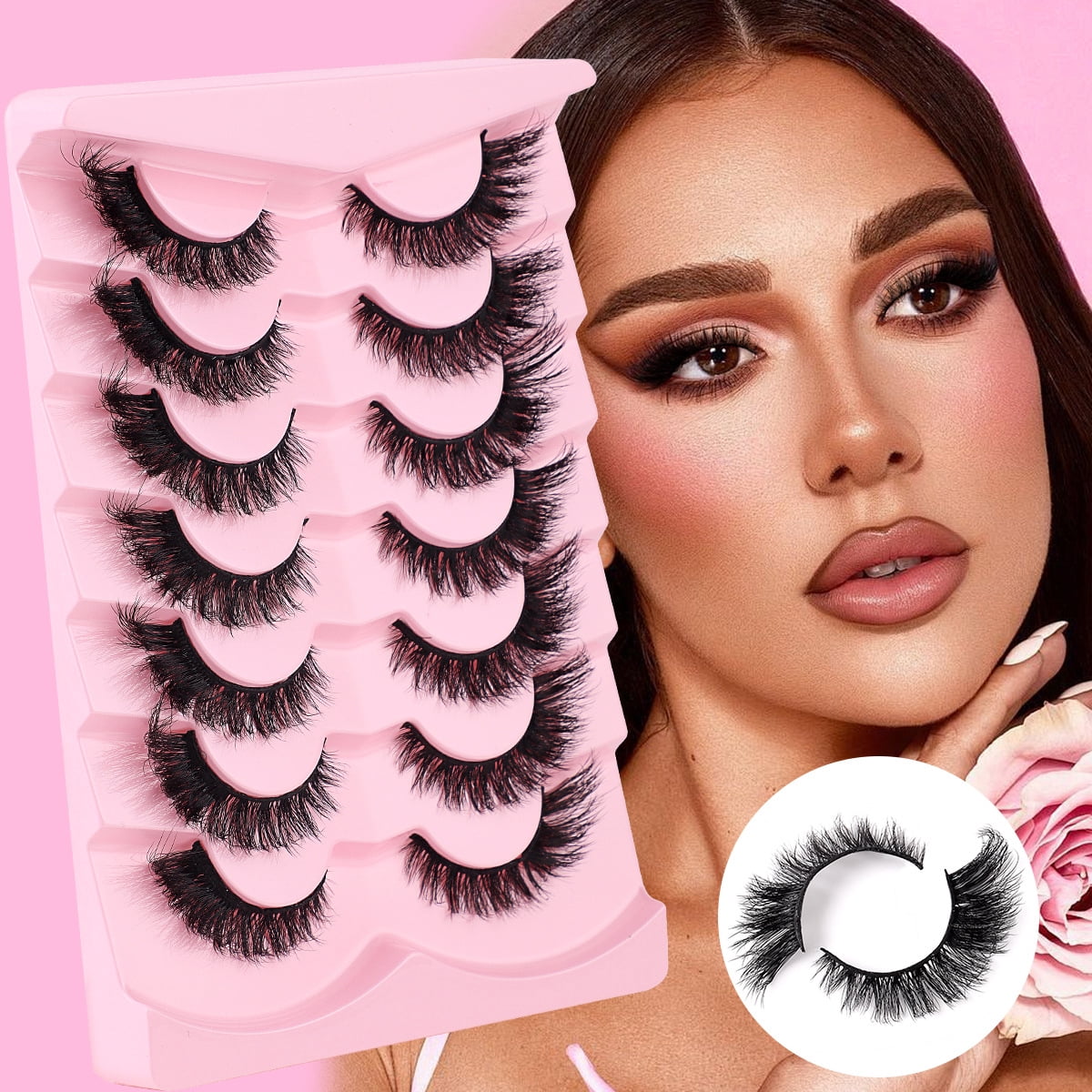
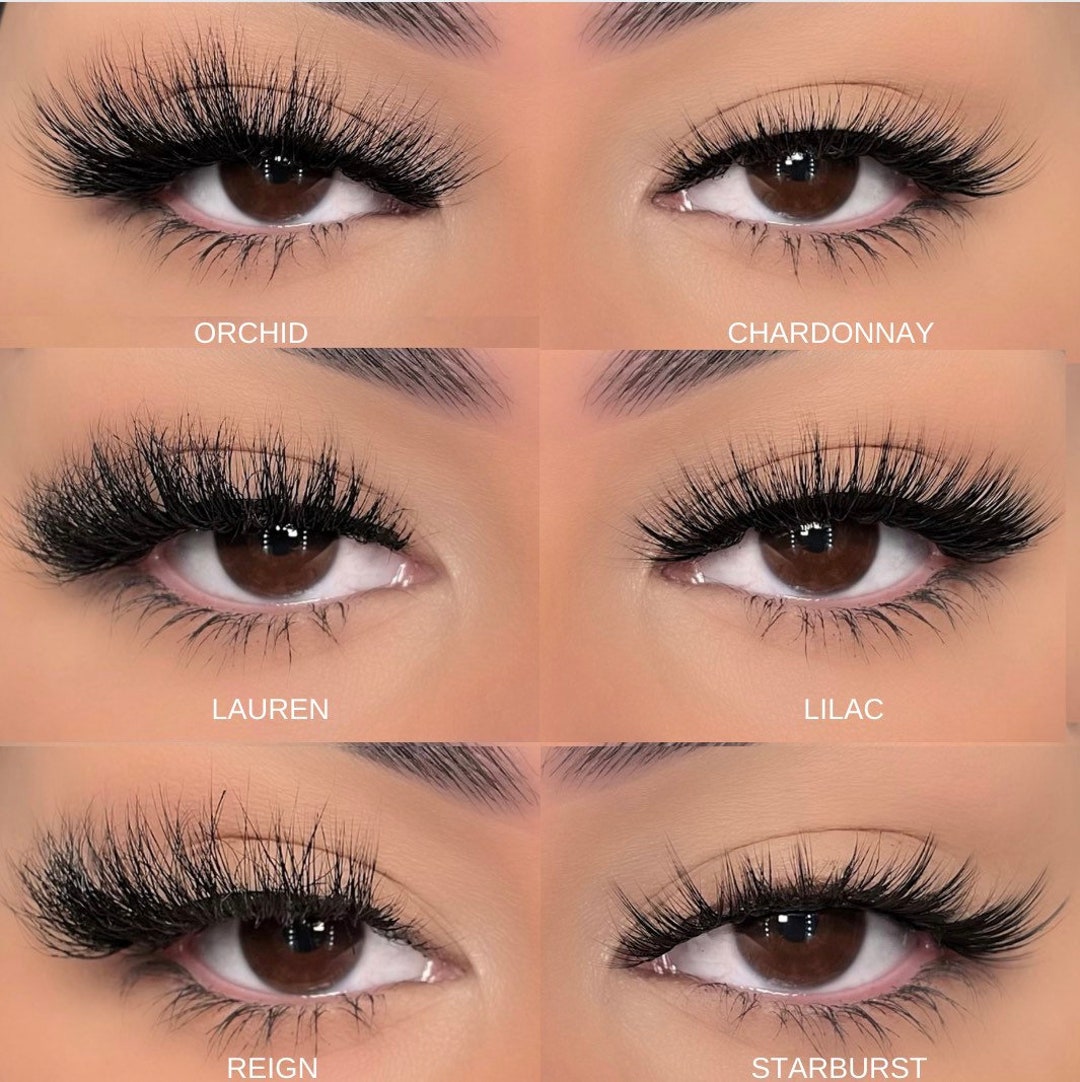
Selecting the best mink eyelashes brands requires evaluating material composition, band flexibility, multi-dimensional layering, and ethical sourcing standards. Premium lash brands offer both authentic mink fur harvested through natural shedding and advanced synthetic polybutylene terephthalate (PBT) faux mink fibers designed to replicate the weightlessness, taper, and subtle sheen of natural hair.
Real Mink vs. Faux Mink: Understanding Material Construction
The false eyelash market distinguishes between authentic Siberian mink fur and engineered faux mink polymers. Understanding these distinctions helps consumers align their aesthetic preferences, functional performance needs, and ethical requirements with the correct product category.
| AUTHENTIC MINK | FAUX MINK |
|---|---|
| - Shed Siberian/Chinese Fur | - Polybutylene Terephthalate |
| - Ultra-Featherweight Profile | - Permanent Heat-Set Curl |
| - Hollow Hair Shaft Structure | - High Water/Humidity Resistance |
| - Subtle Natural Gloss Finish | - Cruelty-Free Synthetic Fiber |
Authentic Mink Fur Attributes
Natural mink fur false eyelashes are constructed using hair shed naturally by Siberian or Chinese minks. The natural hair shaft is inherently hollow, creating a featherlight lash strand that exerts minimal torque or weight on the delicate natural eyelid line. Natural mink fibers feature soft, naturally tapered tips that mimic biological human eyelashes more closely than standard synthetic monofilaments. However, real mink lashes lose their curl when exposed to water or heavy moisture, requiring gentle re-curling with an eyelash curler after washing or exposure to humidity.
Synthetic Faux Mink (PBT) Polymer Construction
Faux mink eyelashes are manufactured using high-grade thermoplastic polymers, most commonly polybutylene terephthalate (PBT). High-end manufacturers taper the synthetic filaments using chemical etching processes to narrow the tip of each fiber, replicating the biological structure of genuine hair. Faux mink holds a permanent, heat-set curl that remains intact even after wet cleaning or extended wear in humid conditions. Advanced PBT fibers offer consistent fiber diameter, intense color saturation (ranging from deep matte black to high-gloss sheen), and certified cruelty-free production.
Essential Quality Criteria for Evaluating Eyelash Brands
When assessing luxury and professional false eyelash brands, industry professionals look beyond initial appearance. Structural integrity and wearability depend on four primary engineering factors:
- Band Flexibility and Material: The lash band serves as the structural base anchored to the eyelid. Premium brands utilize handcrafted, pre-curved cotton bands or clear flexible polymer bands. Flexible cotton bands conform smoothly to natural eye contours without popping up at the inner or outer corners, while clear bands offer an invisible baseline for natural, eyeliner-free makeup looks.
- 3D Multi-Layered Dimension: High-quality mink lashes are assembled using a 3D or 5D technique, where lash strands are stacked across multiple staggered layers on the band. This multi-tiered construction creates dimensional depth, shadow, and natural volume, contrasting sharply with cheap, single-layer flat lashes.
- Fiber Tapering and Tip Refinement: The visual realism of any lash depends on the length and taper ratio of the tip. Precision chemical etching on faux mink creates ultra-fine points (often down to 0.03mm–0.07mm at the tip), while unrefined budget lashes feature blunt, cut off ends that look artificial.
- Reusability and Structural Durability: High-grade adhesive bonding at the lash band allows premium strip lashes to withstand repeated applications. Quality authentic mink lashes can withstand 25 to 30 uses with proper care, while high-grade faux mink options typically handle 15 to 20 wear cycles before the band loses structure or fibers shed.
Leading Mink and Faux Mink Eyelash Brands
The false eyelash industry includes dedicated luxury lash houses, professional artist brands, and accessible drugstore innovators. The following major brands represent the benchmark standards in volume, comfort, band engineering, and product consistency.
Lilly Lashes
Lilly Lashes is widely recognized for popularizing high-volume 3D mink and 3D faux mink lashes in the luxury beauty category. Founded by Lilly Ghalichi, the brand specialized in dramatic, full-density styles designed for camera work, editorial shoots, and heavy glamour aesthetics.
- Signature Line: The "3D Mink" collection (notably styles like Miami and Mykonos) introduced multi-dimensional stacking that creates dramatic crisscross volume.
- Band Engineering: Features a thicker, reinforced black cotton band designed to hold heavy fiber density and retain its curved shape over 25+ reuses.
- Faux Mink Transition: Offers a dedicated 3D Faux Mink line that duplicates the volume, length, and multi-layered appearance of their original real mink designs using high-grade PBT synthetic fibers.
Velour Beauty
Velour Beauty focuses heavily on comfort, natural-to-glam versatility, and innovative lash application technology. The brand pioneered hybrid lash designs and has led a strong industry shift toward 100% vegan and cruelty-free materials.
- Signature Line: The Effortless Collection offers pre-trimmed lash bands designed for quick application without measuring or trimming, making them ideal for everyday wear and beginners.
- Band Engineering: Employs an ultra-flexible, soft thread band that reduces inner-corner poking and weight on the eyelid.
- Material Focus: Velour has transitioned its product lines away from real mink to focus on high-performance faux mink and vegan silk fibers that match the softness of natural hair without animal harvesting.
House of Lashes
House of Lashes is an established favorite among professional makeup artists, known for dense fiber grouping, structural integrity, and sustainable packaging.
- Signature Line: The Iconic and Iconic Lite collections feature a distinct crisscross pattern that provides structural lift to the outer corners of the eye.
- Band Engineering: Built on a sturdy, handcrafted cotton band that delivers exceptional durability across repeated wear cycles.
- Material Focus: Primarily utilizes eco-friendly synthetic fibers and cruelty-free faux mink formulations designed for maximum reusability.
Ardell
Ardell is a global beauty retail leader that brought faux mink technology to the mass drugstore market, making multi-dimensional lash styles accessible at an affordable price point.
- Signature Line: The Ardell Faux Mink series (including styles like 3D Faux Mink 854 and Demi Wispies Faux Mink) replicates high-end multi-layer feathering.
- Band Engineering: Utilizes the proprietary Invisiband technology—a clear, ultra-thin polymer band that blends seamlessly into the natural lash line without requiring dark eyeliner.
- Material Focus: 100% synthetic, soft PBT fibers tapered to fine points, offering lightweight wear at an accessible price point.
Huda Beauty
Created by beauty influencer and entrepreneur Huda Kattan, Huda Beauty offers dramatic, complex lash styles tailored for full-coverage makeup looks and bold editorial concepts.
- Signature Line: The Faux Mink Lash collection (including styles like Noelle and Farah) features dense, double-layered crisscross patterning.
- Band Engineering: Uses a slightly firm, contoured black band designed to hold complex fiber structures and support dramatic eye looks.
- Material Focus: Synthetic hand-knotted fibers engineered to maximize drama, volume, and length while maintaining synthetic durability.
Brand Comparison: Specifications and Performance Metrics
The following matrix compares key specifications across leading mink and faux mink eyelash brands to guide purchasing decisions based on material, band design, wear count, and ideal application.
| Brand | Primary Material Options | Band Construction | Estimated Reusability | Target Price Tier | Best Use Case / Style |
|---|---|---|---|---|---|
| Lilly Lashes | Authentic 3D Mink & 3D Faux Mink | Thick Contoured Black Cotton | 25+ Wears | Premium / Luxury | High-drama, full glamour, photo shoots |
| Velour Beauty | Faux Mink & Vegan Silk Fibers | Soft Thread / Ultra-Flexible | 20+ Wears | Premium / Mid-To-High | Natural-to-medium glam, everyday comfort |
| House of Lashes | Synthetic Faux Mink & Silk | Handcrafted Sturdy Cotton | 15–20 Wears | Mid-Range | Structured flare, cat-eye lift, durability |
| Ardell | Synthetic Faux Mink Polymer | Clear Invisiband Flex-Polymer | 5–10 Wears | Mass Market / Budget | Seamless everyday wear, clear baseline |
| Huda Beauty | Synthetic Hand-Knotted Faux Mink | Reinforced Black Synthetic | 12–15 Wears | Premium / Mid-To-High | Dense volume, dramatic night looks |
How to Select the Right Lash Style for Your Eye Shape
Achieving a comfortable fit and flattering look requires matching the visual distribution of the lash fibers to your biological eye shape.
Almond Eyes: Most Lash Styles / Versatile
Round Eyes: Fluttery, Winged Outer Corners
Hooded Eyes: Fluttery Center, Gradual Taper
Monolid Eyes: Crisscross Layering, Medium Density
Downturned Eyes: Cat-Eye Flare, Corner Uplift
Almond Eyes: Almond-shaped eyes suit almost any lash profile. To emphasize the natural symmetry, select a style with evenly distributed length across the entire band or a soft outer-corner flare.
Round Eyes: To elongate round eyes and create a soft almond illusion, choose fluttery, winged cat-eye styles. Look for lashes where the inner fibers are short (6mm–8mm) and taper outward to longer fibers (12mm–14mm) at the outer edge.
Hooded Eyes: Hooded eyelids feature excess skin folding over the natural crease, which can weigh down dense, heavy lashes. Choose styles with longer fibers concentrated directly over the center of the pupil to visually open up the eye space, avoiding overly thick black bands.
Monolid Eyes: Monolids lack a deep eyelid crease and benefit from multi-layered 3D/5D crisscross lash structures. Lashes with fluttery, delicate lengths provide depth without overwhelming the lid space.
Downturned Eyes: To lift downturned outer corners, select lashes with a sharp, accentuated cat-eye flare that concentrates length and volume upward at the outer edges.
Proper Application and Maintenance Protocols
Extending the usable lifespan of premium mink or faux mink strip lashes requires correct application technique and routine maintenance after each wear.
- Measure & Trim: Cut from outer edge to fit eye width
- Apply Adhesive: Wait 20-30s until tacky before placing
- Gentle Removal: Pull softly from outer corner inward
- Peel Glue Residual: Remove dry adhesive using fine tweezers
- Fiber Cleaning: Clean band with 99% isopropyl alcohol
- Storage: Store in original curved tray
Application Procedure
- Measure and Trim: Place the un-glued strip lash against your natural lash line. If the strip extends beyond your outer eye corner, use small cuticle scissors to trim the excess length from the outer edge of the band. Trimming from the inner edge disrupts the delicate gradient of short inner fibers.
- Soften the Band: Wrap the trimmed lash strip around a makeup brush handle for 10 seconds to loosen the band memory, allowing it to curve easily along the lid.
- Apply Adhesive Correctly: Brush a thin layer of latex or latex-free lash adhesive along the band. Pay special attention to adding a small extra dot of glue to the innermost and outermost tips.
- Wait for Tacking: Allow the adhesive to dry for 20 to 30 seconds until sticky and tacky. Applying wet, runny glue directly to the eyelid causes slippage and mess.
- Anchor and Secure: Place the strip onto the center of the lid right above the biological lash line using tweezers or a lash applicator tool. Once the center is attached, secure the inner and outer corners firmly against the skin.
Cleaning and Storage Protocol
To maximize reusability across 15 to 30 wear cycles, follow this maintenance routine after removing the lashes:
- Glue Removal: Hold the lash band firmly between your fingers and use fine-tipped tweezers to pull off dry, gummy adhesive residue. Never pull on the individual lash fibers, as this will tear them away from the band.
- Band Sanitization: Saturate a cotton swab with 99% isopropyl alcohol or oil-free micellar water and gently wipe along the cotton or clear band to remove skin oils and residual makeup.
- Avoid Submerging Real Mink: Never soak authentic mink lashes in water, alcohol, or liquid brush cleaners. Soaking real mink fur dissolves its natural texture, destroys the fiber curl, and weakens the hand-knotted band adhesive.
- Fiber Brushing: Use a clean, dry spoolie brush to comb through the fibers, maintaining fluffiness and fiber alignment.
- Storage: Store the cleaned lashes in their original acrylic tray to preserve the curved shape of the band and protect the tapered tips from crushed edges inside makeup bags.
Frequently Asked Questions
What is the difference between real mink and faux mink eyelashes?
Real mink eyelashes are crafted from shed Siberian or Chinese mink fur, offering an ultra-lightweight, hollow-fiber texture with natural tapered ends that mimic biological human hair. Faux mink eyelashes are manufactured from synthetic polymers like polybutylene terephthalate (PBT), engineered to replicate the weight, tip taper, and soft feel of natural mink while offering heat-set curl retention, water resistance, and certified cruelty-free production.
Can authentic mink lashes get wet?
Authentic mink lashes should not be submerged in water or cleaned with liquid-heavy solutions. Because real mink consists of natural animal fur, exposure to water causes the hair shafts to lose their heat-set curl and crisp texture, often leaving the hair limp or straight. If real mink lashes come into contact with moisture, let them air-dry completely and use an eyelash curler to gently reshape the hair fibers.
How many times can you reuse luxury mink eyelashes?
High-end authentic mink eyelashes can be reused 25 to 30 times if cleaned properly and stored in their original curved tray after every use. Premium faux mink lashes constructed with reinforced cotton bands typically handle 15 to 20 wear cycles, while budget synthetic faux mink options with ultra-thin plastic bands generally last between 5 and 10 applications.
Is real mink eyelash production cruelty-free?
While manufacturers of authentic mink lashes often state that their fur is collected by brushing live Siberian or Chinese minks during natural shedding cycles, third-party animal welfare organizations like PETA caution that commercial mink farming involves captive animal housing. Consumers seeking guaranteed cruelty-free products should look for brands certified by Leaping Bunny or PETA, which utilize 100% synthetic PBT faux mink fibers.
How do clear lash bands compare to black cotton lash bands?
Clear polymer lash bands (such as Ardell's Invisiband) are ideal for minimalist, natural makeup looks because they create an invisible baseline along the eyelid without requiring black eyeliner. Black cotton lash bands offer superior structural support, higher reusability, and greater flexibility for dense, multi-layered 3D or 5D volume styles, though they usually require a swipe of eyeliner to blend seamlessly into the eye look.
Practical Selection Framework for Buyers
When selecting a mink or faux mink eyelash brand, apply this target decision matrix:
- For Everyday Wear & Fast Application: Prioritize brands featuring flexible clear bands or pre-trimmed bands, such as Velour Beauty (Effortless Line) or Ardell Faux Mink. These require minimal fitting and blend seamlessly into casual makeup looks.
- For High Glamour, Weddings, & Photography: Choose brands engineered with heavy 3D stacking and structured black cotton bands, such as Lilly Lashes or Huda Beauty. These styles hold their shape under intense studio lighting and match full-coverage eye looks.
- For Sensitive Eyes & Cruelty-Free Priorities: Opt for 100% PBT synthetic faux mink formulations from certified vegan brands. Ensure the adhesive used is latex-free and formaldehyde-free to prevent eyelid inflammation.
- For Long-Term Value: Invest in luxury faux mink options built on durable, hand-knotted cotton bands (House of Lashes, Velour). While the upfront cost is higher ($20–$30), their ability to withstand 20+ reuses lowers the overall cost per wear compared to single-use options.