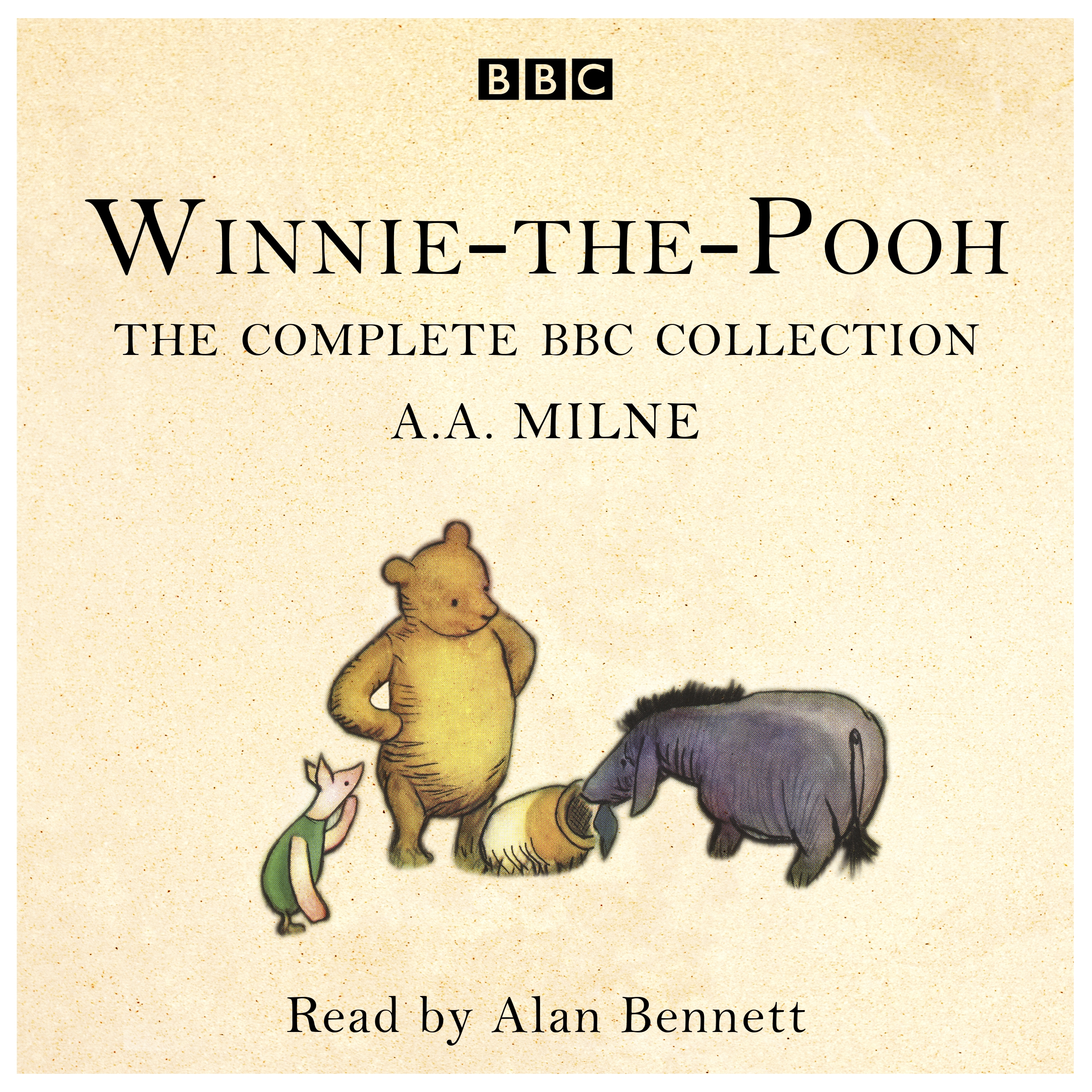
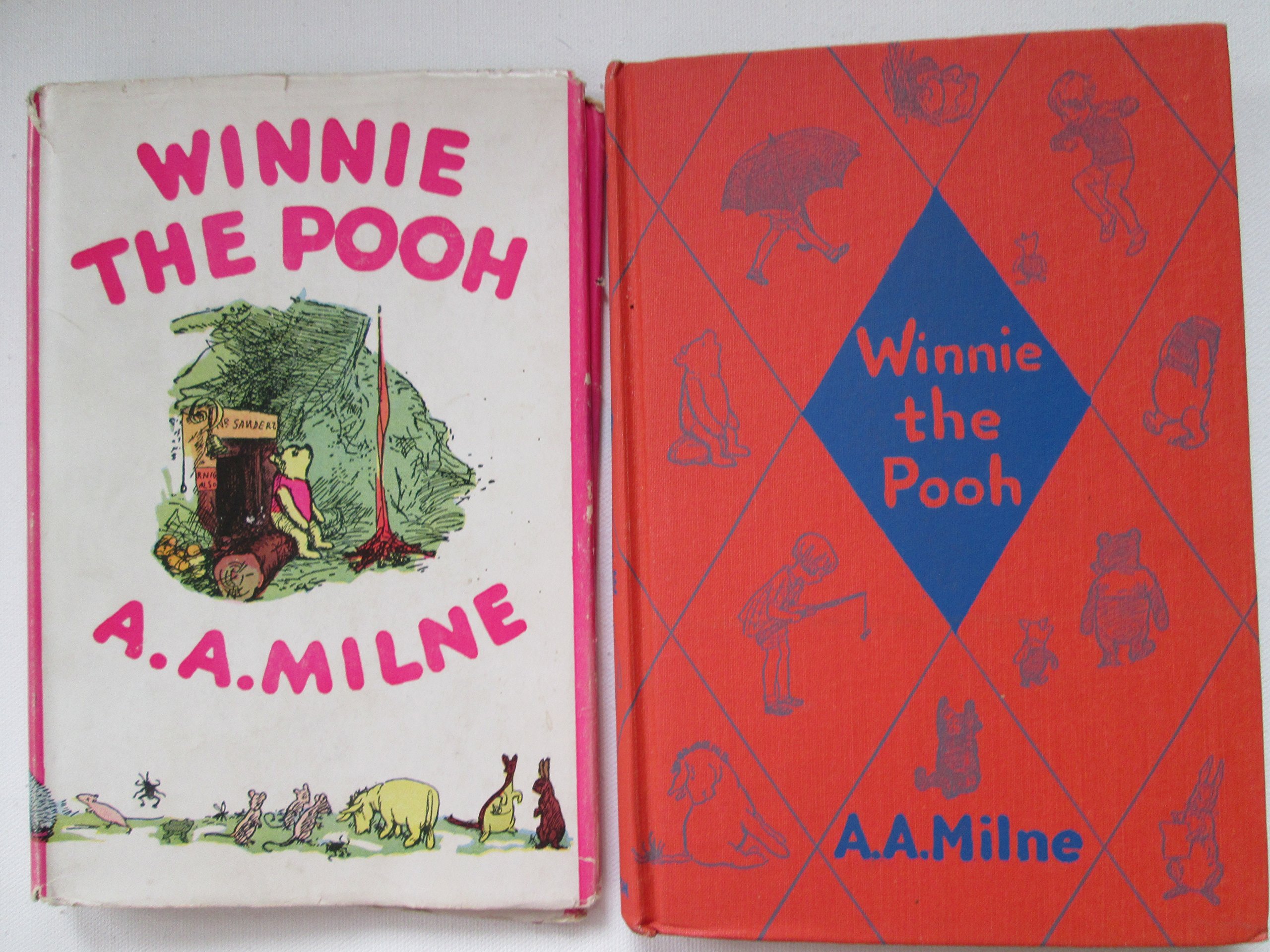
A. A. Milne (1882–1956) was a prolific British author, playwright, and essayist best known for creating the beloved character Winnie-the-Pooh. While his children's stories achieved global immortality, his extensive career included serving as an assistant editor for Punch magazine, writing successful West End plays, and crafting one of the most influential detective novels of the Golden Age.
The Formative Years and Educational Background
Alan Alexander Milne was born on January 18, 1882, in Kilburn, London. He grew up in a household where education and intellectual curiosity were paramount. His father, John Vine Milne, ran Henley House School, a small independent school for boys. One of the most notable influences during his early education was his teacher, H. G. Wells, who taught at the school between 1889 and 1890. This early exposure to one of the giants of science fiction and social commentary likely spurred Milne's own literary ambitions.
Milne attended Westminster School and later Trinity College, Cambridge, on a mathematics scholarship. However, his interests quickly pivoted from equations to the written word. While at Cambridge, he edited and wrote for the student magazine Granta. His contributions caught the eye of the London literary establishment, specifically the satirical magazine Punch. By 1906, at the age of 24, Milne had joined the staff of Punch as an assistant editor, a position he held until the outbreak of World War I. During this period, he established himself as a master of the "light essay"—brief, witty, and observational pieces that captured the nuances of Edwardian life.
Military Service and the Transition to Playwriting
The trajectory of Milne’s life was significantly altered by World War I. Despite his later pacifist leanings, he served as an officer in the Royal Warwickshire Regiment. He saw action as a signaling officer, most notably during the Battle of the Somme in 1916. His experiences in the trenches left a lasting mark on his psyche, leading him to eventually write Peace with Honour (1934), a plea for pacifism that was both controversial and deeply personal.
During his recovery from a bout of trench fever, Milne began to focus more seriously on playwriting. His theatrical career flourished in the 1920s. Plays such as Mr. Pim Passes By (1919) and The Dover Road (1921) were major successes on both the London and New York stages. At this time, Milne was considered one of Britain's premier playwrights, known for his sparkling dialogue and lighthearted social comedy. It is a poignant irony of his career that this success is now largely overshadowed by a "silly old bear."
The Genesis of the Hundred Acre Wood
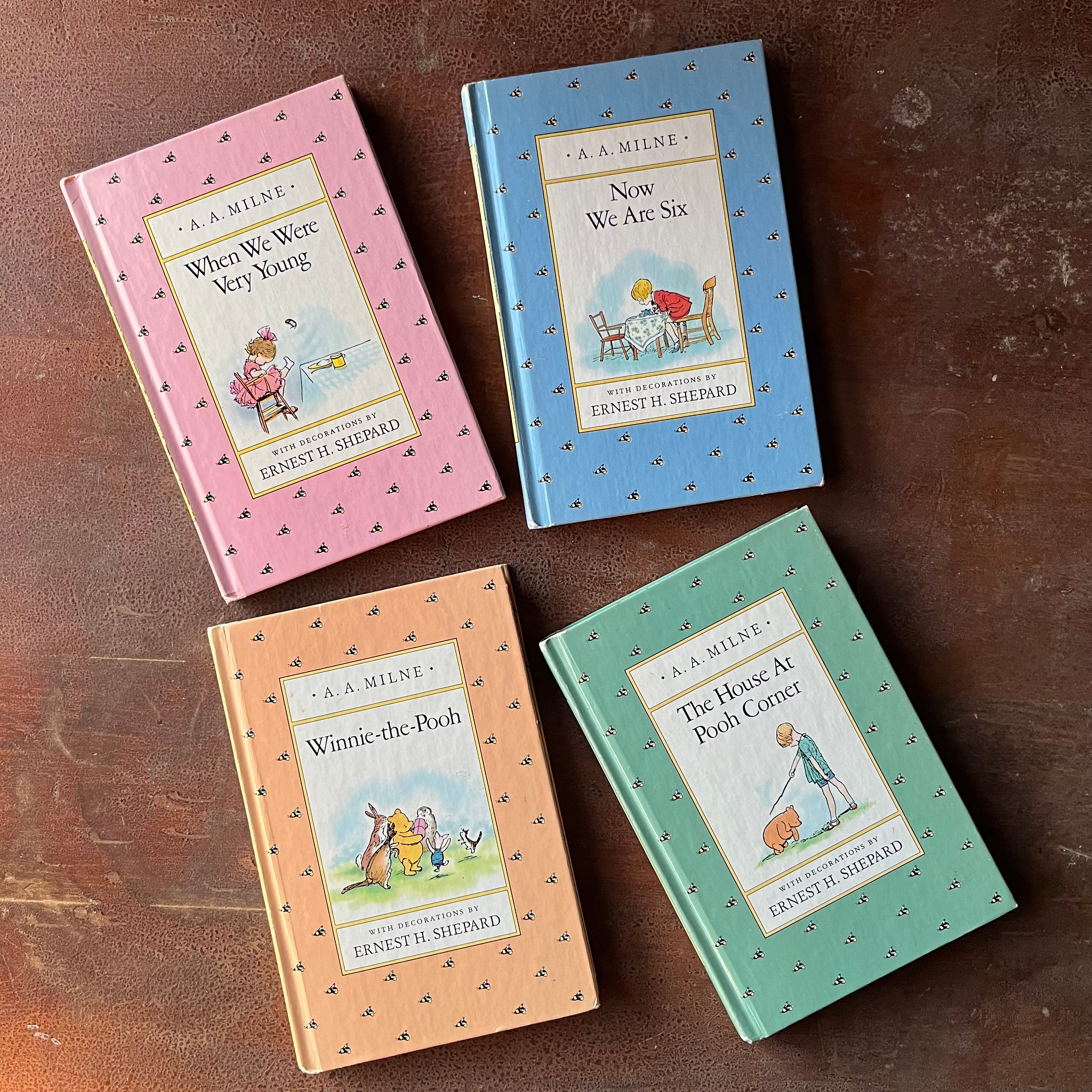
The creation of Winnie-the-Pooh was not a calculated move to dominate children's literature, but rather a series of spontaneous creative acts inspired by his son, Christopher Robin Milne (born 1920). It began with a poem, "Vespers," published in Punch in 1923, which featured a young boy saying his prayers. This was followed by the poetry collection When We Were Very Young (1924).
The characters that inhabit the Hundred Acre Wood were based on Christopher Robin’s actual nursery toys. The real-life inspirations included:
- Winnie-the-Pooh: A Canadian black bear named "Winnipeg" at the London Zoo and a stuffed bear bought at Harrods.
- Piglet: A small stuffed pig given to Christopher Robin by a neighbor.
- Eeyore: A donkey with a detachable tail that had lost its "perkiness."
- Tigger and Kanga/Roo: Later additions to the nursery collection.
The setting of the stories was based on Ashdown Forest in East Sussex, near the Milnes' country home, Cotchford Farm. Landmarks in the books, such as the "Galleons Lap" (Gill's Lap) and the "Poohsticks Bridge," are real locations that fans continue to visit in 2026.
Collaboration with E. H. Shepard
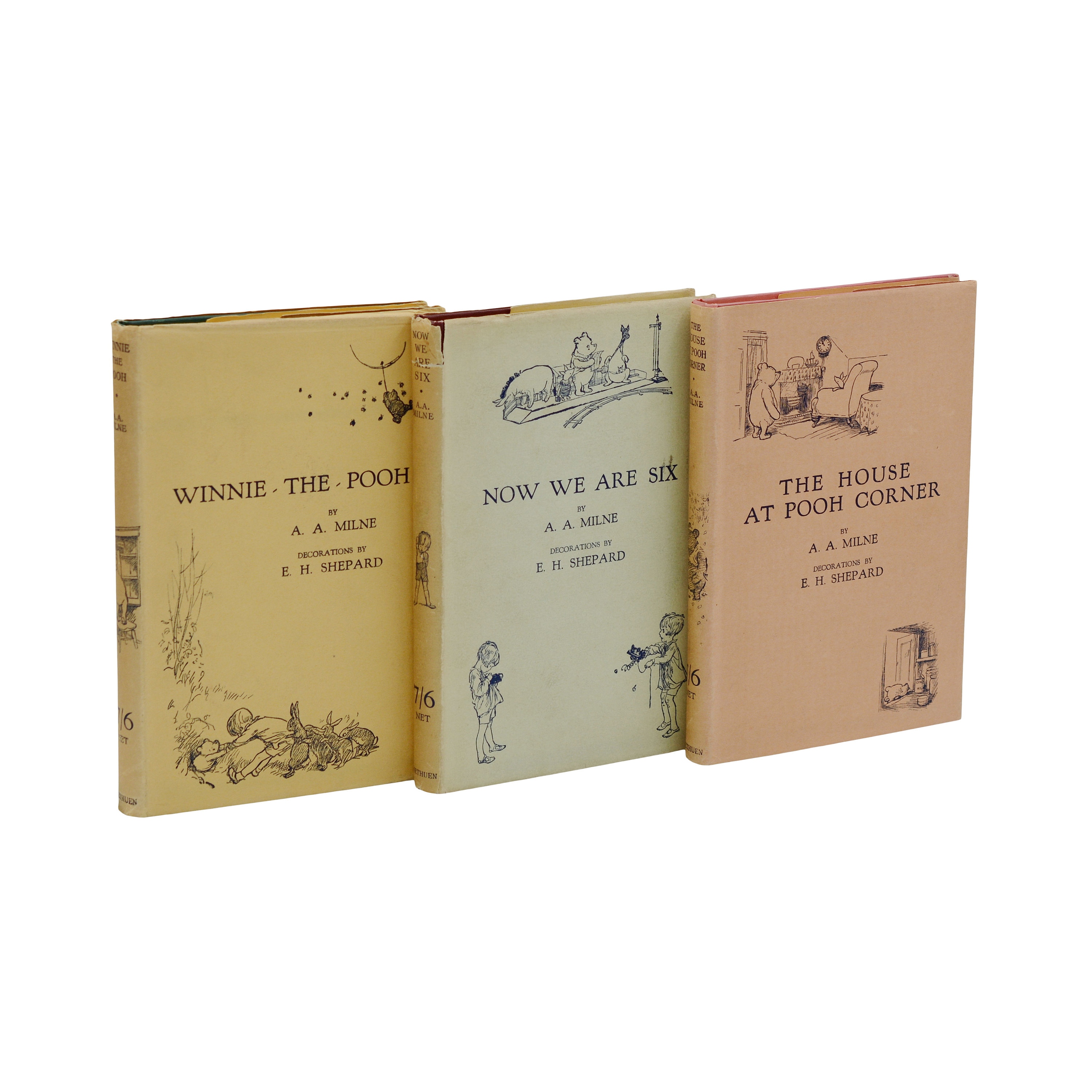
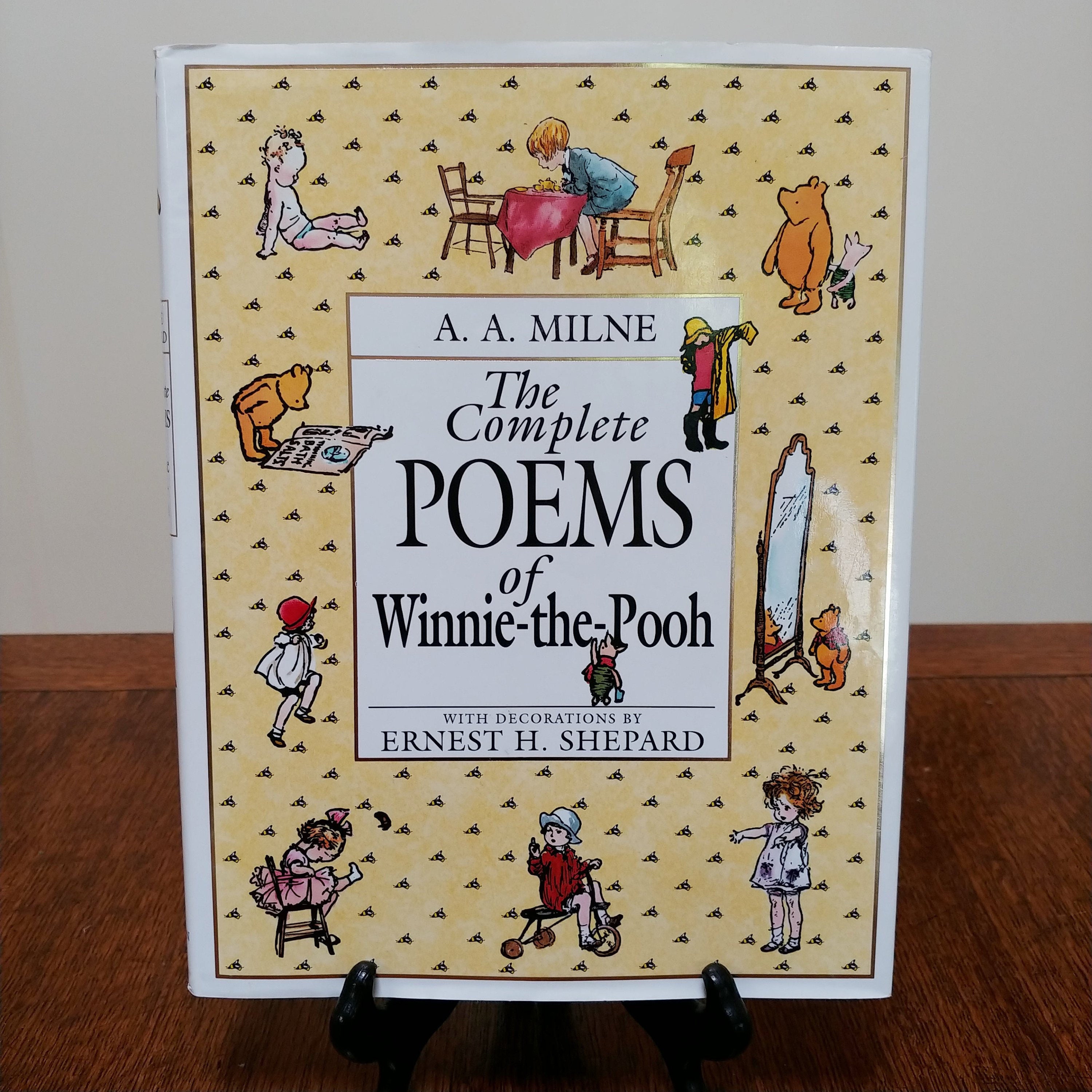
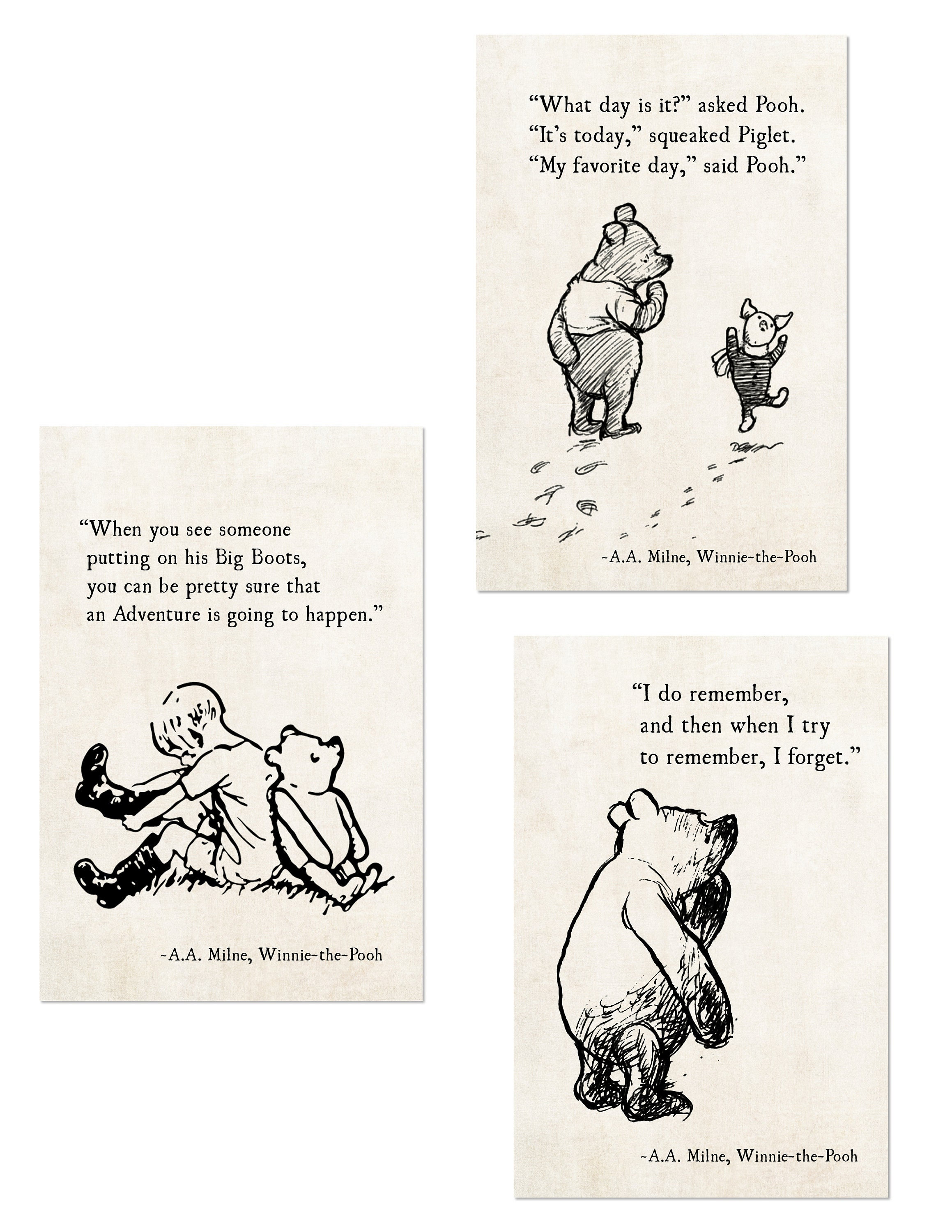
One cannot discuss A. A. Milne without acknowledging the contribution of illustrator Ernest Howard (E. H.) Shepard. Shepard was a fellow staff member at Punch and was initially met with some skepticism from Milne, who feared Shepard’s style was too "cartoonish." However, Shepard’s delicate line drawings perfectly captured the whimsical yet grounded nature of the characters.
Shepard did not just draw the toys; he traveled to Ashdown Forest to capture the specific flora and light of the landscape. His illustrations became so synonymous with the text that they are often referred to as the "definitive" visual representation of Pooh, distinct from the later Disney adaptations. The partnership remains one of the most successful author-illustrator collaborations in history, comparable to Lewis Carroll and John Tenniel.
Beyond the Bear: Versatility and Frustration
While the world embraced Pooh, Milne began to feel the "suffocating" success of his children's books. He was a man of diverse talents who felt pigeonholed. In 1922, he wrote The Red House Mystery, which remains a classic of the "locked-room" detective genre. Alexander Woollcott famously called it "one of the three best mystery stories of all time."
Milne’s body of work is surprisingly vast and varied. Below is a comparison of his primary literary outputs:
| Work Type | Notable Example | Primary Themes | Target Audience |
|---|---|---|---|
| Poetry | When We Were Very Young (1924) | Childhood innocence, imagination | Children/Families |
| Children's Prose | Winnie-the-Pooh (1926) | Friendship, gentle philosophy, nature | Children/General |
| Detective Fiction | The Red House Mystery (1922) | Logic, amateur sleuthing, country house life | Adults |
| Drama/Plays | Mr. Pim Passes By (1919) | Social manners, coincidence, humor | Adult Theatergoers |
| Non-Fiction | Peace with Honour (1934) | Pacifism, anti-war sentiment, ethics | Political/Intellectual |
| Autobiography | It's Too Late Now (1939) | Reflection, career struggles, identity | General Readers |
Despite this range, the public demand for more Pooh was relentless. This created a strained dynamic, not only for A. A. Milne but also for his son, Christopher Robin, who struggled with the fame and the "eternal childhood" projected upon him by the public.
The Long-Term Cultural Impact and the Disney Era
A. A. Milne passed away in 1956, but the commercial life of his characters took a significant turn in 1961 when his widow, Daphne Milne, sold the film rights to Walt Disney. This led to the creation of the animated "Winnie the Pooh" franchise, which introduced the characters to a massive global audience but also altered the aesthetic and tone of the original works—most notably by adding the "red shirt" to Pooh and introducing Gopher, a character Milne never wrote.
In the current era of 2026, the status of Milne’s work has transitioned significantly. The original 1926 Winnie-the-Pooh entered the public domain in the United States in 2022, followed by The House at Pooh Corner in 2024. This has allowed for a resurgence of independent adaptations, ranging from horror films to new literary sequels, while the Shepard illustrations and the "classic" text remain benchmarks of British literary heritage.
Common Misconceptions About A. A. Milne
It is often incorrectly assumed that Milne was primarily a children's author throughout his life. In reality, the four "Pooh" books (two poetry, two prose) represent only a tiny fraction of his published output. He wrote over 25 plays and several novels for adults.
Another misconception is the origin of the name "Winnie." Many assume it is a nickname for Winston (as in Churchill), but it was actually named after Winnipeg, a bear the Milne family visited at the London Zoo. The "Pooh" part was originally the name of a swan that Christopher Robin fed while on holiday.
Who was the inspiration for Christopher Robin?
The character was directly inspired by Milne’s only son, Christopher Robin Milne. While the boy in the books is a fictionalized version, he shared the same name and the same stuffed animals. Christopher Robin Milne later wrote his own memoirs, such as The Enchanted Places, detailing the complexities of growing up as the inspiration for a world-famous literary character.
What is A. A. Milne's most famous book?
Winnie-the-Pooh, published in 1926, is his most famous work. It introduced the central cast of characters and the episodic storytelling style that defined the series. However, the poetry collection When We Were Very Young was actually his first major success in the children's genre, selling over 50,000 copies in its first year.
Did A. A. Milne write anything for adults?
Yes, the majority of his career was dedicated to adult audiences. He was a highly successful playwright, an essayist for Punch, and the author of The Red House Mystery, a seminal detective novel. He also wrote an autobiography titled It's Too Late Now, which provides insight into his feelings about his literary career.
Where is the Hundred Acre Wood located?
The Hundred Acre Wood is a fictionalized version of Ashdown Forest in East Sussex, England. Specifically, the Five Hundred Acre Wood within Ashdown Forest served as the primary inspiration. Many of the specific locations described in the books, like the "Heffalump Trap" and "North Pole," are based on real landmarks within that forest.
How did A. A. Milne die?
A. A. Milne suffered from a stroke in 1952 which left him largely an invalid for the remainder of his life. He passed away on January 31, 1956, at his home, Cotchford Farm, at the age of 74.
Exploring the Works of A. A. Milne Today
For readers in 2026 wishing to experience the breadth of Milne’s talent, it is recommended to look beyond the Disney adaptations and return to the original texts. The four children's books remain masterclasses in linguistic economy and "gentle" philosophy. However, to truly understand the man, one should seek out The Red House Mystery for a taste of his logical precision or his collected essays from Punch for his wit.
For those interested in the historical and geographical context, a visit to the Ashdown Forest remains a vital "next step." The forest's conservation efforts ensure that the landscape remains remarkably similar to how it appeared in the 1920s, allowing visitors to walk the same paths that inspired some of the most enduring stories in the English language.