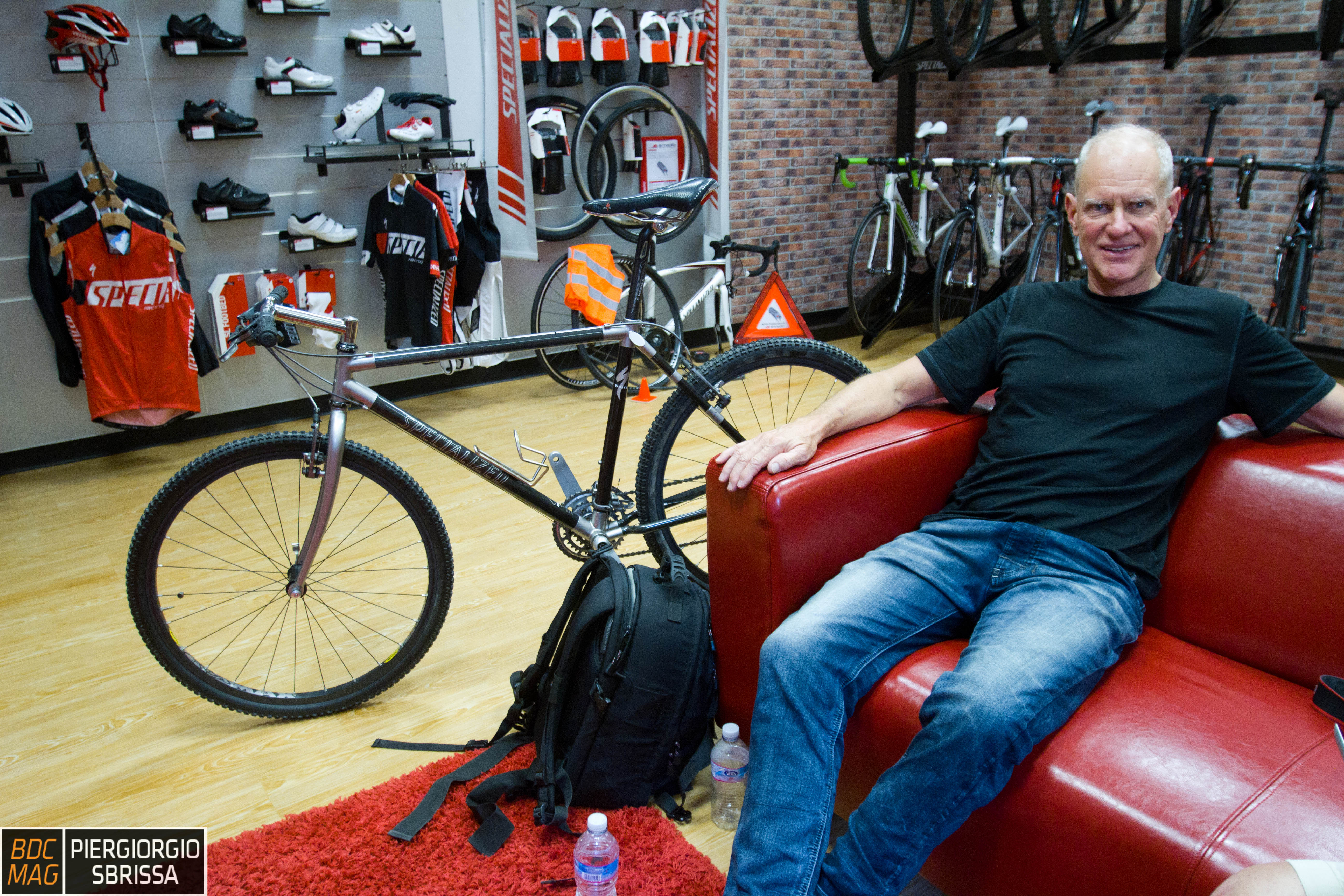
Mike Sinyard’s estimated net worth ranges between $200 million and $400 million. The primary driver of his fortune is his controlling 51% equity stake in Specialized Bicycle Components, the global cycling enterprise he founded in 1974. Taiwan-based Merida Industry Co., Ltd. holds the remaining 49% stake, following a strategic recapitalization deal in 2001.
The Founding Era: From a $1,500 VW Bus to a Global Brand
Mike Sinyard’s financial journey began with a modest capital base. In 1974, after graduating from San Jose State University, Sinyard sold his Volkswagen Westfalia camper van for $1,500 to finance a bicycle tour across Europe. During this trip, he forged relationships with premier Italian component manufacturers, including Cinelli and Campagnolo, who were looking to expand their distribution footprint in the North American market.
Recognizing an underserved supply chain in the United States, Sinyard used his remaining cash to purchase high-end Italian bike parts and imported them back to California. Operating out of a trailer, he resold these components to local bike shops, launching Specialized Bicycle Components as an import business. In its first year of operation, the venture generated approximately $64,000 in gross revenue.
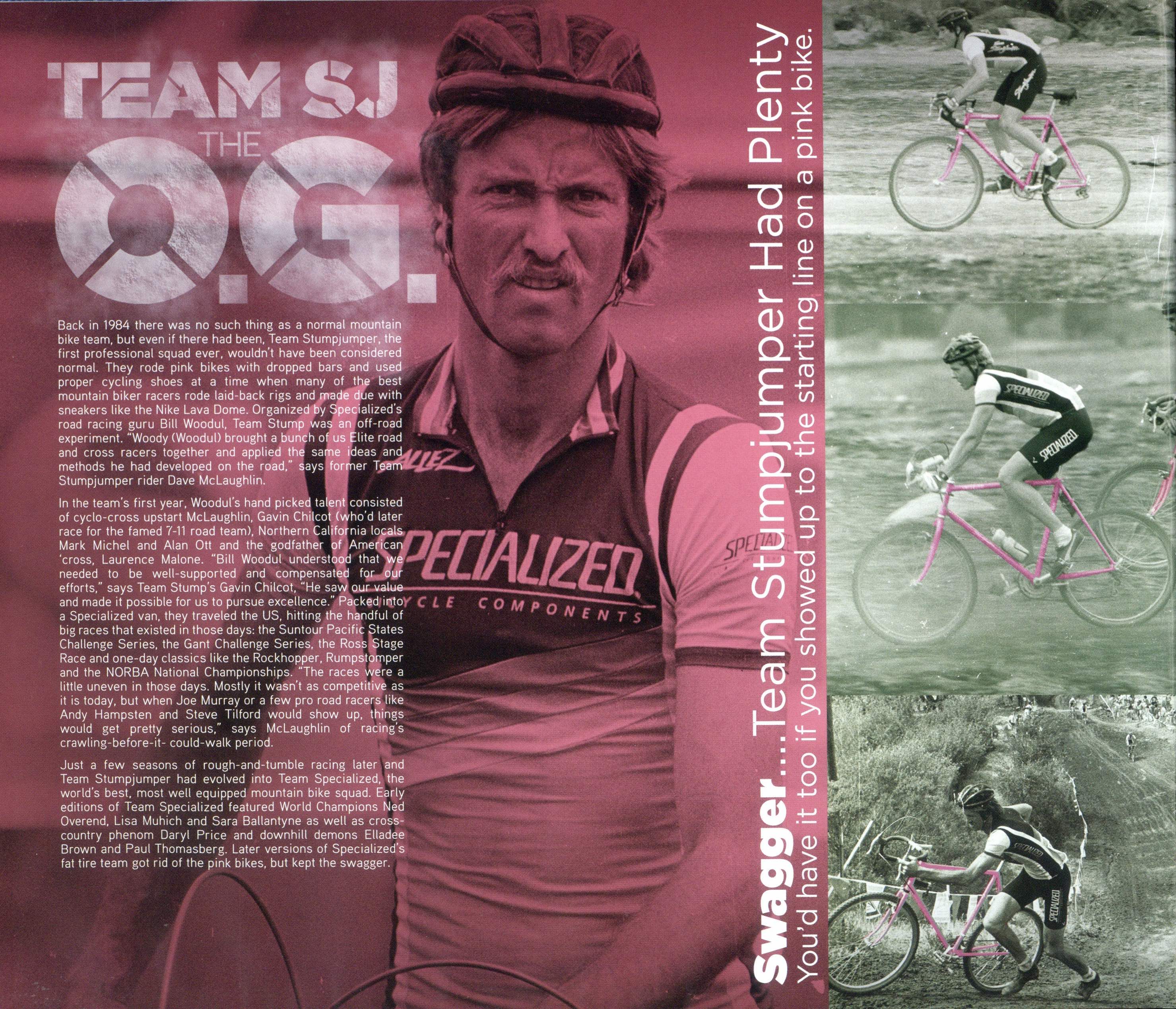
By the late 1970s, Sinyard pivoted from pure component distribution to proprietary product design and manufacturing. Specialized launched its first custom-designed product—a specialized touring tire—in 1976. This was followed by the production of road framesets (the Allez) and, most notably, the 1981 introduction of the Specialized Stumpjumper.
The Stumpjumper was the world's first mass-produced mountain bike. By transitioning mountain biking from a niche, custom-builder hobby into a commercial product line, Sinyard secured an early-mover advantage in what became one of the fastest-growing categories in the sports equipment industry.
Merida Industry Partnership and Equity Structure
Specialized expanded rapidly through the 1980s and early 1990s, but aggressive diversification and operational scaling created financial strain. In the mid-1990s, Specialized launched "Full Force," a budget brand aimed at mass-market sporting goods retailers. The strategic attempt to enter lower-tier retail channels alienated independent bicycle dealers (IBDs), which formed the core of Specialized's distribution network.
The resulting dealer pushback, combined with inventory write-downs and supply-chain overhead, left the company facing liquidity issues by the late 1990s. To stabilize the balance sheet and secure capital, Sinyard negotiated a deal with Merida Industry Co., Ltd., one of Taiwan's largest bicycle manufacturers.
| Specialized Bicycle Components Ownership | Equity Stake |
|---|---|
| Mike Sinyard (Founder & Chairman Emeritus) | 51% Controlling |
| Merida Industry Co., Ltd. (Taiwan) | 49% Minority Stake |
In 2001, Merida acquired a 49% minority stake in Specialized for a reported $30 million. Crucially, Sinyard retained 51% majority ownership and operational control. This equity structure provided three major financial benefits:
- Capital Stabilization: The cash injection paid off outstanding debt and recapitalized company operations without surrendering corporate autonomy.
- Manufacturing Efficiency: Partnering with Merida integrated Specialized into one of the world's most advanced carbon-fiber and aluminum manufacturing networks, improving gross margins.
- Equity Preservation: Sinyard preserved controlling rights, ensuring that subsequent increases in corporate enterprise value directly accrued to his personal net worth.
Financial Valuation of Specialized Bicycle Components
Because Specialized Bicycle Components remains a privately held corporate entity, its financial statements are not subject to public SEC reporting. However, financial analysts, industry trade publications, and public disclosures from Merida Industry (which reports its investment values under Taiwanese accounting rules) offer clarity on the company's fiscal scale.
Specialized is estimated to generate annual global revenue between $500 million and $1 billion, depending on wider industry cycles. The business operates across three main product divisions:
- Bicycles and Framesets: High-end road, gravel, mountain, and electric bikes (including the Turbo line), where retail prices frequently range between $3,000 and $15,000.
- Equipment and Apparel: Helmets, shoes, tires, and apparel sold direct-to-consumer and through authorized dealers, yielding high gross margins.
- Digital and Direct Services: Integrated e-commerce channels and rider-direct distribution established to supplement traditional bike shop networks.
Applying typical consumer goods and sporting equipment enterprise valuation multiples (ranging between 1.0x and 1.8x annual sales, depending on prevailing market interest rates and inventory cycles), Specialized carries an estimated corporate enterprise value of $600 million to $1 billion.
Accounting for Sinyard’s 51% equity interest, along with cash reserves, real estate holdings, and secondary investments, his personal net worth is conservatively estimated between $200 million and $400 million.
Key Eras in Sinyard's Wealth Accumulation
The table below summarizes the key operational phases, strategic capital movements, and financial implications across Mike Sinyard's career:
| Era / Years | Business Milestone | Equity & Governance Structure | Financial & Valuation Impact |
|---|---|---|---|
| 1974–1980 | Founded Specialized; imported Italian parts; launched proprietary tires. | 100% Sinyard ownership (Sole proprietorship). | Bootstrapped initial capital; grew revenue from $1,500 seed money to multi-million distributor. |
| 1981–1994 | Launched Stumpjumper mountain bike; rapid global retail expansion. | 100% Sinyard ownership (Private corporation). | Dominant market share growth; established premium brand pricing power. |
| 1995–2000 | Mass-market expansion via "Full Force"; dealer backlash and inventory debt. | 100% Sinyard ownership (Debt-heavy balance sheet). | Financial stress, margin compressions, and cash flow strain required external capital intervention. |
| 2001 | Merida Industry investment ($30 million for 49% equity). | 51% Sinyard / 49% Merida Industry. | Eliminated balance-sheet debt; retained majority voting control; secured supply chain scale. |
| 2002–2021 | Expansion into E-Bikes (Turbo series), Rider-Direct e-commerce, global expansion. | 51% Sinyard / 49% Merida Industry. | Record revenue expansion; enterprise valuation surpassed $500M+ during peak cycling demand cycles. |
| 2022–Present | Stepped down as CEO; transitioned to Founder & Chairman; appointed Scott Maguire as CEO. | Retained 51% equity interest; non-executive oversight. | Capital preservation; wealth diversification into philanthropic and brain-health initiatives. |
Executive Transition and Current Governance Role
In March 2022, after 48 years leading the organization, Mike Sinyard stepped down as Chief Executive Officer of Specialized. The company named Scott Maguire, a veteran executive with over two decades of engineering and leadership experience at Dyson, as his successor.
Sinyard transitioned into the dual role of Founder, Chairman, and Chief Adviser (often referred to within the organization as Chairman Emeritus). This shift separated day-to-day operational management from strategic board governance.
Executive Structure:
- Board of Directors
- Mike Sinyard: Founder, Chairman & Chief Adviser (51% Controlling Equity Interest)
- Scott Maguire: Chief Executive Officer (CEO) (Day-to-Day Global Operations)
From a financial perspective, stepping back from daily operational duties allows Sinyard to preserve his equity stake while leadership navigates post-pandemic market recalibrations, supply-chain adjustments, and shifting retail dynamics.
Capital Allocation, Real Estate, and Philanthropy
Beyond his core equity holding in Specialized, Mike Sinyard’s asset portfolio includes real estate and philanthropic investments:
Real Estate and Infrastructure
Specialized owns substantial physical infrastructure, including its long-standing corporate headquarters campus in Morgan Hill, California. The facilities house advanced research and development infrastructure, including a proprietary, full-scale cycling wind tunnel used for aerodynamic testing. Sinyard's personal investments also include residential property holdings in Northern California.
The Outride Foundation
A significant portion of Sinyard's capital and focus is directed toward philanthropy. After being diagnosed with attention deficit hyperactivity disorder (ADHD), Sinyard observed a direct connection between cycling and improved cognitive performance.
In 2014, he established the Specialized Foundation, which later evolved into Outride, an independent 501(c)(3) non-profit organization. Outride funds scientific research into the neurological impacts of cycling and partners with schools to implement exercise-based interventions for youth. Sinyard and Specialized have donated millions of dollars to fund Outride's academic partnerships and community grant programs.
Frequently Asked Questions
What is Mike Sinyard's estimated net worth?
Mike Sinyard's net worth is estimated between $200 million and $400 million. His financial portfolio is primarily comprised of his 51% controlling interest in Specialized Bicycle Components, along with associated real estate assets and personal investments.
Does Mike Sinyard still own Specialized Bicycle Components?
Yes. Mike Sinyard retains a 51% controlling equity stake in Specialized Bicycle Components. Taiwanese manufacturer Merida Industry Co., Ltd. owns the remaining 49% stake.
How much did Merida pay for its stake in Specialized?
In 2001, Merida Industry acquired its 49% minority stake in Specialized for approximately $30 million. That injection of liquidity paid off company debt while leaving majority voting control with Sinyard.
When did Mike Sinyard step down as CEO of Specialized?
Mike Sinyard stepped down as CEO in March 2022 after running the business for 48 years. Former Dyson executive Scott Maguire was appointed as the new Chief Executive Officer, while Sinyard transitioned to Founder, Chairman, and Chief Adviser.
How did Mike Sinyard fund the founding of Specialized?
Sinyard founded Specialized in 1974 by selling his Volkswagen Westfalia camper van for $1,500. He used the money to fund a bike tour through Europe, purchasing high-end Italian bicycle components to import and sell to bike shops in California.
Financial Lessons from Sinyard’s Ownership Model
Mike Sinyard’s accumulation of wealth provides clear lessons in equity management and private company governance:
- Maintain Majority Control During Recapitalization: By holding a strict 51% majority stake during the 2001 investment deal with Merida, Sinyard ensured that subsequent enterprise appreciation remained predominantly under his personal ownership.
- Vertical Integration and Brand Power: Moving from basic distribution to proprietary product engineering (such as the Stumpjumper and Turbo lines) allowed Specialized to capture higher gross margins and build durable brand equity.
- Strategic CEO Succession: Transitioning day-to-day operational leadership to experienced external management allows founders to protect equity value while reducing operational exposure during shifting economic conditions.