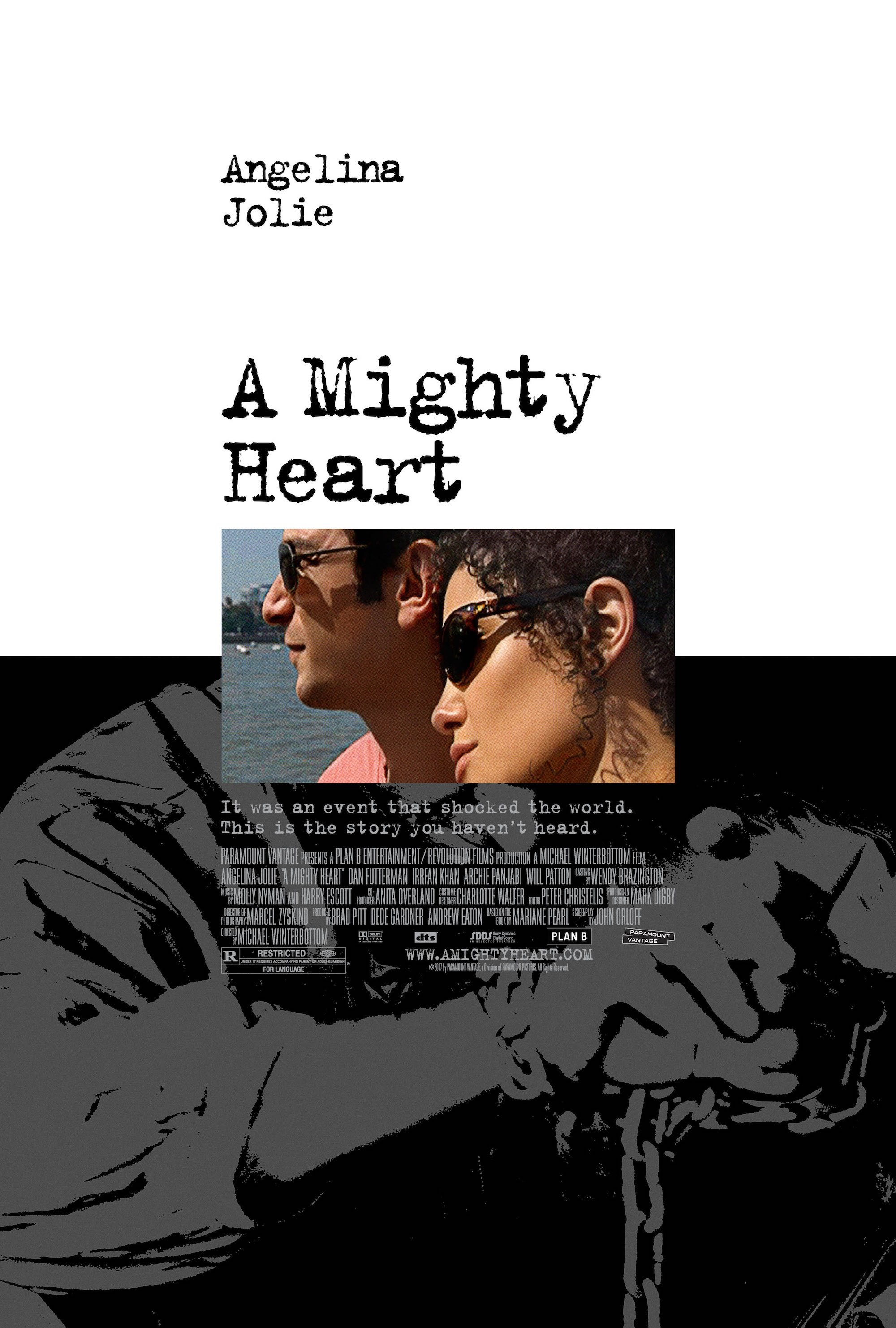
A Mighty Heart refers to the 2003 memoir by Mariane Pearl and the 2007 film adaptation documenting the search for her husband, Wall Street Journal reporter Daniel Pearl. He was kidnapped and murdered by militants in Pakistan in 2002 while investigating links between al-Qaeda and "shoe bomber" Richard Reid.
The story of "A Mighty Heart" serves as a harrowing intersection of personal tragedy, investigative journalism, and the global war on terror. It is not merely a chronicle of loss, but a focused examination of how individuals and institutions respond to extreme ideological violence. As of 2026, the work remains a foundational text for understanding the risks faced by foreign correspondents and the psychological resilience required to confront targeted kidnapping. This guide explores the historical context of the investigation, the technical execution of the cinematic adaptation, and the enduring impact of Daniel Pearl’s legacy on international press freedom.
The Genesis of the Memoir: Mariane Pearl’s Narrative
Following the execution of Daniel Pearl in early 2002, his widow, Mariane Pearl, began writing "A Mighty Heart: The Brave Life and Death of My Husband, Danny Pearl." Published in 2003, the memoir was written in collaboration with Sarah Crichton. The primary intent of the book was to provide an alternative narrative to the one disseminated by his killers. While the kidnappers sought to use Daniel as a symbolic pawn in a geopolitical struggle, Mariane focused on his humanity, his commitment to objective truth, and the multicultural bridges he attempted to build throughout his career.
The memoir is structured as a chronological account of the five weeks following Daniel’s disappearance on January 23, 2002. It details the frantic, multi-agency search conducted from a safe house in Karachi, involving the Pakistani police, the FBI, and the U.S. State Department. A significant portion of the book is dedicated to the psychological landscape of those involved—the mixture of hope, professional rigor, and eventually, the profound grief that followed the confirmation of his death.
Critically, the book avoids falling into a narrative of revenge. Instead, Mariane Pearl emphasizes "mighty" courage as the refusal to succumb to hatred. This philosophical stance influenced how the subsequent film was developed, focusing on the procedural elements of the search rather than the graphic nature of the tragedy itself.
The 2002 Karachi Investigation: Context and Risks
Daniel Pearl was the South Asia Bureau Chief for the Wall Street Journal. In 2002, Karachi was an extremely volatile environment for Westerners, particularly journalists. Pearl was investigating Sheikh Gilani, a radical cleric believed to be connected to Richard Reid, the convicted "shoe bomber." The investigation led him to a meeting he believed was an interview, but was actually a trap orchestrated by Ahmed Omar Saeed Sheikh.
The Dynamics of the Search
The investigation into Pearl's disappearance was one of the most complex missing-person cases in modern journalistic history. It required unprecedented cooperation between the Inter-Services Intelligence (ISI) of Pakistan and American federal agents. The search focused on:
- Electronic Surveillance: Tracking emails sent by the "National Movement for the Restoration of Pakistani Sovereignty," the group that claimed responsibility.
- Informant Networks: Navigating the dense underworld of Karachi's militant factions.
- The Wall Street Journal's Role: The publication played an active role in the search, providing resources and maintaining pressure on diplomatic channels.
The eventual discovery of a video titled "The Slaughter of the Spy-Journalist, the Jew Daniel Pearl" confirmed the worst fears of the international community. The murder was not just an act of violence but a calculated propaganda maneuver—the first major instance of a journalist’s execution being recorded and distributed for psychological warfare in the digital age.
Cinematic Realism: The 2007 Film Adaptation
Directed by Michael Winterbottom and produced by Brad Pitt’s Plan B Entertainment, the film version of A Mighty Heart was released in 2007. It is often cited as a benchmark for the "docudrama" genre due to its commitment to technical realism and its rejection of typical Hollywood sensationalism.
Directorial Style and Cinematography
Winterbottom used a "cinéma vérité" approach, employing handheld cameras and natural lighting to create a sense of urgency and claustrophobia. The film was shot primarily on location in France, India, and Pakistan (though security concerns limited the Karachi shoots). The cinematographer, Marcel Zyskind, utilized multiple camera setups to capture the chaotic energy of the investigative safe house, mirroring the fragmented and confusing nature of the intelligence coming in from the streets.
Casting and Performance
Angelina Jolie portrayed Mariane Pearl, a casting choice that was initially met with some controversy regarding her physical appearance and race. However, Mariane Pearl herself supported the casting, and Jolie’s performance was widely praised for its restraint. She focused on Mariane’s internal discipline and the "mighty" resolve required to lead the search effort while pregnant with their son, Adam. Dan Futterman’s portrayal of Daniel Pearl appears mostly in flashbacks, framing him as a vibrant, empathetic individual rather than a distant victim.
Technical Accuracy and Pacing
The film avoids the "white savior" trope often found in Western movies set in Asia. Instead, it highlights the technical competence and dedication of Pakistani officials, specifically Captain (now known as Zulfiqar Ahmed Cheema), who led the local investigation. The pacing is deliberate, focusing on the slow, often frustrating process of checking phone records and verifying addresses, rather than stylized action sequences.
The Legal and Geopolitical Aftermath
The pursuit of justice for Daniel Pearl has been a decades-long legal odyssey. In 2002, Ahmed Omar Saeed Sheikh and three accomplices were convicted of the kidnapping and murder. Sheikh was sentenced to death. However, the legal proceedings have remained a point of friction between the U.S. and Pakistan.
| Key Individual | Role in the Case | Status (As of 2021-2026 Context) |
|---|---|---|
| Daniel Pearl | WSJ Journalist / Victim | Deceased (February 1, 2002) |
| Mariane Pearl | Author / Activist | Continued advocacy for journalist safety. |
| Ahmed Omar Saeed Sheikh | Primary Architect of Kidnapping | Conviction overturned; released in 2021 by Pakistan SC. |
| Khalid Sheikh Mohammed | Alleged Executioner | Detained at Guantanamo Bay; confessed in 2007. |
| Captain (Zulfiqar Cheema) | Pakistani Lead Investigator | Retired from active duty; historical consultant. |
The 2021 decision by the Pakistan Supreme Court to uphold the acquittal of Omar Sheikh was a significant blow to the Pearl family and the U.S. government. The court ruled that there was insufficient evidence to link Sheikh specifically to the murder, though he was guilty of the kidnapping. This development underscores the ongoing difficulties in prosecuting transnational terrorism within varying national legal frameworks.
Journalistic Legacy: The Daniel Pearl Foundation
In the wake of the tragedy, the Pearl family established the Daniel Pearl Foundation. Its mission is to promote cross-cultural understanding through journalism, music, and innovative communications. One of its most significant initiatives is the Daniel Pearl World Music Days, which uses the universal language of music—one of Daniel’s great passions—to bridge cultural divides.
The foundation also sponsors the Daniel Pearl Editorial Internship Program and the Daniel Pearl Fellowships, which bring mid-career journalists from Muslim-majority countries to work in U.S. newsrooms. This initiative directly counters the isolationist and extremist ideologies that led to Daniel’s death by fostering direct professional collaboration between East and West.
The "Project Pearl" at Georgetown University
Further technical investigation into the murder was conducted by "Project Pearl," a faculty-student investigative reporting project at Georgetown University. Their 2011 report provided a detailed forensic analysis of the kidnapping and confirmed through vascular mapping that Khalid Sheikh Mohammed was indeed the man who murdered Daniel Pearl, despite Omar Sheikh being the one who orchestrated the trap. This report remains a critical document for journalists studying the mechanics of militant cells.
Navigating the Ethical Landscapes of the Story
"A Mighty Heart" raises difficult questions regarding the ethics of reporting in high-risk zones. It has become a case study in journalist safety protocols. Prior to 2002, many news organizations operated with a higher degree of informal security. The Pearl case forced a structural shift:
- Mandatory HEFAT Training: Hostile Environment and First Aid Training (HEFAT) became standard for foreign correspondents.
- Tracking Protocols: Newsrooms implemented stricter check-in procedures and "proof of life" protocols.
- Risk Assessment: The "story at any cost" mentality was replaced by rigorous risk-benefit analysis, especially in areas with active kidnapping-for-ransom markets.
The story also confronts the ethics of representation. How does one tell a story of Islamic extremism without painting a monolithic picture of a religion or a country? Both the book and the film are careful to distinguish between the small cell of militants and the broader Pakistani society, many members of which risked their lives to help find Daniel.
Common Misconceptions about "A Mighty Heart"
Is the film a 100% accurate representation of the investigation?
While the film is highly accurate regarding the timeline and the emotional beats of the search, some characters are composites of various intelligence officials. However, the film stayed true to the "Project Pearl" findings regarding the core investigative steps taken in Karachi.
Why was Daniel Pearl targeted specifically?
Contrary to some early theories, Daniel was targeted primarily because he was an American journalist and, as the kidnappers emphasized in their communications, because he was Jewish. This intersection made him a high-value target for a group seeking to send a message to the Western world.
Did Mariane Pearl write the book alone?
Mariane Pearl wrote the book with Sarah Crichton. The collaboration was essential to help Mariane structure the complex investigative details while she was dealing with the trauma of her husband’s death and the birth of her son.
Where can I access the Daniel Pearl Foundation resources?
The foundation operates primarily through danielpearl.org, providing educational materials, fellowship application details, and information on the annual World Music Days.
What happened to the wall street journal's investigation?
The Wall Street Journal published extensive post-mortem reports on the case, focusing on the failure of security protocols and the specifics of the militant groups involved. They continue to honor his memory through the Daniel Pearl Award.
Next Actions for Interested Readers
For those looking to engage more deeply with the themes of "A Mighty Heart," the following actions provide a path toward understanding and advocacy:
- Read the Memoir: To understand the philosophical core of the story, the 2003 book is indispensable. It offers a depth of internal monologue that the film cannot fully capture.
- Support Press Freedom Organizations: Entities such as the Committee to Protect Journalists (CPJ) and Reporters Without Borders (RSF) work to prevent the type of tragedy that befell Daniel Pearl.
- Study the "Project Pearl" Report: For a technical, forensic deep-dive into the investigation, the Georgetown University report remains the definitive factual record.
- Participate in World Music Days: In October of each year, individuals can host or attend musical events dedicated to Daniel Pearl’s vision of a more tolerant world.