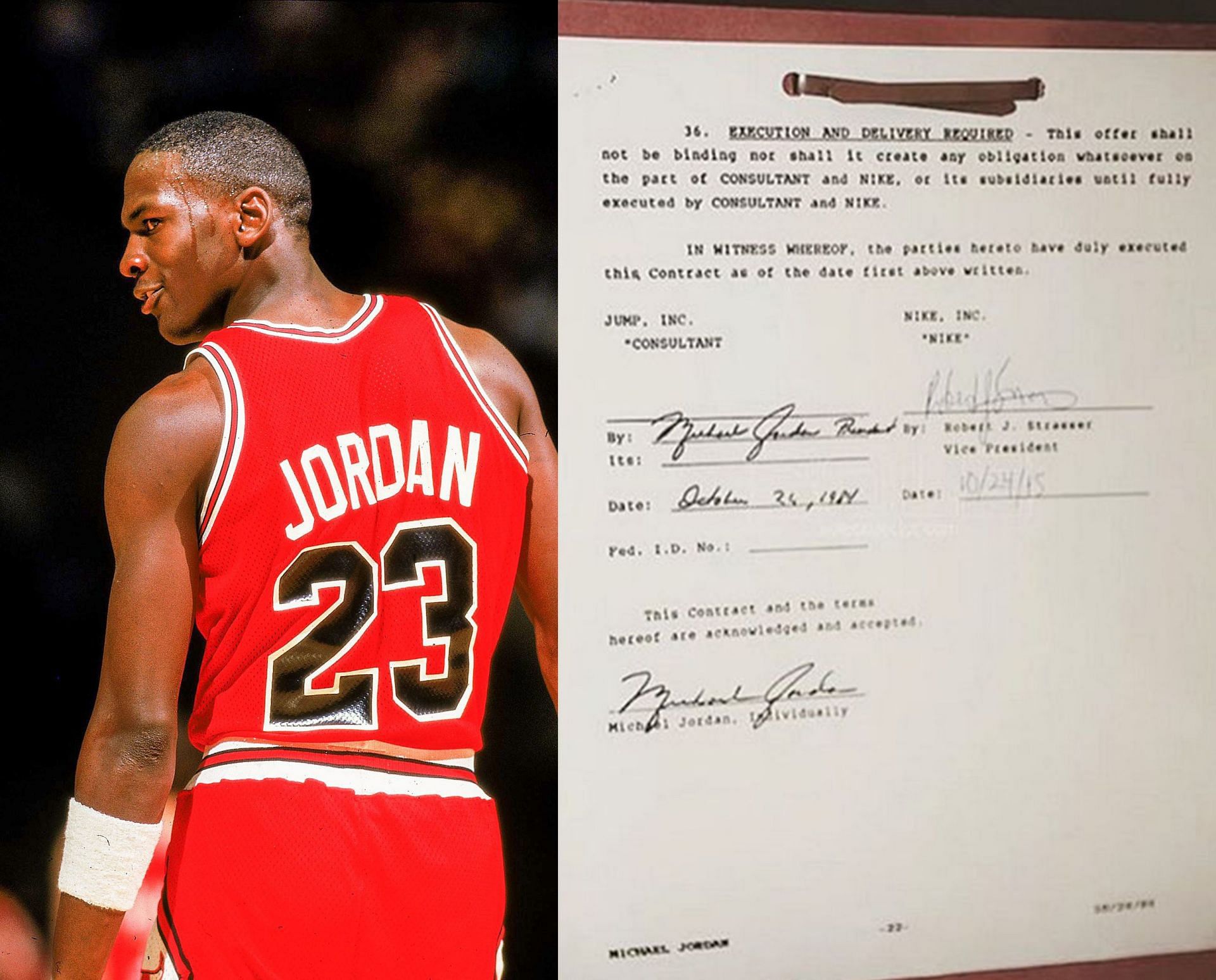
Michael Jordan officially signed his landmark endorsement contract with Nike on October 24, 1984. This multi-year agreement marked the beginning of the Air Jordan brand, fundamentally changing the landscape of professional sports marketing and athletic footwear. While the negotiation process began earlier that year, the finalized deal solidified a partnership that remains the most influential in the history of sports branding.
The Context of the 1984 Negotiation
In 1984, Michael Jordan was coming off a stellar collegiate career at the University of North Carolina and a gold medal performance at the Los Angeles Summer Olympics. At the time, Jordan had a strong personal preference for Adidas, a brand that was dominating the basketball landscape. Conversely, Converse was the official footwear sponsor of the NBA, and many star players, including Magic Johnson and Larry Bird, were under contract with them.
Nike, led by Phil Knight and Sonny Vaccaro, saw Jordan as the centerpiece of a strategy to pivot the company toward basketball. Before this deal, Nike was primarily viewed as a running shoe company. The challenge for Nike was not just securing Jordan’s signature but convincing a young athlete to choose a company that, at the time, lacked deep roots in the professional basketball community.
Structuring the Partnership
The contract signed in October 1984 was unique for its time. It was a five-year deal worth approximately $500,000 per year—a significant sum for a rookie—plus royalties on the sales of his signature line. The inclusion of royalty clauses was a pioneering element, ensuring that Jordan would share in the financial success of the products bearing his name. This shift moved the relationship from a standard endorsement to a true business partnership.
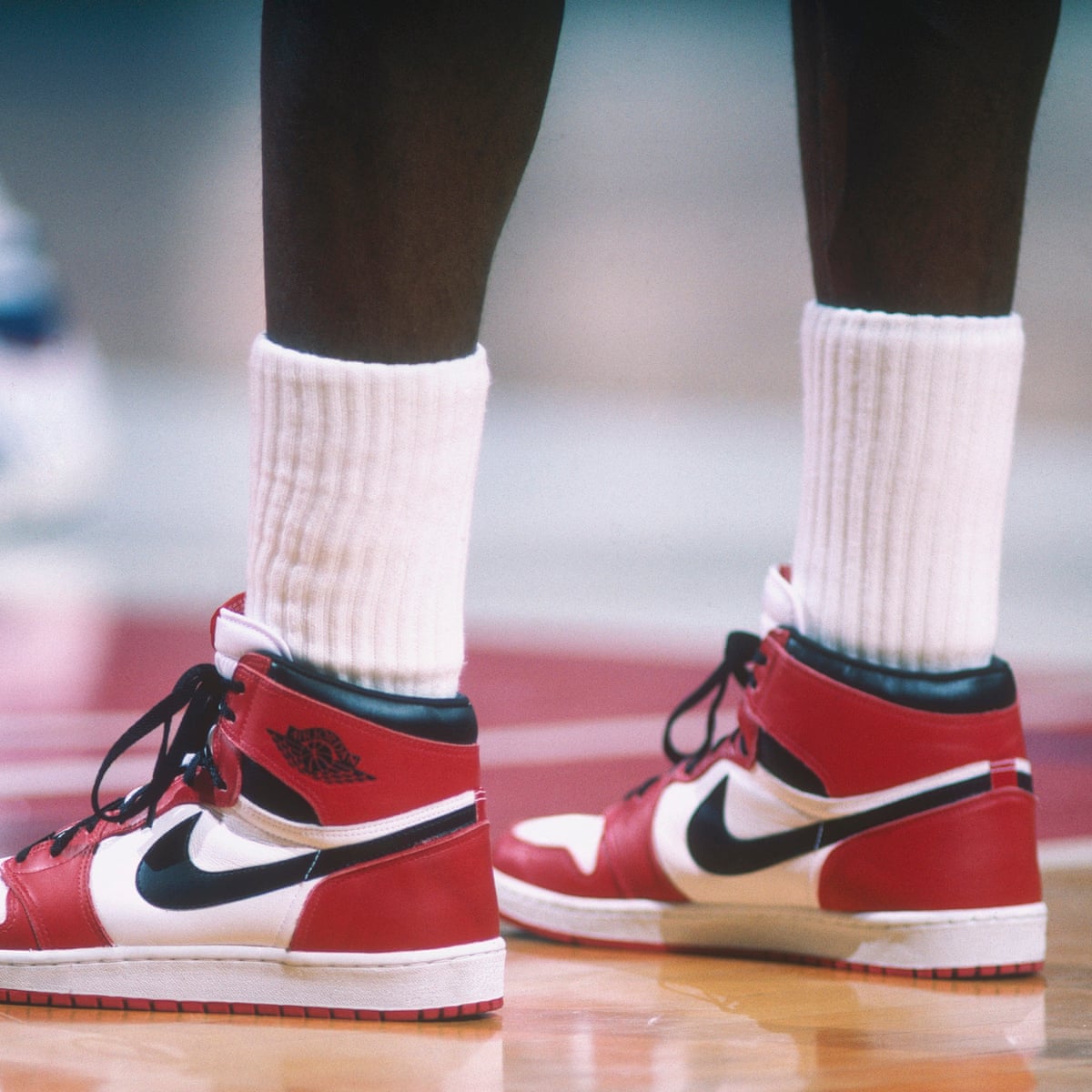
Furthermore, Nike included specific performance clauses and stipulations regarding the design of the footwear. This led to the creation of the Air Jordan I, a shoe that featured a bold black-and-red colorway. The design process was deeply collaborative, reflecting the intent to create an identity that resonated with fans just as much as it functioned on the court.
The Myth of the "Nike 2"
In search queries, users occasionally refer to "Nike 2" when investigating Jordan’s history, often conflating the Air Jordan 2 model with the timeline of his original signing. It is essential to clarify that while the partnership began in 1984, the Air Jordan 2 was not released until 1986.
The confusion often stems from the rapid expansion of the line following the immediate success of the Air Jordan I in 1985. The Air Jordan 2, designed by Bruce Kilgore and Peter Moore, represented an evolution in aesthetic—moving away from the leather-heavy high-top construction of the original toward a more sophisticated, "luxury" basketball sneaker manufactured in Italy. Distinguishing between the contract date (1984) and the product model (1986) is vital for accurate historical tracking of the brand’s progression.
Comparison of Key Contractual Milestones
To understand the scale of the 1984 signing, it is helpful to look at the commercial landscape of the era. The following table provides a breakdown of the critical phases during the early development of the Nike-Jordan partnership.
| Milestone | Year | Significance |
|---|---|---|
| Initial Contract Signing | 1984 | The foundational $500,000/year, five-year deal. |
| Air Jordan I Launch | 1985 | The commercial introduction of the signature line. |
| Air Jordan 2 Release | 1986 | The brand's shift toward a premium, luxury performance aesthetic. |
| Nike Profitability Peak | 1987 | The line’s success firmly established Nike as a basketball giant. |
| Jumpman Branding | 1988 | The debut of the iconic silhouette logo on the Air Jordan 3. |
Why the 1984 Deal Succeeded
The decision to sign with Nike was influenced by several factors beyond the financial offer. Sonny Vaccaro played a pivotal role in lobbying Jordan’s parents, convincing them that the partnership would allow their son to build his own personal brand rather than just being one of many athletes on a larger company’s roster.
Nike’s willingness to provide Jordan with significant creative input and a dedicated signature line allowed for a level of marketing synergy that was previously unseen. By the 1985–1986 season, the "Air Jordan" phenomenon had transcended basketball, becoming a cultural staple. This success validated the strategy of building a brand around an individual’s identity rather than just the sport itself.
Regulatory and Marketing Impacts
Following the signing, the NBA initially took issue with the colors of the shoes Jordan wore on the court, which violated the league's uniformity standards. Nike famously leaned into this controversy, running marketing campaigns that highlighted the "banning" of the shoes. This narrative of non-conformity and rebellion proved to be an incredibly effective marketing tactic, further elevating the brand’s profile.
From a regulatory standpoint, the success of the 1984 contract forced other athletic brands to rethink their endorsement models. The industry shifted away from flat-fee endorsements toward incentive-heavy structures that mirrored the Jordan-Nike arrangement. This created a lasting ripple effect, influencing how professional athletes in all sports manage their personal brands in 2026.
Frequently Asked Questions
Was there a contract signed in 1986 for the Nike 2?
No. The original five-year contract signed in 1984 covered the development and launch of the early Air Jordan models, including the Air Jordan 2. The release of a new shoe model was part of an ongoing product development cycle rather than a new legal agreement between Jordan and Nike.
What was the specific value of the original deal?
The 1984 deal was valued at $500,000 per year for five years. This was an unprecedented amount for an unproven rookie at the time, reflecting Nike’s high degree of confidence in Jordan’s marketability.
Did Jordan want to sign with Nike from the start?
No. Michael Jordan had a strong preference for Adidas. It was his mother, Deloris Jordan, who encouraged him to take the meeting with Nike, which ultimately played a significant role in his decision to accept their offer.
When did the "Jumpman" logo first appear?
The Jumpman logo made its first appearance on the Air Jordan 3, which was released in 1988. This followed the initial era of the Nike and Jordan partnership and signaled a maturation of the brand's visual identity.
How did the 1984 signing impact basketball sneakers in the long term?
It turned signature basketball shoes into a multi-billion dollar industry. By proving that a star athlete could drive sales through personal branding, it set the template for modern athlete-corporate partnerships that dominate the market in 2026.
Next Actions for Collectors and Historians
For those seeking to verify specific details regarding early contracts or product launch dates, it is recommended to consult the official archives of Nike’s corporate history or reputable sports journalism retrospectives. If you are researching the provenance of a specific vintage item, ensure that the production markings align with the launch windows mentioned above, specifically looking for manufacturing dates that correspond to the 1985–1986 period for early models. Always rely on primary documentation from the era when validating historical commercial claims.