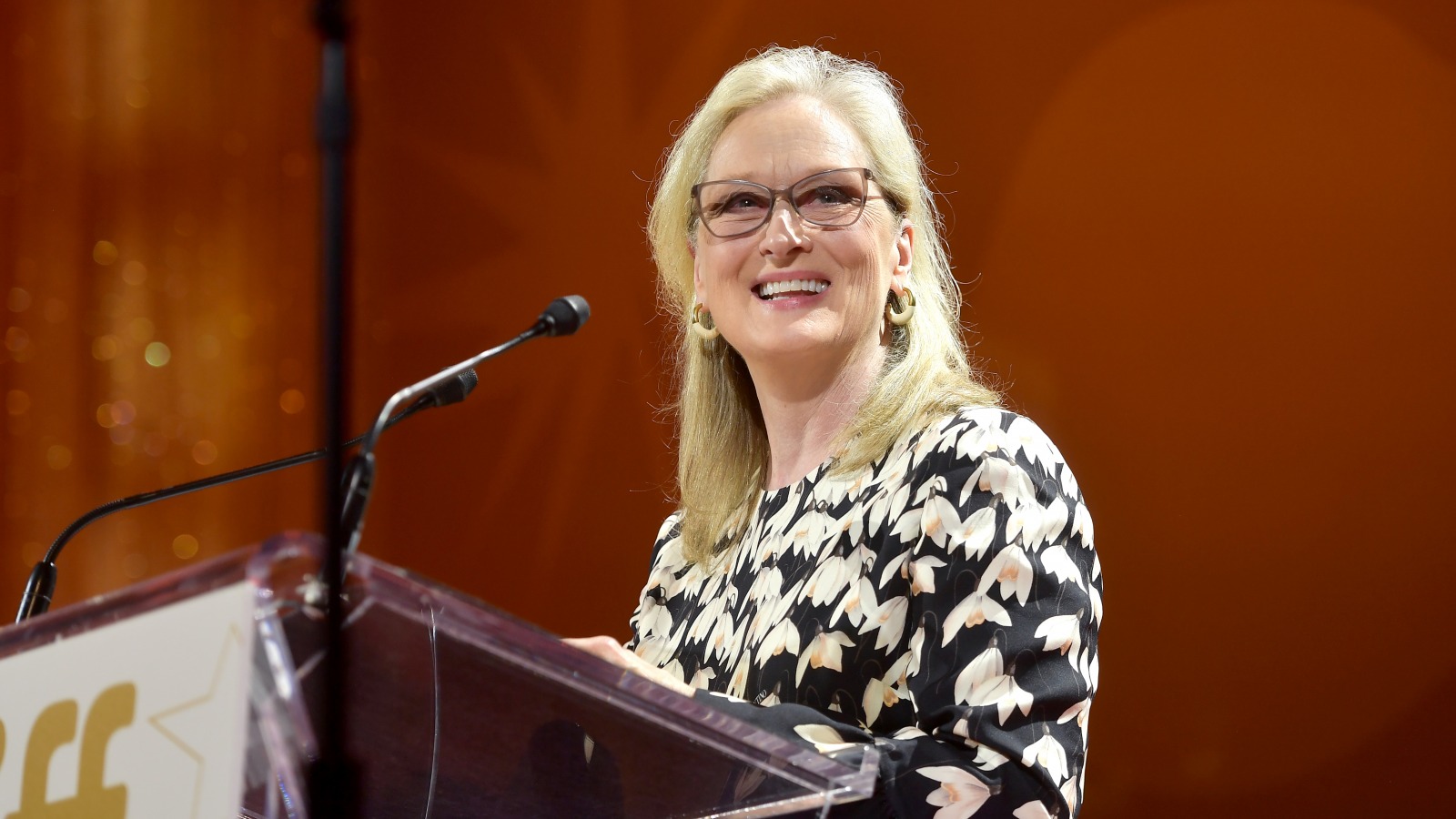
Historically, Meryl Streep has avoided sequels, prioritizing a diverse filmography of unique, prestige characters over recurring roles. However, in recent years, she has selectively broken this pattern with projects like Mamma Mia! Here We Go Again and Big Little Lies, signaling a shift toward embracing established franchises when the narrative and cast alignment warrant her involvement.
The "Streep Exception": A Historical Aversion to Sequels
For the vast majority of her multi-decade career, Meryl Streep was the antithesis of the franchise-driven movie star. Emerging from the Yale School of Drama and rising to prominence during the "New Hollywood" era of the late 1970s, Streep’s career was built on the foundation of transformative, one-off performances. For nearly 40 years, the idea of Streep returning to a character she had already portrayed was virtually non-existent.
This aversion was not merely a matter of coincidence but a deliberate career strategy. In the 1980s and 1990s, sequels were often viewed by elite dramatic actors as "cash grabs" that lacked the artistic merit of original screenplays. Streep’s focus remained on complex, often historical, figures—ranging from the tragic Sophie Zawistowska in Sophie’s Choice to the steely Karen Blixen in Out of Africa. The technical depth required for these roles—mastering specific dialects, physical transformations, and psychological layering—often left little room or desire to revisit the same emotional territory in a second installment.
Furthermore, the "Streep Brand" became synonymous with the "Prestige Drama." During the peak of her mid-career, she sought out collaborations with visionary directors like Mike Nichols, Sydney Pollack, and Fred Schepisi. These filmmakers generally worked on standalone adaptations of literature or original scripts, which naturally precluded the development of sequels. As a result, Streep’s filmography became a sprawling map of diverse identities rather than a linear progression of a few recognizable brands.
Breaking the Pattern: Mamma Mia! and the Shift to "Follow-ups"
The most significant departure from Streep’s "no-sequel" rule occurred with the 2018 release of Mamma Mia! Here We Go Again. While she had appeared in numerous successful films that could have spawned sequels (such as The Devil Wears Prada or The River Wild), it was the jukebox musical based on the songs of ABBA that finally drew her back into a recurring role.
Streep’s involvement in the sequel to the 2008 hit Mamma Mia! was both a confirmation of the first film's cultural impact and a unique structural choice. In the sequel, her character, Donna Sheridan, has passed away, appearing primarily in a climactic, ethereal sequence and through the legacy she left behind. This "limited involvement" may have been the key to her participation; it allowed her to celebrate the camaraderie of the original cast without the grueling commitment of a standard lead role.
This move signaled a broader change in the industry. By 2018, the stigma surrounding sequels had largely dissipated, replaced by a "legacy sequel" culture where high-caliber actors returned to beloved roles to provide a sense of continuity and prestige. Streep’s participation served as a "seal of approval," suggesting that even the most decorated actor in Hollywood history saw value in revisiting a world that brought joy to audiences.
Sequels vs. Reboots: Analyzing Mary Poppins and Television Work
To understand Streep’s career patterns in 2026, one must distinguish between traditional sequels and her involvement in reboots or television continuations. Streep has increasingly lent her talents to "expanded universes" where she is not the original lead but a vital addition to an existing IP.
Mary Poppins Returns (2018)
While technically a sequel to the 1964 classic, Mary Poppins Returns did not feature Streep in a recurring role from the original film (as she was not in the 1964 version). However, her participation in a high-profile Disney sequel underscored her willingness to work within the "franchise machinery." Playing Topsy Turvy, a cousin to Mary Poppins, Streep leaned into the whimsical, character-driven performances that define her later career. This role demonstrated that she is more interested in the type of character than the numerical designation of the film (sequel vs. original).
Big Little Lies Season 2 (2019)
Perhaps the most notable example of Streep joining a "sequel" in a different medium was her role as Mary Louise Wright in the second season of HBO’s Big Little Lies. Originally intended as a limited series, the show’s massive success led to a second season—effectively a televised sequel. Streep’s decision to join the cast was famously prompted by her admiration for the first season’s writing and her desire to work with Nicole Kidman and Reese Witherspoon. This highlights a primary driver in her modern career pattern: the desire for high-level collaboration over the novelty of a new character.
The Devil Wears Prada Sequel: A 20-Year Development
As of 2026, the most anticipated development in Streep’s relationship with sequels involves the long-rumored follow-up to The Devil Wears Prada (2006). For nearly two decades, both Streep and her co-stars Emily Blunt and Anne Hathaway expressed skepticism about a sequel, citing the perfection of the original film’s ending.
However, reports that surfaced in late 2024 and throughout 2025 indicated that Disney had officially moved into development on a sequel, with original screenwriter Aline Brosh McKenna attached. The narrative is expected to follow Miranda Priestly (Streep) navigating the decline of traditional magazine publishing, facing off against her former assistant Emily Charlton (Blunt), who is now a high-powered executive at a luxury conglomerate.
Streep’s potential return to the role of Miranda Priestly would be a landmark moment in her career. It would mark the first time she has led a direct theatrical sequel as the primary protagonist. The shift in her stance—from "never" to "under the right conditions"—reflects the reality of the 2020s film industry, where star-driven dramas are increasingly rare unless they are tied to established, recognizable Intellectual Property (IP).
Comparing Streep's Original Roles and Sequential Involvement
The following table outlines Meryl Streep's engagement with films and series that fall under the "sequel" or "franchise" umbrella, illustrating the rarity of these occurrences in her total body of work.
| Project Title | Original Work Year | Sequel/Follow-up Year | Streep's Role Status | Type of Involvement |
|---|---|---|---|---|
| Mamma Mia! | 2008 | 2018 | Recurring (Donna) | Supporting/Cameo in Sequel |
| Big Little Lies | 2017 (S1) | 2019 (S2) | New Character (Mary Louise) | Series Regular in Sequel Season |
| Mary Poppins | 1964 | 2018 | New Character (Topsy) | Supporting in Legacy Sequel |
| The Devil Wears Prada | 2006 | In Dev (2025/26) | Recurring (Miranda) | Lead (Anticipated) |
| Only Murders in the Building | 2021 (S1) | 2023-2024 (S3/S4) | Recurring (Loretta) | Multi-Season Arc |
Career Patterns: Why Meryl Streep Chooses "One-and-Done" Roles
The primary pattern in Meryl Streep’s career remains the pursuit of the "unfamiliar." Her training and artistic philosophy are rooted in the "disappearance" into a role. Once a character’s arc is completed—whether it is the grief-stricken Mother in A Cry in the Dark or the whimsical chef in Julie & Julia—Streep has historically moved on to avoid "self-parody."
1. The Risk of Diminishing Returns
Streep has often voiced the concern that sequels can dilute the impact of a character's initial journey. In dramatic storytelling, the "closure" of a character’s story is often what makes it poignant. Returning to a role risks undermining that finality. For Streep, whose career is a masterclass in varied human experiences, staying in one "skin" for too long is the opposite of her professional goal.
2. Director-Driven Choices
Streep is known for being a "director's actor." Her filmography is less about the characters and more about the visionary at the helm. Because many of the directors she frequents (such as Steven Spielberg or Greta Gerwig) do not typically engage in franchise filmmaking, her path has naturally steered clear of sequels.
3. The Shift to Collaborative Ensembles
In the current decade, Streep’s pattern has shifted toward ensemble work. Whether in Don’t Look Up or Only Murders in the Building, she appears to prioritize projects where she can play a distinctive, often eccentric, character within a larger group of talented actors. This allows her to participate in high-profile, potentially multi-part projects (like TV series) without the burden of carrying a franchise alone.
Analyzing the Critical and Commercial Impact of Streep’s Sequels
When Streep does choose to participate in a sequel, the impact is usually significant. Mamma Mia! Here We Go Again outperformed many critics' expectations, largely due to the emotional weight of Streep’s brief appearance. Her presence lends a sense of "prestige" to projects that might otherwise be dismissed as light entertainment.
In television, her addition to Big Little Lies Season 2 was the defining narrative of that television cycle. Critics noted that her performance as the grieving, manipulative Mary Louise Wright elevated the material, proving that Streep does not "phone in" sequel roles. She approaches them with the same technical rigor—such as the specific, jarring scream she developed for the character—as she does her original roles. This suggests that for Streep, a sequel is only worth doing if the character can be expanded or challenged in a new way.
Common Questions About Meryl Streep's Career Patterns
Has Meryl Streep ever done a traditional movie sequel?
Yes, her first and most prominent traditional movie sequel was Mamma Mia! Here We Go Again in 2018. While she had a smaller role than in the first film, she officially reprised her character, Donna Sheridan. Before this, she had avoided direct sequels for nearly 40 years.
Why did Meryl Streep join Big Little Lies Season 2?
Streep joined the cast because she was a fan of the first season and wanted to support the work of her colleagues, particularly Nicole Kidman and Reese Witherspoon. She famously signed on without reading a script, a rare move for her, because of the high quality of the established show.
Will Meryl Streep be in The Devil Wears Prada 2?
As of 2026, industry reports indicate that Meryl Streep is in negotiations to return as Miranda Priestly. While Disney has not released a final production timeline, the project is being developed specifically around the return of the original trio: Streep, Anne Hathaway, and Emily Blunt.
Does Meryl Streep prefer television or film sequels?
Recently, Streep has shown a slight preference for "sequelized" television content over film. Her recurring roles in Big Little Lies and Only Murders in the Building suggest she enjoys the long-form character development that modern television offers, which allows for more depth than a standard two-hour film sequel.
What is the only character Meryl Streep has played in more than one movie?
Until the potential release of The Devil Wears Prada 2, Donna Sheridan from the Mamma Mia! franchise remains the only character Meryl Streep has portrayed in more than one theatrically released film.
Recommendation for Fans and Film Historians
To truly understand Meryl Streep’s career, one should look beyond the "sequel" label and focus on her collaborative patterns. If you are tracking her future projects, look for the involvement of specific writers and actors she admires. Streep is unlikely to join a franchise for the sake of the IP alone; however, if a project offers a chance to work with a world-class ensemble or a script that challenges her technical abilities (such as a new dialect or a complex psychological profile), she is now more open to sequels than at any other point in her career. For those analyzing her legacy in 2026, the key takeaway is that Streep has successfully integrated "franchise" work into her portfolio without compromising her reputation as the most versatile actor of her generation.