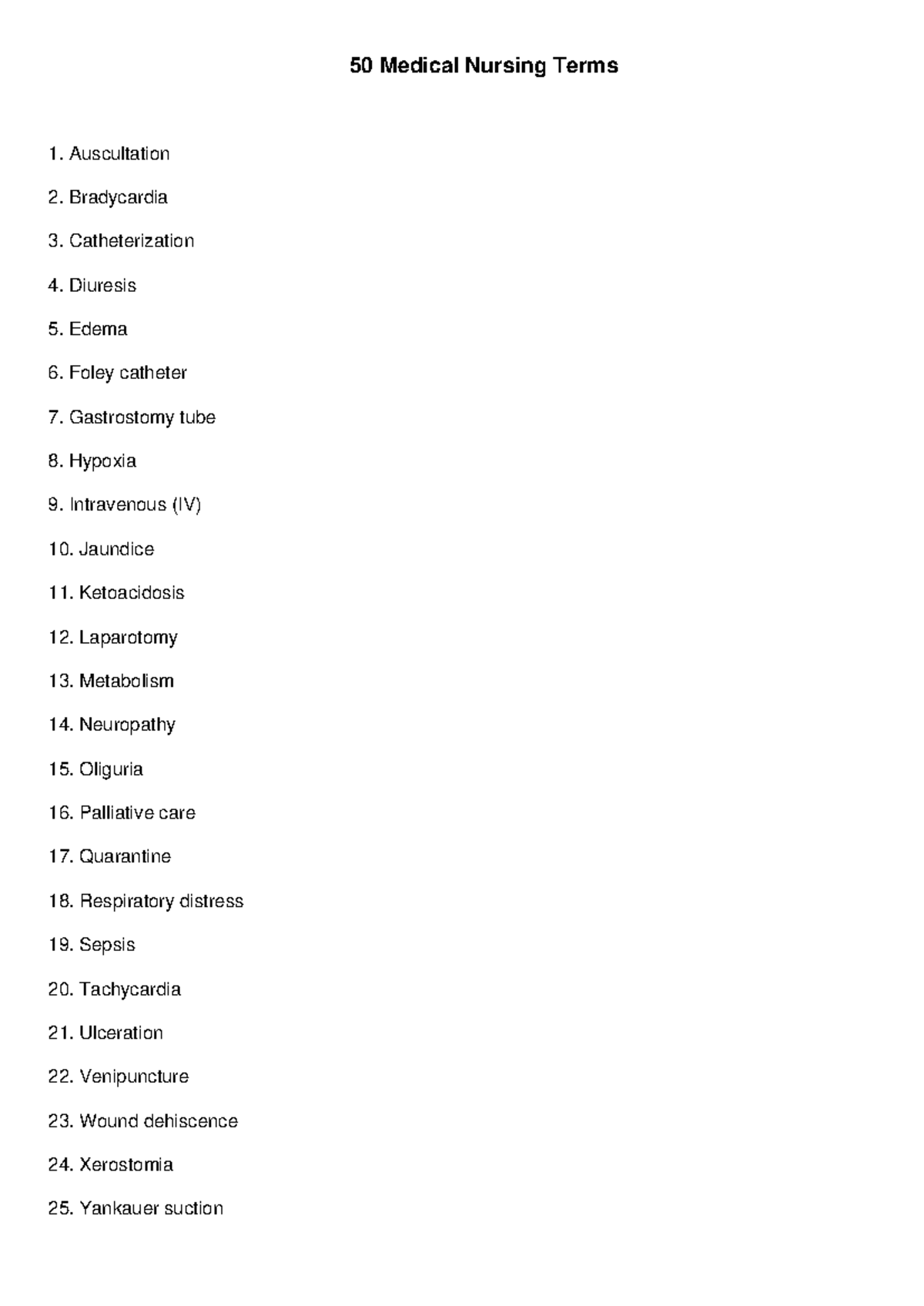
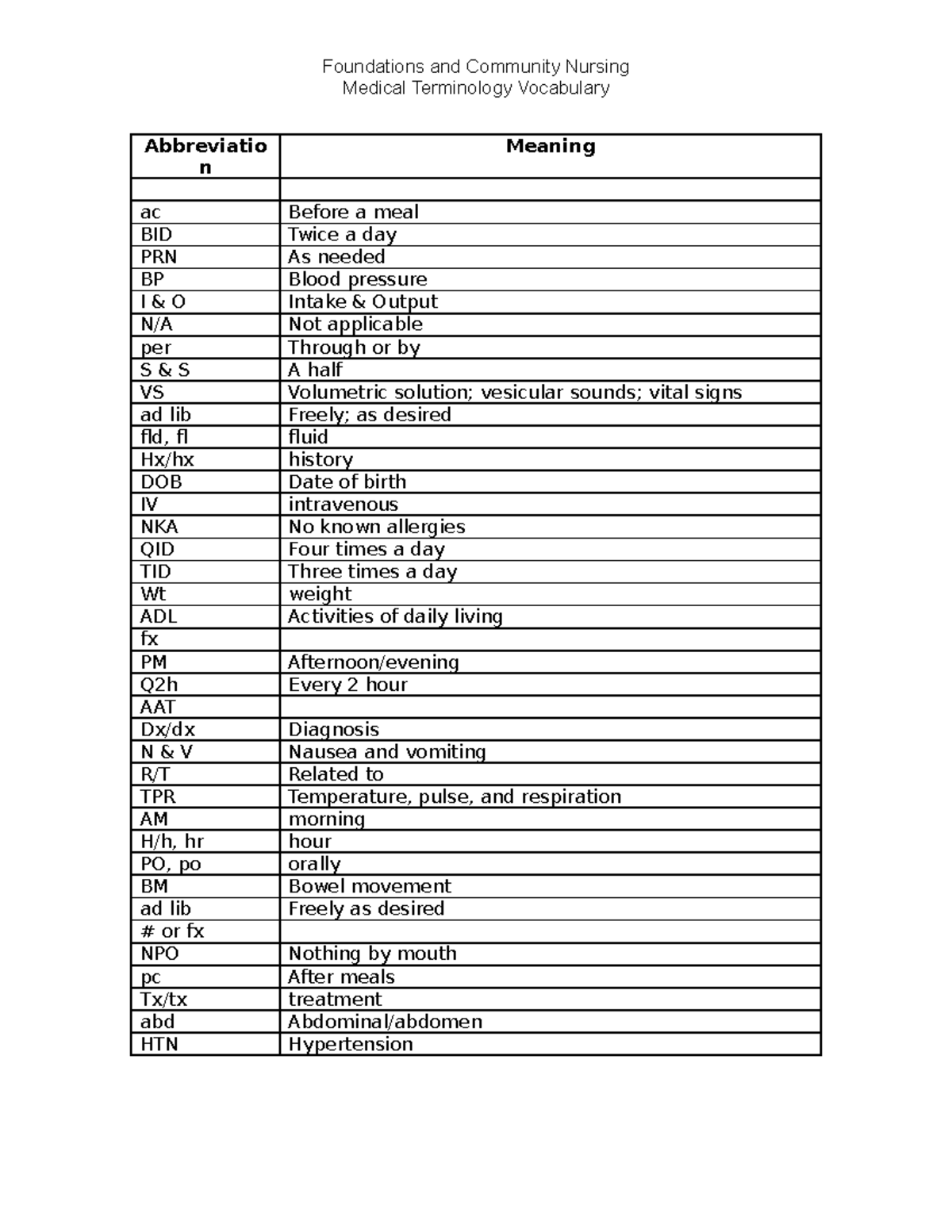
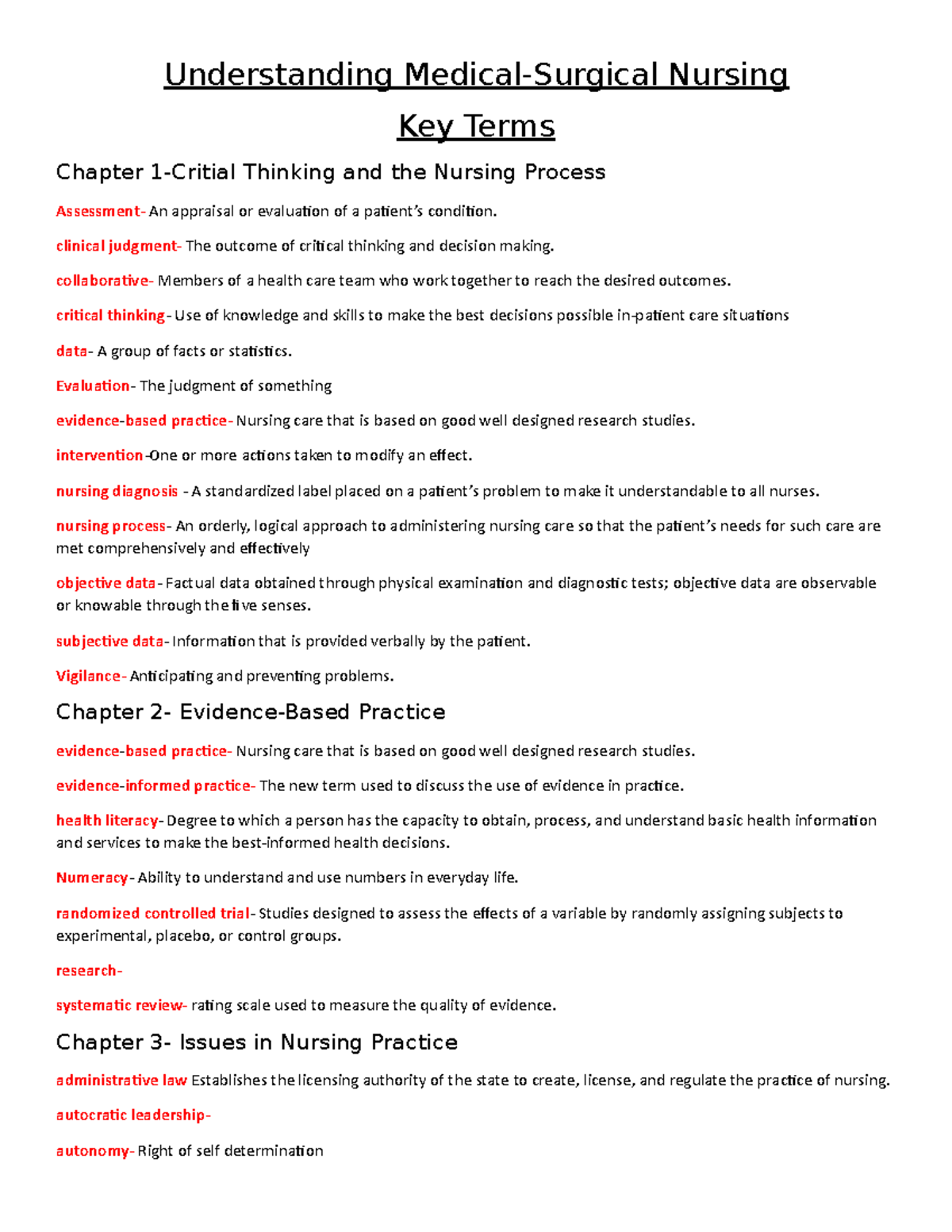
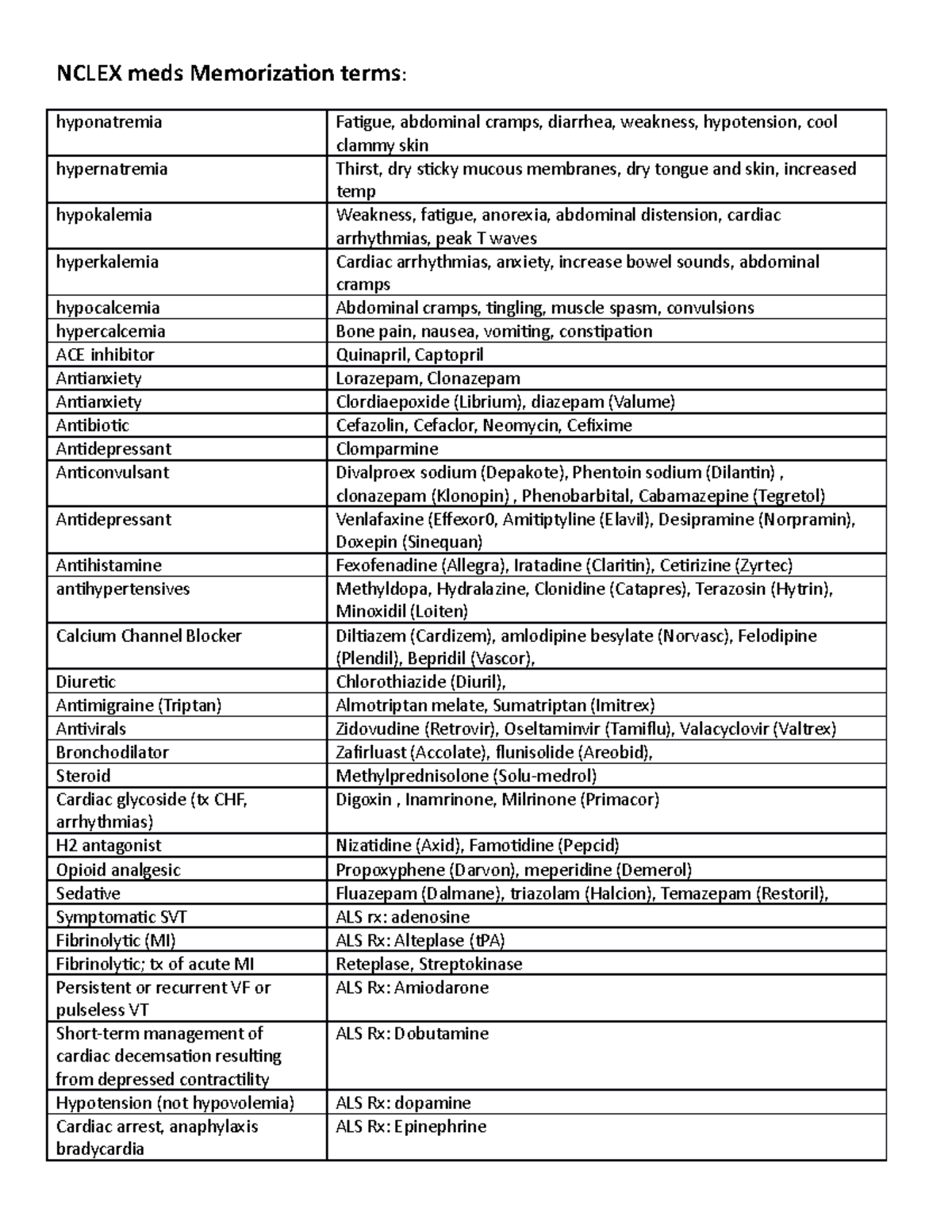
Mastering medical terms in nursing is essential for safe patient care, accurate charting, and seamless interprofessional communication. Understanding root words, prefixes, and suffixes allows nurses to decode unfamiliar terminology instantly, interpret provider orders accurately, and avoid critical documentation errors during shift handoffs and clinical interventions.
The Structure of Medical Terminology: Prefixes, Roots, and Suffixes
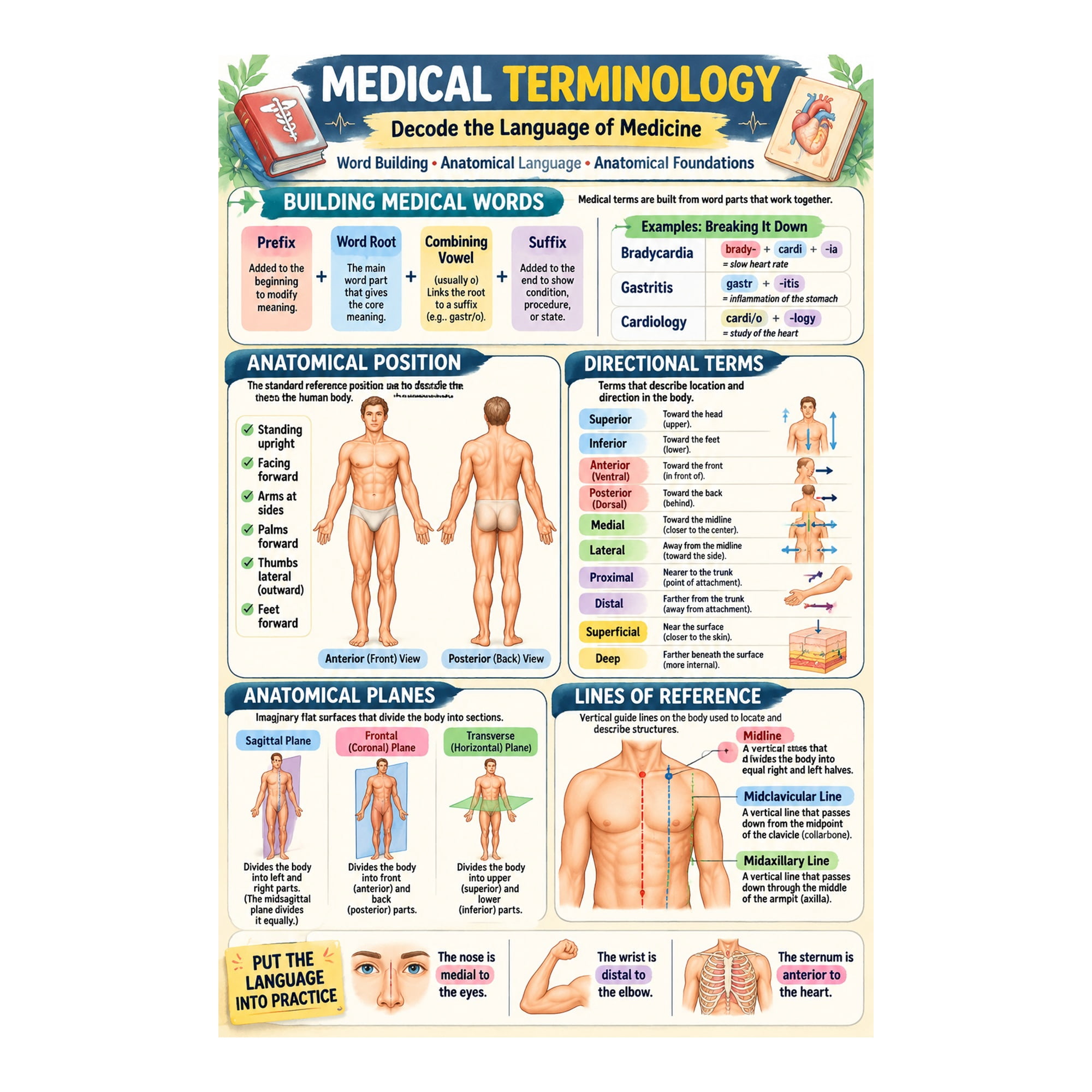
Medical terminology operates like a structured linguistic puzzle. Most clinical terms derive from ancient Greek and Latin roots, combined systematically to describe anatomical structures, pathological conditions, diagnostic procedures, and therapeutic interventions. By learning how to dissect these word parts, nurses can determine the meaning of thousands of complex terms without relying on constant memorization.
Every complete medical term contains at least one word root, which provides the core subject of the term. Prefixes modify the root by indicating location, direction, time, quantity, or negation, while suffixes attach to the end to specify a condition, disease process, or medical procedure. Combining vowels—most frequently the letter "o"—are inserted between roots or between a root and a suffix starting with a consonant to ensure smooth pronunciation (such as in gastroenterology).
To analyze an unfamiliar medical term systematically, nurses should apply the "outside-in" rule:
- Start with the suffix: Identify the action, condition, or procedure occurring at the end of the word.
- Move to the prefix: Determine any qualifiers regarding location, speed, absence, or severity at the beginning.
- Analyze the root word: Identify the specific organ, tissue, or body system involved.
- Synthesize the components: Combine the definitions in logical sequence (Suffix $\rightarrow$ Prefix $\rightarrow$ Root) to formulate the complete clinical definition.
Example: Gastroenteritis - Suffix: -itis (inflammation) - Root 1: gastr/o (stomach) - Root 2: enter/o (small intestine) Definition: Inflammation of the stomach and small intestine.
Example: Tachycardia - Prefix: tachy- (fast/rapid) - Root: cardi (heart) - Suffix: -ia (condition of) Definition: Condition of an abnormally fast heart rate.
Essential Prefixes in Nursing Practice
Prefixes establish the context or severity of a clinical finding. In acute care environments, recognizing prefixes instantly can mean the difference between routine monitoring and emergency intervention.
- Hyper-: Excessive, above normal, or elevated (e.g., hyperkalemia — elevated blood potassium).
- Hypo-: Deficient, below normal, or decreased (e.g., hypoglycemia — abnormally low blood glucose).
- Tachy-: Abnormally rapid or fast (e.g., tachypnea — rapid breathing rate).
- Brady-: Abnormally slow (e.g., bradycardia — slow heart rate).
- Dys-: Painful, difficult, or disordered (e.g., dysphagia — difficulty swallowing).
- A- / An-: Absent, lacking, or without (e.g., apnea — cessation of breathing; anuria — absence of urine production).
- Poly-: Much, many, or excessive (e.g., polyuria — excessive urination).
- Olig- / Oligo-: Scanty, few, or deficient (e.g., oliguria — abnormally small amount of urine).
- Peri-: Surrounding or around (e.g., pericardium — the membrane surrounding the heart).
- Endo-: Within, inner, or inside (e.g., endoscopy — visual examination of the inside of an organ).
Fundamental Word Roots
The root word specifies the targeted body organ or anatomical system. Recognizing roots helps nurses quickly identify which organ system requires assessment.
- Cardi/o: Heart (cardiomyopathy)
- Pulmon/o or Pneum/o: Lungs or air (pulmonary embolism, pneumonia)
- Gastr/o: Stomach (gastrostomy)
- Enter/o: Intestines (enteritis)
- Nephr/o or Ren/o: Kidney (nephrotoxicity, renal impairment)
- Hepat/o: Liver (hepatomegaly)
- Encephal/o: Brain (encephalopathy)
- Oste/o: Bone (osteomyelitis)
- My/o: Muscle (myalgia)
- Derm/o or Dermat/o: Skin (dermatitis)
Common Clinical Suffixes
Suffixes indicate what is happening to the body part—whether it is diseased, surgical, or under diagnostic evaluation.
- -itis: Inflammation or infection (phlebitis)
- -ectomy: Surgical removal or excision (appendectomy)
- -otomy: Surgical incision into an organ or tissue (tracheotomy)
- -stomy: Surgical creation of an artificial opening (colostomy)
- -emia: Condition of the blood (hypoxemia)
- -pathy: Disease or pathological state (neuropathy)
- -scopy: Visual examination using an instrument (colonoscopy)
- -algia: Pain (neuropathic algia or fibromyalgia)
- -plasty: Surgical repair or reconstruction (rhinoplasty)
- -uria: Condition of the urine (hematuria)
High-Yield Medical Terms by Body System
Nurses group vocabulary by organ system during clinical assessments, head-to-toe evaluations, and patient handoffs. Understanding system-specific terms allows for concise, accurate clinical narratives.
Cardiovascular System
Cardiovascular terminology focuses on hemodynamics, tissue perfusion, and cardiac electrical activity.
- Myocardial Infarction (MI): Necrosis of heart muscle tissue resulting from inadequate blood supply, commonly known as a heart attack.
- Arrhythmia / Dysrhythmia: An irregular or abnormal heart rhythm caused by disruptions in the heart's electrical conduction system.
- Ischemia: Inadequate blood flow to a vascular bed or organ, leading to cellular hypoxia and potential tissue injury.
- Atherosclerosis: Accumulation of fatty plaques on the inner arterial walls, causing vascular narrowing and restricted blood flow.
- Hypertension (HTN): Persistently elevated systemic arterial blood pressure requiring ongoing clinical monitoring and management.
Respiratory System
Respiratory terms describe ventilation, gas exchange, and airway patency.
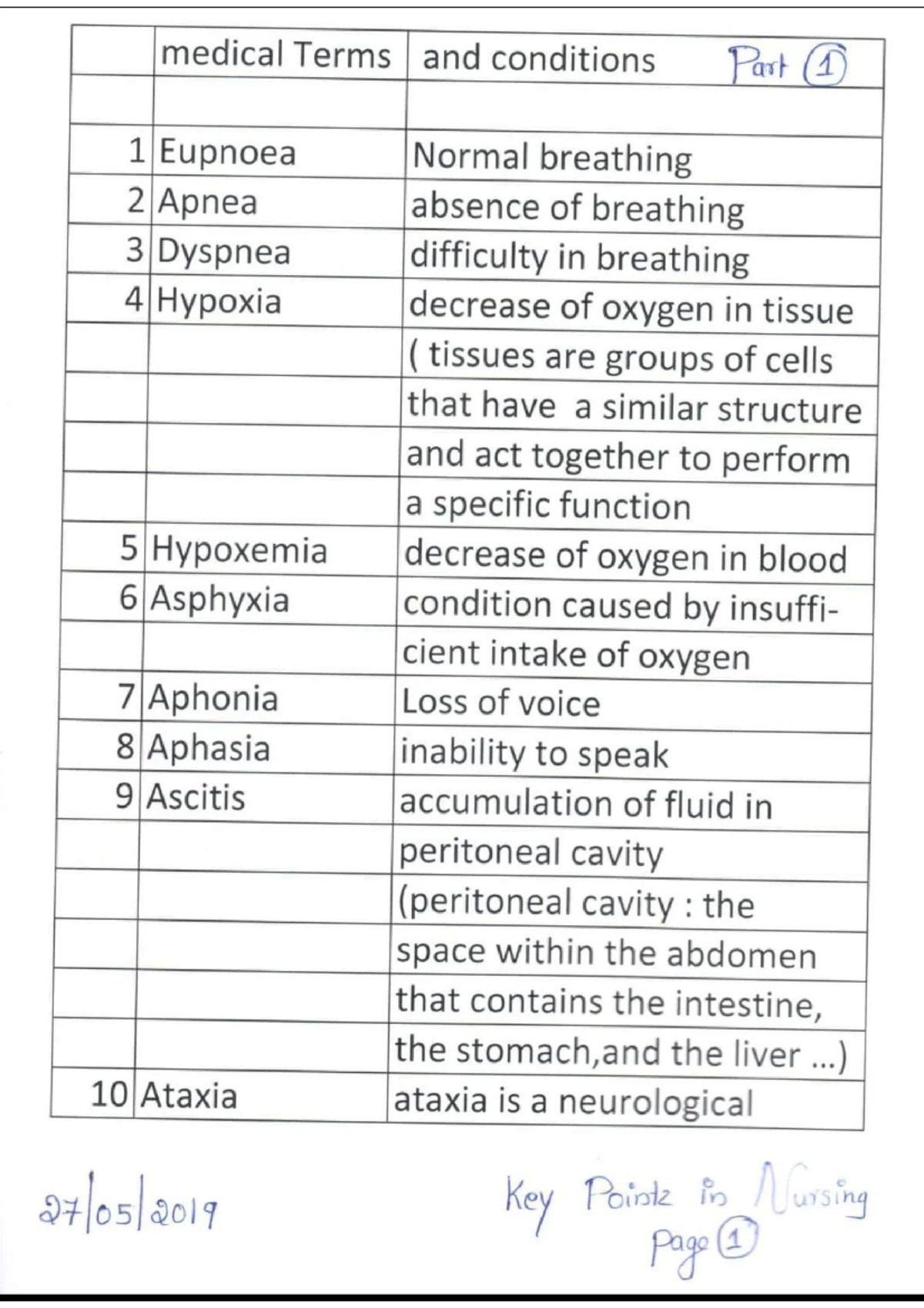
- Dyspnea: Subjective feeling of difficult or uncomfortable breathing, frequently reported in heart or lung disease.
- Hypoxia: Deficient oxygen delivery to body tissues at the cellular level, whereas hypoxemia specifically denotes low oxygen concentration in arterial blood.
- Atelectasis: Partial or complete collapse of alveoli within the lung tissue, leading to impaired gas exchange.
- Pneumothorax: Accumulation of air in the pleural space, resulting in lung collapse and mediastinal shift if left unmanaged.
- Hemoptysis: Coughing up blood or blood-tinged sputum from the larynx, bronchi, or lungs.
Gastrointestinal and Renal Systems
Gastrointestinal (GI) and renal terms characterize fluid balance, metabolic elimination, and digestion.
- Dysphagia: Difficulty or pain during swallowing, elevating the risk of aspiration pneumonia in neurological patients.
- Hematemesis: Vomiting of bright red blood or "coffee-ground" material, indicating active upper gastrointestinal bleeding.
- Anuria: Urine output of less than 100 mL over 24 hours, signaling severe acute kidney injury or complete urinary tract obstruction.
- Oliguria: Abnormally diminished urine output (typically less than 400–500 mL per 24 hours in adults).
- Nephrolithiasis: Formation of mineral deposits or stones within the renal parenchyma or collecting system.
Neurological and Musculoskeletal Systems
Neurological terms address neuromuscular function, cognitive state, and sensory perception.
- Aphasia: Neurological impairment of language expression or comprehension, categorized as expressive (Broca's), receptive (Wernicke's), or global.
- Hemiparesis: Weakness affecting one side of the body, distinct from hemiplegia, which refers to complete paralysis of one side.
- Paresthesia: Abnormal cutaneous sensation such as tingling, numbness, or "pins and needles," often caused by peripheral nerve compression or neuropathy.
- Arthralgia: Joint pain without overt physical inflammatory changes, whereas arthritis includes joint swelling and inflammation.
- Ataxia: Lack of voluntary coordination of muscle movements, leading to unstable gait and posture abnormalities.
Nursing Abbreviations and Deciphering Clinical Orders
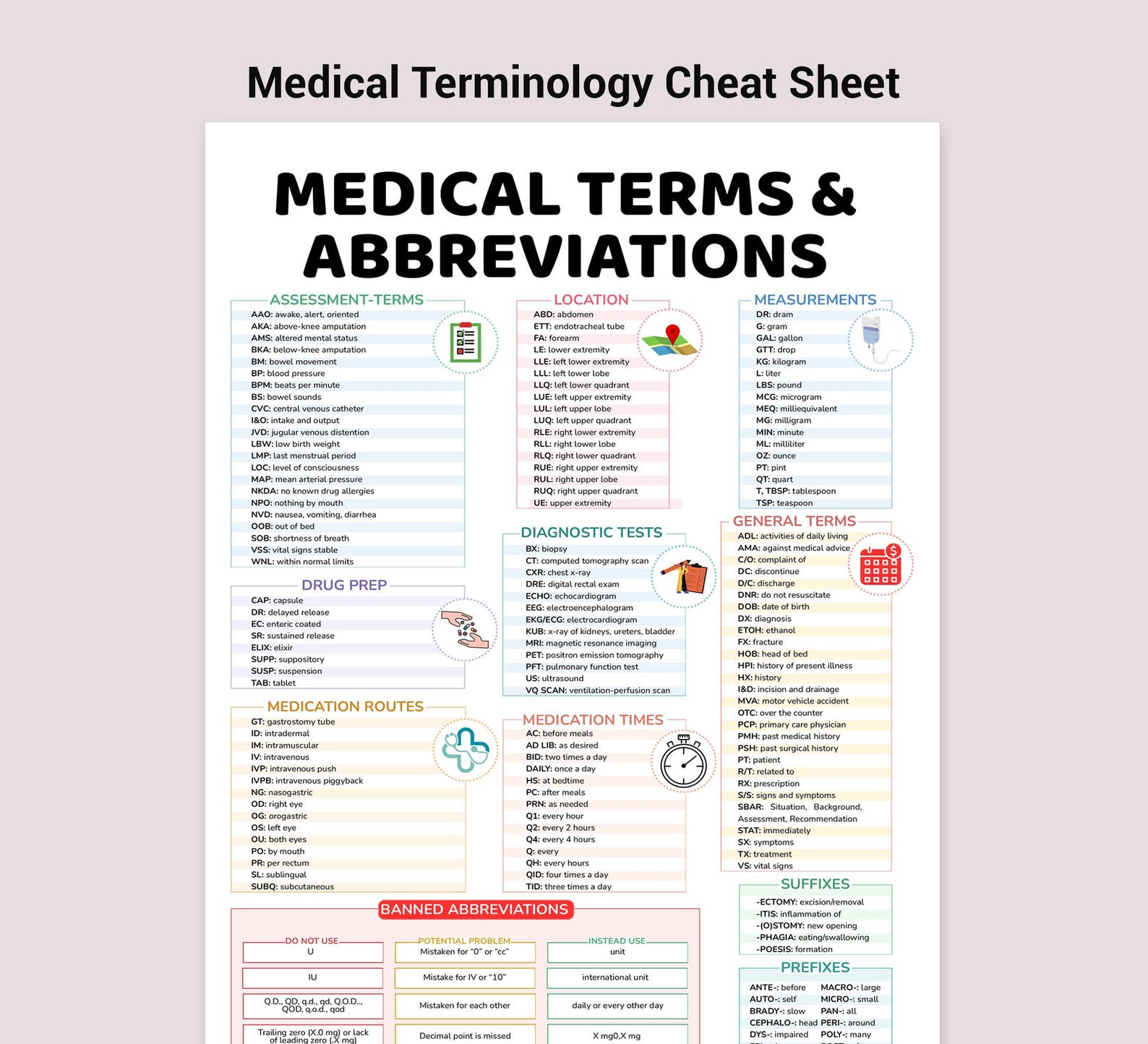
Abbreviations streamline documentation and verbal communication, but improper usage can endanger patient safety. Nurses must balance efficiency with precision and adhere to strict hospital guidelines.
Standard Clinical Abbreviations
- PRN (Pro re nata): As needed within specified parameters.
- NPO (Nil per os): Nothing by mouth (prohibiting oral fluids, foods, and oral medications).
- STAT (Statim): Immediately; requiring urgent execution, typically within 15–30 minutes.
- BID / TID / QID: Twice daily (bis in die), three times daily (ter in die), and four times daily (quater in die).
- SOB: Shortness of breath.
- ADLs: Activities of daily living (e.g., bathing, dressing, eating, ambulating).
- MAR: Medication Administration Record.
- PO / IV / IM / SC (SQ): Routes of administration — By mouth (per os), Intravenous, Intramuscular, and Subcutaneous.
The Joint Commission (TJC) "Do Not Use" List
To eliminate medication errors caused by illegible handwriting or misread orders, The Joint Commission maintains a mandatory "Do Not Use" list of abbreviations for all accredited healthcare organizations.
| Unapproved Abbreviation | Potential Error / Misinterpretation | Mandatory Approved Term |
|---|---|---|
| U, u (unit) | Mistaken for "0" (zero), "4" (four), or "cc". | Write "unit" |
| IU (International Unit) | Mistaken for "IV" (intravenous) or "10" (ten). | Write "International Unit" |
| Q.D., QD, qd (daily) | Mistaken for each other; "Q.D." misread as "QID". | Write "daily" |
| Q.O.D., QOD (every other day) | Period after "Q" misread as "I", leading to "QID". | Write "every other day" |
| Trailing zero (X.0 mg) | Decimal point missed, turning 1.0 mg into 10 mg. | Write 1 mg (Never use trailing zeros) |
| Lack of leading zero (.X mg) | Decimal point missed, turning .5 mg into 5 mg. | Write 0.5 mg (Always use leading zeros) |
| MS, MSO4, MgSO4 | Confused for morphine sulfate vs. magnesium sulfate. | Write "morphine sulfate" or "magnesium sulfate" |
Essential Reference Guide for Nursing Terminology
The following reference table outlines high-frequency medical terms, prefixes, suffixes, and abbreviations commonly encountered during nursing shifts.
| Term or Abbreviation | Classification | Definition | Clinical Application / Nursing Action |
|---|---|---|---|
| Anuria | Pathological Term | Absence of urine output (<100 mL/24 hr) | Evaluate Foley catheter patency, notify provider immediately for renal failure check. |
| Bradycardia | Assessment Term | Heart rate <60 beats per minute in adults | Assess blood pressure, perfusion, level of consciousness, and cardiac rhythm. |
| Dysphagia | Clinical Finding | Difficulty swallowing food, liquids, or saliva | Keep patient NPO, request speech therapy evaluation, elevate head of bed 90 degrees. |
| Hematuria | Diagnostic Term | Presence of red blood cells in the urine | Inspect urine color, check clean-catch urinalysis, monitor for clotting or retention. |
| Hyperkalemia | Laboratory Finding | Serum potassium level above normal range | Place patient on continuous cardiac telemetry; monitor for tall T waves on ECG. |
| Hypoxia | Physiological Term | Inadequate oxygenation at cellular/tissue level | Apply supplemental oxygen per protocol, elevate head of bed, recheck SpO2. |
| NPO | Prescribed Order | Nothing by mouth | Place sign above bed, withhold oral food/liquids, check IV fluid orders. |
| Paresthesia | Neurological Term | Abnormal sensation (tingling, numbness) | Perform neurovascular assessment; check peripheral pulses and motor function. |
| PRN | Order Parameter | As needed for specified clinical condition | Verify medication administration criteria (e.g., severe pain score >7) on MAR. |
| Tachypnea | Assessment Term | Respiratory rate >20 breaths per minute in adults | Assess breath sounds, arterial blood gas, work of breathing, and anxiety levels. |
Directional and Anatomical Terms in Charting
Accurate clinical documentation requires precise anatomical descriptors. Vague descriptions such as "wound on leg" are legally ambiguous and clinically unhelpful.
Anatomical Directional Vocabulary
- Anterior (Ventral): Toward the front of the body (e.g., "Incision located on the anterior chest wall").
- Posterior (Dorsal): Toward the back of the body (e.g., "Sacral stage 2 pressure injury on posterior pelvis").
- Superior (Cranial): Higher or closer to the head (e.g., "Laceration superior to the left eyebrow").
- Inferior (Caudal): Lower or closer to the feet (e.g., "Edema observed inferior to the patella").
- Medial: Closer to the midline of the body (e.g., "Medial aspect of the right lower extremity").
- Lateral: Farther from the midline, toward the side (e.g., "Lateral view on chest X-ray").
- Proximal: Nearer to the point of origin or trunk (e.g., "IV insertion site in the proximal forearm").
- Distal: Farther from the point of origin or trunk (e.g., "Diminished distal pulse in right foot").
- Prone: Lying face down on the abdomen.
- Supine: Lying flat on the back, face upward.
Clinical Documentation Example: Poor: "Stage 2 pressure ulcer on patient's back lower leg area." Precise: "Stage 2 pressure injury measuring 2 cm x 1.5 cm noted on the posterior-lateral aspect of the left calcaneus."
Strategies for Mastering Medical Vocabulary
Building a clinical vocabulary requires active learning and routine integration into daily practice.
- Use Spaced Repetition Flashcards: Digital tools like Anki or Quizlet utilize spaced repetition algorithms to prompt review of prefix, root, and suffix meanings just as forgetting begins, cementing long-term memory.
- Contextual Chart Reading: When reviewing electronic health records (EHRs), actively break down unfamiliar diagnostic terms using the suffix-prefix-root method rather than glossing over them.
- Structured Handoff Protocols (SBAR): Incorporate precise terminology into verbal handoff reports using the Situation-Background-Assessment-Recommendation (SBAR) framework. Using clear terms like hemiparesis instead of "weakness" ensures the oncoming nurse immediately grasps the patient's exact clinical status.
- Group Terms by Anatomy: Memorizing terms organized by body system (e.g., renal terms together) creates logical mental associations that enhance recall during bedside assessments.
Frequently Asked Questions
Why is standardized medical terminology essential in nursing?
Standardized medical terminology ensures accurate communication among nurses, physicians, pharmacists, and allied health professionals. It eliminates ambiguity in patient charting, prevents medication errors, provides precise legal documentation, and maintains continuity of care across shift transitions and inter-facility transfers.
How do I break down an unfamiliar medical term?
To break down an unfamiliar medical term, locate the suffix at the end of the word to determine the condition or procedure. Next, look at the prefix at the beginning to establish qualifiers such as speed, location, or quantity. Finally, identify the central word root to determine the affected organ or tissue, and synthesize these parts into a coherent definition.
What is the difference between hypoxemia and hypoxia?
Hypoxemia refers specifically to an abnormally low concentration of oxygen in arterial blood, typically measured via arterial blood gas (ABG) analysis. Hypoxia refers to inadequate oxygenation at the tissue and cellular levels, which can result from hypoxemia, severe anemia, or impaired tissue perfusion.
What should a nurse do if a physician uses a prohibited abbreviation in an order?
If a provider writes a order containing an abbreviation from The Joint Commission's "Do Not Use" list (such as "qd" or "MSO4"), the nurse must contact the prescribing provider to clarify and verbally verify the order before administering any medication or executing the plan. The order should be re-entered correctly in the electronic health record.
What is the distinction between a symptom and a sign in clinical terminology?
A symptom is a subjective experience reported directly by the patient, such as pain, nausea, or dyspnea, which cannot be directly measured by the clinician. A sign is an objective, measurable clinical finding observed by the healthcare provider, such as fever, tachypnea, elevated blood pressure, or a laboratory result.
Next Actions for Strengthening Your Clinical Vocabulary
To translate medical terminology knowledge into confident bedside practice, consider taking these actionable steps:
- Review Your Facility’s Policy: Download your institution’s official list of approved clinical abbreviations and "Do Not Use" policies to ensure compliance with charting guidelines.
- Build a Daily Root-Word List: Dedicate 10 minutes daily to mastering five high-yield word roots and their accompanying prefixes and suffixes.
- Practice Active Parsing During Charting: When documenting patient care in the electronic health record, deliberately select precise medical terms (e.g., diaphoretic instead of "sweaty", erythematous instead of "red") to improve clinical accuracy.
- Utilize Official Resources: Refer to standard reference sources, such as the National Library of Medicine or recognized medical dictionaries, whenever encountering ambiguous terms in clinical practice.