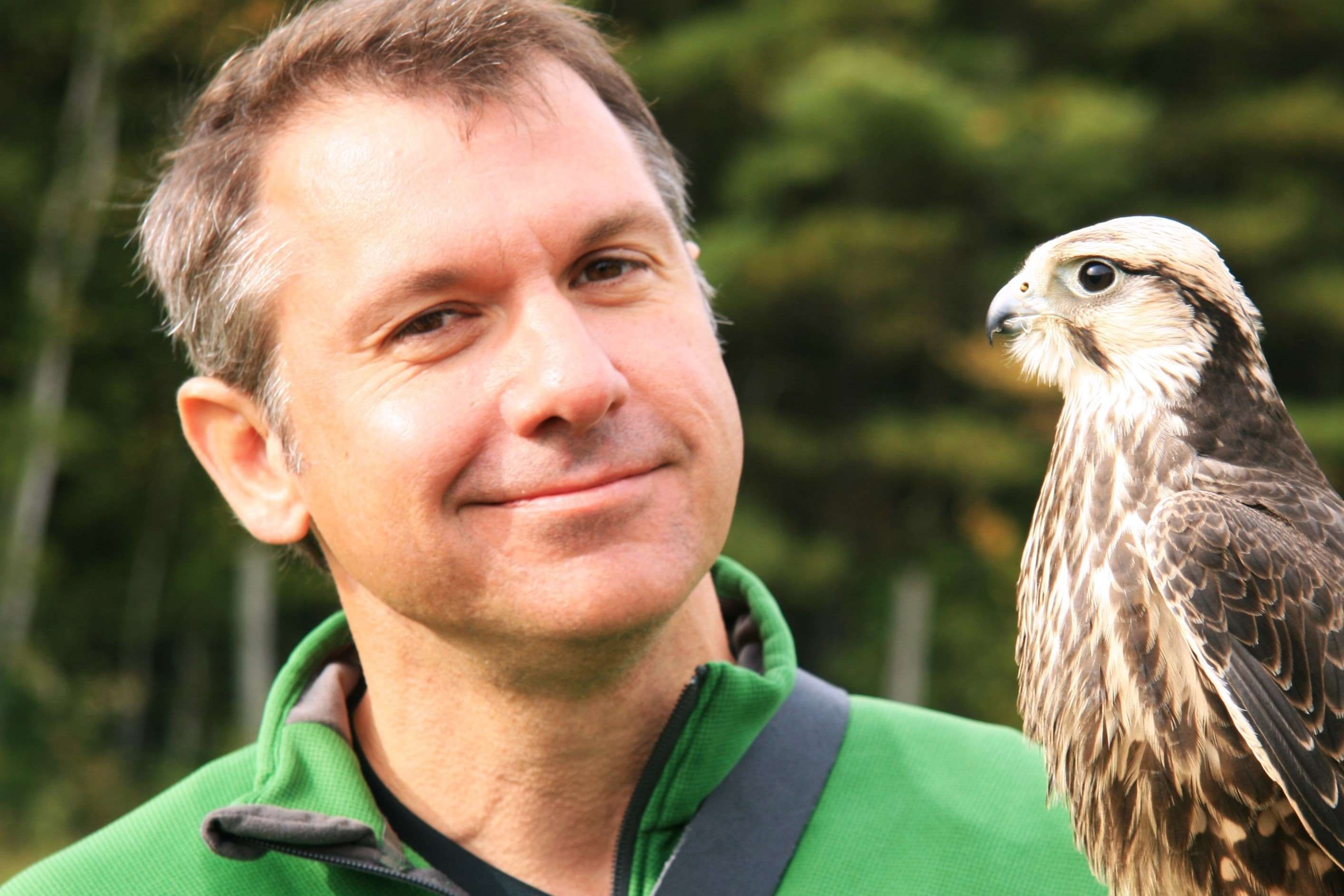
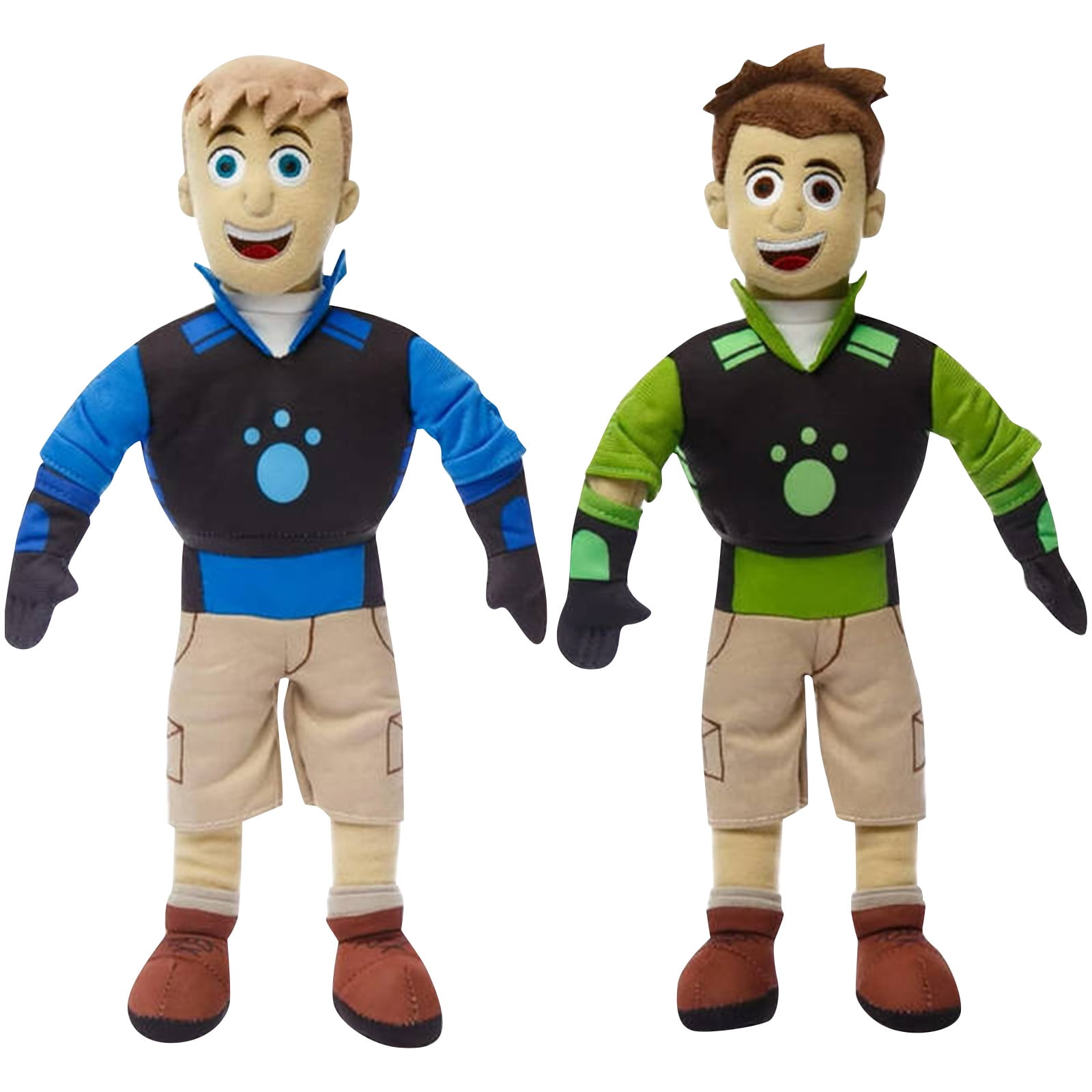
Martin Kratt is an American educational television creator, zoologist, animator, and voice actor best known for co-creating and co-hosting iconic wildlife series alongside his younger brother, Chris Kratt. Holding a degree in Zoology from Duke University, Martin has spent over three decades translating complex ecological and biological concepts into engaging media for children, including Kratts' Creatures, Zoboomafoo, Be the Creature, and Wild Kratts.
Early Life, Education, and the Genesis of Kratt Brothers Company
Martin William Kratt was born on December 23, 1965, in Summit, New Jersey, and grew up in Warren Township alongside his brother Chris. From an early age, both brothers displayed a deep fascination with the natural world, spending their childhood exploring local woodlands, tracking native fauna, and documenting wildlife behaviors. This passion led Martin to pursue formal scientific training at Duke University in Durham, North Carolina, where he earned a Bachelor of Science degree in Zoology.
During his undergraduate years, Martin engaged in field research and wildlife study, developing a rigorous understanding of animal anatomy, behavior, and habitat conservation. Recognizing that traditional academic publications reached a limited audience, Martin envisioned a medium that could bring real-world biological concepts directly to younger viewers. Following his graduation, he teamed up with his brother Chris, who studied biology at Carleton College, to form the Kratt Brothers Company.
The brothers began their media journey with minimal resources, traveling to wilderness areas with camera equipment to capture natural animal behaviors. Their early field recordings formed the foundation for pitch reels presented to public broadcasting networks. By synthesizing academic zoology with high-energy presentation, Martin established a unique brand of educational entertainment that prioritized biological accuracy alongside adventurous storytelling.
Evolution of Iconic Wildlife Television Series
Over thirty years, Martin Kratt has spearheaded several distinct television franchises, adapting his approach as media technologies and children’s viewing habits evolved. Each project reflects a deliberate pedagogical strategy designed for specific age demographics.
- 1996: Kratts' Creatures: Live-Action Field Wildlife (Ages 6-11)
- 1999: Zoboomafoo: Early Childhood / Puppet & Animal (Ages 2-6)
- 2003: Be the Creature: Immersive Field Documentary (General / Family)
- 2011: Wild Kratts: Animated / Live-Action Hybrid (Ages 4-10)
Kratts' Creatures (1996)
Debuting on PBS in 1996, Kratts' Creatures served as the flagship series for the Kratt Brothers Company. The show featured Martin and Chris traveling to remote global habitats—from the African savanna to the Australian outback—to document wildlife in its natural environment. Accompanied by a fictional computer-animated companion named Allison (voiced by Shannon Duff) and a teenage assistant named TTV, the series broke away from traditional voiceover documentaries. Martin acted as both co-host and head writer, establishing the energetic, hands-on presentation style that would become his trademark.
Zoboomafoo (1999–2001)
Recognizing a need for wildlife programming tailored to preschoolers, Martin and Chris created Zoboomafoo, which aired on PBS Kids from 1999 to 2001. Set in a colorful indoor-outdoor studio called "Animal Junction," the show combined live-action animal visits, claymation segments, and puppetry. The title character, a Coquerel's sifaka lemur, was portrayed by a live lemur named Jovian—sourced from the Duke Lemur Center—and voiced in puppet form by Canadian puppeteer Gord Robertson.
Martin’s role in Zoboomafoo involved breaking down fundamental biological concepts—such as how animals eat, move, or clean themselves—into accessible, repetitive learning points suitable for early childhood development. The show received a Daytime Emmy Award for Outstanding Directing in a Children's Series and remains a benchmark for early childhood environmental education.
Be the Creature (2003–2004)
Targeting an older audience, Be the Creature premiered on the National Geographic Channel and the Canadian Broadcasting Corporation (CBC). In this series, Martin and Chris adopted an immersive, cinema-verité approach to wildlife filmmaking. Rather than remaining distant observers, the brothers spent weeks living alongside specific animal species, such as brown bears in Alaska, wild dogs in the Kalahari, or emperor penguins in Antarctica.
Martin served as an executive producer, director, and writer for the show. The narrative focused on the daily survival struggles of individual animal packs, emphasizing predator-prey dynamics, territorial behavior, and rearing offspring without sugarcoating the harsh realities of nature.
Wild Kratts (2011–Present)
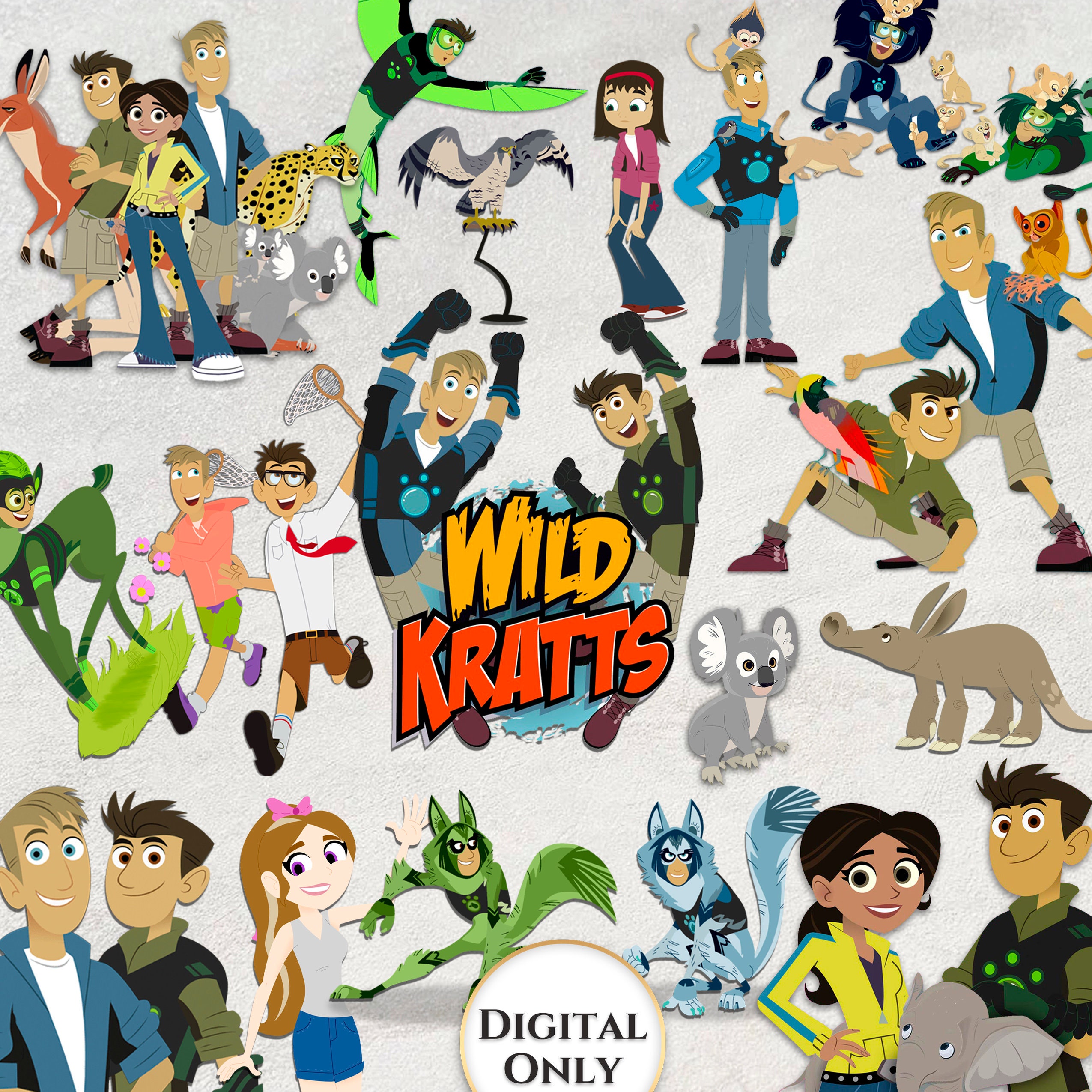
In 2011, Martin and Chris launched Wild Kratts, an animated adventure series produced by the Kratt Brothers Company and 9 Story Media Group for PBS Kids and TVOKids. The show marks a structural departure from their previous work by utilizing 2D flash animation framed by live-action bookend segments.
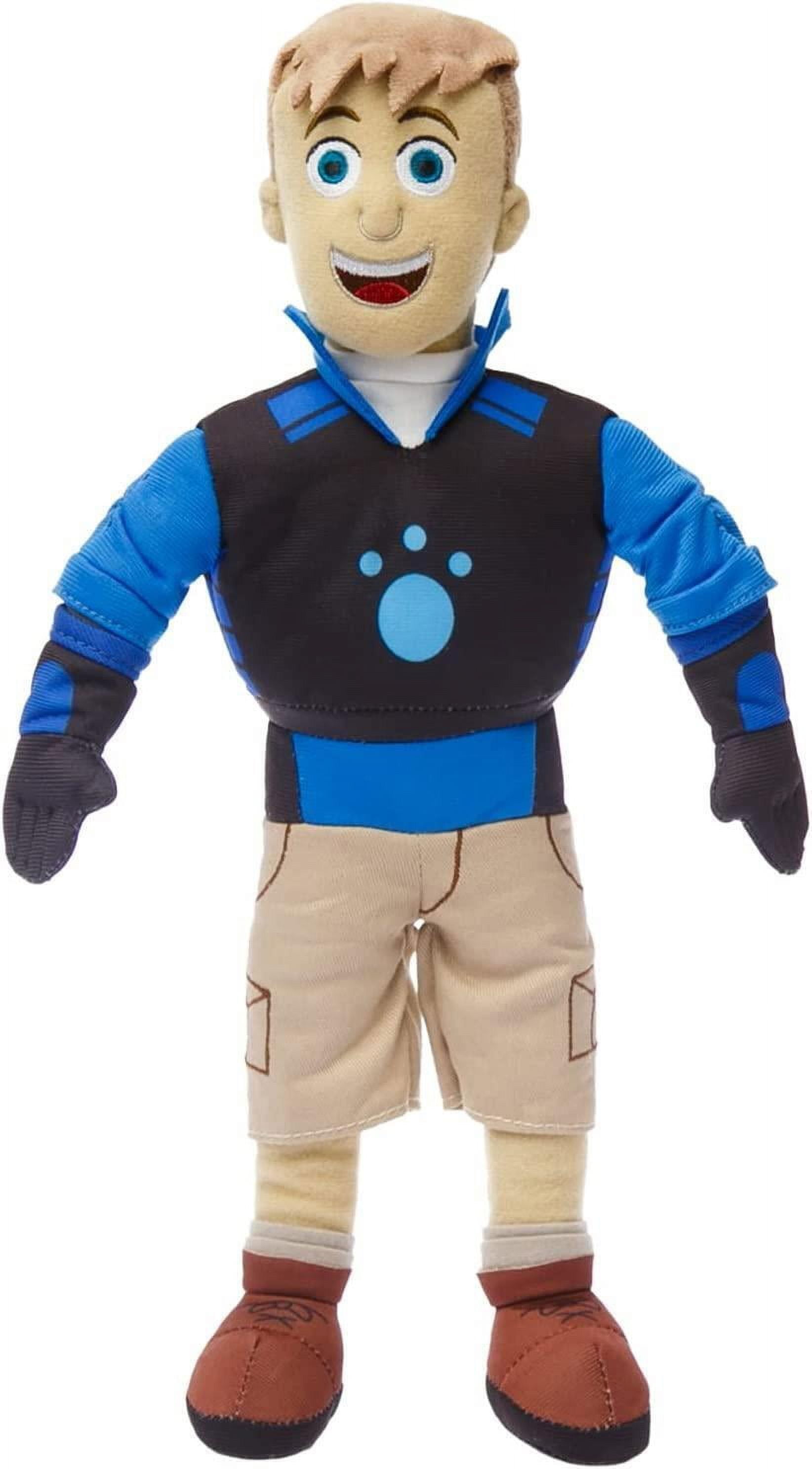
In the animated world, Martin voices a fictionalized version of himself wearing a distinctive blue suit. The premise revolves around the "Tortuga," a turtle-shaped aircraft crewed by the Kratt brothers and an expert support team (inventor Aviva, tech specialist Koki, and communications operator Jimmy Z). Through "Creature Power Suits"—technological suits that replicate the specialized biological adaptations of animals—Martin and Chris explore ecosystems, rescue animals from bio-villains, and explain ecological concepts.
Comparing the Kratt Brothers Television Franchises
The following table summarizes the structural, demographic, and educational differences across the primary series co-created by Martin Kratt:
| Series Title | Broadcast Dates | Target Audience | Primary Format | Core Educational Focus |
|---|---|---|---|---|
| Kratts' Creatures | 1996 | Children (Ages 6–11) | Live-action field footage with computer interface elements | Habitat exploration, biodiversity, basic ecological niches |
| Zoboomafoo | 1999–2001 | Preschool (Ages 2–6) | Live animal interactions, puppetry, claymation, studio sets | Animal identification, physical adaptations, basic senses |
| Be the Creature | 2003–2004 | General / Family | Immersive live-action documentary field footage | Ethology, predator-prey dynamics, extreme survival tactics |
| Wild Kratts | 2011–Present | Elementary (Ages 4–10) | 2D Animation bracketed by live-action host segments | Advanced bio-mechanics, ecosystem relationships, evolutionary features |
Educational Philosophy and Biological Accuracy
Martin Kratt’s approach to science communication rests on a foundational belief: children possess an innate curiosity about living organisms that can be channeled into genuine scientific understanding. Rather than relying purely on anthropomorphic fairy tales, Kratt incorporates formal zoological concepts into his scripts.
Translating Complex Concepts into Narrative Tropes
In Wild Kratts, Martin uses superhero conventions to explain real evolutionary mechanics. When the character "Martin" activates a Creature Power Suit modeled after a peregrine falcon, the narrative directly addresses the physics of a diving stoop, drag reduction, and specialized eye membranes. Similarly, an episode focusing on the sperm whale breaks down echolocation, deep-sea pressure resistance, and squid hunting mechanisms.
Key zoological concepts regularly integrated into Martin’s writing include:
- Morphological Adaptations: How physical structures (e.g., opposable thumbs, prehensile tails, baleen plates) serve survival functions.
- Ecological Niches: The specific role an organism plays within its habitat, including its position in the food web.
- Symbiosis: Mutualistic, commensal, and parasitic relationships between species, such as oxpeckers and large herbivores.
- Conservation Status: The impact of habitat loss, invasive species, and climate disruption on native species populations.
Real-World Conservation Contributions
Beyond media production, Martin Kratt has used his platform to fund and execute real-world conservation projects. In the late 1990s, the Kratt Brothers founded the Kratt Brothers Creature Hero Society. Partnering with organizations such as The Nature Conservancy, the foundation successfully established the Grizzly Gulch Reserve in Montana—a 1,200-acre wildlife refuge designed to protect habitat corridors for grizzly bears and associated Rocky Mountain wildlife.
Character Dynamics: Martin vs. Chris Kratt
Throughout their media career, Martin and Chris Kratt have cultivated distinct on-screen personas that balance entertainment with educational instruction. Understanding their roles offers insight into how the brothers structure their writing and presentation.
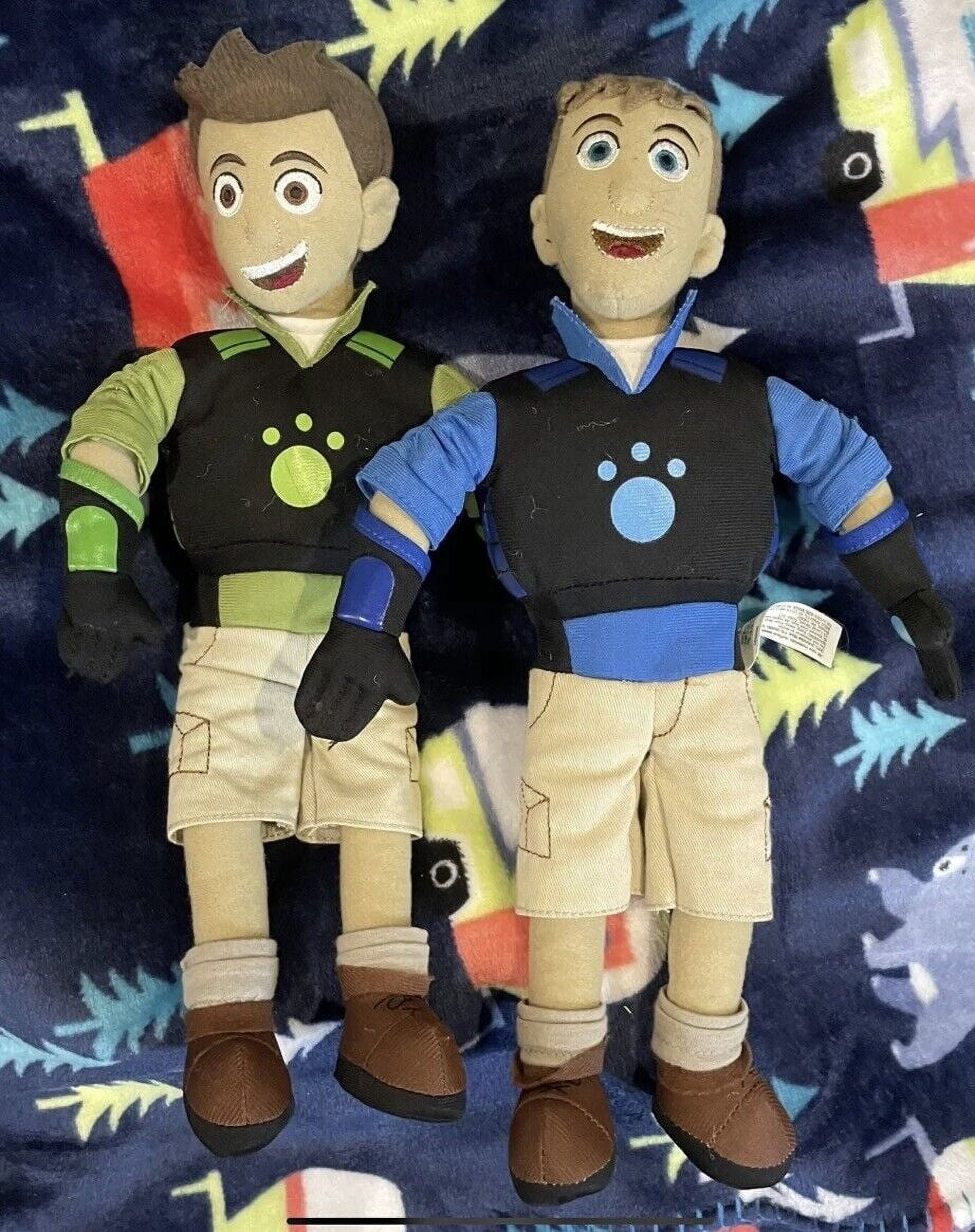
- MARTIN KRATT (Blue)
- Enthusiastic & Playful
- Focuses on Naming & Bonding
- Driven by Instinct & Natural Curiosity
- CHRIS KRATT (Green)
- Methodical & Analytical
- Focuses on Technical & Tactical Data
- Driven by Scientific Observation
On-Screen Roles
- Martin Kratt (Blue): In Wild Kratts and their live-action shows, Martin is portrayed as the more impulsive, artistic, and emotionally expressive brother. He is known for giving whimsical names to wild animals they encounter (e.g., "Grabsy" the monkey or "Little Howler" the wolf pup), a device designed to encourage emotional empathy from young viewers.
- Chris Kratt (Green): Chris is typically framed as the more analytical, technical, and detail-oriented scientist. He often provides precise measurements, taxonomical classifications, and structural breakdowns of animal abilities.
Behind-the-Scenes Production Duties
Behind the camera, Martin serves as an executive producer, head director, and primary voice actor for his animated avatar. He writes a significant portion of the script dialogue for Wild Kratts, ensuring that the balance between comedic pacing and scientific accuracy is maintained. His background in zoology allows him to review script drafts for biological correctness, verifying that animal capabilities depicted on screen reflect verified scientific literature.
Frequently Asked Questions
What degree does Martin Kratt hold, and where did he study?
Martin Kratt holds a Bachelor of Science (B.S.) degree in Zoology from Duke University. His academic training in Durham, North Carolina, provided the foundational biological knowledge used to develop his educational television series.
Which character does Martin Kratt voice in Wild Kratts?
Martin Kratt voices his own animated counterpart, Martin Kratt (typically dressed in his signature blue Creature Power Suit), in Wild Kratts. He also occasionally voices secondary wild animal sound effects and minor characters within the show.
Are Martin and Chris Kratt actual biological brothers?
Yes, Martin and Chris Kratt are real brothers. Martin was born in December 1965, and Chris was born in September 1969. They grew up together in New Jersey before launching their media production company.
How did the production team film the live lemur scenes in Zoboomafoo?
The live-action scenes featuring the lemur in Zoboomafoo utilized Jovian, a real Coquerel's sifaka from the Duke Lemur Center. Filming took place on a custom-built studio set designed with safe climbing structures. Human trainers used positive reinforcement to encourage Jovian to jump across sets, after which the show transitioned to a puppet voiced by Gord Robertson for dialogue segments.
Is Wild Kratts still active and producing content?
Yes, Wild Kratts remains an active television franchise. The series continues to broadcast globally on platforms such as PBS Kids and TVOKids, supported by special feature-length films, educational games, and live touring shows managed by the Kratt Brothers Company.
Utilizing Kratt Brothers Media for STEM Education
Educators, parents, and wildlife enthusiasts can effectively integrate Martin Kratt’s body of work into informal and formal science education curricula. To maximize the learning outcome of these media resources, consider the following structured steps:
- Pair Animated Episodes with Real-World Observation: Follow a episode of Wild Kratts with direct observation of local wildlife or live-streamed zoo feeds. Have learners compare the animated depiction of animal adaptations with real-life movements and behaviors.
- Utilize the "Creature Power" Framework for Lesson Plans: Encourage students to identify an animal's specific physical traits (e.g., camouflage, echolocation, specialized claws) and design their own "Creature Power Disc." This exercise reinforces anatomical function and evolutionary concepts.
- Explore Official Educational Resources: Access the PBS Kids Wild Kratts Portal for vetted interactive games, printable field journals, and standards-aligned lesson plans created alongside the series.
- Connect Viewing to Local Conservation: Leverage the conservation themes presented in Martin Kratt's work to engage children in local habitat restoration, bird counting projects, or native plant garden installations.
By maintaining high scientific standards while engaging children's imaginations, Martin Kratt has established a model for wildlife instruction that continues to inspire young biologists worldwide.