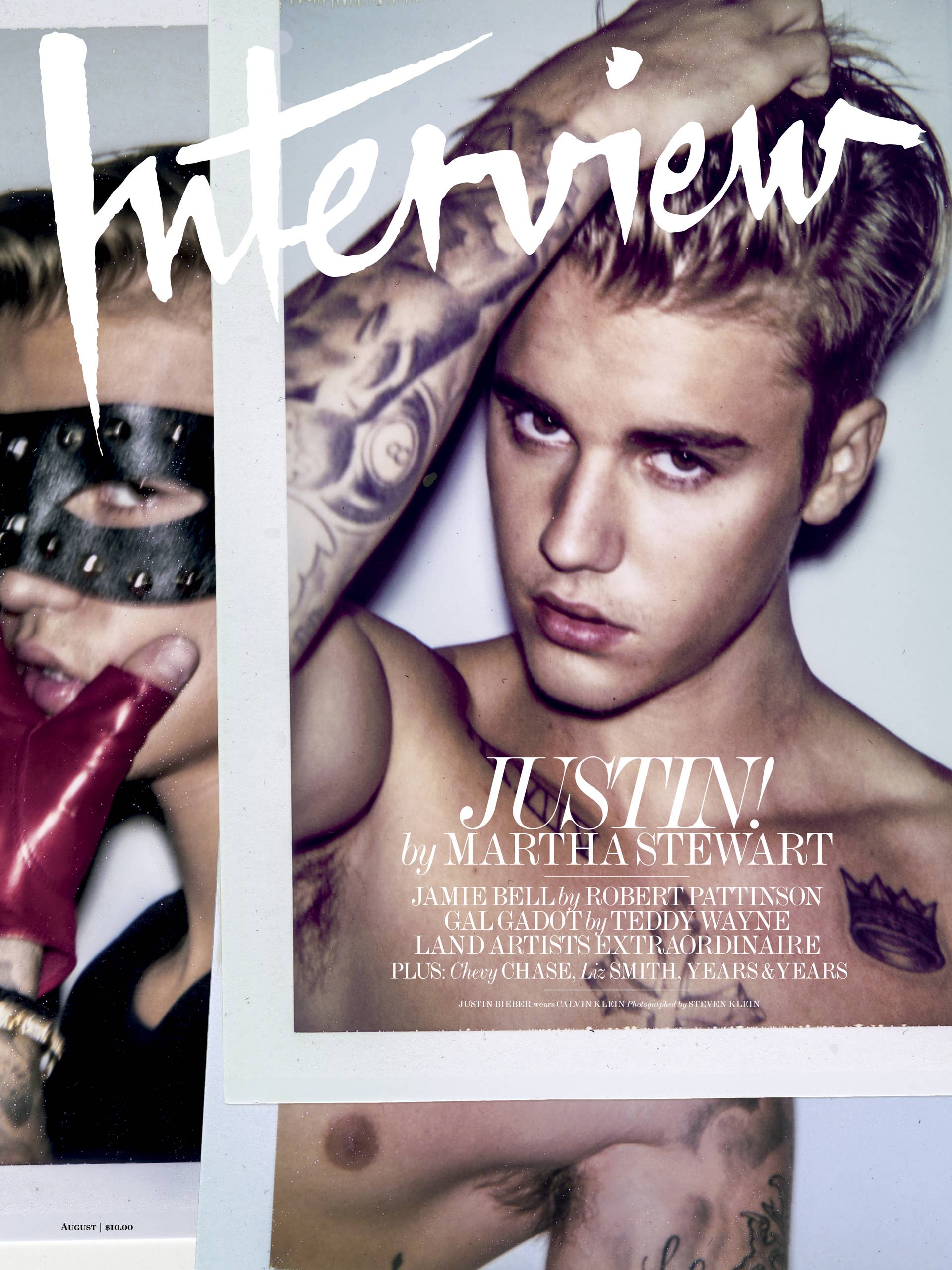
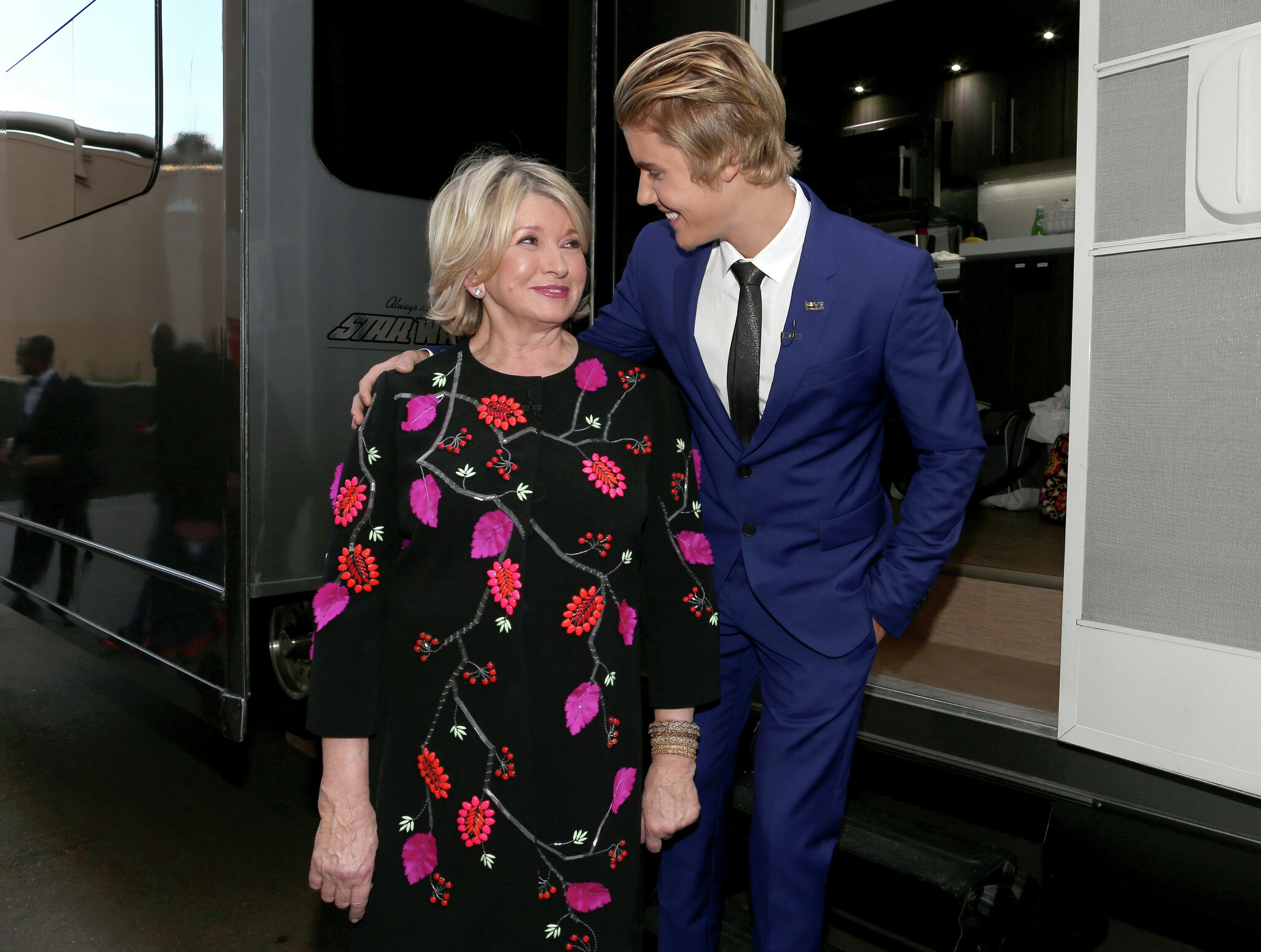
During the 2015 Comedy Central Roast of Justin Bieber, lifestyle mogul Martha Stewart delivered a deadpan, widely praised comedy set aimed at the pop star. Her public comments combined sharp prison advice with net-worth boasts, sparking a massive viral response that reshaped her brand perception, expanded her audience demographic, and preceded major corporate restructuring for her media empire.
Context and Origin of the 2015 Justin Bieber Roast
In March 2015, Comedy Central taped The Comedy Central Roast of Justin Bieber, hosted by roast master Kevin Hart. The event brought together an eclectic dais of veteran comedians like Jeffrey Ross, Hannibal Buress, and Pete Davidson, alongside recording artists Ludacris and Snoop Dogg. Among the most unexpected participants was Martha Stewart, the founder of Martha Stewart Living Omnimedia (MSLO) and the undisputed archetype of traditional domestic elegance.
At the time of the taping, Justin Bieber was seeking to rehabilitate his public image following several high-profile legal troubles, driving incidents, and tabloid controversies. Stewart’s inclusion on the dais was initially viewed as an oddity. However, her participation was a deliberate crossover move. Rather than shying away from her own past—specifically her 2004 federal conviction and five-month incarceration at FPC Alderson—Stewart leveraged her public history as a foundation for her performance.
The broadcast premiered on March 30, 2015, attracting millions of viewers and generating unprecedented social media engagement. Critics across major media outlets, including The Hollywood Reporter, Variety, and Rolling Stone, overwhelmingly singled out Stewart's performance as the highlight of the night. Her calm, precise delivery juxtaposed against brutal jokes created a sharp contrast that dominated post-event media coverage.
Deconstructing Stewart’s Commentary and Delivery Strategy
Martha Stewart’s set succeeded due to contrast, timing, and unyielding self-confidence. While other roasters relied on elevated vocal dynamics and rapid-fire insults, Stewart maintained the measured tone of an instructional television presenter while delivering dark humor and calculated financial flexes.
Key Elements of Stewart's Roast Strategy:
- Subversion of Expectations: Delivering ruthless jokes in a gentle domestic tone
- Leveraged Vulnerability: Turning past incarceration into comedic authority
- Demographic Crossover: Establishing immediate rapport with younger pop-culture audiences
- Wealth Framing: Positioning economic success as the ultimate metric of status
Her public commentary directed at Bieber focused on three distinct themes:
- Jailhouse Survival and Advice: Drawing directly on her time in federal prison, Stewart offered Bieber practical "tips" for his potential future behind bars. Her detailed descriptions of prison etiquette, homemade shanks, and cellblock dynamics executed with an earnest, instructional tone provided the broadcast's biggest laughs.
- Financial Superiority and Career Guidance: Stewart repeatedly contrasted her established business empire with Bieber’s youthful fortune. She urged him to invest his capital wisely, manage his brand equity, and avoid wasteful expenditures, framing her advice in a tone that was simultaneously maternal and transactional.
- Romantic and Lifestyle Suggestions: Stewart jokingly outlined criteria for Bieber’s ideal life partner, suggesting that he needed an experienced, wealthy, and stable woman—subtly pointing to herself in a self-deprecating yet dominant manner.
By leaning directly into her criminal record rather than ignoring it, Stewart disarmed potential detractors. Her willingness to mock her own past neutralized it as a public relations vulnerability, transforming an old scandal into an engine for contemporary cultural relevance.
Analyzing the "Market Reaction": Brand Equity and Valuation Metrics
To evaluate the "market reaction" to Stewart's public commentary, one must examine both immediate consumer sentiment metrics and long-term financial valuations of her commercial properties.
When the roast aired in early 2015, Martha Stewart Living Omnimedia (formerly traded under the NYSE ticker MSLO) was struggling with print advertising declines and digital transition friction. While a single television appearance rarely drives sustained equity price spikes on publicly traded exchanges, the viral reaction created measurable shifts in brand affinity, consumer demographics, and M&A positioning.
Public Reaction Timeline (2015):
- March 14, 2015: Roast of Justin Bieber taped in Los Angeles
- March 30, 2015: Broadcast airs; Stewart's set goes viral across YouTube/Twitter
- April–May 2015: Media sentiment shifts; Gen Z and Millennial search volume surges
- June 22, 2015: Sequential Brands Group announces acquisition of MSLO (~$353 Million)
Immediate Sentiment and Demographic Shifts
In the weeks following the broadcast, digital engagement metrics for Stewart spiked significantly among millennials and Generation Z viewers—demographics that had historically viewed her brand as outdated or rigid. Social media monitoring noted a dramatic uptick in positive sentiment, with viral clips of her set garnering tens of millions of views across digital platforms.
This sudden influx of youth cultural capital effectively broadened her consumer funnel. Modern brand valuation models recognize that culturally relevant founders lower customer acquisition costs (CAC) for licensed products and media properties.
Corporate Restructuring and Acquisition Realities
Less than three months after the roast broadcast, on June 22, 2015, Sequential Brands Group announced an agreement to acquire Martha Stewart Living Omnimedia in a cash-and-stock deal valued at approximately $353 million ($6.15 per share).
While the merger negotiations had been underway long before the Bieber roast took place, financial analysts noted that Stewart’s revitalized public profile smoothed the path for ongoing licensing expansion. The deal allowed Sequential to leverage Stewart’s refreshed image across new retail channels and international markets, preserving her position as Chief Creative Officer and board member.
Long-Term Commercial Expansion: The Snoop Dogg Partnership
The most direct financial and strategic derivative of Stewart's roast appearance was her unexpected chemistry with rapper Snoop Dogg. Seated next to each other on the dais during the broadcast, their natural banter caught the attention of television executives and producers.
This single public interaction spawned a lucrative entertainment franchise:
- Martha & Snoop’s Potluck Dinner Party (2016): Greenlit by VH1, the unscripted cooking and talk show achieved strong ratings, earning an Emmy nomination in 2017. The program brought high-profile celebrity guests into an informal kitchen setting, running for multiple seasons.
- Commercial Endorsements: The pair capitalized on their dynamic through national advertising campaigns for brands such as T-Mobile, BIC Lighters (specifically the EZ Reach lighter), and Skechers, generating substantial royalty revenue.
- Co-Branded Retail Products: Stewart leveraged her refreshed image to launch unconventional product lines, including hemp-derived CBD wellness gummies with Canopy Growth Corporation and wine partnerships (such as 19 Crimes Martha’s LDI California Chardonnay).
Without the cultural repositioning initiated by her comments at the Justin Bieber roast, these high-margin, youth-oriented licensing deals would have faced significant brand incongruity.
Strategic Evaluation: Traditional vs. Modern Celebrity Brand Pivots
The public reaction to Martha Stewart’s roast comments provides a case study in personal brand management and public relations repositioning. The table below outlines how her corporate strategy shifted before and after this key media event.
| Metric / Dimension | Pre-Roast Baseline (Prior to 2015) | Immediate Post-Roast Pivot (2015–2016) | Long-Term Market Positioning (2016–2026) |
|---|---|---|---|
| Primary Audience Demographic | Gen X, Baby Boomers, traditional homemakers | Gen X, Millennials, emerging pop-culture consumers | Multi-generational (Gen Z through Baby Boomers) |
| Brand Tone & Persona | Formal, precise, aspirational domestic perfectionist | Self-aware, witty, adaptable, culturally fluent | Irreverent authority figure, cross-genre media personality |
| Core Revenue Drivers | Print magazines, broadcast TV, retail licensing (Kmart, Macy's) | Cable television, digital syndication, media merger valuation | Diverse licensing deals, CBD products, spirits, streaming, social media partnerships |
| Public Handling of Scandals | Defensive, minimal reference to 2004 legal history | Direct satire, leveraging prison time as comedic currency | Fully integrated narrative of resilience and business savvy |
| Corporate Valuation Anchor | Traditional media ad revenues & physical print distribution | Brand intellectual property and licensing potential | Multi-platform personal brand licensing model |
Strategic Lessons for Brand Managers and Media Analysts
Martha Stewart’s performance at the roast offers clear, actionable insights for public figures, corporate brand managers, and media strategists seeking to reframe public perception.
1. Embrace Flaws to Control the Narrative
Rather than avoiding her legal history, Stewart weaponized it. By converting a past crisis into sharp satire, she deprived critics of a weapon. Brands and executives facing lingering reputational baggage can often defuse negative associations by demonstrating genuine self-awareness and controlled humor.
2. High-Contrast Positioning Drives Engagement
The contrast between Stewart’s refined aesthetic and her provocative humor created elevated audience interest. In saturated markets, radical subversion of expected positioning cuts through advertising noise far more effectively than incremental brand updates.
3. Culture Crossovers Lower Customer Acquisition Costs
By participating in an event tailored to a younger demographic, Stewart expanded her reach without spending millions on targeted advertising campaigns. Strategic crossover appearances allow mature brands to tap into established external audiences efficiently.
4. Public Persona Directly Influences Enterprise Equity Value
While short-term media buzz does not automatically translate to market capitalization gains, sustained brand relevance protects licensing royalties and corporate enterprise value during mergers and acquisitions. Culturally active founders present lower risk profiles to acquiring entities.
Frequently Asked Questions
What were Martha Stewart's most famous lines during the Justin Bieber roast?
Martha Stewart delivered several memorable jokes, including detailed survival advice for prison based on her time at FPC Alderson. She humorously advised Justin Bieber on making prison weapons, recommended that he acquire tattoos to look tough, and suggested that he find a partner who was wealthy and experienced, pointing directly to her own net worth and achievements.
Did Martha Stewart's stock price increase after the Justin Bieber roast?
The stock of Martha Stewart Living Omnimedia (MSLO) did not experience an immediate, direct spike solely due to the March 2015 broadcast. However, the event caused a major surge in positive brand sentiment and public attention. In June 2015, roughly three months after the roast aired, MSLO entered an agreement to be acquired by Sequential Brands Group for approximately $353 million.
How did the roast lead to Martha Stewart's partnership with Snoop Dogg?
Martha Stewart and Snoop Dogg sat next to each other on the roast dais during the 2015 taping. Their natural on-screen chemistry and comedic interaction caught the attention of television producers. This interaction led directly to the development of their hit VH1 unscripted series, Martha & Snoop's Potluck Dinner Party, which premiered in late 2016 and expanded into long-term commercial co-branding deals.
Why did Martha Stewart agree to participate in a Comedy Central roast?
Stewart agreed to join the roast to connect with younger generations and showcase her adaptability. Her advisors recognized that appearing in a self-deprecating, youth-focused venue would help modernize her brand image, shed remaining stigmas surrounding her 2004 prison sentence, and broaden the reach of her domestic products to millennial consumers.
What corporate impact did the roast have on Martha Stewart's business empire?
The roast served as a strategic catalyst that shifted Stewart's public identity from a rigid domestic authority to an approachable pop-culture icon. This transition facilitated high-margin licensing deals in non-traditional categories—such as wine, CBD products, lighter endorsements, and youth apparel—ensuring her brand maintained commercial vitality across changing retail landscapes.
Actionable Strategy: Modernizing Legacy Brand Equity
Organizations and public figures seeking to modernize an established brand identity should execute a structured repositioning plan based on the principles demonstrated by Stewart's media pivot:
- Audit Brand Vulnerabilities: Identify lingering past controversies or outdated public perceptions. Determine which elements can be addressed transparently or neutralized with self-aware humor.
- Identify Asymmetric Crossover Channels: Select media platforms, events, or collaboration partners outside your traditional domain that share your target growth demographic.
- Calibrate High-Contrast Messaging: Construct an audience engagement strategy that maintains core brand expertise while introducing unexpected stylistic or cultural elements.
- Capitalize on Cultural Capital: Immediately follow viral public exposure with structured commercial pipelines—such as new product lines, strategic joint ventures, or media partnerships—to convert temporary attention into durable financial value.