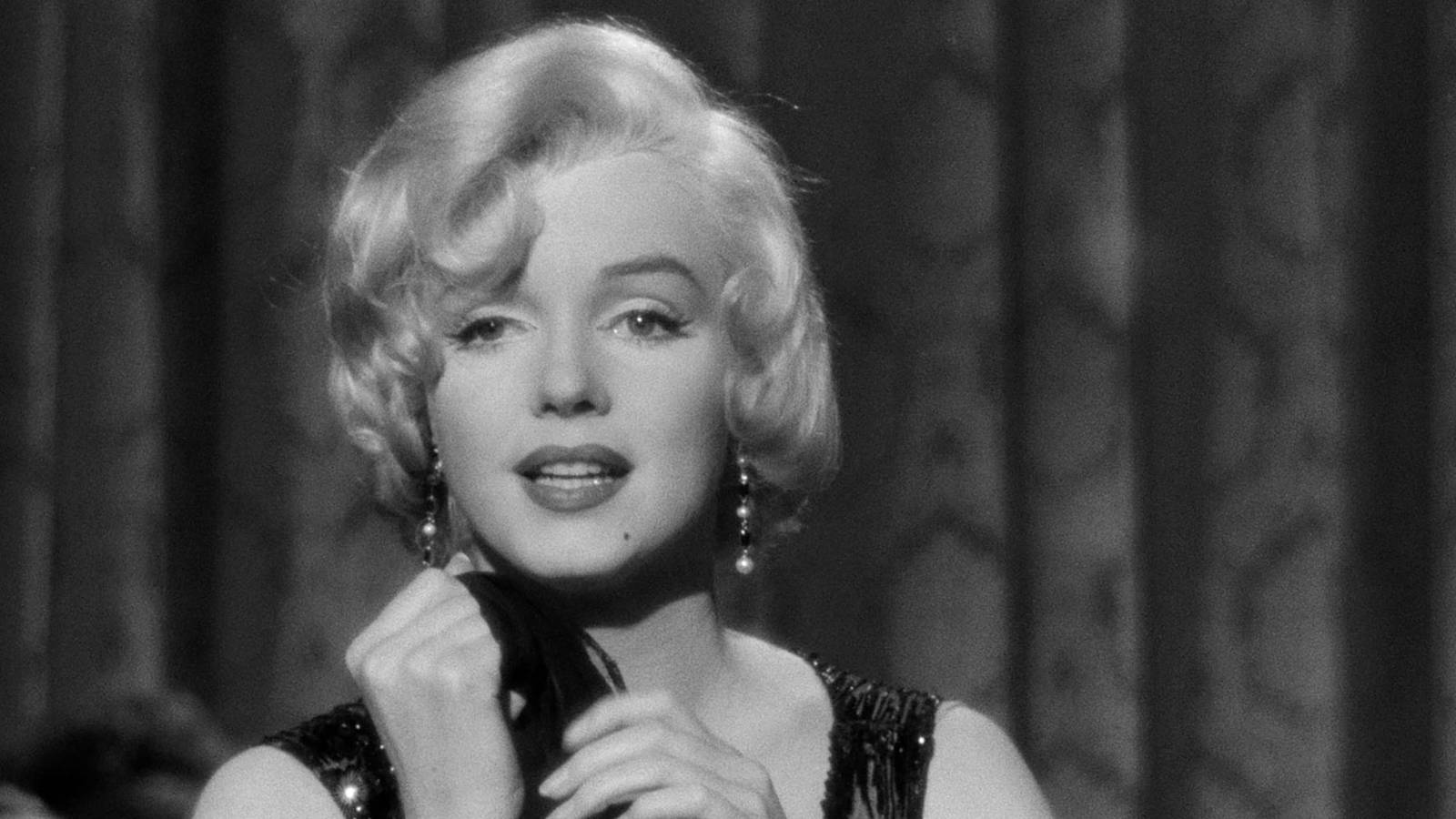
Marilyn Monroe's death on August 5, 1962, remains one of the most debated events in Hollywood history. While official records cite "probable suicide" due to barbiturate poisoning, the crime scene photos and forensic evidence have fueled decades of investigation, conspiracy theories, and public fascination regarding the circumstances in her Brentwood home.
The investigation into the death of Norma Jeane Mortenson—known globally as Marilyn Monroe—involved a complex web of police reports, autopsy findings, and photographic evidence. Understanding what is known about the case requires a careful examination of the scene at 12305 Fifth Helena Drive, the documented forensic photography, and the subsequent "lost" or suppressed evidence that continues to haunt the archives of the Los Angeles Police Department (LAPD).
The Scene at 12305 Fifth Helena Drive
When the LAPD arrived at Marilyn Monroe’s residence in the early hours of August 5, 1962, they encountered a scene that appeared both clinical and chaotic. Marilyn was found deceased in her bedroom, lying face down (prone position) on her bed. The initial report from Sergeant Jack Clemmons, the first officer on the scene, noted several irregularities that would later form the basis for various conspiracy theories.
The room was sparsely furnished, reflecting the fact that Marilyn had recently moved in and was still in the process of decorating. However, the most significant details captured in crime scene descriptions and photographs were the items surrounding her bed. A nightstand was cluttered with numerous prescription pill bottles, including Nembutal and chloral hydrate. Crucially, investigators noted the absence of a water glass or any liquid that would have been necessary to ingest the high volume of pills found in her system, though a glass was later found near the bed in subsequent searches.
Photographs of the room show a degree of disarray that some investigators found inconsistent with a peaceful suicide. There were reports of a "purple discoloration" on her body, which is a natural part of livor mortis, but its distribution led some to question if her body had been moved after death.
Official Forensic Photography and the LAPD Files
The official crime scene photos taken by the LAPD were intended for the coroner’s report and potential criminal proceedings. These images document the bedroom, the bathroom, and the exterior of the house. Most of these photos remained confidential for years, though several have since been released through Freedom of Information Act (FOIA) requests or leaked to the media.
Documented Visual Evidence
Official photographs typically categorized in the case file include:
- The Bedroom Overview: Showing the position of the bed relative to the windows and door.
- The Nightstand: A close-up of the prescription bottles, which were central to the "acute barbiturate poisoning" verdict.
- The Body: Images documenting the position in which she was found, covered by a pale blue sheet.
- The Household Environment: Photos of the guest cottage and the main living areas, which appeared relatively undisturbed.
The photographic evidence was used by the Los Angeles County Coroner, Dr. Thomas Noguchi, during the autopsy. Noguchi’s findings, documented in his 1983 memoir Coroner, highlighted that while the photos supported a massive ingestion of drugs, the physical lack of pill residue in the stomach—often called "the mystery of the missing crystals"—remains a point of technical contention among forensic pathologists.
The Famous "Morgue Photos" and Leigh Wiener
Beyond the official police photographs, a secondary and highly controversial set of images exists. Leigh Wiener, a freelance photojournalist, managed to gain access to the Los Angeles County Morgue shortly after Monroe’s body was transported there. By allegedly bribing morgue attendants with a bottle of whiskey, Wiener was able to photograph the screen icon’s remains.
Wiener reportedly shot five rolls of film. Three of these rolls were sent to LIFE magazine, but they were deemed too graphic for publication and were returned or suppressed. According to Wiener’s son, Devik, in a 2019 documentary, the remaining two rolls—which allegedly included images of Monroe’s nude body—were hidden in a safe deposit box and never released to the public.
The existence of these unofficial photos adds a layer of morbid complexity to the case. While they do not provide "crime scene" context in terms of the room’s layout, they offer a stark, unglamorous look at the reality of her passing, stripping away the Hollywood veneer that had defined her life.
Discrepancies and Investigative Challenges
The primary challenge in analyzing the Marilyn Monroe crime scene photos is the timeline of their capture. It is widely acknowledged that there was a significant delay between the discovery of the body and the arrival of the police.
Marilyn’s housekeeper, Eunice Murray, and her psychiatrist, Dr. Ralph Greenson, were present at the home before the LAPD was called. This "gap" in time has led to allegations of "scene grooming." Critics of the official narrative argue that the photos we see today represent a reconstructed scene rather than the original state of the room.
| Evidence Category | Official Finding | Point of Contention |
|---|---|---|
| Position of Body | Found face down, arms at sides. | Potential signs of being moved (lividity patterns). |
| Pill Bottles | Numerous empty bottles on the nightstand. | No water glass was initially seen by the first responder. |
| The "Red Diary" | Not officially recorded in the crime scene inventory. | Alleged to have contained sensitive political information. |
| Phone Records | Marilyn was allegedly on the phone when she died. | The phone was found in her hand or near her, but records were inconsistent. |
| Room Condition | Locked from the inside. | Housekeeper's story about the locked door changed over time. |
The 1982 Reinvestigation
Due to persistent public pressure and the emergence of new witness testimonies, the Los Angeles District Attorney’s office reopened the case in 1982. This "threshold investigation" reviewed all existing crime scene photos, autopsy reports, and forensic evidence.
The 1982 report concluded that while there were "factual discrepancies" and "unanswered questions," there was no evidence of a criminal conspiracy or murder. However, the reinvestigation did acknowledge that the original 1962 inquiry was less than exhaustive by modern standards. Specifically, the forensic handling of the crime scene photos was criticized for not being comprehensive enough to rule out all possibilities of foul play.
The Role of Toxicology in Context with Photos
The toxicology report is the scientific companion to the crime scene photographs. It revealed a blood-pentobarbital (Nembutal) level of 8.0 mg% and a chloral hydrate level of 18.8 mg%. To a forensic expert, these numbers indicate a massive overdose.
When looking at the photos of the nightstand, the sheer volume of prescriptions matches these toxicological levels. However, the controversy persists because the physical photos of her stomach (taken during autopsy) showed no yellow dye from the capsules. This led to theories of an "involuntary" administration of the drugs via injection or enema—methods that would not leave the expected "pill residue" captured in traditional forensic photography.
Public Access and Ethical Considerations
In the decades following 1962, many of the crime scene photos have entered the public domain through various books and documentaries. The ethics of displaying these images remains a topic of debate. Unlike modern celebrity deaths where "leaked" images are often scrubbed from the internet, the Monroe photos have become part of a historical archive.
For researchers, these photos are not merely sensationalist artifacts; they are the only surviving visual records of a closed case. They provide a window into the limitations of 1960s forensic science and the pressures faced by the LAPD when dealing with a high-profile decedent who had ties to the highest levels of the U.S. government.
Frequently Asked Questions
Are the Marilyn Monroe crime scene photos available to the public?
Most of the official LAPD crime scene photos have been released in redacted forms or through historical publications. However, the most graphic images, particularly those from the autopsy and the "lost" Leigh Wiener morgue rolls, remain largely private or archived.
Why is there a debate about the water glass in the photos?
The first police officer on the scene, Sergeant Jack Clemmons, stated there was no water glass in the room, which made the ingestion of dozens of dry pills suspicious. Later photos and reports indicated a glass was present, leading to theories that the scene was altered before the official photographer arrived.
Do the photos show any signs of a struggle?
The official police photographs do not show obvious signs of a struggle. The room appears mostly orderly, and the body showed no significant external bruising or trauma that would indicate a violent physical altercation.
What happened to Marilyn Monroe's "Red Diary"?
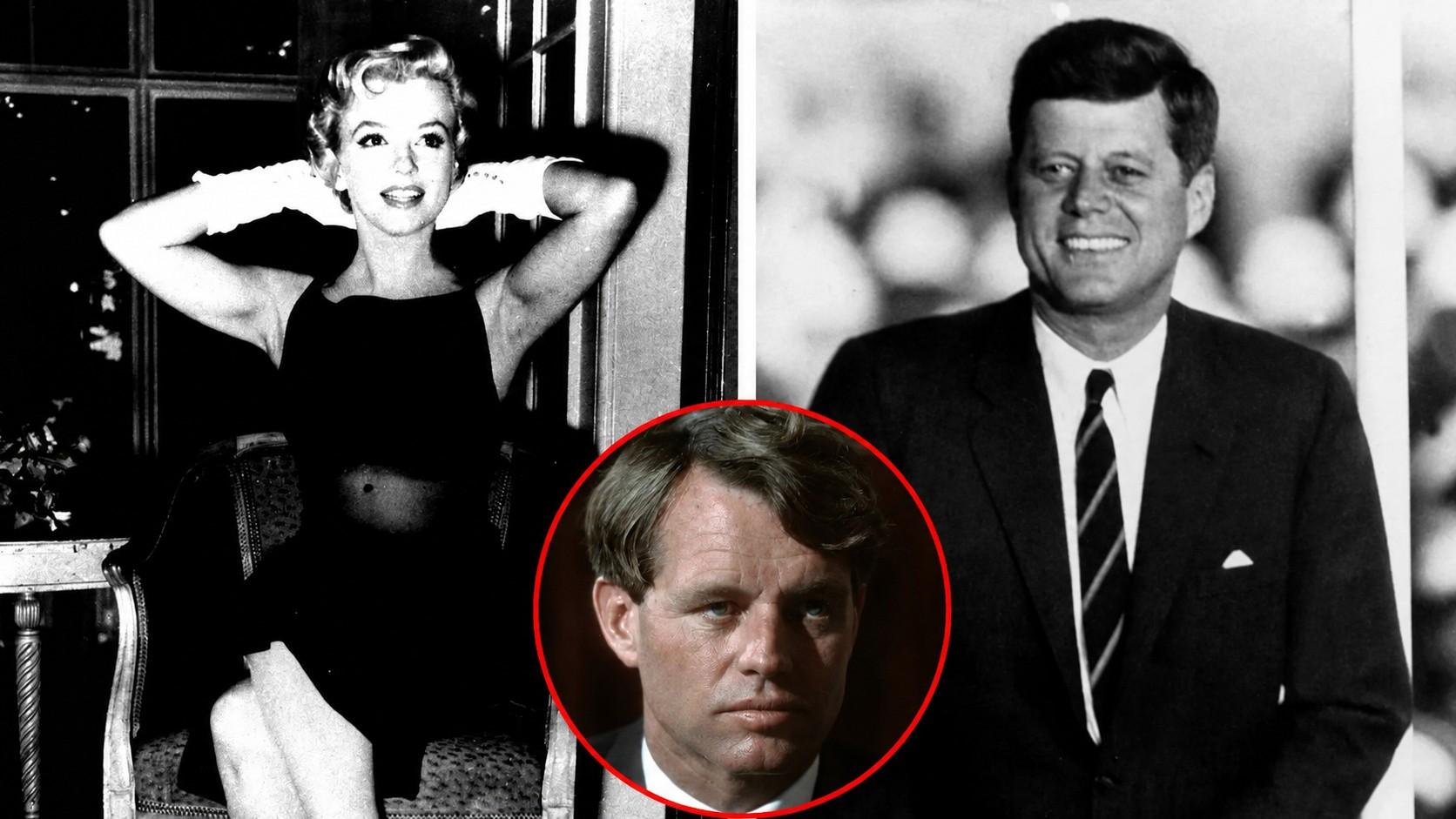
The "Red Diary" is a legendary piece of evidence that some claim was seen at the crime scene but was removed before photos were taken. It supposedly contained notes on her relationships with JFK and RFK. Its existence has never been officially confirmed by the LAPD.
How many people were at the crime scene before police?
At least three people were known to be at the residence before the LAPD was notified: Eunice Murray (housekeeper), Dr. Ralph Greenson (psychiatrist), and Dr. Hyman Engelberg (physician). The delay in calling the authorities remains one of the most scrutinized aspects of the case.
Summary of Next Steps for Researchers
For those interested in a deeper analysis of the Marilyn Monroe case evidence, the following actions are recommended:
- Review the 1982 DA Report: This document provides the most comprehensive analysis of why the original crime scene photos were deemed sufficient for a suicide verdict.
- Consult Forensic Texts: Books like Coroner by Dr. Thomas Noguchi provide the medical context required to interpret the autopsy photos accurately.
- Examine FOIA Archives: Accessing the FBI and LAPD files through official transparency portals can provide unedited versions of the investigation's paperwork.