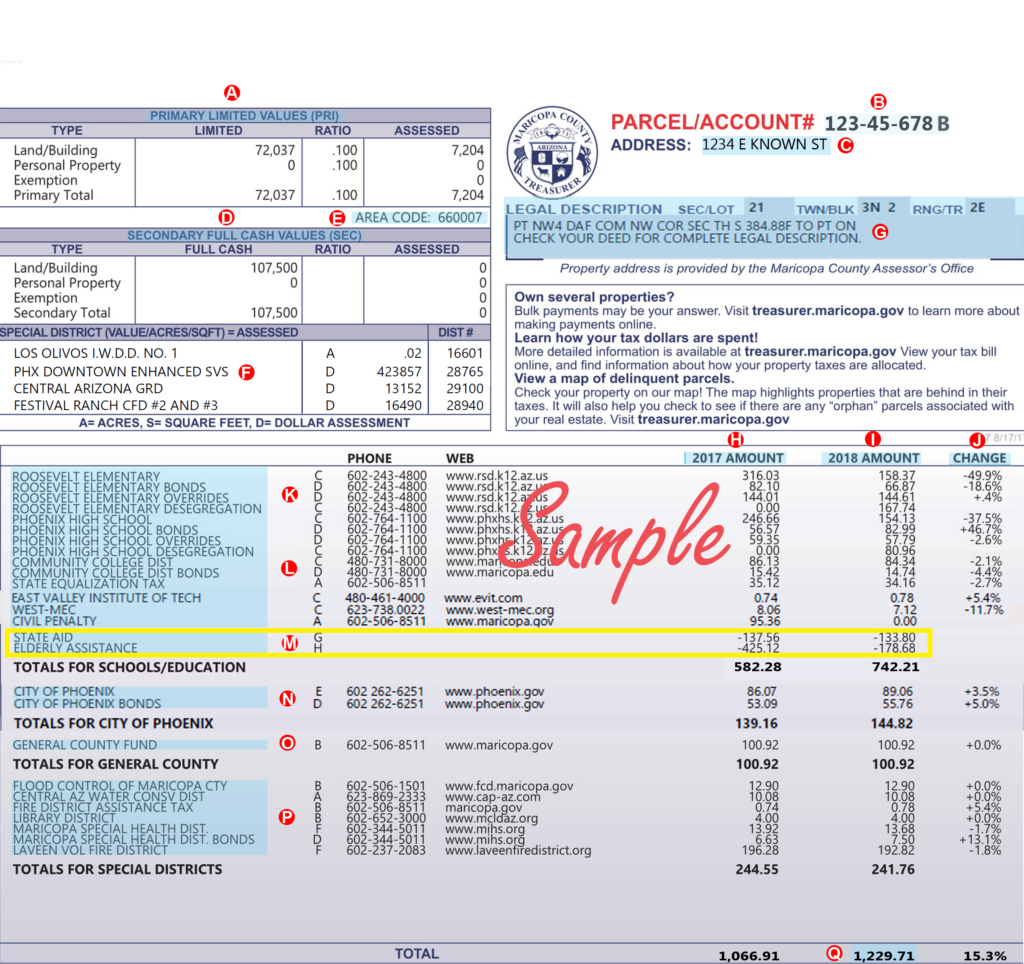
Navigating the Maricopa County tax system requires a clear understanding of property valuation, statutory deadlines, and available relief programs for property owners in Arizona's most populous county. Managing property tax obligations efficiently ensures compliance with the Maricopa County Treasurer's Office and the Assessor's Office, protecting your investment and preventing costly interest penalties.
Understanding Property Assessment and Valuation in Maricopa County
The Maricopa County Assessor's Office determines the value of all real and personal property within the county. Property taxes are not calculated directly from market value; instead, they rely on Limited Property Value (LPV) and Full Cash Value (FCV).
- Full Cash Value (FCV): This represents the estimated market value of the property, determined through mass appraisal techniques, recent comparable sales, and cost models.
- Limited Property Value (LPV): Established by Arizona Proposition 101, the LPV is a statutorily controlled value used to calculate primary property taxes. It cannot exceed the FCV and is subject to a 5% annual increase cap for most residential properties, shielding owners from sudden market spikes.
- Assessment Ratio: Arizona applies a specific assessment ratio to the LPV to determine the Net Assessed Value. For standard owner-occupied primary residences (Class 3), the assessment ratio is set at 10%. Commercial properties (Class 1) carry a higher assessment ratio, typically starting at 15%.
Property owners receive their Notice of Value in the spring of each year. Reviewing this document immediately is critical, as property owners have a strict 60-day window from the date of the notice to file an administrative appeal if they believe the Assessor's market valuation exceeds actual market conditions.
Maricopa County Tax Calendar and Payment Deadlines
The Maricopa County Treasurer's Office administers the billing and collection of property taxes. Taxes are levied in arrears, meaning the bill issued in the fall covers the calendar year that is concluding.
Property tax statements are typically mailed out in September. Homeowners whose taxes are managed through a mortgage escrow account will see their lender pay these amounts directly, though verifying payment status via the Treasurer's online portal is strongly recommended.
| Tax Installment | Billing Period Covered | Due Date | Delinquency Date (Interest Begins) |
|---|---|---|---|
| First Half (Full or Half) | January 1 to June 30 | October 1, 2026 | November 1, 2026 (5:00 PM) |
| Second Half | July 1 to December 31 | March 1, 2027 | May 1, 2027 (5:00 PM) |
Failing to meet these deadlines results in statutory interest charges accruing at a rate of 16% per annum, calculated monthly. If taxes remain unpaid, Maricopa County holds an annual tax lien auction where investors can purchase the lien, creating an additional financial encumbrance on the property title.
Methods for Paying Your Maricopa County Property Taxes
The Maricopa County Treasurer provides multiple secure channels for settling property tax obligations. Choosing the right payment method depends on processing times and convenience preferences.
- Online Portal: Payments can be made via the Maricopa County Treasurer's website using electronic checks (ACH) with no additional fee, or via credit and debit cards, which incur a third-party processing fee.
- By Mail: Checks or money orders must include the property's Assessor's Parcel Number (APN) and be mailed to the official lockbox address listed on the tax statement. Payments must be postmarked on or before the delinquency date to avoid penalties.
- In-Person Services: Taxpayers can visit the Treasurer's downtown Phoenix office or authorized drop-off locations to submit payments via check, cash, or cashier's check.
- E-Check and Auto-Pay Options: Homeowners can enroll in automatic notification and payment schedules to ensure installments are never missed.
Property Tax Relief, Exemptions, and Assistance Programs
Recognizing the impact of rising valuations on fixed-income seniors and disabled residents, Arizona law and Maricopa County provisions offer targeted relief programs.
Important Relief Criteria: Qualification for property tax valuation freezes or exemptions requires strict adherence to income thresholds, age minimums, and primary residency mandates set by the state legislature. Applications must be filed with the Assessor's Office ahead of statutory deadlines.
Available Relief Options
- Senior Property Valuation Protection: Allows qualifying low-income senior citizens to freeze their Limited Property Value for a designated period, stabilizing their primary property tax burden.
- Property Tax Exemptions for Veterans: Honorably discharged veterans with service-connected disabilities may qualify for property tax reductions or total exemptions based on disability ratings and total household income limits.
- Widows and Widowers Exemptions: Standardized exemptions exist for surviving spouses, reducing the net assessed value of qualifying residential properties.
Strategic Comparison of Maricopa County Property Classifications
Different property types incur distinct tax liabilities based on statutory formulas. Reviewing the classification ensures accurate billing.
| Property Classification | Assessment Ratio | Primary Tax Basis | Typical Application |
|---|---|---|---|
| Class 1 (Commercial) | 15% | LPV & FCV | Retail, industrial, office buildings, and vacant commercial land |
| Class 3 (Residential) | 10% | LPV | Owner-occupied primary residences and historical homes |
| Class 4 (Rental / Residential) | 10% | LPV | Non-owner-occupied residential rentals, apartments, and secondary homes |
| Class 2 (Agricultural / Vacant) | 16% - 18% | LPV | Qualified agricultural land, non-commercial open spaces |
Frequently Asked Questions
When are Maricopa County property tax bills mailed out?
Maricopa County property tax statements are mailed annually in September, covering the tax year up to December 31. Homeowners should check their mailboxes or the online Treasurer portal if statements do not arrive by early October.
How can I appeal my Maricopa County property valuation?
You can appeal your valuation by filing a petition with the Assessor's Office within 60 days of the Notice of Value date, providing comparable market sales or evidence of structural defects. If denied by the Assessor, you can escalate the appeal to the State Board of Equalization.
What happens if I miss the Maricopa County tax payment deadline?
Missing the payment deadline results in an immediate 16% annual interest penalty applied monthly on the unpaid balance. Prolonged delinquency leads to the property tax lien being offered at the annual county tax lien sale.
Are mortgage companies required to pay my property taxes if I have an escrow account?
Yes, if your mortgage includes an escrow agreement, your loan servicer collects a portion of your estimated property taxes monthly and submits payment directly to the Maricopa County Treasurer on your behalf before the delinquency dates.
How do I change my mailing address for Maricopa County tax notices?
Mailing address updates must be submitted directly to the Maricopa County Assessor's Office via their official online change-of-address form or by submitting a signed written request detailing the parcel number.
Securing Your Property Records and Ensuring Compliance
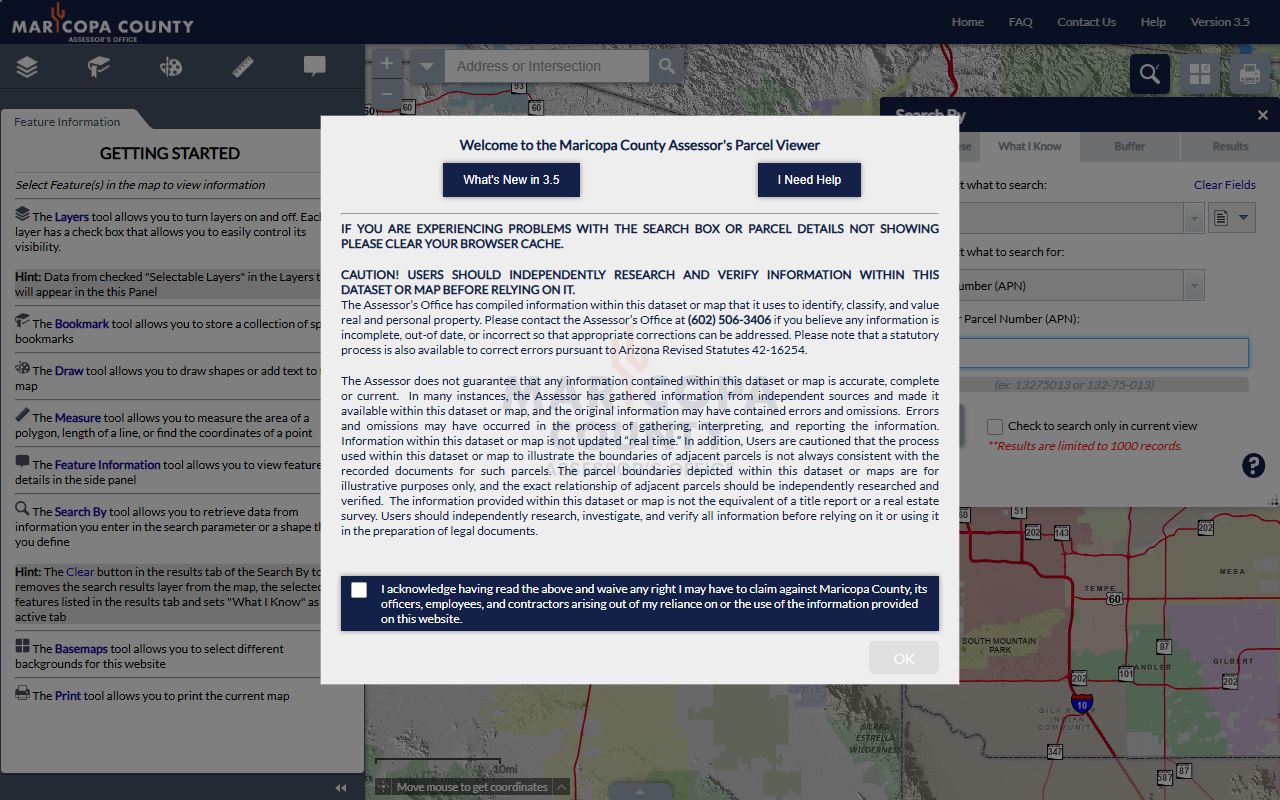
Staying proactive with your Maricopa County tax obligations prevents unnecessary penalties and safeguards property titles from encumbrances. Regularly audit your property parcel details on the official county portals, verify mortgage escrow disbursements, and consult with certified tax professionals or local county officials to leverage applicable valuation freezes and relief programs.