The Maricopa County Jail Roster serves as the official public record of individuals currently in the custody of the Maricopa County Sheriff's Office (MCSO). As of 2026, the digital infrastructure for accessing these records has been streamlined to provide real-time data to legal professionals, family members, and the general public. This database is a critical component of the Arizona criminal justice system, ensuring transparency while maintaining the administrative protocols required for one of the largest jail systems in the United States.
Managing a daily population that often exceeds 7,000 inmates, the Maricopa County Sheriff's Office utilizes advanced biometric and data-integration systems to update the roster. This guide provides an authoritative overview of how to navigate the 2026 search tools, interpret booking data, and understand the logistics of the various detention facilities throughout Phoenix and the surrounding valley.
Navigating the 2026 MCSO Inmate Search Portal
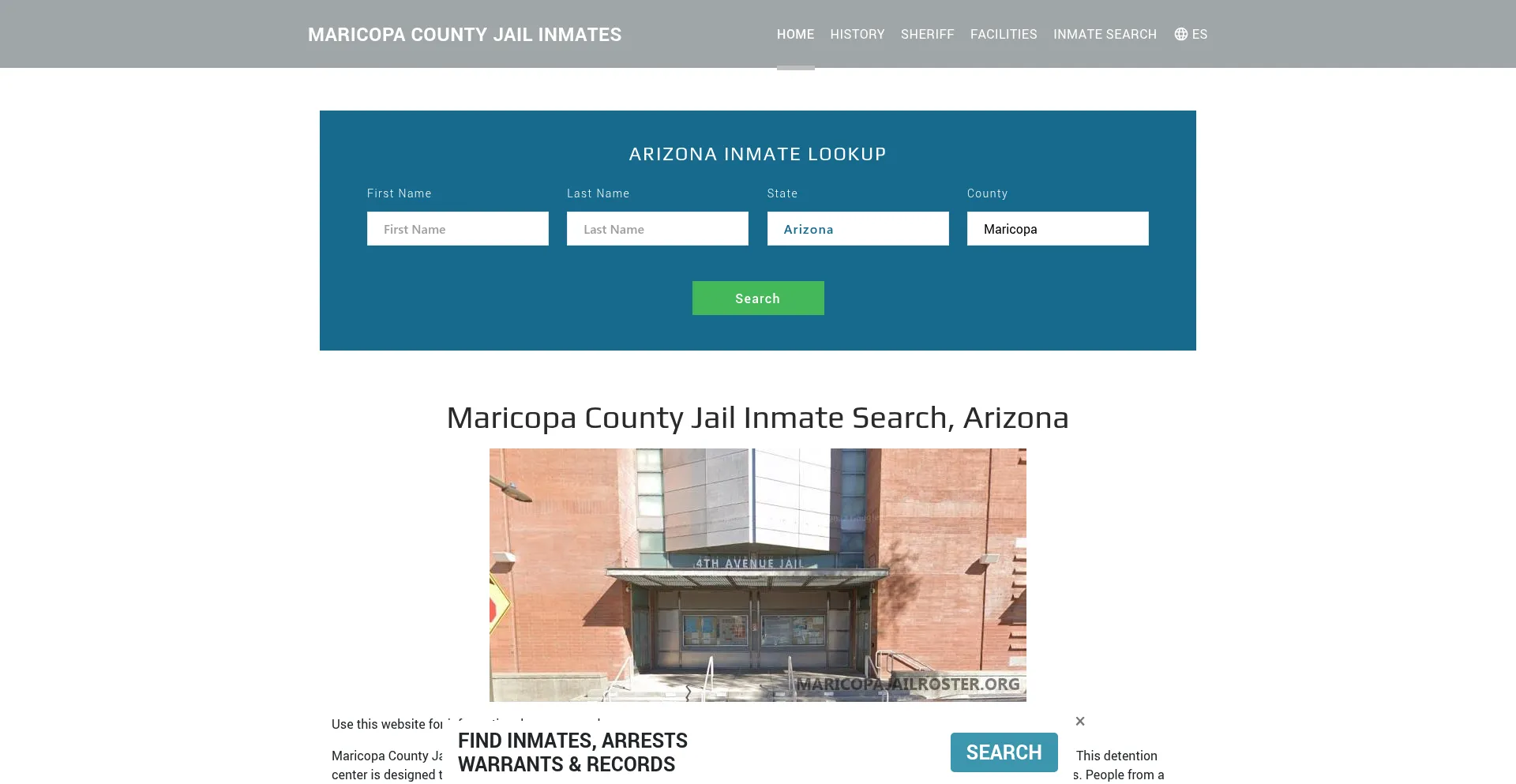
Accessing the Maricopa County Jail Roster in 2026 is primarily handled through the MCSO's centralized web portal. The system is designed to handle high traffic volumes and provides precise information regarding an individual's booking status, location, and upcoming court dates. To perform an effective search, users must possess specific identifiers to narrow down results within the massive database.
The most efficient way to locate an inmate is by using their Booking Number. This unique identifier is assigned at the moment of intake and remains constant throughout the duration of the current incarceration period. If the booking number is unknown, a search can be conducted using the person's full legal name and date of birth. In 2026, the search algorithm has been improved to include "sounds-like" matching to account for common spelling variations, though exact matches remain the gold standard for accuracy.
Operational Protocol for Data Accuracy The information displayed on the public roster is synchronized with the MCSO Management Information System every fifteen minutes. While the department strives for 100 percent accuracy, there may be a slight latency between a physical release and the digital update. Users are advised that a person's presence on the roster does not imply guilt; it merely indicates they are currently being held or have been processed through a Maricopa County detention facility.
Maricopa County Detention Facilities Overview
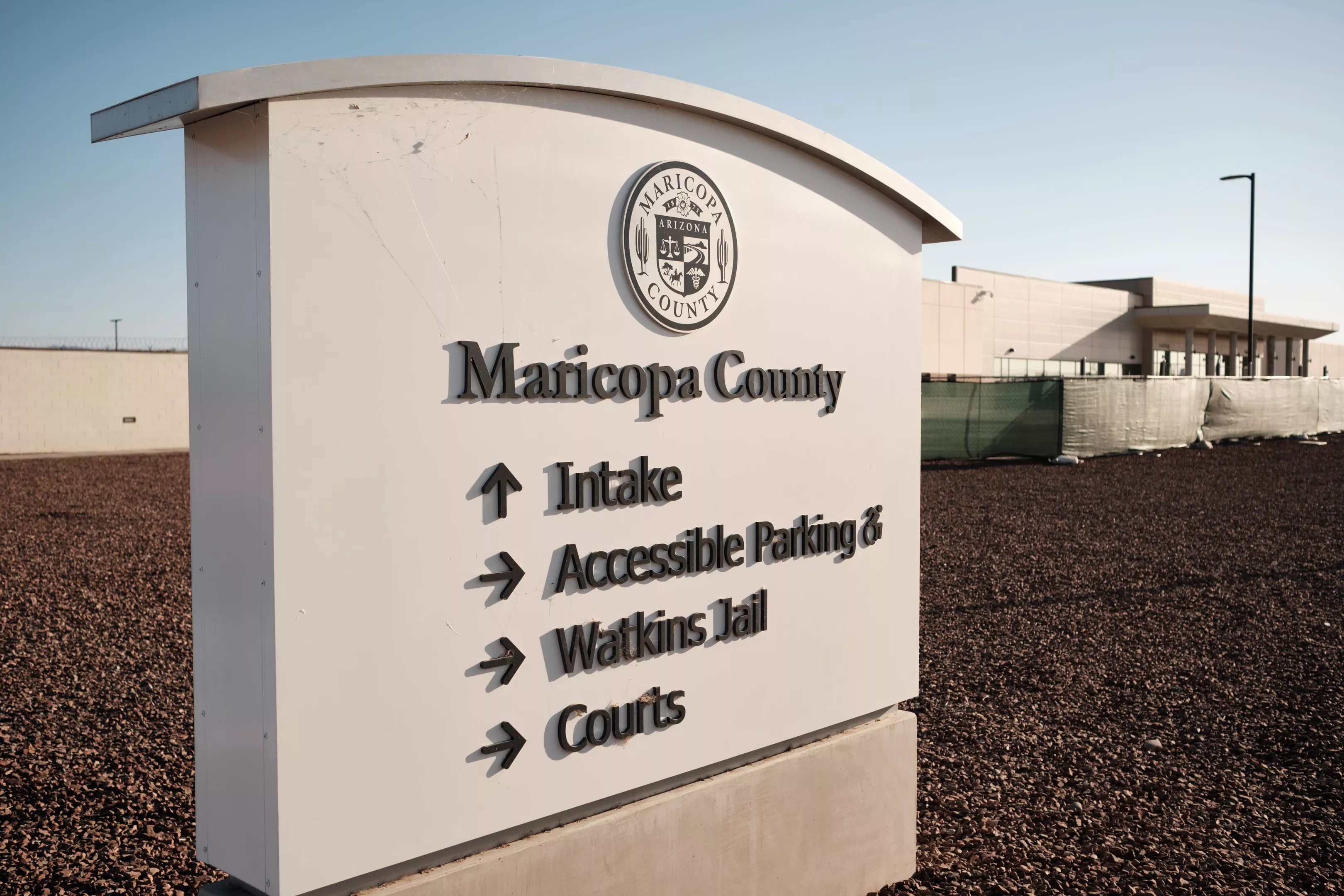
Maricopa County operates several distinct jail facilities, each serving different security levels and administrative purposes. When viewing the roster, the Inmate Location field will specify one of these facilities. Understanding where an individual is housed is vital for coordinating legal visits, sending mail, or arranging for bail.
| Facility Name | Primary Function | Security Level | Physical Address |
|---|---|---|---|
| Fourth Avenue Jail | Main Intake and High Security | Maximum | 201 S. 4th Ave, Phoenix, AZ 85003 |
| Lower Buckeye Jail | General Population and Medical | Medium/High | 3250 W. Lower Buckeye Rd, Phoenix, AZ 85009 |
| Watkins Jail | Female Population and Special Intake | Medium | 2680 S. 28th Dr, Phoenix, AZ 85009 |
| Towers Jail | Long-term Detention | Medium | 3127 W. Gibson Ln, Phoenix, AZ 85009 |
| Estrella Jail | Specialized Housing and Programming | Medium | 2939 W. Durango St, Phoenix, AZ 85009 |
Each facility has specific protocols for 2026. For instance, the Fourth Avenue Jail remains the primary hub for initial booking and appearances before a magistrate, while the Lower Buckeye Jail is the largest facility, housing those awaiting trial for more serious felony offenses.
Interpreting Roster Data and Charge Codes
When a search result is returned, the roster provides a detailed breakdown of the inmate's legal status. This includes the booking date, the housing location, and the specific charges filed. Understanding these entries requires a basic knowledge of Arizona Revised Statutes (ARS) and court terminology.
- Booking Number: A unique alphanumeric code (e.g., T812345) used for all administrative tracking.
- Charges: This section lists the specific violations. In 2026, these are linked directly to the ARS codes. For example, "13-1204" refers to Aggravated Assault.
- Bond Amount and Type: The roster will indicate if a bond has been set. Types include "Cash Only," "Secured Appearance Bond," or "Own Recognizance" (O.R.).
- Court Information: The specific Justice Court or Superior Court handling the case will be listed along with the next scheduled hearing date.
If an inmate is listed with a No Bond status, this typically indicates a high-flight risk, a violent felony charge, or an existing warrant from another jurisdiction (Hold for Other Agency).
Communication and Financial Support Systems
The Maricopa County Sheriff's Office has modernized inmate communication for 2026, moving toward a digital-first approach while maintaining traditional mail routes. All communications are subject to monitoring, except for protected legal counsel sessions.
The 2026 system utilizes integrated tablets provided to inmates, allowing for electronic messaging (e-messaging) and video visitation. To use these services, family and friends must register through the approved third-party vendor portal linked on the official MCSO website. These tablets also allow inmates to access educational materials and law library resources.
Financial Management and Commissary Credits Funding an inmate's account is handled through a secure centralized system. Funds can be deposited online, via mobile app, or at kiosks located in the lobby of the Fourth Avenue or Lower Buckeye jails. These funds are used for the commissary, which allows inmates to purchase hygiene items, stationery, and supplemental food. It is important to note that a portion of deposited funds may be diverted to pay for court-ordered restitution or administrative booking fees as mandated by Arizona law in 2026.
Legal Rights and Public Records Compliance
The Maricopa County Jail Roster is governed by Arizona’s public records laws (ARS § 39-121). This ensures that the public has the right to know who is being held by the government. However, there are significant legal considerations regarding how this data is used by third parties.
In 2026, Arizona has strict regulations regarding "mugshot extortion" websites. While the MCSO provides the roster and photos for public safety and transparency, it is illegal for commercial entities to charge a fee to remove an inmate’s profile from their private databases. Furthermore, the 2026 guidelines emphasize that information obtained from the roster cannot be used for the purpose of harassment or to discriminate against individuals in housing or employment without following the Fair Credit Reporting Act (FCRA) guidelines.
Comparing Official Roster Access vs. Third-Party Services
While many third-party websites aggregate jail roster data, there are distinct advantages and disadvantages to using the official MCSO portal versus private search engines.
- Official MCSO Portal: Provides the most accurate, real-time data. It is free to use and includes direct links to bond payment systems and court schedules. The primary drawback is that it only shows currently incarcerated individuals or very recent releases.
- Third-Party Aggregators: These services often maintain historical data, allowing you to find records of past incarcerations. However, they are frequently outdated, may contain errors, and often lack the specific court date updates found on the official site.
For legal and urgent family matters, the official 2026 MCSO roster should always be the primary source of truth.
Steps for Posting Bond in Maricopa County
If the roster indicates that an inmate is eligible for bond, the following steps must be followed to secure their release:
- Verify the Bond Amount: Check the roster for the exact amount and type. Ensure there are no "Holds" from other agencies, as a bond payment will not result in release if a hold exists.
- Choose a Method: You may pay the full amount in cash at the Fourth Avenue Jail Bond Window or hire a licensed Arizona Bail Bondsman.
- Provide Documentation: You will need the inmate's full name and booking number.
- Processing Time: After the bond is posted, the release process typically takes between 4 and 12 hours, depending on the facility's current volume and the time of day.
Frequently Asked Questions
How often is the Maricopa County Jail Roster updated?
The roster is updated approximately every 15 minutes. The 2026 system is automated to reflect changes in booking status, housing assignments, and releases as soon as the data is entered into the Sheriff's Office internal management system. However, physical movements between facilities may take slightly longer to reflect accurately on the public portal.
Can I find mugshots on the 2026 jail roster?
Yes, mugshots (booking photos) are generally included in the public search results for individuals currently in custody. Under Arizona law, these are considered public records. If a photo is not appearing, it may be due to a recent booking where the photo has not yet been processed or for specific security-protected cases.
Why is an inmate not appearing on the roster if I know they were arrested?
There are several reasons for this: the individual may still be in the initial intake process (which can take several hours), they may have been released on their own recognizance before being fully processed into the housing system, or they are being held in a municipal city jail (like Scottsdale or Mesa) rather than a Maricopa County facility.
How can I find out when an inmate will be released?
The roster does not usually provide a specific "release date" for those awaiting trial, as this is determined by the court. For those serving a sentence, the projected release date may be visible. For the most accurate information on release timing after a court order, you should contact the specific detention facility directly.
Are juveniles listed on the Maricopa County Jail Roster?
No, juvenile records are generally protected under Arizona law. If a juvenile is being charged as an adult, their information may eventually appear on the adult roster, but standard juvenile detentions are handled through the Maricopa County Juvenile Probation Department and are not public.
What should I do if the information on the roster is incorrect?
If there is a factual error, such as a misspelled name or incorrect birthdate, the inmate or their legal counsel must address this with the MCSO Records Division. For errors regarding legal charges or bond amounts, these must be resolved through the Maricopa County Superior Court or the relevant Justice Court.
As the legal landscape continues to evolve in 2026, the Maricopa County Jail Roster remains an essential tool for maintaining the balance between public information and the efficient administration of justice. For the most current data, always refer to the official Sheriff's Office digital resources.