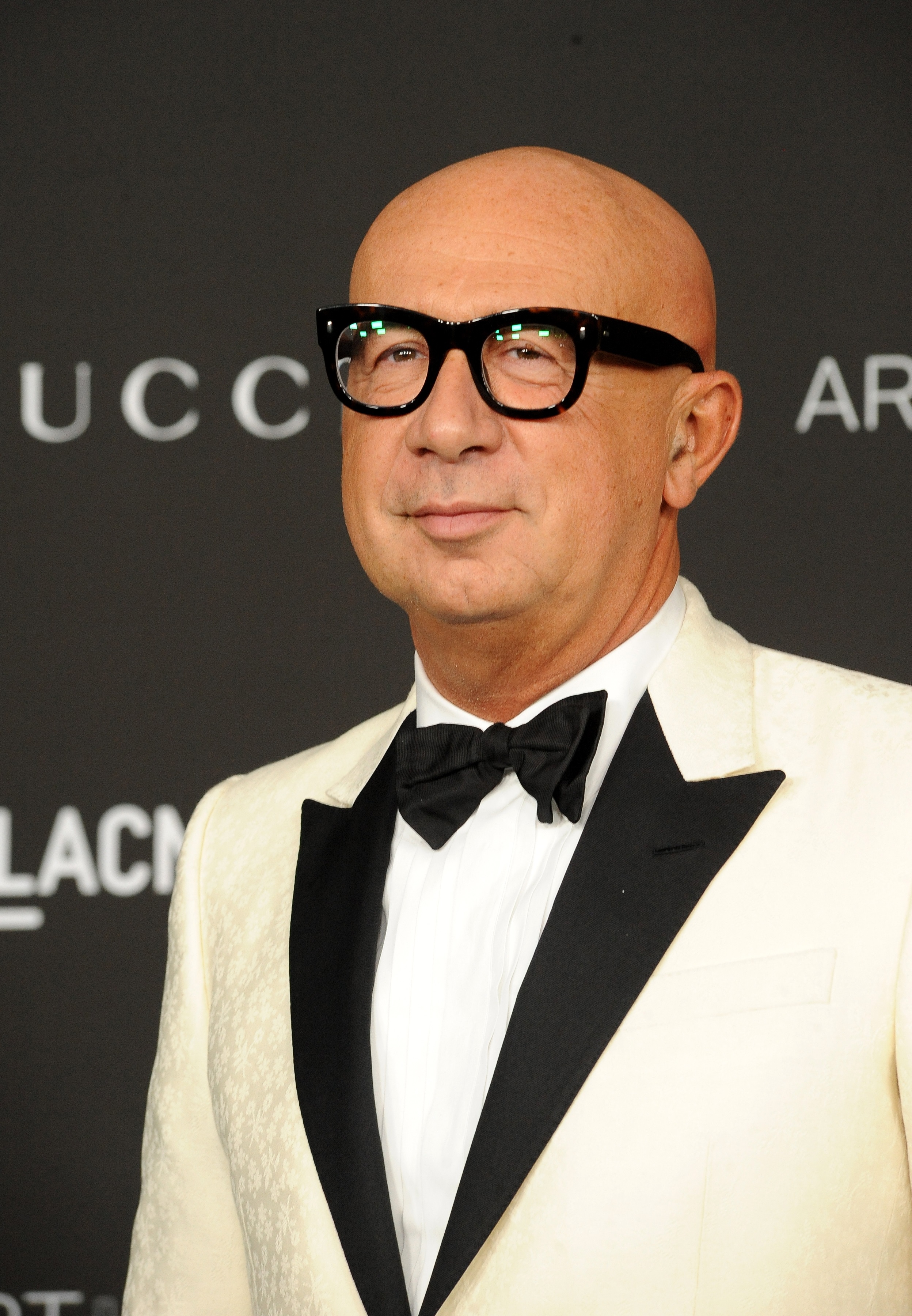
By the conclusion of 2020, Marco Bizzarri’s net worth was estimated to be between $60 million and $90 million. This valuation was primarily composed of his multi-million dollar annual compensation as the CEO of Gucci, significant stock holdings in the Kering Group, and performance-based bonuses accumulated during Gucci’s unprecedented revenue growth between 2015 and 2019.
Understanding Marco Bizzarri’s Financial Standing in 2020
To understand Marco Bizzarri’s net worth in 2020, one must look beyond a simple salary figure and examine the broader landscape of executive compensation within the luxury sector. As the chief architect of Gucci’s modern "Renaissance," Bizzarri occupied a unique position. Unlike many corporate executives who operate in the background, Bizzarri’s financial value was intrinsically tied to his ability to blend creative risk with rigorous commercial discipline.
In the fiscal year 2020, despite the global economic disruptions caused by the COVID-19 pandemic, Bizzarri remained one of the highest-paid executives in the fashion industry. His wealth was not merely a product of cash liquidity but was heavily weighted in equity-based compensation. As a top-tier executive within the Kering Group (the parent company of Gucci, Yves Saint Laurent, and Balenciaga), Bizzarri’s net worth fluctuated alongside the Kering (KER.PA) stock price, which saw significant volatility but ultimate resilience throughout 2020.
Bizzarri's wealth accumulation was the result of a decade-long trajectory of turning around underperforming luxury houses. His previous successes at Stella McCartney and Bottega Veneta established a foundation of high-earning potential, but it was his tenure at Gucci that elevated his personal balance sheet to elite levels. By 2020, his financial portfolio likely included high-value real estate in Italy and a diversified investment strategy focused on the luxury and lifestyle sectors.
The Revenue Engine: How Gucci’s Growth Fueled Bizzarri’s Wealth
The primary driver of Bizzarri’s net worth in 2020 was the performance-linked structure of his contract. When Bizzarri took the helm of Gucci in late 2014, the brand was facing stagnant growth. Together with Creative Director Alessandro Michele, he implemented a radical "maximalist" strategy that successfully captured the millennial and Gen Z markets.
From 2015 to 2019, Gucci’s revenue nearly trebled, crossing the €9 billion mark by the end of 2019. For an executive, this level of hyper-growth translates into massive "kicker" bonuses. While 2020 saw a dip in sales due to retail closures, the preceding four years of record-breaking profits ensured that Bizzarri entered 2020 with a significant capital cushion.
The "Bizzarri Effect" on the bottom line was so profound that his compensation was often benchmarked against the highest earners in the LVMH and Richemont groups. Financial analysts often noted that Bizzarri’s value to Kering was comparable to that of a high-performing hedge fund manager, as he was responsible for over 60% of the parent group's operating profit during his peak years. This reliance on Gucci’s performance gave Bizzarri immense leverage during contract negotiations, further boosting his base salary and long-term incentive plans (LTIPs).
Breaking Down the Compensation Structure at Kering
Executive compensation at Kering, particularly for a flagship brand CEO like Bizzarri, is divided into four main pillars. Understanding these explains how his net worth reached such heights by 2020.
- Fixed Annual Salary: In 2020, Bizzarri’s base salary was estimated to be in the range of €2 million to €3 million. This served as the guaranteed portion of his income, regardless of market conditions.
- Annual Variable Remuneration: This is the "performance bonus." It is typically calculated based on a mix of financial KPIs (revenue growth, recurring operating income) and qualitative goals (sustainability targets, brand heat). Even with the 2020 downturn, Bizzarri’s 2019 performance—paid out in 2020—was substantial.
- Multi-Year Variable Remuneration (LTIPs): These are long-term incentives usually paid out in shares or cash over a three-year cycle. By 2020, Bizzarri was reaping the rewards of the 2017–2018 growth cycle.
- Benefits in Kind: This includes housing allowances, travel, and security, which, while not direct "wealth," significantly reduce the personal cost of living for an executive of his stature.
It is important to note that in 2020, as a gesture of solidarity during the pandemic, Bizzarri, along with Kering Chairman François-Henri Pinault, chose to reduce his fixed salary by a percentage for the remainder of the year. This move, while impactful from a corporate governance perspective, had a negligible effect on his total net worth due to his existing asset base.
Comparative Analysis: Luxury Executive Compensation 2020
To provide context for Marco Bizzarri's net worth, the following table compares the estimated annual compensation and strategic influence of top luxury leaders during the 2020 fiscal year.
| Executive | Organization | Estimated 2020 Compensation | Primary Wealth Driver |
|---|---|---|---|
| Marco Bizzarri | Gucci (CEO) | €8M - €12M | Performance Bonuses & Kering Stock |
| François-Henri Pinault | Kering (Chairman/CEO) | €6M+ (Base) | Ownership stake in Artémis/Kering |
| Bernard Arnault | LVMH (Chairman/CEO) | €8M+ (Base) | Majority Ownership of LVMH |
| Pietro Beccari | Christian Dior (CEO) | €5M - €8M | LVMH Profit Sharing & Equity |
| Michael Burke | Louis Vuitton (CEO) | €7M - €10M | Brand Dominance & LTIPs |
Note: Compensation figures include base salary and bonuses. Total net worth for founders like Arnault and Pinault is significantly higher due to ownership of the parent companies.
The Impact of the 2020 Global Pandemic on Executive Earnings
The year 2020 was a pivot point for executive wealth in the luxury industry. At the start of the year, luxury valuations were at an all-time high. However, the first and second quarters saw a dramatic contraction as Chinese and European markets shuttered. For Bizzarri, this meant a temporary decline in the valuation of his Kering stock options.
However, the luxury market showed a "V-shaped" recovery in the latter half of 2020. This recovery was fueled by "revenge spending" and a shift toward digital sales. Bizzarri had already invested heavily in Gucci’s digital infrastructure prior to the pandemic, which allowed the brand to capture online demand more effectively than its competitors. Consequently, the rebound in Kering’s share price toward the end of 2020 restored much of the paper wealth that had been lost earlier in the year.
Furthermore, 2020 saw a shift in how wealth was perceived. Bizzarri’s net worth was increasingly viewed through the lens of sustainability and ESG (Environmental, Social, and Governance) metrics. Kering’s commitment to carbon neutrality and Bizzarri’s personal advocacy for "The CEO Carbon Neutral Challenge" added an intangible value to his leadership profile, making him more indispensable to the group and, by extension, securing his future earning potential.
Strategic Career Milestones Contributing to Asset Accumulation
Marco Bizzarri’s financial success in 2020 was the culmination of three decades of strategic career moves. Each transition in his career was marked by a significant increase in his "market value."
- The Mandarina Duck Era: Bizzarri began his career as a consultant at Accenture before moving to Mandarina Duck. This early phase provided the operational foundation that later allowed him to manage the complexities of a multi-billion-euro brand.
- The Marithé & François Girbaud Success: His role here solidified his reputation as a "turnaround" specialist, a label that carries a high premium in the fashion world.
- Joining Kering (Stella McCartney & Bottega Veneta): When Bizzarri took Stella McCartney to profitability and then tripled the size of Bottega Veneta, his compensation began to enter the upper echelons of the industry. By the time he reached Gucci, he was no longer just an employee but a strategic partner with "skin in the game."
These milestones are critical because they allowed Bizzarri to accumulate wealth through diversified income streams. By 2020, his portfolio likely included significant private investments outside of Kering, such as his collaboration with childhood friend and three-Michelin-star chef Massimo Bottura on the "Gucci Osteria" project, which blended fashion with high-end gastronomy.
Long-Term Financial Implications of the "Bizzarri-Michele" Era
The financial legacy of Marco Bizzarri in 2020 cannot be separated from his partnership with Alessandro Michele. This duo created what economists call a "virtuous cycle" of demand. The high demand for Michele’s designs led to high margins, which led to higher marketing budgets, which further increased demand.
From a wealth perspective, this era redefined what a CEO could earn. Bizzarri’s net worth was a reflection of the "Gucci Premium"—the extra value the market placed on the brand because of its leadership. In 2020, even as some critics questioned if "Gucci fatigue" was setting in, the financial infrastructure Bizzarri had built (including a robust supply chain and a highly efficient retail network) ensured that the brand remained a profit machine.
For Bizzarri personally, 2020 represented the peak of his influence. His wealth was a testament to his ability to manage the ego-driven world of fashion with the data-driven world of finance. He proved that a CEO could be as famous as a designer and be compensated accordingly.
FAQ: Marco Bizzarri’s Financial and Career Status
What was Marco Bizzarri’s annual salary in 2020?
While exact figures are rarely disclosed publicly due to privacy laws and Kering’s reporting structure, Bizzarri’s total compensation for 2020—including base salary and performance-based incentives—is estimated to have been between €8 million and €12 million. This figure accounts for the temporary salary reduction he took during the pandemic.
Did Bizzarri own shares in Kering?
Yes, as part of his executive compensation package, Bizzarri received substantial Kering stock options and performance shares. These equity grants made up a significant portion of his net worth, aligning his personal financial interests with the long-term stock performance of the parent company.
How did the 2020 pandemic affect Gucci’s valuation?
Gucci’s valuation saw a temporary dip in early 2020 as revenue fell by approximately 22% in the first half of the year. However, the brand’s strong digital presence and dominant position in the Asian market led to a rapid recovery. By the end of 2020, Gucci remained the primary profit driver for the Kering Group.
Where does Bizzarri’s wealth come from besides his salary?
Beyond his corporate earnings, Bizzarri’s wealth in 2020 was derived from private investments, luxury real estate in Italy, and profit-sharing ventures like the Gucci Osteria. His long career in senior management allowed for significant compound growth of his personal assets over thirty years.
Is Marco Bizzarri a billionaire?
No, Marco Bizzarri was not a billionaire in 2020. While he is exceptionally wealthy and among the top earners in the global fashion industry, his net worth (estimated under $100 million in 2020) is significantly lower than the "billionaire" threshold, which is typically reserved for brand owners and founders like François-Henri Pinault.
Tracking Luxury Executive Performance and Value
For those looking to understand the financial landscape of luxury leadership, it is essential to monitor annual reports and proxy statements from conglomerates like Kering and LVMH. These documents provide the most accurate data on executive pay ratios and performance milestones.
If you are analyzing the value of a CEO like Marco Bizzarri, focus on the Return on Brand Equity (ROBE). In 2020, Bizzarri demonstrated that the highest net worths are earned by those who can navigate a global crisis without compromising the brand's long-term desirability. To follow future developments in this sector, monitoring the "Kering Universal Registration Document" (published annually) is the best course of action for verified financial data.