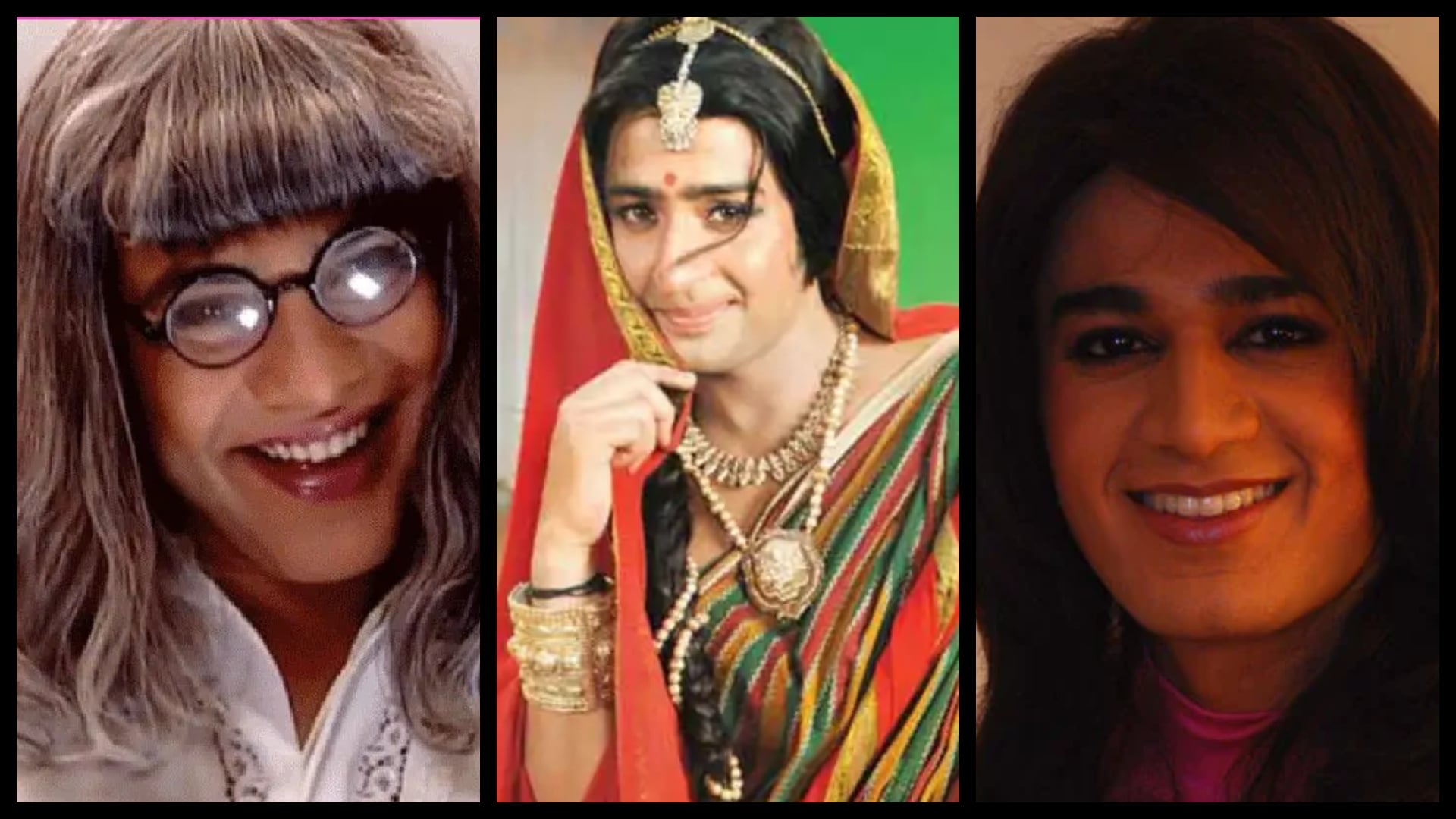
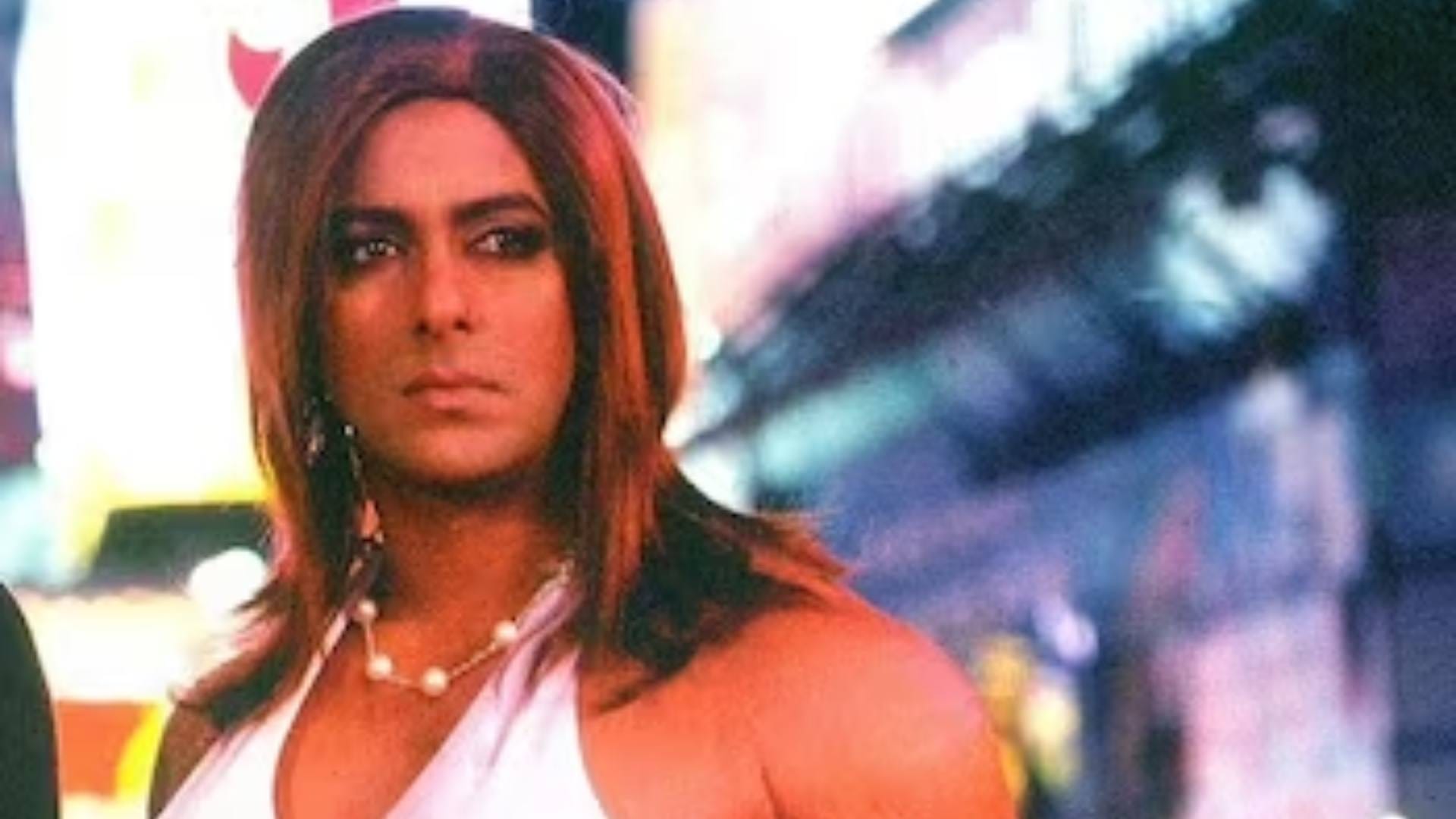
Cross-gender casting, specifically male actors portraying female roles, is a practice that spans the history of performance from ancient Greek drama to modern Hollywood. While historically driven by the exclusion of women from the stage, contemporary instances are typically characterized by comedic disguise, dramatic character studies, or explorations of gender identity and performance art.
The Historical Evolution of Cross-Gender Casting
The practice of male actors playing female roles is not a modern cinematic invention but a foundational element of theatrical history. In Ancient Greece, theater was a religious and civic ritual where only men were permitted to perform. Consequently, all female characters in the plays of Sophocles and Euripides were originally portrayed by men using stylized masks. Similarly, during the English Renaissance, professional theater companies consisted entirely of male performers. Shakespeare’s most iconic heroines, from Juliet to Lady Macbeth, were debuted by adolescent boys whose voices had not yet broken.
By the 17th century, the lifting of bans on female performers in Western theater led to a decline in this necessity, yet the practice persisted as a specific performance style. The "pantomime dame" became a staple of British theater, establishing a tradition where male-to-female casting was utilized specifically for comedic effect and social satire. This transition from necessity to stylistic choice set the stage for how 20th and 21st-century cinema would approach cross-gender casting: primarily as a tool for humor, a showcase for transformative acting, or a medium for social commentary.
Typology of Male-to-Female Roles in Modern Media
To understand the data surrounding these performances, it is essential to categorize the "why" behind the casting. In modern film and television, male actors taking on female roles generally fall into one of four distinct archetypes:
1. The Comedic Disguise (Narrative Necessity)
In these instances, the male character within the story's world adopts a female persona to achieve a specific goal. This is the most common form of cross-gender casting in Hollywood history. Examples include Dustin Hoffman in Tootsie (1982) and Robin Williams in Mrs. Doubtfire (1993). In these films, the "drag" is a plot device used to explore themes of sexism or family dynamics, with the humor often derived from the character's struggle to maintain the facade.
2. High-Concept Comedy and Caricature
Unlike the narrative disguise, some roles feature male actors playing female characters as a permanent part of the film’s reality, often for absurdist or slapstick humor. This is frequently seen in the work of Eddie Murphy (The Nutty Professor) and Tyler Perry (Madea franchise). In these cases, the actor often plays multiple roles across the gender spectrum within a single production, showcasing versatility through heavy prosthetics.
3. Dramatic Transformation and Gender Identity
Historically, cisgender male actors were frequently cast to play transgender women or gender-nonconforming individuals in serious dramas. These roles were often framed as "transformative" feats of acting. Notable examples include Jared Leto in Dallas Buyers Club (2013) and Eddie Redmayne in The Danish Girl (2015). However, as of 2026, the industry has undergone a significant shift, with a prevailing consensus that such roles should be reserved for actors with lived experience in those identities to ensure authentic representation.
4. Avant-Garde and Stylized Performance
In certain artistic or "camp" productions, cross-gender casting is used to subvert audience expectations or pay homage to specific subcultures. John Travolta’s role as Edna Turnblad in Hairspray (2007) continues a tradition established by Divine in the original 1988 film, where the casting serves as a nod to drag culture and the subversion of traditional maternal archetypes.
Data Analysis: Notable Performances and Recognition
The following data highlights significant instances where male actors portrayed female roles, noting the genre and the critical reception of these performances.
| Actor | Film/TV Title | Year | Genre | Recognition/Awards |
|---|---|---|---|---|
| Jack Lemmon | Some Like It Hot | 1959 | Comedy | Golden Globe Winner |
| Dustin Hoffman | Tootsie | 1982 | Comedy | Academy Award Nominee |
| John Lithgow | The World According to Garp | 1982 | Drama | Academy Award Nominee |
| Robin Williams | Mrs. Doubtfire | 1993 | Comedy | Golden Globe Winner |
| Patrick Swayze | To Wong Foo... | 1995 | Comedy | Golden Globe Nominee |
| Cillian Murphy | Breakfast on Pluto | 2005 | Comedy/Drama | Golden Globe Nominee |
| John Travolta | Hairspray | 2007 | Musical | Golden Globe Nominee |
| Jared Leto | Dallas Buyers Club | 2013 | Drama | Academy Award Winner |
| Jeffrey Tambor | Transparent | 2014 | TV Drama | Emmy & Golden Globe Winner |
| Eddie Redmayne | The Danish Girl | 2015 | Drama | Academy Award Nominee |
Technical Challenges: Prosthetics and Aesthetic Design
The success of a male actor playing a female role often hinges on the technical execution of the transformation. This involves a sophisticated coordination between the makeup department, costume designers, and the actor’s physical performance.
The Role of FX Makeup
In films like The Nutty Professor or Mrs. Doubtfire, the "transformation" is a feat of engineering. Makeup artists use silicone appliances to soften the jawline, reshape the nose, and add fatty tissue to the neck and cheeks. By 2026, advancements in digital "de-aging" and skin-texture mapping have supplemented physical prosthetics, allowing for a more seamless blend between the actor's natural features and the character's female appearance.
Vocal and Physical Performance
Beyond the visual, actors must engage in extensive vocal coaching to adjust their pitch and resonance without drifting into caricature. This technical depth is what often separates a "drag performance" from a "character portrayal." Actors such as Cillian Murphy in Breakfast on Pluto worked extensively on physicality—altering their gait, center of gravity, and hand gestures—to embody the character’s femininity in a way that felt grounded rather than performative.
The Shift Toward Authentic Casting in the 2020s
A critical turning point in the data regarding cross-gender casting occurred in the late 2010s and early 2020s. For decades, cisgender male actors playing transgender women were lauded by critics and awards bodies (often referred to as "Oscar bait"). However, advocacy from the LGBTQ+ community and organizations like GLAAD highlighted the "opportunity cost" of this practice, noting that it deprived transgender actors of the few roles written for them.
By 2026, the industry landscape has stabilized around a new set of ethical standards. While male actors continue to play female roles in comedic contexts (where the "maleness" of the actor is part of the joke) or in specific theatrical revivals, the casting of cisgender men in dramatic transgender roles has largely ceased. This shift is reflected in the production data of the mid-2020s, which shows a marked increase in transgender actors being cast in lead roles that were previously occupied by "A-list" cisgender men.
Practical Considerations for Researchers and Casting Directors
When analyzing data on cross-gender casting, it is important to distinguish between the various intents of the production. For those studying film history or developing contemporary projects, consider the following factors:
- Intent of the Role: Is the gender swap meant to be a narrative secret (e.g., The Crying Game), a comedic tool (e.g., White Chicks), or a serious exploration of identity?
- Cultural Sensitivity: In 2026, the industry prioritizes "lived experience." Casting a male actor in a female role for a serious drama now carries significant PR and ethical risks if it overlaps with marginalized identities.
- Technological Requirements: High-definition 8K cinematography requires more subtle prosthetic work than was necessary in the 1990s. The "uncanny valley" effect is a major technical hurdle for cross-gender casting in modern film.
- Audience Reception: Data suggests that while audiences still enjoy "disguise comedies," there is a declining tolerance for roles that rely on gender-swapping solely for the "shock value" of seeing a famous man in a dress.
Common Pitfalls in Cross-Gender Characterization
- Over-Reliance on Stereotypes: Comedic roles often fall into the trap of using high-pitched voices and exaggerated "feminine" hysteria, which can date the material quickly.
- Ignoring Physicality: A transformation that only happens from the neck up often fails to convince the audience, leading to a disconnect in the character's reality.
- Neglecting the Script's Nuance: If the gender swap doesn't serve a clear narrative or thematic purpose, it often feels like a gimmick rather than an artistic choice.
Frequently Asked Questions
Why did male actors traditionally play female roles in theater?
Historically, women were legally or socially barred from performing in public spaces in many cultures, including Ancient Greece and Elizabethan England. This necessitated male actors, often young boys with higher voices, taking on female roles to allow for the performance of the full script.
Which male actor has won the most awards for playing a female role?
While many have won, Jared Leto and Dustin Hoffman are among the most recognized. Leto won the Academy Award for Best Supporting Actor for Dallas Buyers Club, while Hoffman received multiple nominations and a Golden Globe for Tootsie. Jeffrey Tambor also won multiple Emmys for his role in the TV series Transparent.
Is cross-gender casting still common in 2026?
Yes, but the context has changed. It remains common in comedy, theater (such as the "pantomime" tradition), and avant-garde film. However, the practice of casting cisgender men to play transgender women in dramatic films has significantly decreased in favor of authentic casting.
What is the difference between "drag" and cross-gender casting?
"Drag" is a specific performance art form that often emphasizes exaggeration, camp, and the subversion of gender norms. Cross-gender casting in film and TV is a broader term that includes drag but also encompasses dramatic roles where the actor attempts to disappear into a female character without a "performative" or "meta" wink to the audience.
Has a male actor ever been nominated for "Best Actress"?
No. According to the current rules of the Academy of Motion Picture Arts and Sciences (AMPAS) and the Screen Actors Guild (SAG), actors are typically submitted for the category that matches their own gender identity or the gender of the category they usually occupy, regardless of the gender of the character they played.
Future Outlook for Cross-Gender Performance
As we move further into the late 2020s, the data suggests that cross-gender casting will continue to evolve alongside our cultural understanding of gender fluidity. We are likely to see more "gender-blind" casting, where the gender of the performer is secondary to the energy or essence of the character, a trend already visible in high-profile stage productions and experimental indie cinema. The focus has shifted from the "spectacle" of the transformation to the emotional truth of the performance, ensuring that when an actor crosses gender lines, it is for a compelling narrative reason rather than a lack of inclusive casting practices.