Note: This article focuses exclusively on major academic policy shifts, curriculum updates, and administrative restructuring at the University of California, Irvine (UCI) for the 2026 academic year.
Navigating higher education requires staying ahead of institutional shifts, curriculum redesigns, and administrative updates. For students, academic advisors, and prospective applicants at the University of California, Irvine (UCI), understanding the institutional ecosystem is critical for timely graduation and career alignment. The university has rolled out sweeping institutional updates affecting undergraduate degree paths, prerequisite structures, and institutional compliance standards. Whether you are transitioning between academic departments, evaluating degree audit requirements on DegreeWorks, or mapping out your course enrollment strategy, keeping pace with these updates ensures academic continuity.
Comprehensive Overview of Academic Curriculum Restructuring at UCI
The academic landscape at UCI has undergone significant modernization to address evolving workforce demands, technological integration, and student retention metrics. Academic Senate reviews have prompted individual schools—including the Donald Bren School of Information and Computer Sciences (ICS) and the School of Biological Sciences—to revise their core progression standards.
- Prerequisite Enforcement: Automated registration blocks have been tightened across high-demand impacted majors, requiring students to earn a minimum grade of "C" or better in foundational gateway courses before advancing to upper-division sequences.
- General Education (GE) Integration: Expanded emphasis on digital literacy, quantitative reasoning, and ethical AI utilization across diverse interdisciplinary course selections.
- Quarter System Optimization: Streamlined syllabus tracking to help students manage the compressed 10-week instructional timeline without sacrificing foundational comprehension.
Departmental Impact Matrix
| School / Department | Primary Structural Shift | Affected Student Cohorts | Action Required |
|---|---|---|---|
| Bren School of ICS | Stricter lower-division GPA thresholds for major retention | Incoming Freshmen & Internal Transfers | Maintain cumulative GPA above 3.0 in core series |
| School of Biological Sciences | Revision of upper-division lab requirements and prerequisites | Continuing Undergraduates | Review updated sample academic plans with advisors |
| School of Social Sciences | Expanded methods course tracks and data analysis options | All declared majors | Select updated methodology sequences prior to junior standing |
Step-by-Step Guide to Executing a Change of Major at UCI
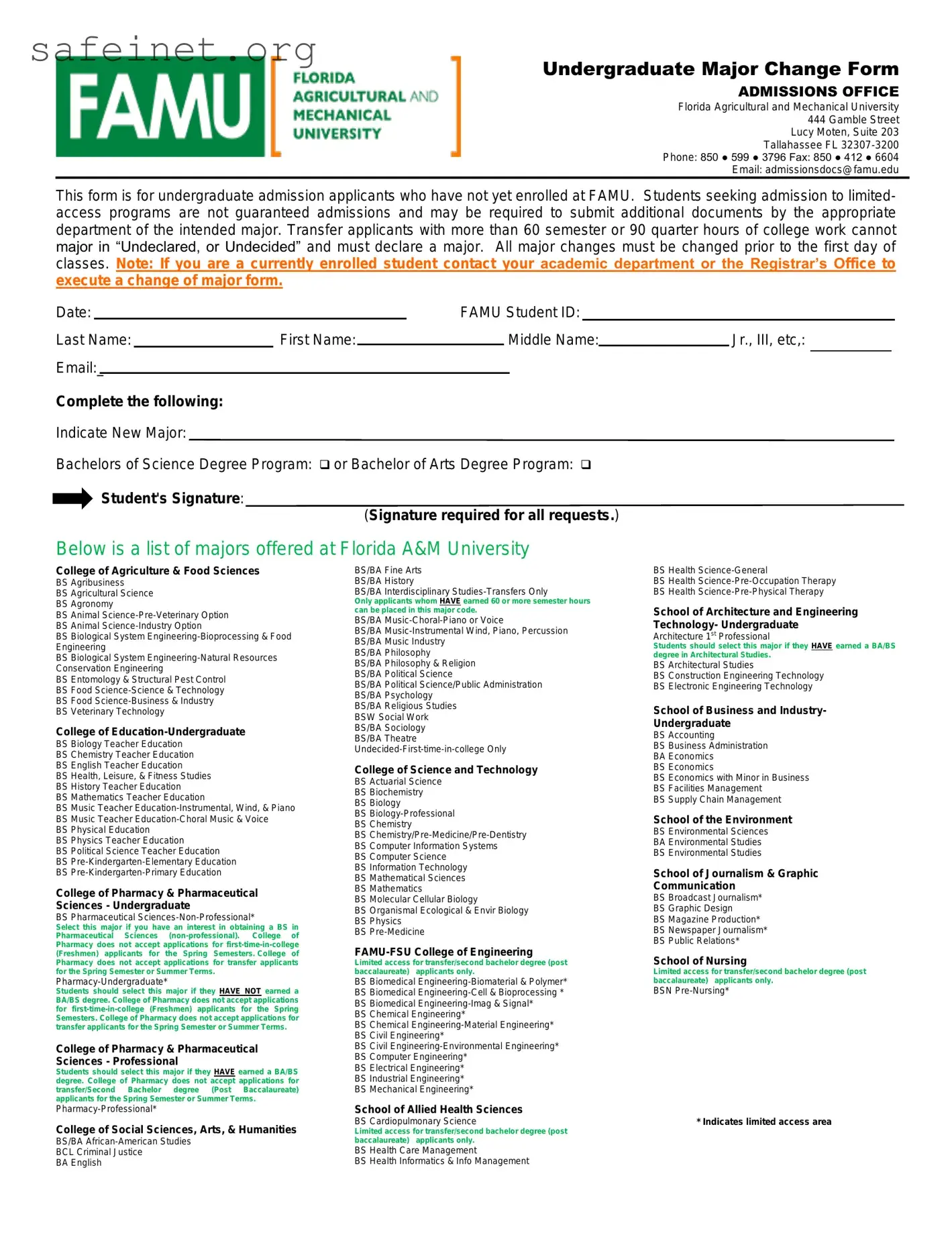
For undergraduates looking to pivot their academic trajectory, executing a change of major requires strict adherence to institutional guidelines and filing periods. The process involves meeting specific eligibility hurdles, particularly when transitioning into restricted or selective programs.
- Verify Eligibility Thresholds: Review the specific change of major criteria for your target department. Most selective majors require the completion of specific gateway courses with designated minimum grades and an established UC GPA threshold (often 2.7 to 3.0 or higher).
- Consult an Academic Advisor: Schedule a mandatory advising appointment through the UCI Student Access portal to map out your remaining time to degree (TTD) and ensure you remain within unit ceilings.
- Submit the Change of Major Application: Access the online application via Student Access during the designated filing windows (typically open during regular quarter instruction and reviewed after final grades post).
- Monitor Academic Progress and DegreeWorks: Once approved, verify that your degree audit updates correctly to reflect your new catalog year requirements and major-specific milestones.
Advising Best Practice: Always check for overlapping coursework when transitioning between disciplines. Completing lower-division general education requirements early protects your timeline if administrative reviews for your target major take longer than expected.
Comparative Analysis: Traditional Pathways Versus Modernized Curricula
Evaluating how modern academic standards differ from legacy models highlights the shifting priorities of higher education administration at research-intensive institutions like UCI.
- Legacy Curricula: Focused heavily on theoretical foundations, rigid prerequisite chains with limited flexibility, and traditional semester-equivalent quarter pacing. Minimal integration of cross-disciplinary computational tools.
- Modernized 2026 Frameworks: Emphasizes modular learning, data analytics across all disciplines, experiential learning opportunities (such as UCDC and UCI Beall Applied Innovation programs), and proactive academic intervention safeguards.
Pros and Cons of Institutional Program Adjustments
- Pros:
- Better alignment with contemporary industry demands and emerging technological sectors.
- Enhanced transparency regarding degree progress and graduation timelines via automated auditing tools.
- Increased availability of targeted academic support and peer tutoring initiatives.
- Cons:
- Heightened competition and stricter grade cutoffs for impacted majors.
- Reduced margin for error in early coursework, leading to increased academic stress for lower-division students.
- Complex administrative hurdles when petitioning for course substitutions or exceptions.
Expert Strategies for Managing Academic Transitions Successfully
Navigating institutional modifications successfully demands proactive planning and deep familiarity with campus resources. Drawing from academic counseling frameworks and institutional data, students can safeguard their academic standing by adopting several core strategies.
- Leverage DegreeWorks Proactively: Run "What-If" audits regularly to simulate how changing your major or adding a minor will impact your unit caps and graduation date.
- Maintain Open Lines of Communication: Establish relationships with both your home department advisor and your prospective major advisor well before submitting formal paperwork.
- Utilize Campus Academic Support: Take advantage of the UCI Learning Center, Science Library workshops, and peer-led team learning (PLTL) sessions for historically difficult gateway courses.
Financial Aid and Unit Ceiling Awareness: Changing your major late in your academic career can push you toward the unit maximum threshold enforced by financial aid and the university. Always calculate your cumulative attempted units before initiating a major change after your sophomore year.
Frequently Asked Questions Regarding UCI Academic Updates
What are the minimum GPA requirements to change into an impacted major at UCI?
Most selective majors require a minimum cumulative UC GPA between 2.7 and 3.0, alongside specific grades (usually a "B" or better) in critical prerequisite gateway courses. Review the exact departmental criteria on the official UCI General Catalogue.
How do program updates affect my graduation timeline?
Program updates generally apply to your catalog year, but structural curriculum changes may require you to adopt newer course equivalents. Regular consultations with academic advisors ensure you do not miss newly introduced graduation prerequisites.
Can international students change their major without impacting their visa status?
Yes, international students can change their major, but they must notify the International Center and ensure the change does not extend their expected program completion date listed on their Form I-20.
Where can I find official documentation regarding course prerequisite changes?
All official prerequisite modifications and course descriptions are published annually in the UCI General Catalogue and updated dynamically on individual departmental websites.
What should I do if my change of major petition is denied?
If a petition is denied due to capacity limits or GPA cutoffs, meet with an undergraduate counselor to explore alternative majors, double-major options, or minor combinations that align with your career objectives.
Conclusion and Next Steps for Students
Adapting to institutional updates at the University of California, Irvine requires a blend of vigilance, strategic planning, and utilization of campus resources. By staying informed about prerequisite enforcement, GPA thresholds, and change of major protocols, students can navigate their academic journeys with confidence and clarity. To begin your next steps, log into Student Access, review your current DegreeWorks audit, and schedule a consultation with your academic counselor to ensure your educational plan remains fully aligned with current standards.