Navigating the seating chart of the world's most famous arena requires a strategic approach, especially with ongoing venue updates heading into late 2026. Whether you are planning to catch a massive pop tour, an iconic rock reunion, or an intimate acoustic performance, understanding the nuances of a Madison Square Garden concert view can make the difference between an unforgettable live music experience and an obstructed perspective. This comprehensive breakdown evaluates every major seating tier, sightline variables, and acoustic realities inside the historic Manhattan venue.
Understanding the Madison Square Garden Bowl Layout
Madison Square Garden (MSG) sits atop Pennsylvania Station at 4 Pennsylvania Plaza in Midtown Manhattan, New York City. Unlike modern multi-purpose suburban stadiums, MSG was designed with a relatively compact, circular seating bowl originally optimized for boxing and hockey. For concert configurations, this translates to an intimate atmosphere, but it also introduces unique structural sightline considerations that differ dramatically from traditional amphitheaters.
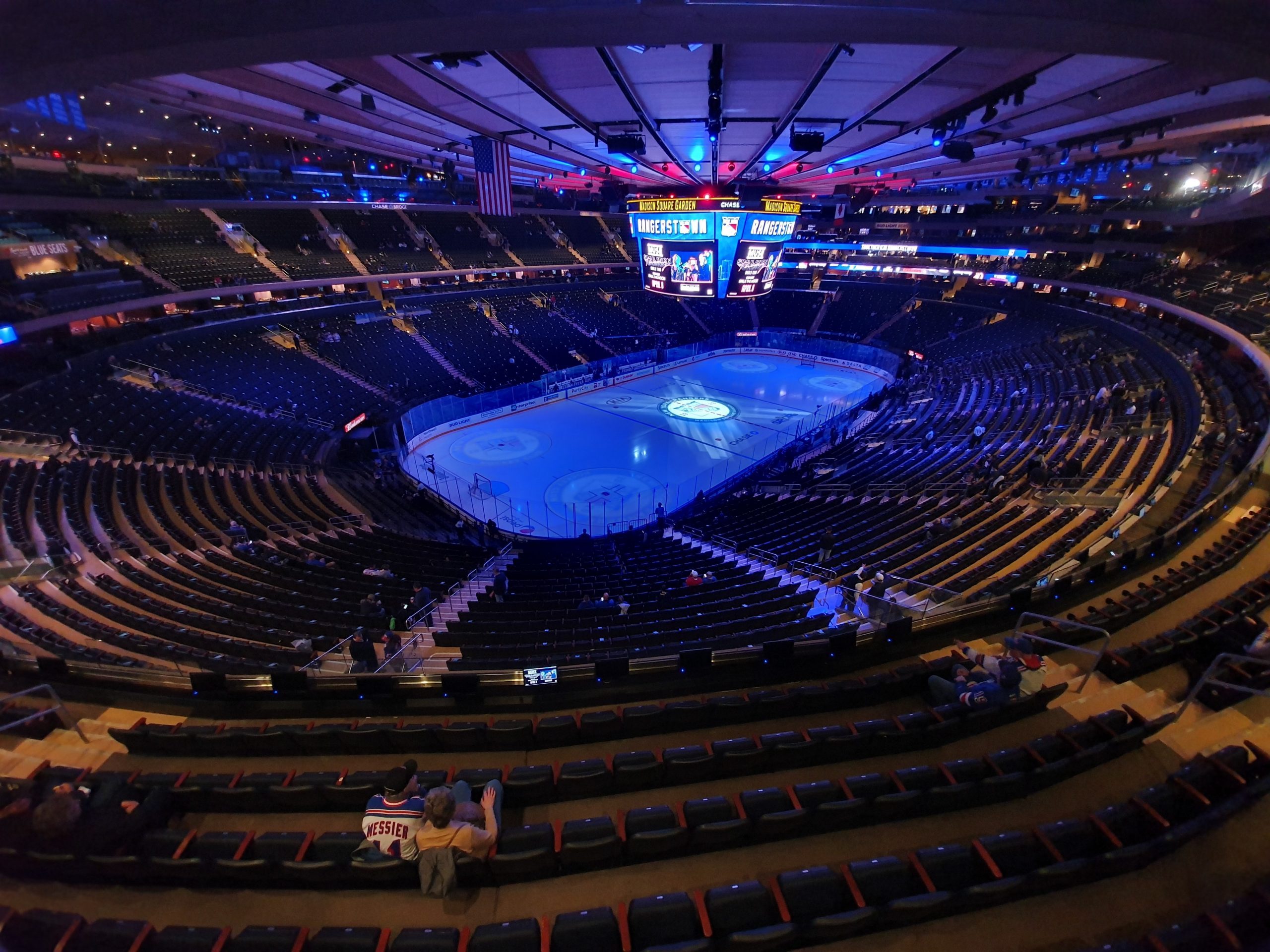
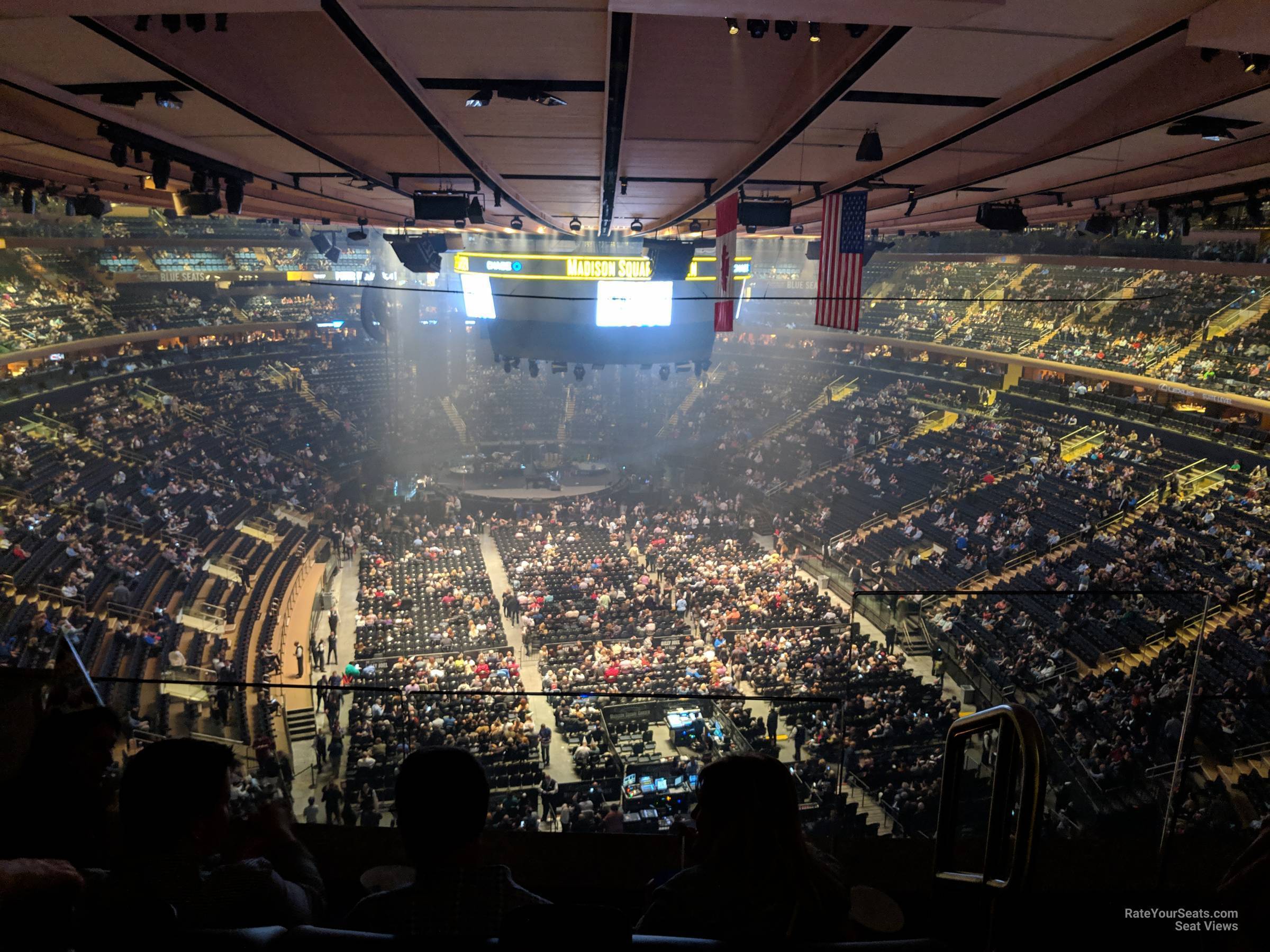
The arena is divided into three primary vertical tiers: the 100 Level (Floor and Lower Bowl), the 200 Level (Mezzanine), and the 300 Level (Upper Concourse). Additionally, specialized luxury suites and Chase Bridge seats occupy distinct elevated zones. Evaluating how each tier interacts with standard 360-degree or end-stage concert productions is essential before purchasing tickets.
- Floor Level (Sections A-L, GA Standing): Puts you face-to-face with the artist, though seated floor rows further back may suffer from flat-floor sightline compression if taller patrons block your view.
- 100 Level (Lower Bowl, Sections 101-120): Offers a balanced elevation, keeping you close to the stage while lifting you high enough to clear floor-level obstructions.
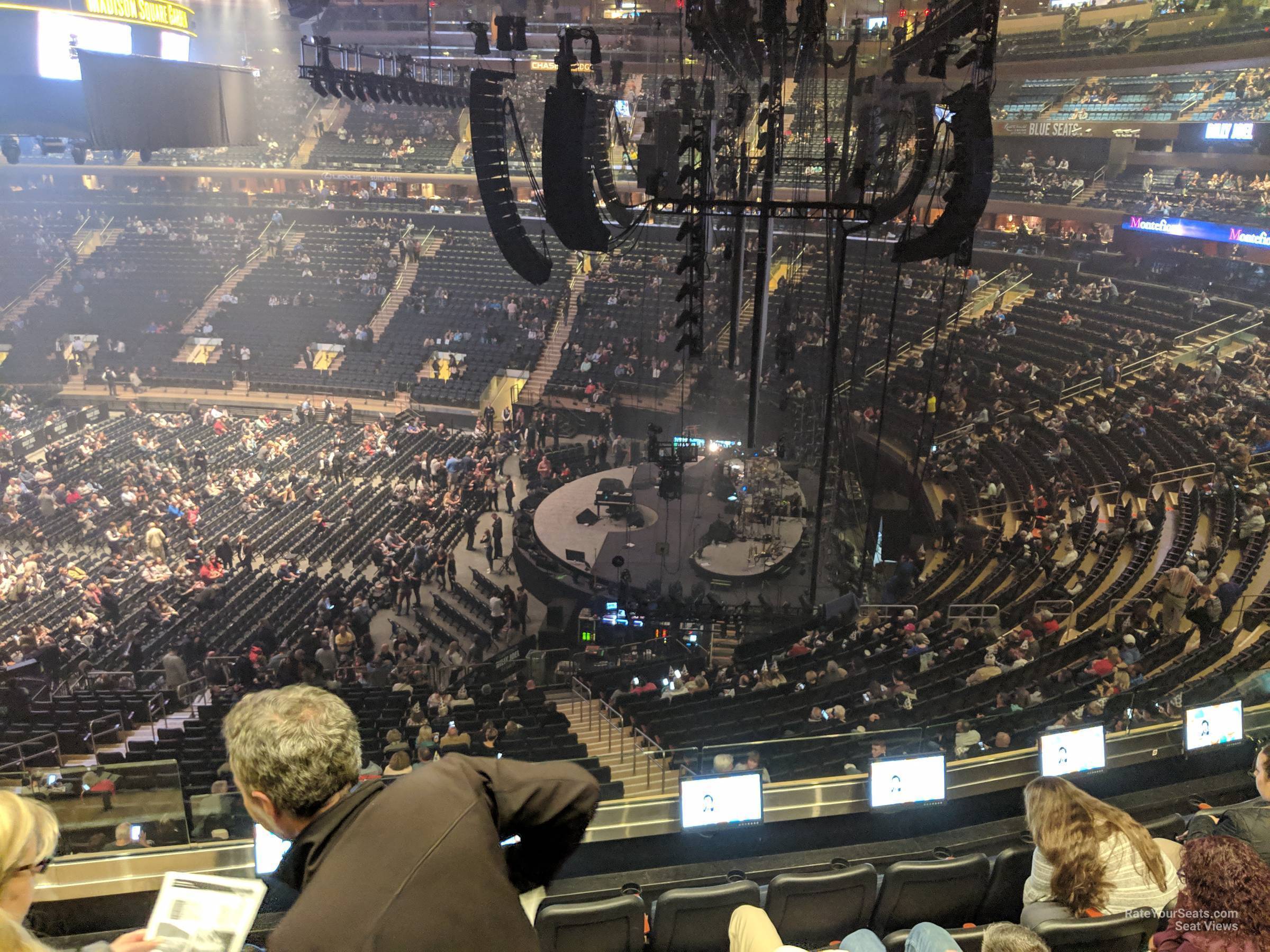
- 200 Level (Mezzanine, Sections 201-227): Widely considered the sweet spot for sound quality and overall production view, providing an elevated angle without feeling disconnected from the performance.
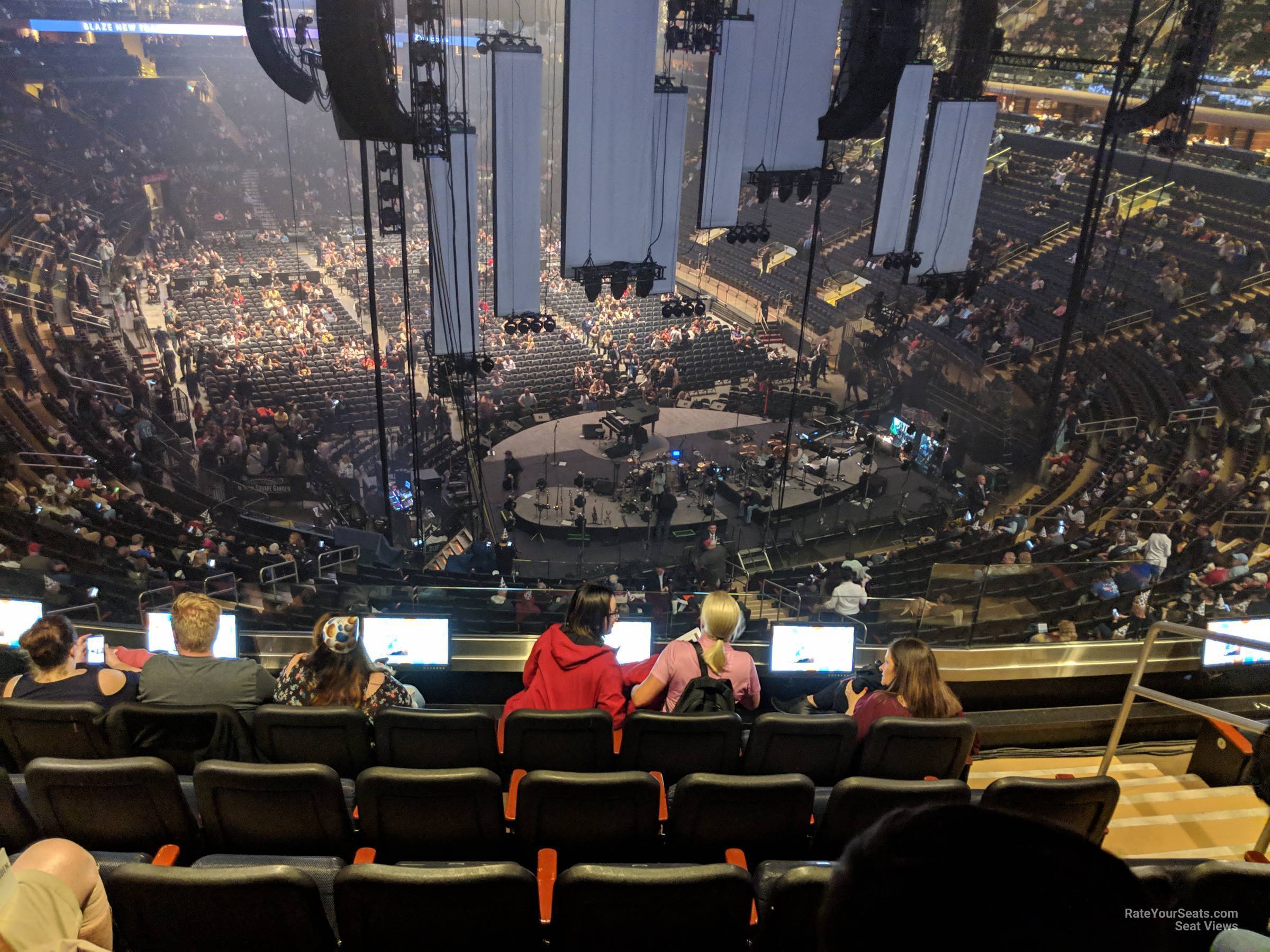
- 300 Level (Upper Concourse, Sections 301-325): The highest tier in the venue. While budget-friendly, rows in the upper double-digits can feel exceptionally steep and distant from the stage.
Detailed Breakdown of Concert Sightlines by Tier
Securing the best concert view at MSG depends heavily on your tolerance for height, distance, and potential production obstructions. Promoters frequently utilize complex lighting rigs, massive video walls, and suspended audio arrays that can inadvertently block views from specific angles.
Floor and Lower Bowl Dynamics
Floor seats are traditionally numbered from the stage outward (typically Section A closest to the stage, moving back to Section L). General Admission (GA) standing pits are standard for high-energy rock and pop shows, offering unmatched proximity. However, if you are shorter than average, standard floor seats located past Row 15 can result in obstructed sightlines due to heads and raised phones in front of you.
The 100 Level lower bowl avoids the flat-floor sightline problem entirely. Sections 101, 102, 119, and 120 flank the stage or sit directly behind it, making them frequent candidates for restricted or side-stage views. Conversely, sections 108 through 112 sit directly opposite the stage, delivering a pristine, centered perspective of the entire performance.
Mezzanine and Upper Concourse Realities
The 200 Level mezzanine is frequently championed by veteran concertgoers. Rows 1 through 10 in these sections provide an ideal elevated angle where you can observe choreography, light shows, and band interplay effortlessly.
The 300 Level requires careful section selection. Lower rows (1 through 5) in the 300 sections still offer surprisingly clear views of the stage. However, rows 15 and higher feature a steep incline that induces vertigo for some attendees. Furthermore, structural overhangs from the ceiling can occasionally cut off the top of massive video screens if you sit too far back in the upper bowl.
Comprehensive Seating Tier Comparison
To assist in your ticketing decision, the following comparison matrix outlines the acoustic profile, visual clarity, and primary trade-offs for each major zone inside Madison Square Garden for 2026 concert events.
| Seating Tier | Visual Perspective | Acoustic Quality | Primary Trade-Offs |
|---|---|---|---|
| Floor (Reserved / GA) | Maximum proximity to the artist; highly immersive. | Variable; prone to muddy bass reflection depending on soundboard calibration. | Risk of blocked sightlines by tall audience members; lack of elevation. |
| 100 Level (Lower Bowl) | Balanced elevation; clear views of stage production and performers' faces. | Excellent; direct line from primary line-array speakers. | Side sections (e.g., 101, 120) may feature partial side-stage obstruction. |
| 200 Level (Mezzanine) | Premium centered perspective; ideal for appreciating arena-wide light shows. | Superior; optimal sound mixing zone sits right around this height. | High demand makes these tickets some of the most expensive in the venue. |
| Chase Bridge (Sections 310-316) | Unique hanging perspective; zero obstruction from seats directly in front. | Very Good; suspended directly over the lower bowl. | Elevated height makes performers look quite small; limited walking space. |
| 300 Level (Upper Bowl) | Distant view; heavy reliance on arena video screens for close-ups. | Fair to Good; higher altitude can result in acoustic delay or echo. | Steep incline; high rows feel very removed from the floor energy. |
Expert Sightline Advisory: When browsing secondary ticket marketplaces for Madison Square Garden, always check the venue-specific warning labels. Tickets marked with "Limited View" or "Side Stage" often mean you will be positioned perpendicular to or behind the primary speaker stacks and video screens, severely limiting your ability to see the main performance backdrop.
The Chase Bridge Experience: Pros and Cons
Introduced during the major 2011–2013 renovation, the Chase Bridge (comprising sections on the 300 level suspended directly over the 100 and 200 tiers) offers a polarizing concert-viewing experience.
- Pros: The bridge features just two rows of seating (Row 1 and Row 2), meaning no one ever sits directly in front of you. The legroom is generous, and the elevated vantage point provides a completely unobstructed, bird's-eye view of the entire floor and stage setup.
- Cons: Because the bridge hangs out over the lower bowl, you are physically separated from the main concourse buzz. Additionally, performers will appear very small, requiring you to watch the big screens for close-up expressions.
Step-by-Step Guide to Choosing the Best Sightline
Selecting the right seat involves balancing your budget against your personal preferences for proximity versus overall visual production. Follow this structured approach when purchasing tickets for an upcoming 2026 tour:
- Analyze the Stage Configuration: Review the specific tour seating map provided during the sale. Determine whether the artist is using an end-stage setup, a diamond-shaped thrust, or a 360-degree center-hung stage.
- Filter Out Extreme Side Sections: Avoid sections 101, 102, 119, 120, 201, 202, 226, and 227 unless the ticket notes explicitly state that the stage extends far out into the floor or that views are unobstructed.
- Target the Sweet Spots: Prioritize Sections 108-112 for lower-bowl intimacy, or Sections 210-216 for a centered, elevated mezzanine view with optimal acoustic balance.
- Verify Row Numbers: For upper-tier seats (300 Level), aim for rows 1 through 8 to avoid the dizzying steepness and potential ceiling overhangs found in the highest rows.
- Cross-Reference Fan Photos: Use crowd-sourced seating preview platforms to look up exact views from specific sections and rows before finalizing your transaction.
Frequently Asked Questions About MSG Concert Views
What are the best seats for a concert at Madison Square Garden?
The best overall concert views are found in the lower rows of the 200 Level (Mezzanine, Sections 210-212) and the center sections of the 100 Level, offering a perfect balance of elevation, proximity, and sound quality.
Do side-stage seats have obstructed views at Madison Square Garden?
Yes, sections directly adjacent to or behind the stage (such as Sections 101, 102, 119, and 120) often feature limited or side-stage views where you may look at the back of the performer or have sightlines cut off by lighting trusses.
Is General Admission floor standing worth it at MSG?
GA floor standing is ideal if you want to be as close to the stage as possible and enjoy high-energy crowd interaction, though it requires arriving early to secure a spot near the barricade.
How do the Chase Bridge seats affect concert visibility?
The Chase Bridge offers a unique, elevated bird's-eye view with zero obstructed sightlines from people in front of you, but it places you quite far vertically and horizontally from the stage.
Are there any structural pillars blocking views inside Madison Square Garden?
Unlike older arenas built in the early 20th century, Madison Square Garden's modern engineering features a cable-suspended ceiling roof that eliminates internal support pillars, ensuring zero structural visual blockages across the seating bowl.
What should I check before buying resale concert tickets for MSG?
Always inspect the ticket seller's disclosure notes for terms like "Obstructed View," "Limited Sightline," or "Side Stage," and cross-reference the seat number with online arena view tools to confirm what production elements might be in your line of sight.
Plan Your Next Concert Experience Today
Securing the ideal Madison Square Garden concert view transforms a standard evening out into an unforgettable live music memory. By evaluating the structural layout, avoiding hazardous side-stage angles, and selecting tiers that match your acoustic and visual preferences, you can enjoy New York City's premier entertainment arena to its absolute fullest. Review upcoming tour schedules, study the official venue maps, and lock in your ideal seats for the ultimate 2026 concert season.