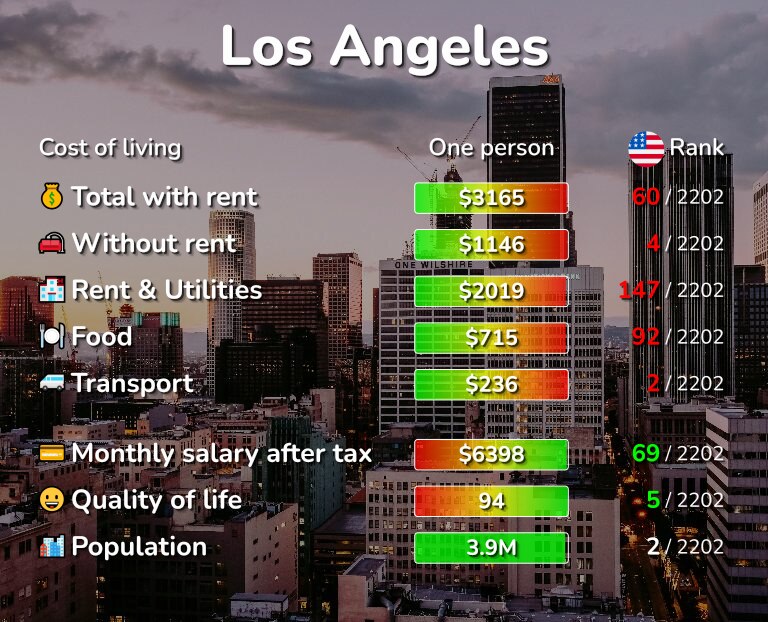
To live comfortably in Los Angeles in 2026, a single individual typically requires a minimum pre-tax annual income of $82,000, while a family of four should aim for $165,000 or more. These figures account for the high cost of housing, significant transportation expenses, and California’s progressive state income tax structure.
Living in the second-largest city in the United States offers unparalleled cultural, professional, and recreational opportunities, but it comes with a price tag often referred to as the "Sunshine Tax." As we navigate 2026, the economic landscape of Los Angeles continues to be defined by a competitive real estate market and a higher-than-average cost for basic services. This guide provides a detailed breakdown of the essential expenses required to maintain a standard of living in the City of Angels.
Note: This article is for informational purposes only and does not constitute professional financial or legal advice. Cost of living figures are estimates based on regional averages and individual circumstances will vary.
The Housing Market: Renting vs. Owning in 2026
Housing remains the most significant expenditure for Los Angeles residents, often consuming 30% to 50% of a household's take-home pay. The market in 2026 is characterized by a continued shortage of inventory, despite aggressive legislative efforts to increase density near transit hubs.
Rental Market Trends
For the majority of Angelenos, renting is the only viable option. In 2026, the average rent for a one-bedroom apartment in a central neighborhood like Silver Lake or Culver City ranges from $2,800 to $3,400 per month. Areas further from the urban core, such as parts of the San Fernando Valley or the Gateway Cities, offer slight relief, with one-bedroom units averaging closer to $2,200.
Renters must also account for initial move-in costs, which typically include the first month's rent plus a security deposit equivalent to one or two months of rent. Since the implementation of stricter tenant protections and the evolution of the California Tenant Protection Act, many landlords have standardized their screening processes, requiring a credit score of 700 or higher and a gross income of at least three times the monthly rent.
Residential Real Estate and Ownership
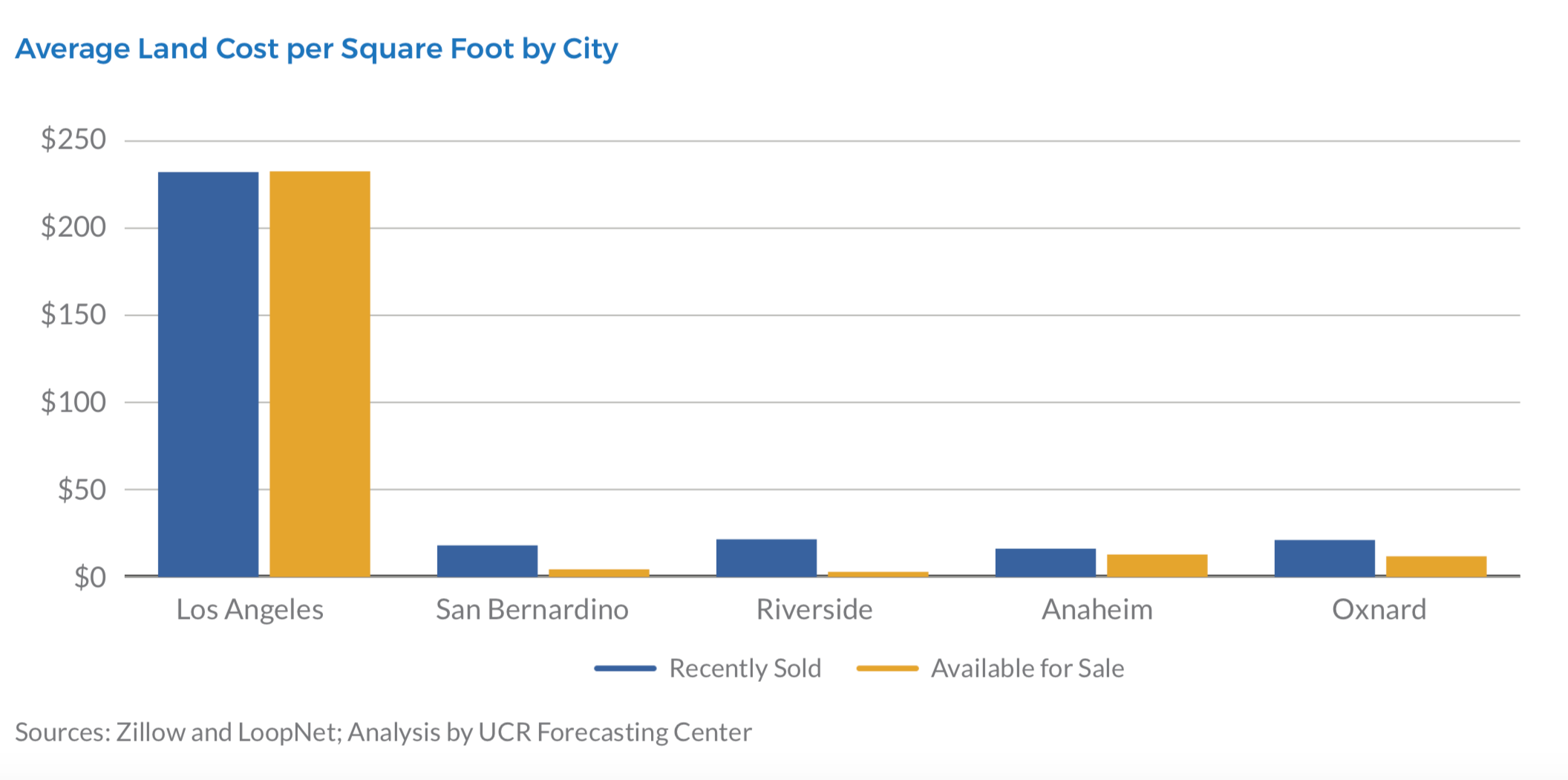
Purchasing a home in Los Angeles continues to be a high-barrier endeavor. The median home price in Los Angeles County has stabilized near $950,000, though "desirable" neighborhoods on the Westside frequently see entry-level homes starting at $1.5 million. Prospective buyers must factor in the 1.25% base property tax rate, plus various local assessments and bonds that can push the effective rate closer to 1.5%. Additionally, homeowners insurance premiums have seen significant increases through 2026 due to wildfire risks and rising construction costs, making the "all-in" monthly mortgage payment significantly higher than just the principal and interest.
Transportation and Connectivity Costs
Los Angeles is a city designed around the automobile, and while public transit infrastructure has expanded, most residents still find a car essential for daily life.
Car Ownership Expenses
Gasoline prices in Los Angeles are consistently among the highest in the nation. In 2026, residents should budget for fuel prices that frequently exceed the national average by $1.50 to $2.00 per gallon due to California’s specific environmental regulations and taxes.
Beyond fuel, auto insurance in Los Angeles is a major expense. Factors such as high traffic density and a high rate of uninsured motorists contribute to premiums that can average $2,500 to $3,500 annually for a clean driving record. Annual registration fees through the California Department of Motor Vehicles are value-based, meaning newer or more expensive vehicles incur higher yearly costs.
Public Transit and Alternatives
The Los Angeles County Metropolitan Transportation Authority (Metro) has made strides in expanding the rail network. A monthly transit pass in 2026 costs approximately $100, providing unlimited rides on buses and trains. While this is a cost-effective alternative, the "last mile" problem remains a reality, often necessitating the use of ride-sharing services or electric scooters, which can add $150 to $300 to a monthly budget if used frequently.
Utilities and Essential Services
Utilities in Los Angeles are managed by a mix of public and private entities, with costs varying based on the age and energy efficiency of the housing unit.
- Electricity and Water: The Los Angeles Department of Water and Power (LADWP) provides these services for most of the city. Due to multi-year rate increases aimed at upgrading aging infrastructure and meeting renewable energy mandates, the average monthly bill for a two-bedroom apartment is now approximately $220, peaking during the summer months when air conditioning is vital.
- Natural Gas: Provided primarily by SoCalGas, natural gas is used for heating and cooking. Monthly costs average $40 in the summer but can spike to $150 in the winter.
- Internet and Mobile: High-speed internet is essential for the city’s large "work-from-home" population. Standard plans start at $80 per month, with fiber-optic options reaching $120.
Grocery and Dining Expenditures
The cost of food in Los Angeles reflects the city's status as a global culinary capital, but it also highlights the inflationary pressures on supply chains.
Grocery Budgeting
A single person should expect to spend between $450 and $600 per month on groceries. While California produces a vast amount of the nation's produce, local retail prices remain high. Shopping at discount retailers like Aldi or Trader Joe's can mitigate these costs, whereas high-end markets like Gelson’s or Erewhon can easily double a monthly food budget.
The Cost of Dining Out
Los Angeles offers everything from world-class street food to Michelin-starred dining. In 2026, a casual meal at a mid-range restaurant costs roughly $30 to $45 per person, including tax and a standard 20% tip. A "cheap eat" like a burrito or a burger combo now typically falls in the $15 to $20 range. Alcohol prices are also notable, with cocktails averaging $16 to $22 and craft beers at $9 to $12.
Taxation and the Net Income Reality
California’s tax environment significantly impacts the actual purchasing power of Los Angeles residents. Understanding the difference between gross and net income is crucial for accurate budgeting.
State Income Tax
California has a progressive income tax system with brackets ranging from 1% to 13.3%. For a middle-income earner making $100,000, the effective state tax rate is approximately 6-7%. This is in addition to federal income taxes and FICA contributions.
Sales and Use Tax
The sales tax rate in the City of Los Angeles is 9.5%. This applies to most tangible goods, including clothing, electronics, and household items, though most "unprepared" groceries and prescription medicines are exempt. This high rate adds a hidden layer of cost to almost every consumer transaction.
2026 Estimated Monthly Budget Comparison
The following table illustrates the estimated monthly expenses for different household types in Los Angeles, assuming a moderate lifestyle without excessive luxury spending.
| Expense Category | Single Professional (Renting) | Family of Four (Renting) |
|---|---|---|
| Housing (2BR/1BR) | $2,900 | $4,500 |
| Utilities | $200 | $450 |
| Groceries | $550 | $1,400 |
| Transportation (Car/Gas/Ins) | $600 | $1,200 |
| Healthcare (Out-of-Pocket) | $150 | $600 |
| Entertainment/Dining Out | $500 | $800 |
| Miscellaneous/Savings | $400 | $700 |
| Total Monthly Estimate | $5,300 | $9,650 |
Healthcare and Personal Wellness
Healthcare costs in Los Angeles are influenced by the high cost of living for providers and the concentration of specialized medical centers. Most residents obtain insurance through their employers, but those who are self-employed or freelancers—of which there are many in the entertainment and tech sectors—must use the Covered California exchange.
In 2026, a silver-tier health plan for a 30-year-old individual costs approximately $550 per month before subsidies. Out-of-pocket costs, including co-pays for specialists and prescription medications, have trended upward, making a Health Savings Account (HSA) a popular tool for those with high-deductible plans. Personal wellness, including gym memberships, also reflects LA's premium market, with standard gym access costing $60 to $100 per month, and boutique fitness studios charging $30 to $40 per class.
How much money do I need to live comfortably in Los Angeles in 2026?
To live "comfortably"—meaning the ability to afford a private apartment, own a reliable vehicle, dine out occasionally, and save for the future—a single person generally needs a gross income of $95,000 to $110,000. For a family, this threshold often begins at $180,000, depending on childcare needs and school choices.
What are the most affordable neighborhoods in Los Angeles?
As of 2026, neighborhoods such as Panorama City, North Hills, and portions of South Los Angeles remain more affordable than the Westside or Northeast LA. However, these areas often come with longer commute times or fewer local amenities. Inland Empire suburbs like Ontario or Fontana offer lower housing costs but require a significant trade-off in daily travel time.
Is it cheaper to live in Los Angeles or San Francisco?
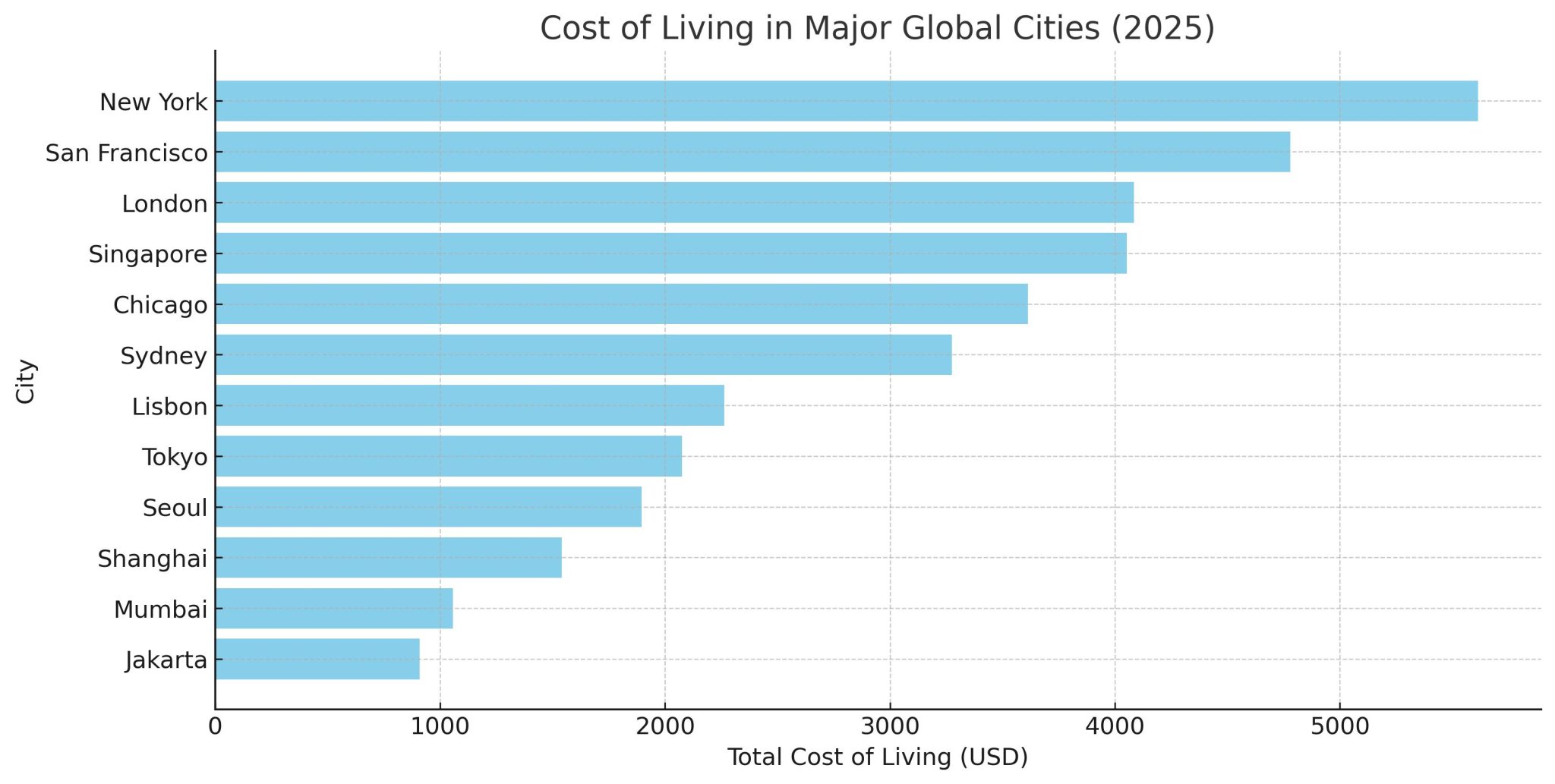
Historically, San Francisco has been more expensive than Los Angeles. However, by 2026, the gap has narrowed significantly. While San Francisco’s rents remain slightly higher, Los Angeles residents often face higher transportation and utility costs, making the overall "cost of existence" remarkably similar between the two California hubs.
How does the 2026 inflation rate affect Los Angeles specifically?
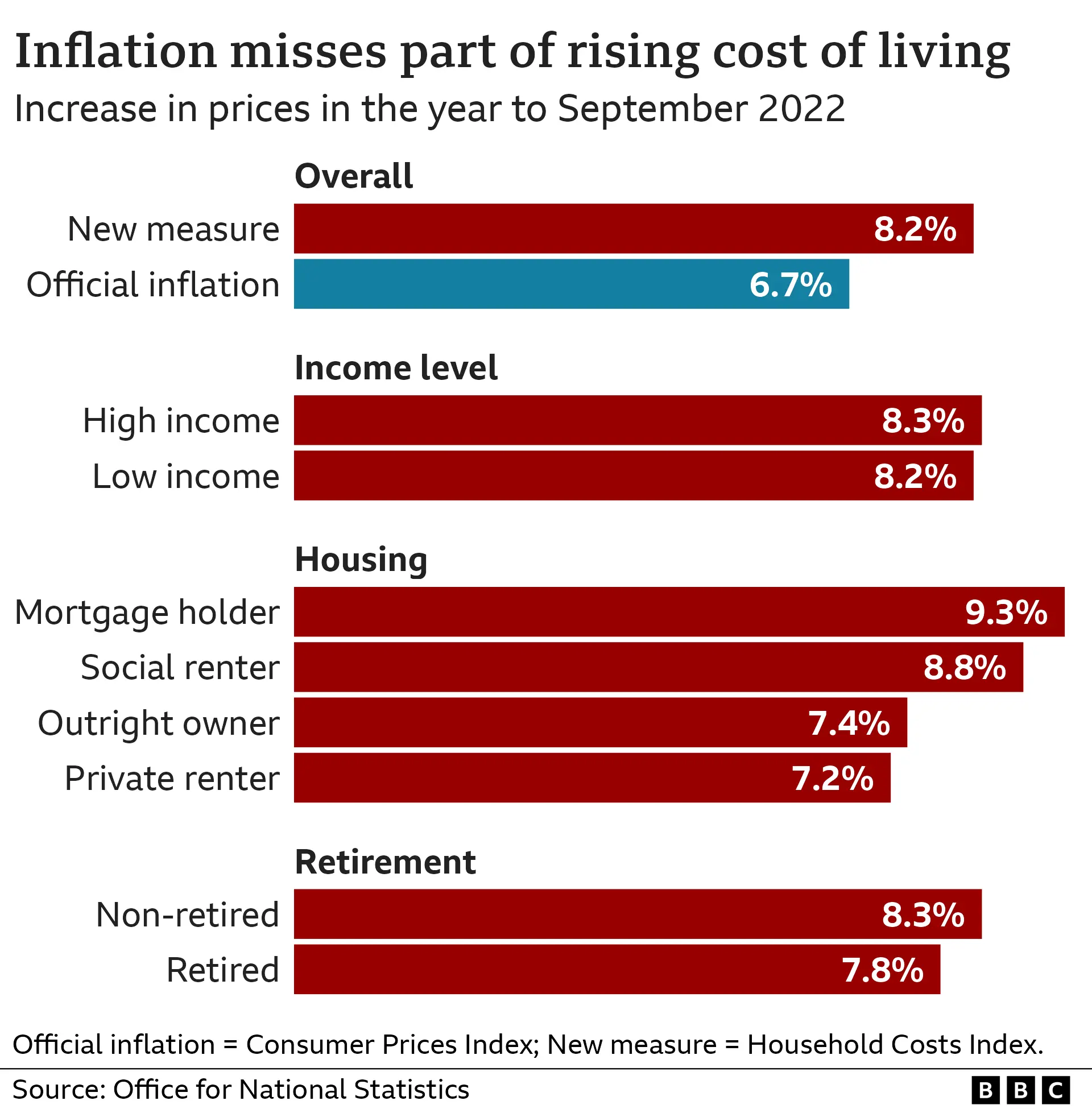
Los Angeles often experiences "regional inflation" that exceeds the national average. This is primarily driven by local factors such as state-mandated minimum wage increases, which have pushed service and dining costs higher, and California-specific environmental policies that influence energy and fuel prices.
Strategic Steps for Prospective Residents
If you are planning a move to Los Angeles in 2026, the most effective strategy to manage the cost of living is to minimize your commute. The "cost" of living in LA is not just measured in dollars, but in hours spent in traffic. Choosing a residence close to your workplace can save hundreds of dollars in fuel and vehicle maintenance, and potentially thousands in "lost time" value.
Furthermore, leveraging the city's free amenities can balance a high-cost budget. Los Angeles offers world-class public parks, beaches, and hiking trails like Griffith Park or Runyon Canyon, which provide recreation at no cost. Prioritizing these activities over high-priced entertainment venues is a common tactic for long-term residents to maintain a high quality of life in one of the world's most expensive cities.