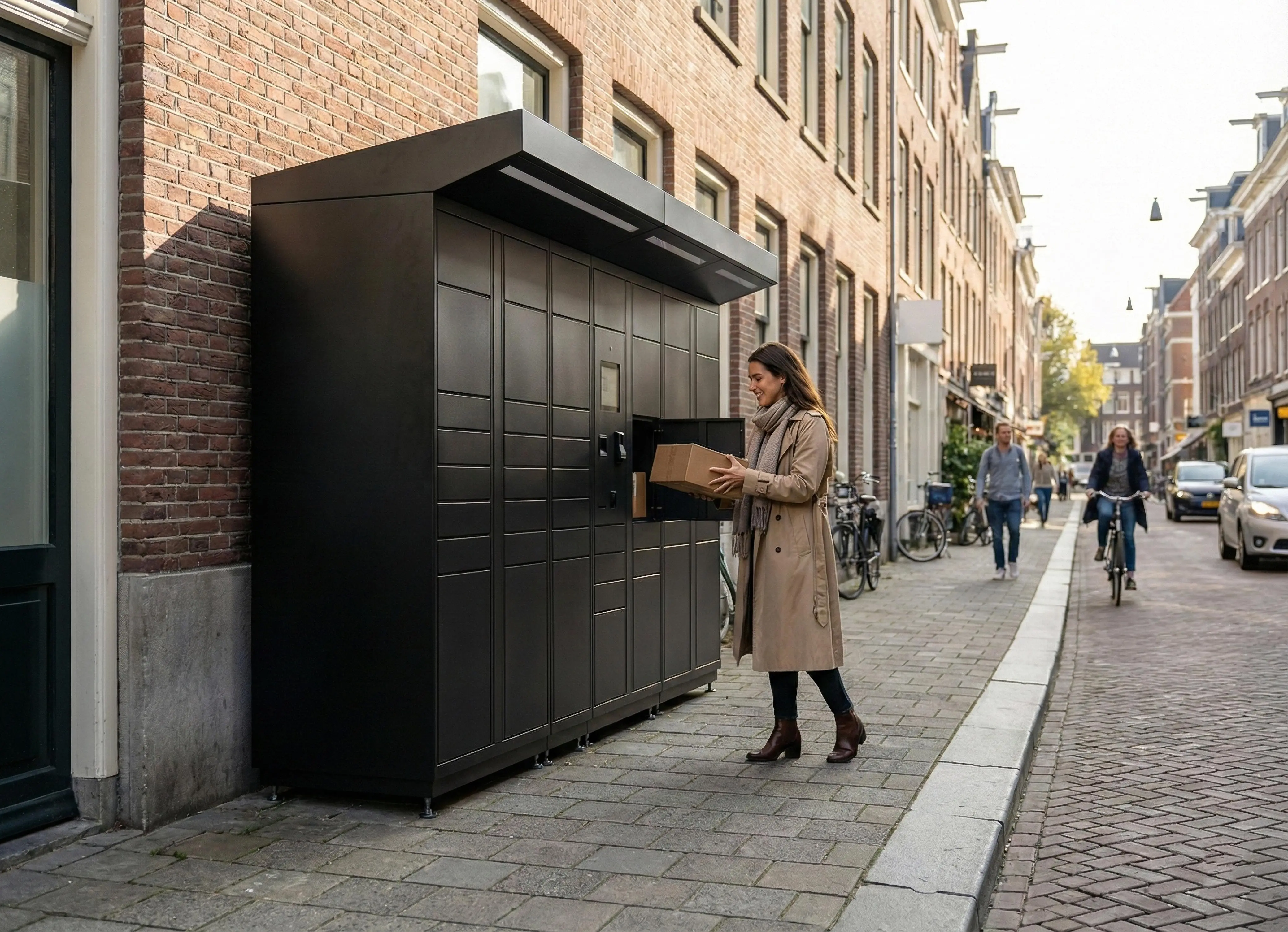
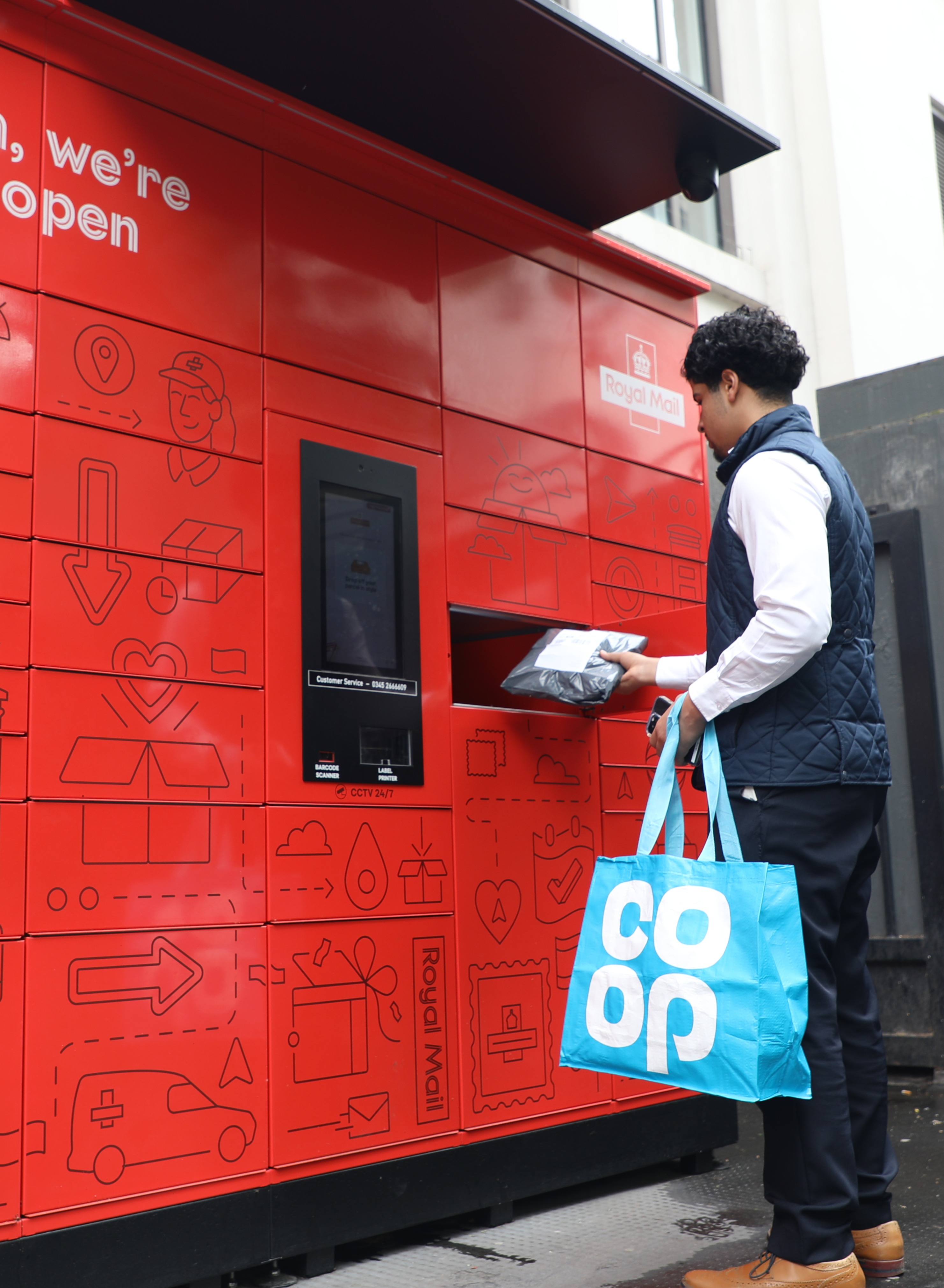
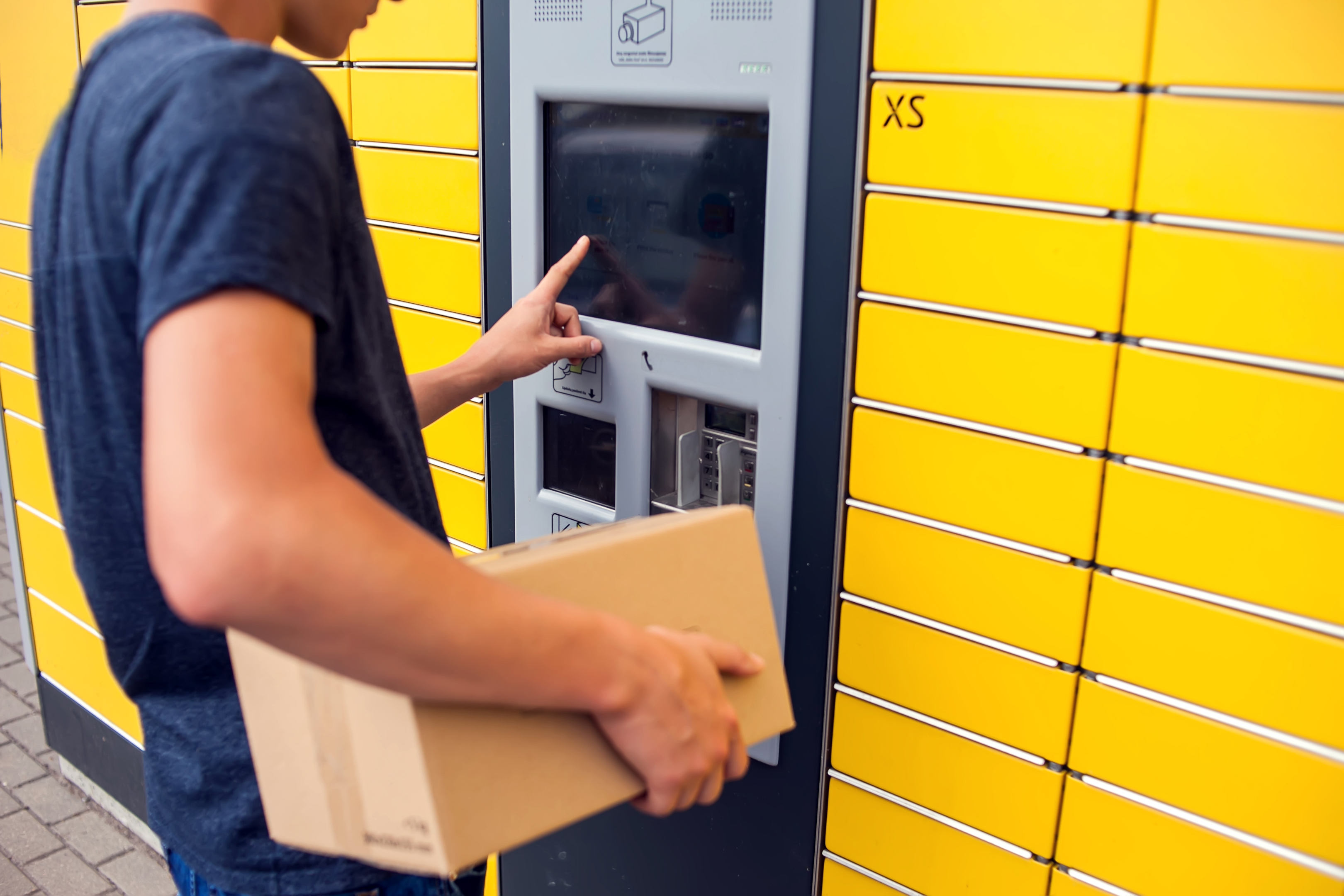
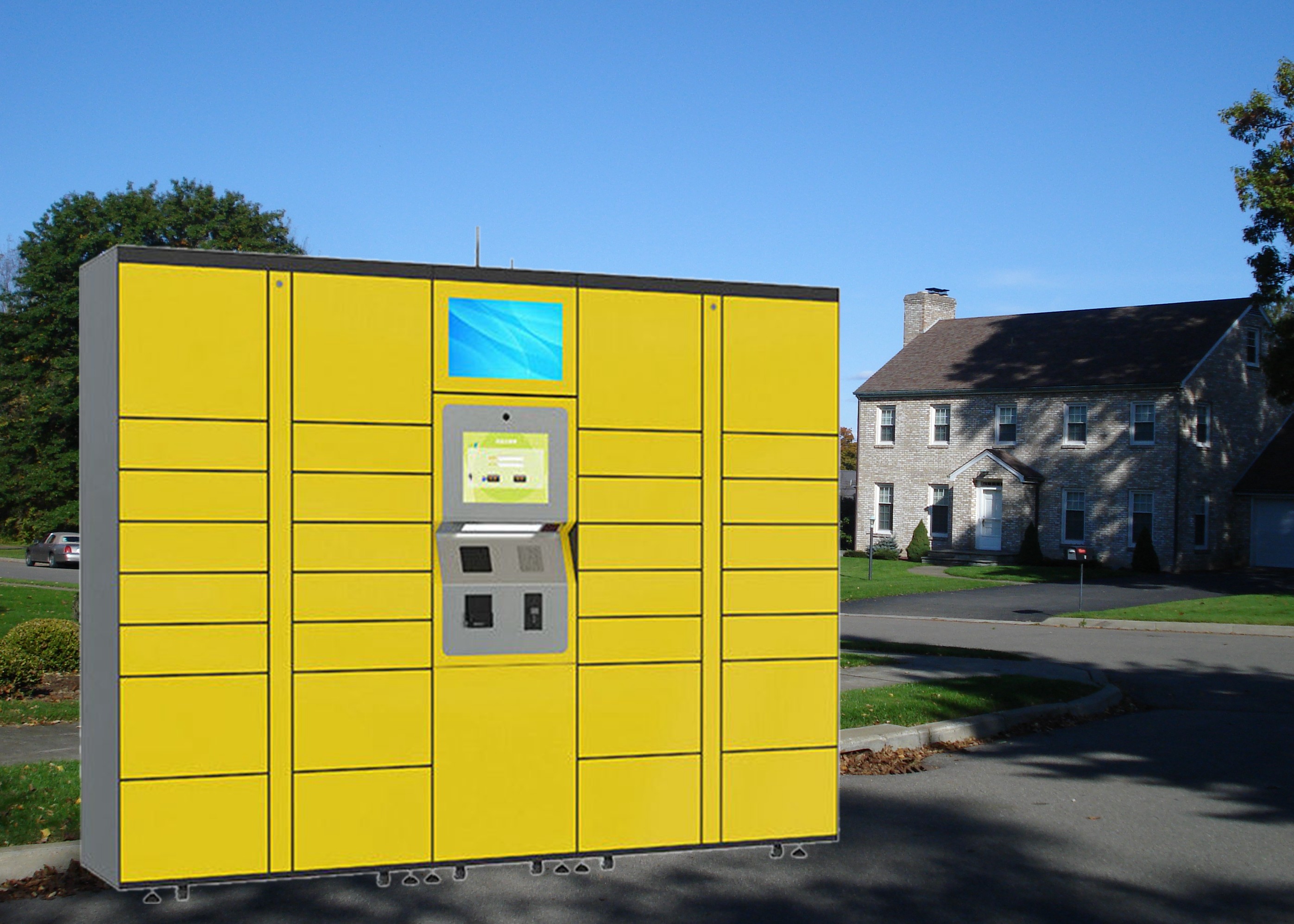
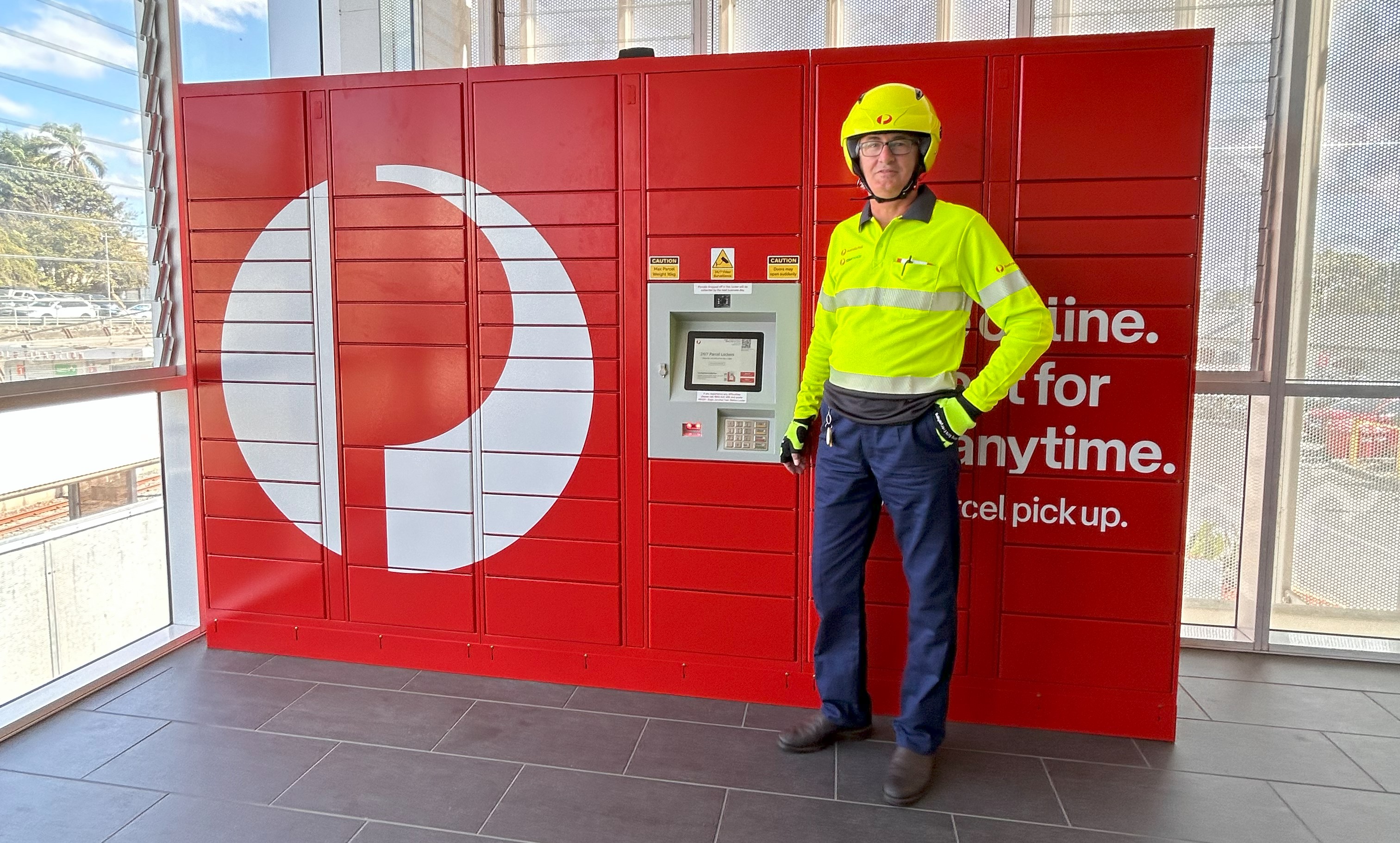
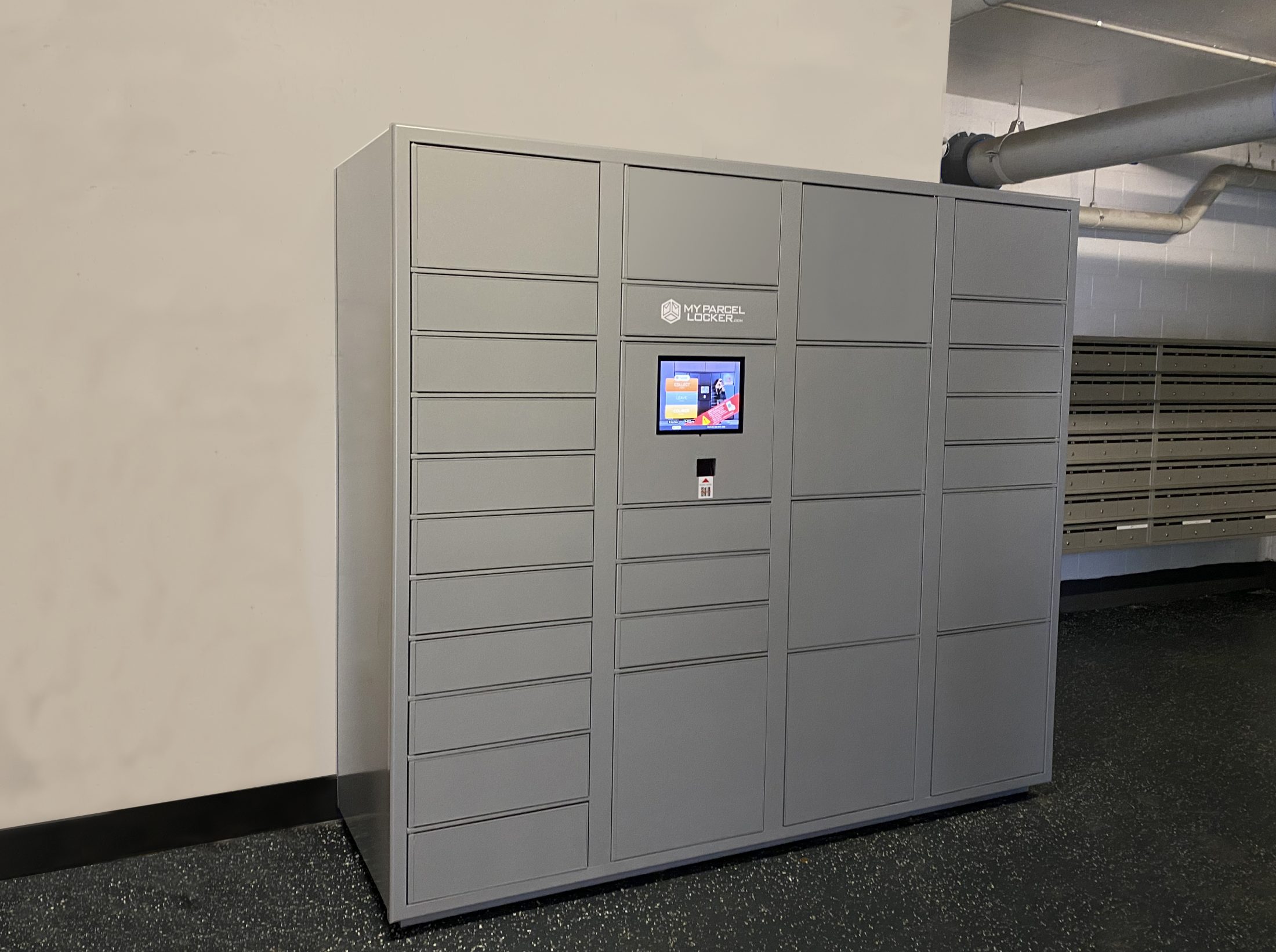
The term "locker parcel" refers to the secure, automated systems used for storing, sending, and collecting packages via electronic terminal networks. In 2026, locker parcel infrastructure has evolved from a simple alternative delivery method into the backbone of modern urban logistics, bridging the gap between high-volume e-commerce fulfillment and last-mile delivery challenges.
The Evolution of Automated Locker Parcel Networks
Automated parcel lockers have transformed significantly over the past decade. Traditional courier models face mounting pressure due to labor shortages, rising fuel costs, and urban congestion. Modern locker parcel installations now incorporate advanced Internet of Things (IoT) sensors, computer vision for automated dimension scanning, and solar-powered options for off-grid outdoor placement.
Carriers and third-party logistics providers deploy these networks across residential apartment complexes, transit hubs, retail storefronts, and workplace campuses. By eliminating the need for person-to-person handoffs, automated parcel infrastructure reduces failed delivery rates to near zero. Users receive a dynamic, encrypted PIN or a secure QR code via smartphone application, granting access to a designated compartment within seconds.
Core Technical Specifications of Modern Terminal Hardware
Deploying a commercial-grade locker parcel system requires adherence to strict engineering and cybersecurity standards. Modern hardware must withstand extreme environmental conditions while maintaining continuous network uptime.
- Enclosure Durability: Constructed from heavy-gauge galvanized steel with powder-coated finishes, rated IP55 or higher for weather resistance and protection against tampering.
- Power and Connectivity: Dual-connectivity options utilizing 5G cellular failovers and hardwired Ethernet, paired with backup battery uninterruptible power supplies (UPS) to ensure operation during regional power outages.
- User Interface Interfaces: Weatherproof, high-brightness capacitive touchscreen displays equipped with barcode/QR scanners and integrated near-field communication (NFC) readers for contactless smartphone authentication.
- Compartment Scaling: Modular designs featuring mixed compartment dimensions (small, medium, large, and oversized locker banks) configured dynamically via remote backend management software.
Operational Workflow for Senders and Receivers
Navigating the locker parcel ecosystem requires understanding both inbound delivery retrieval and outbound peer-to-peer shipping. The process has been streamlined to minimize friction points for everyday consumers and commercial couriers alike.
- Selection at Checkout: When purchasing goods online, the buyer selects a nearby locker parcel terminal as the designated delivery address instead of a residential or commercial street address.
- Carrier Consolidation and Transit: The e-commerce merchant dispatches the parcel via an integrated carrier (such as Amazon Logistics, DHL, FedEx, or national postal services) that holds access rights to the specific locker network.
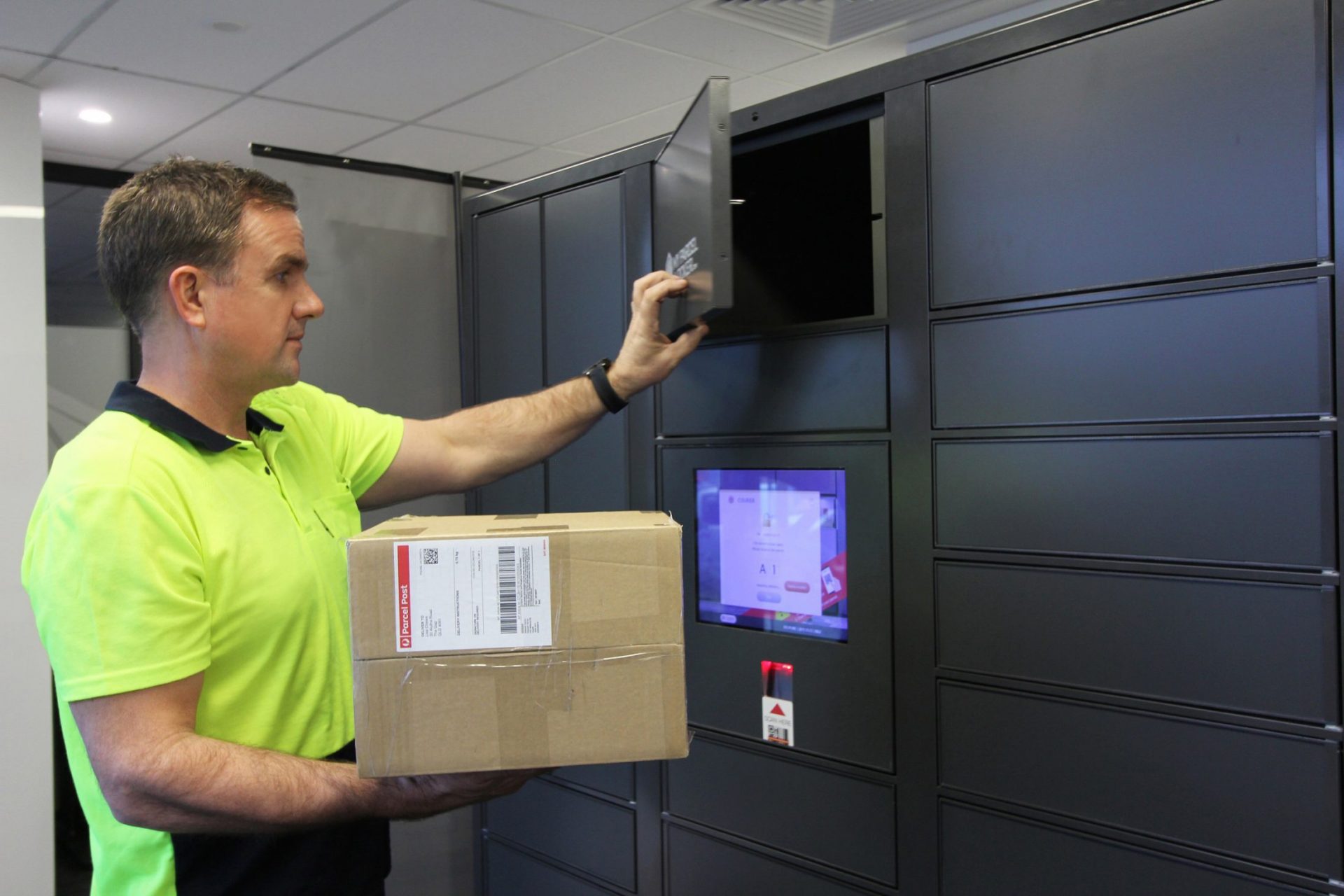
- Secure Deposition: The courier arrives at the locker bank, scans their master credentials, selects an appropriately sized empty compartment, deposits the parcel, and closes the door. The system automatically logs the event.
- Notification Dispatch: The recipient receives an instant push notification, SMS, or email containing retrieval instructions and a secure time-sensitive pickup code.
- Retrieval Phase: The recipient visits the terminal within the designated retention window (typically 3 to 5 calendar days), scans or enters their code, retrieves the item, and shuts the door to conclude the transaction.
Comparative Analysis of Locker Parcel Deployment Models
Different stakeholders approach locker parcel infrastructure through distinct operational frameworks. Choosing the right model dictates capital expenditure, maintenance responsibility, and user adoption rates.
| Deployment Model | Primary Advantage | Operational Challenge | Best Suited For |
|---|---|---|---|
| Carrier-Owned Networks | High volume of captive shipments; zero marginal integration cost for the primary merchant. | Restricted access; competing couriers cannot deposit packages into proprietary terminals. | Major e-commerce giants and national postal operators. |
| Open-Network Providers | Multi-carrier compatibility; allows any logistics company to drop parcels into the same bank. | Complex revenue-sharing agreements and higher initial software overhead. | Urban municipalities, transit authorities, and retail real estate portfolios. |
| Private Residential Lockers | Guaranteed secure storage for tenants; eliminates front-desk package management burdens. | Capital expense borne by property owners or homeowners associations. | Multi-family residential complexes, student housing, and gated communities. |
| Retail Click-and-Collect | Drives foot traffic into physical brick-and-mortar storefronts during off-peak hours. | Limited by store operating hours unless installed in an exterior vestibule. | Grocery chains, pharmacies, and specialty department stores. |
Pros and Cons of Utilizing Locker Parcel Terminals
Evaluating the implementation of automated lockers requires weighing the operational efficiencies against inherent limitations in scale and user accessibility.
Advantages
- Theft Mitigation: Completely eliminates porch piracy and package theft, which remains a primary concern for residential deliveries.
- Scheduling Flexibility: Allows consumers to retrieve items 24 hours a day, 7 days a week, removing the requirement to wait at home during broad delivery windows.
- Carbon Footprint Reduction: Minimizes repeated delivery attempts by couriers, significantly lowering urban carbon emissions and traffic congestion.
Disadvantages
- Physical Limitations: Oversized goods, heavy furniture, or specialized freight cannot fit into standard modular locker compartments.
- Proximity Constraints: Users living in rural or low-density suburban areas may face long travel distances to reach the nearest active terminal.
- Technical Failures: Power outages, network disconnections, or mechanical door jams can temporarily restrict access to stored contents until field technicians resolve the issue.
Frequently Asked Questions About Locker Parcel Services
How long can my package remain inside a locker parcel terminal before it is returned?
Most providers hold packages for 3 to 5 calendar days before triggering an automatic return-to-sender protocol. If you anticipate a delay, you can usually request an extension directly through the carrier's mobile application or customer service portal.
Are locker parcel terminals safe from vandalism and weather damage?
Yes, commercial-grade outdoor lockers are constructed from reinforced steel, feature tamper-resistant locking mechanisms, and are rated to withstand rain, snow, and extreme temperatures. They are also typically monitored by 24/7 closed-circuit security cameras.
Can I ship items out using a locker parcel network, or are they only for receiving?
Many modern open-network lockers support outbound shipping by allowing users to print pre-paid return labels at home, scan them at the terminal, and drop the package into an open compartment for pickup by the courier.
What happens if the compartment door fails to open when I enter my pickup code?
If the door fails to release, check your code for typos or expiration. If the issue persists, use the on-screen emergency support button or contact the provider's customer service hotline immediately to trigger a remote diagnostic override.
Do I need to pay a fee to use a locker parcel delivery location?
In most cases, using a locker network selected during online checkout is free or included within standard shipping costs. However, some private residential or specialized storage networks may charge a small processing fee for extended holding times.
Optimizing Your Last-Mile Strategy
Integrating locker parcel options into your daily routine or business logistics framework requires careful planning around location proximity, carrier compatibility, and pickup timeliness. By selecting secure terminal points for high-value deliveries, consumers and businesses alike can bypass traditional delivery bottlenecks and secure absolute peace of mind.