Finding the nearest discount grocery store requires navigating a rapidly expanding physical retail network. Whether you are trying to minimize weekly household expenses or adapting your shopping routines to a new neighborhood in 2026, understanding the distribution patterns, store formats, and technological tools for locating Aldi branches is essential. This guide covers everything from digital map optimization to regional layout differences, helping you streamline your grocery acquisition strategy.
Evolution of the Aldi Footprint in 2026
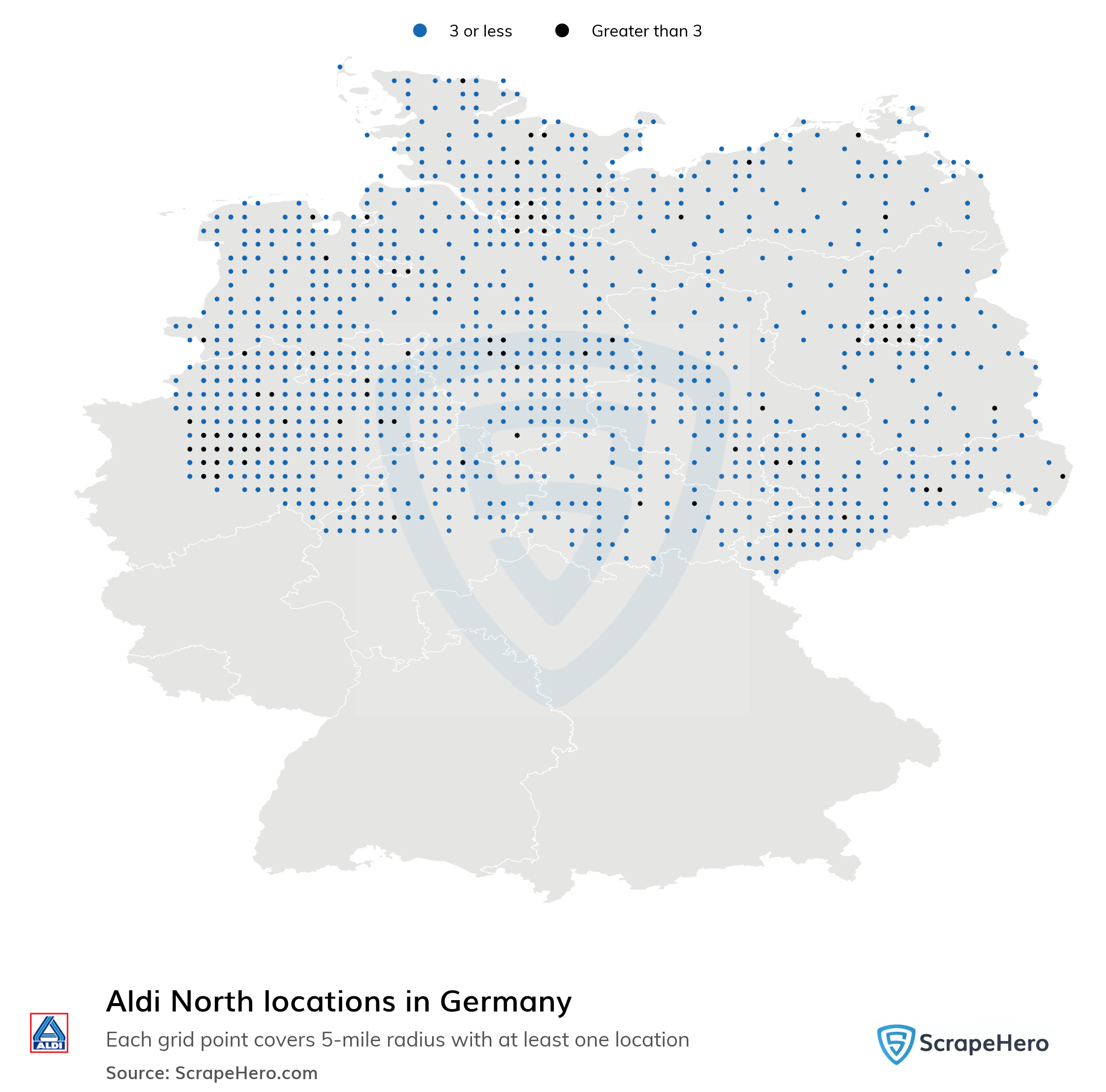
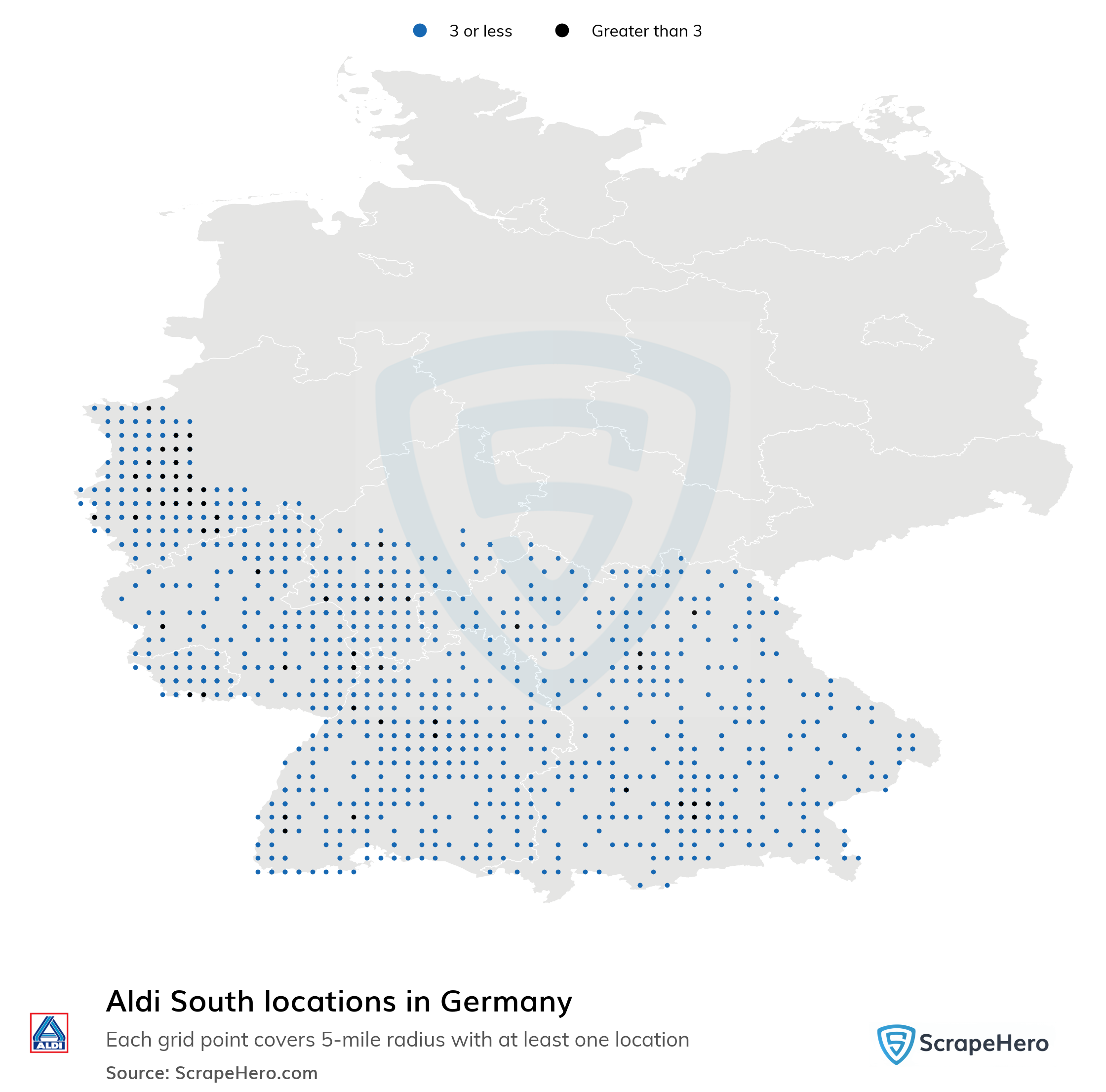
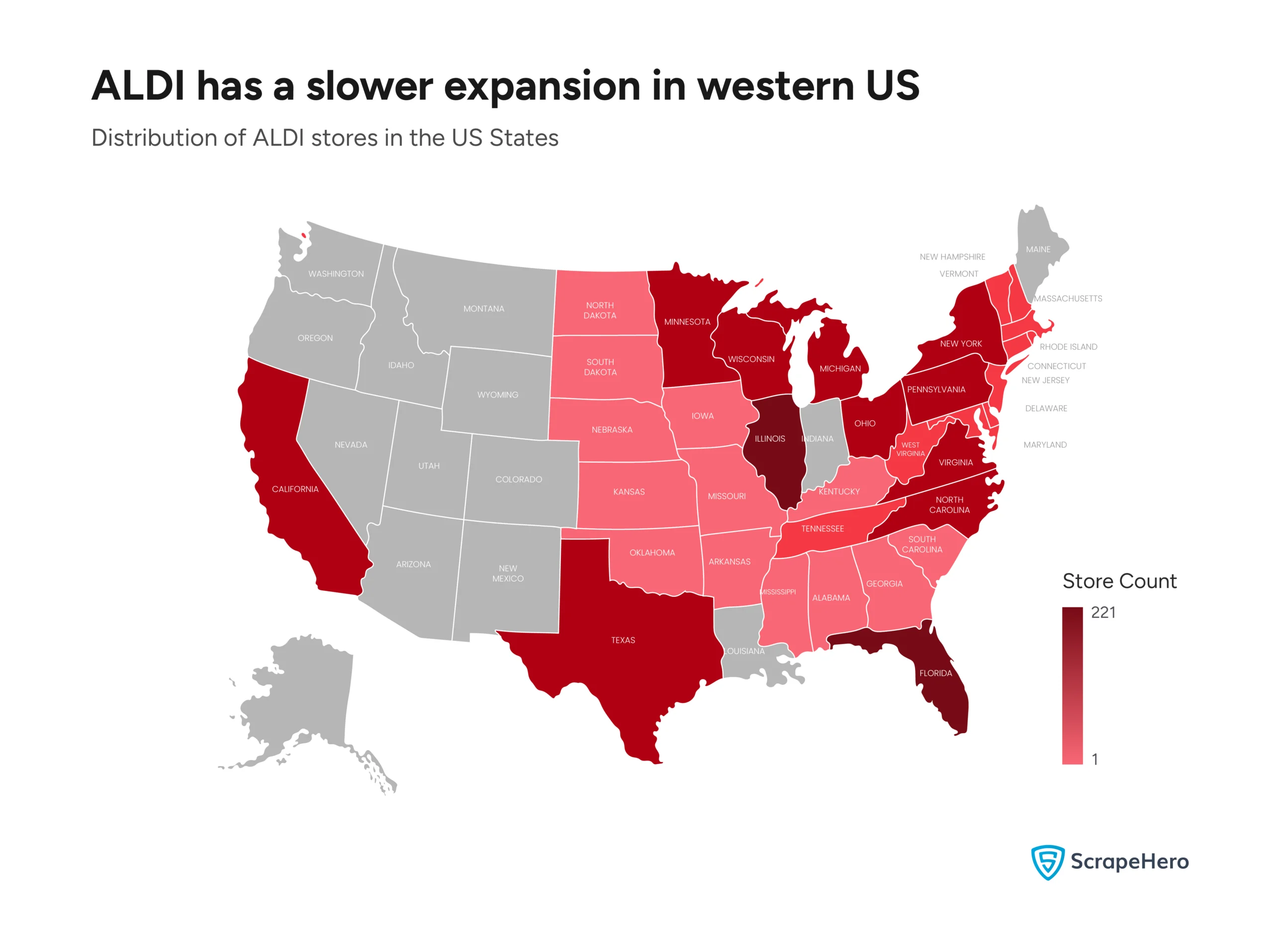
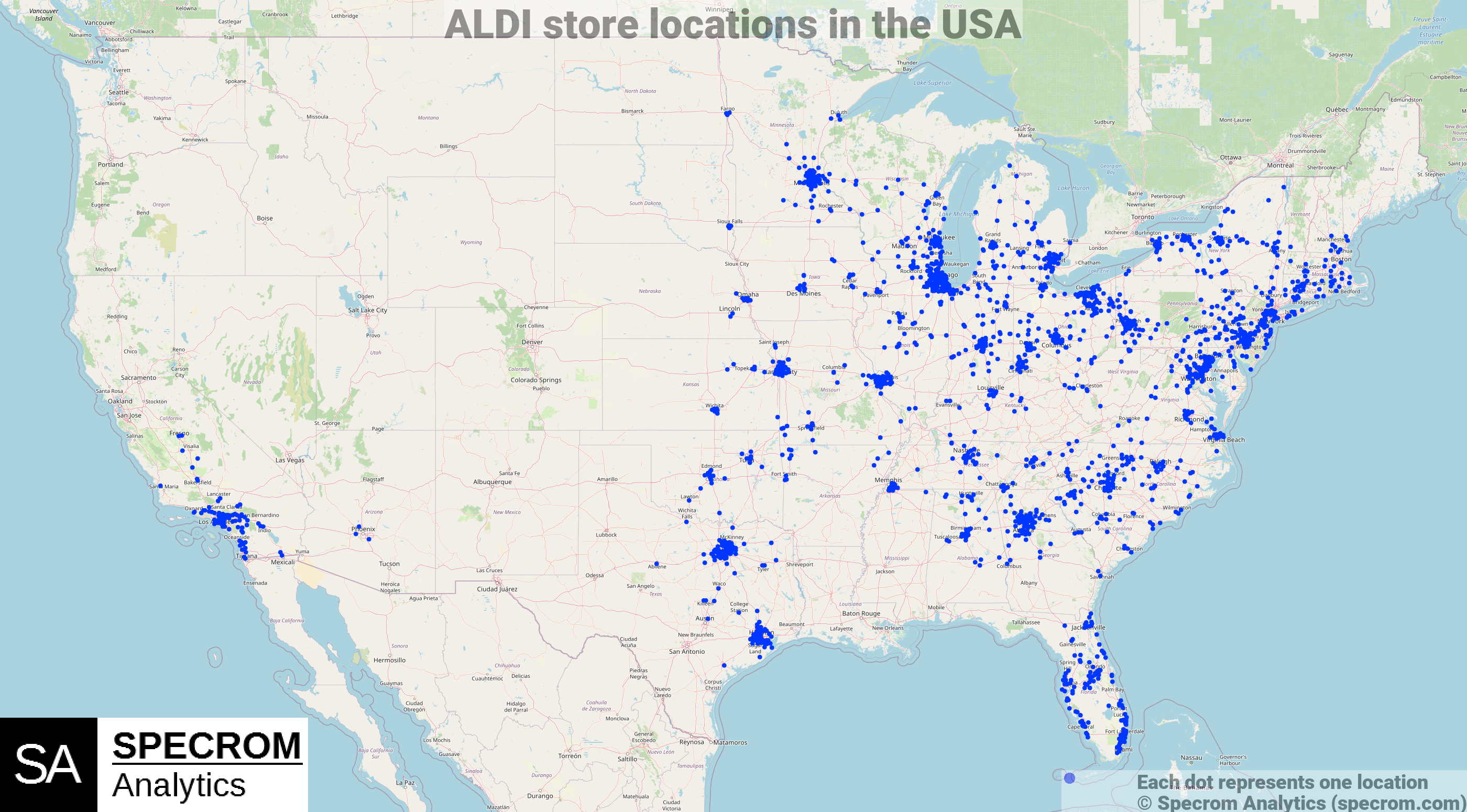
The physical presence of Aldi continues to undergo strategic structural shifts. Operating primarily through two distinct corporate entities—Aldi Süd and Aldi Nord—the brand maintains a massive global presence across thousands of outlets. In the United States and several international regions, expansion has accelerated through targeted acquisitions, new store constructions, and the remodeling of existing real estate portfolios to support modern shopping demands.
Modern Aldi branches are designed for maximum operational efficiency. Unlike traditional supermarkets featuring expansive, multi-aisle layouts, standard Aldi locations typically feature four to six core aisles. This architectural economy translates directly to lower overhead costs, which pass down to consumer pricing.
- Compact Footprint: Most locations average between 12,000 and 20,000 square feet of retail space.
- Optimized Inventory: Stores typically stock roughly 1,400 to 1,600 of the most frequently purchased grocery items, approximately 90% of which are exclusive private labels.
- Sustainable Infrastructure: Newly constructed 2026 locations increasingly integrate eco-friendly refrigeration systems, rooftop solar arrays, and high-efficiency LED lighting to minimize operating expenditures and environmental impact.
Digital Tools and Methods for Pinpointing Local Aldi Branches
Locating a store manually is rarely necessary given the precision of modern geolocational technology. Several reliable digital avenues exist for identifying the exact coordinates, operating hours, and specific amenities of your nearest Aldi store.
Official Store Locator Applications
The proprietary store locator hosted on the official regional Aldi websites remains the most accurate database for real-time schedule updates, holiday hours, and temporary closures. These databases sync directly with inventory management systems, notifying consumers if a specific branch features specialized services like Curbside Pickup or self-checkout kiosks.
Third-Party Mapping Integration
Major navigation platforms including Google Maps, Apple Maps, and Waze maintain up-to-date geofencing data for Aldi locations. When searching for branches on these platforms, pay close attention to user-submitted status updates regarding parking availability, peak shopping hours, and road construction affecting primary access routes.
In-App Navigation and Shopping Lists
The official mobile application integrates location-based mapping directly with weekly digital circulars. By setting a "home store" within the application, users receive localized pricing, regional stock alerts, and instant routing directions based on current traffic conditions.
Comparative Overview of Aldi Store Formats and Regional Offerings
Navigating store locations successfully requires understanding that not all branches offer identical layouts or inventory. The following comparative matrix outlines the operational variations you may encounter across different retail settings.
| Store Format Type | Average Square Footage | Typical Features & Amenities | Primary Geographic Focus |
|---|---|---|---|
| Standard Suburban Branch | 16,000 - 20,000 sq. ft. | Full grocery, expanded fresh produce, dedicated parking lot, standard checkouts. | Suburban corridors and high-density residential zones. |
| Urban Compact Store | 10,000 - 14,000 sq. ft. | Streamlined inventory, targeted ready-to-eat selections, limited parking / transit-adjacent. | Metropolitan downtown centers and transit hubs. |
| Remodeled Modernized Branch | 18,000 - 22,000 sq. ft. | Energy-efficient cooling, expanded fresh bakery sections, self-checkout lanes. | Nation-wide rollout zones updated for 2026 standards. |
Step-by-Step Guide to Planning Your Route and Visit
Maximizing efficiency during a grocery run involves more than just plugging an address into a GPS. Follow this structured approach to ensure a seamless shopping experience at any Aldi location.
- Verify Operating Hours: Check the specific branch hours online, as opening and closing times can vary significantly between suburban and metropolitan locations, particularly on Sundays and major holidays.
- Prepare a Quarter for the Cart: Keep a standard quarter or a specialized Aldi token accessible in your vehicle. The motorized cart rental system relies on this security deposit to keep retrieval costs low.
- Bring Reusable Bags: Aldi locations do not provide complimentary disposable bags at checkout. Packing your own durable canvas bags or insulated carriers ensures safe transport of your items.
- Download the Weekly Ad: Review regional circulars beforehand to identify temporary "Aldi Finds"—limited-availability non-grocery items that rotate weekly through the center aisles.
- Optimize Parking and Access: If visiting an urban center location, verify whether the store validates parking or if public transit drop-off points are located closer to the main entrance than the parking garage.
Expert Insight on Shopping Timing
Avoiding Peak Crowds: To secure the freshest selection of stocked produce and navigate checkout lines with minimal wait times, plan your visits either immediately after morning opening hours or during mid-afternoon lulls between traditional lunch and post-work rushes.
Advantages and Disadvantages of Shopping at Aldi Locations
Evaluating whether a specific Aldi location fits into your routine requires weighing distinct operational trade-offs against traditional supermarket chains.
Pros
- Significant Cost Savings: Private-label manufacturing and streamlined logistics yield substantially lower checkout totals compared to national brand equivalents.
- Fast Navigation: Smaller store footprints reduce walking distances, enabling much quicker shopping trips.
- High Quality Control: Strict corporate standards ensure private-label products meet or exceed national brand quality benchmarks, supported by generous return policies.
Cons
- Limited Brand Variety: If you strictly prefer specific name-brand household goods or niche specialty items, you may still need to visit a secondary traditional supermarket.
- Self-Packing Requirement: Customers must bag their own groceries at extended counter spaces immediately following the checkout scanner, which requires a brief adjustment period for first-time shoppers.
- Cart Deposit Inconvenience: Forgetting a quarter can disrupt your workflow before entering the store, requiring you to exchange currency at the register.
Frequently Asked Questions About Aldi Locations
How can I find the nearest Aldi location using my mobile device?
You can use the official Aldi mobile application or mapping services like Google Maps and Apple Maps by enabling location services and searching for "Aldi near me." These tools provide instant routing, distance metrics, and real-time operating hours.
Do all Aldi locations have the exact same product inventory?
No. While core grocery items, staple produce, and standard private labels remain consistent across the network, regional distribution centers and store size variations mean that specialized items and seasonal "Aldi Finds" can vary significantly from one branch to another.
Are self-checkout lanes available at all Aldi store locations?
Self-checkout kiosks have been progressively integrated into hundreds of remodeled and newly constructed branches nationwide, though traditional cashier-assisted checkout lanes remain standard practice across the entire retail network.
What should I do if my local Aldi store is temporarily closed for remodeling?
The official online store locator provides up-to-date notices regarding temporary closures, scheduled renovations, and alternative nearby branch locations to redirect your shopping plans seamlessly.
Do Aldi locations charge for shopping bags?
Yes. To maintain low operating costs and promote environmental sustainability, disposable plastic and paper bags are available for purchase at the registers, though customers are encouraged to bring their own reusable bags.
Conclusion and Next Steps
Locating and navigating Aldi stores effectively requires leveraging digital mapping resources while understanding the unique operational framework that sets these discount supermarkets apart from traditional competitors. By utilizing official store locators, preparing necessary accessories like shopping bags and cart deposits, and planning your visits during off-peak hours, you can maximize both your time and financial savings. Begin by pulling up the digital store locator today to map out your most efficient route to better, more affordable grocery shopping.