Hiring a celebrity interior designer or a specialized boutique firm like A-List Interiors transforms a standard home renovation into a high-end, white-glove experience. In 2026, this process focuses on bespoke craftsmanship, sustainable luxury, and seamless project management, ensuring that every element—from architectural planning to custom furniture—reflects a client’s unique identity and functional needs.
Defining the A-List Standard in Interior Design
The term "A-list" in the world of interior design carries a weight beyond simple aesthetics. It represents a standard of service where the designer acts as more than just a decorator; they are the creative director of a client’s lifestyle. Firms like A-List Interiors, founded by Anelle Gandelman, have set a benchmark by blending art-world expertise with rigorous technical design. When a celebrity-level designer takes on a project, the goal is to create a space that is "publish-ready" while remaining intensely personal.
In 2026, the A-list standard is defined by "Quiet Luxury"—a move away from flashy brand logos toward high-quality, tactile materials and artisanal pieces that do not have an obvious price tag but exude value through their execution. For a homeowner, this means the redesign process involves sourcing one-of-a-kind antiques, commissioning custom-built millwork, and selecting textiles that are often exclusive to the trade. The designer’s "A-list" status often grants the client access to these restricted markets, ensuring that the home does not look like a showroom, but rather a curated collection.
Furthermore, the technical depth of an A-list redesign includes comprehensive spatial planning. This involves analyzing the "path of travel" within a home, optimizing light exposure, and ensuring that the electrical and mechanical systems are integrated discreetly. A celebrity designer focuses on the "invisible" elements of design as much as the visible ones, ensuring the space functions with the precision of a high-end hotel.
The Phased Approach to a Professional Space Redesign
A professional redesign by a top-tier firm is a structured, multi-month (and often multi-year) undertaking. It is divided into distinct phases to manage expectations, budgets, and the complexities of construction.
Phase 1: Programming and Conceptualization
The process begins with "Programming," where the designer interviews the client to understand their daily habits. Are they hosting large gala events, or do they require a private, soundproofed sanctuary for remote work? In 2026, many A-list projects prioritize "flex-spaces" that can transition from high-tech media rooms to wellness lounges. Once the needs are established, the designer develops a concept—a visual narrative that guides every subsequent decision.
Phase 2: Schematic Design and Visualization
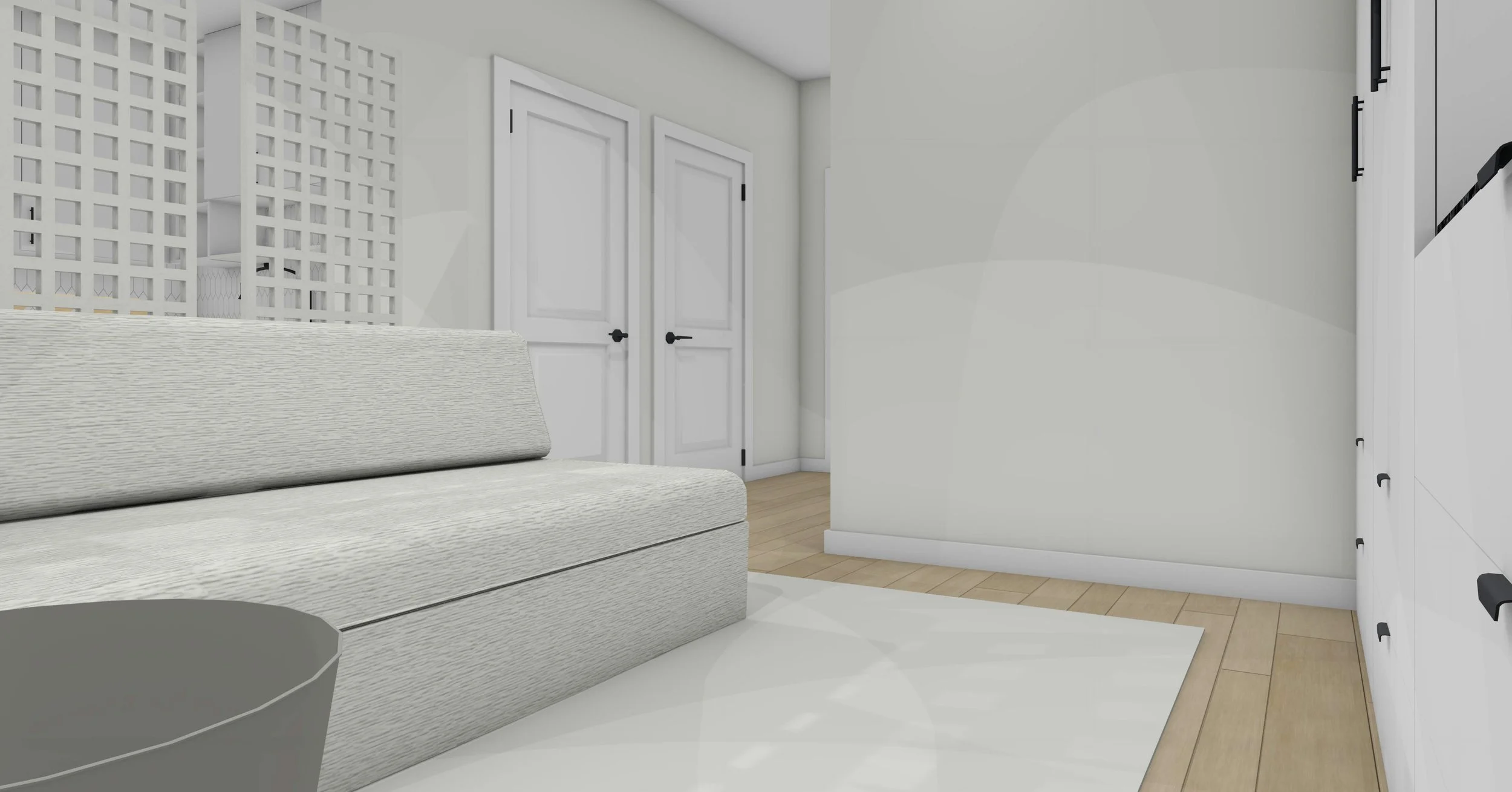
During this phase, the designer produces floor plans, elevations, and 3D renderings. For a celebrity-level redesign, these are not mere sketches but high-fidelity digital twins of the space. Clients can often "walk through" their future home using VR (Virtual Reality) headsets to feel the scale of the furniture and the flow of the rooms before a single piece of wood is cut. This phase also includes the preliminary selection of "hard finishes" like flooring, stone, and cabinetry.
Phase 3: Design Development and Documentation
This is the most technical stage. The firm creates a "specification book" that details every single item to be used, down to the model numbers of the light switches and the exact grout color for the primary suite. For an A-list project, this documentation is essential for ensuring that contractors execute the vision perfectly. It minimizes errors on-site and provides a clear roadmap for the construction team.
Phase 4: Procurement and Project Management
A significant value of hiring an A-list designer is their procurement power. They manage the ordering, tracking, and storage of hundreds of items. In 2026, with global supply chains still requiring careful navigation, designers use sophisticated logistics software to ensure that custom Italian sofas and hand-knotted rugs arrive precisely when the site is ready for "install day."
Financial Realities: Investment for 2026 High-End Projects
Engaging a celebrity interior designer is a significant financial commitment. Unlike standard decorators who may charge by the hour, A-list firms often utilize a combination of a flat design fee and a percentage of the total project cost. This ensures the designer is incentivized to manage the project efficiently while being compensated for their intellectual property and industry access.
| Service Tier | Typical Design Fee (2026) | Typical Project Minimum | Scope of Work |
|---|---|---|---|
| Boutique Firm (A-List Interiors) | $25,000 - $75,000+ | $250,000 | Full-service residential, custom millwork, curated art. |
| Celebrity/Name-Brand Designer | $100,000 - $500,000+ | $1,000,000+ | International sourcing, architectural oversight, "brand" prestige. |
| Luxury Decorator | $10,000 - $30,000 | $100,000 | Furniture, paint, and soft goods; minimal structural work. |
| Remote/Virtual Design (High-End) | $5,000 - $15,000 | N/A | Design concept and shopping list; client manages execution. |
The "Investment" in an A-list redesign is not just the cost of furniture; it is the increase in the property's equity. A home "designed by [Celebrity Name]" or a recognized firm like A-List Interiors often commands a premium on the real estate market. Buyers in 2026 view these homes as "turnkey assets," where the design quality is a verified commodity.
Trends and Materials Dominating the 2026 Luxury Landscape
In 2026, luxury design has pivoted toward "Biophilic Sophistication" and "Heritage Materiality." A-list designers are increasingly moving away from synthetic materials, favoring those that age gracefully and have a lower environmental impact.
Sustainable Stone and Earth-Tones: Marble remains a staple, but there is a shift toward local stones and "honed" rather than polished finishes. Designers are utilizing travertine, limestone, and terracotta in contemporary ways to create warmth. The color palette of 2026 is grounded in "muddy" neutrals—clays, moss greens, and deep ochres—which provide a sense of calm and permanence.
Bespoke Millwork and Integrated Tech: The hallmark of a high-end redesign is the cabinetry. In 2026, "kitchens that don't look like kitchens" are trending. This involves hiding appliances behind hand-carved wood panels and using stone "aprons" to conceal induction cooktops. Technology is also integrated into the architecture; smart glass that tints based on sun position and invisible speakers embedded in the plaster are standard requirements for celebrity-level spaces.
Textural Contrast: A-list designers master the art of "layering." A room might feature a rugged, hand-hewn wooden table paired with silk-and-wool blend drapery and a brutalist bronze light fixture. This contrast creates visual tension and interest, making the space feel evolved over time rather than purchased all at once.
Navigating the Selection Process for Top-Tier Designers
Choosing the right designer for a major redesign is as much about personality fit as it is about portfolio style. Because the process can last over a year, a "chemistry check" is essential.
- Portfolio Consistency: Review their past five years of work. An A-list designer should have a signature "thumbprint" but also demonstrate the ability to adapt to different architectural styles (e.g., a modern glass penthouse vs. a historic Tudor estate).
- Technical Capability: Ask about their software and documentation. In 2026, a top-tier firm must be proficient in AutoCAD, Revit, and Adobe Creative Suite. They should be able to interface directly with your architect and general contractor using professional-grade construction documents.
- Vendor Network: Inquire about their relationships with artisans. A celebrity designer is only as good as their "workroom"—the upholsterers, finishers, and installers who execute the designs.
- Transparency in Billing: Ensure the firm provides detailed monthly statements. High-end design involves many moving parts; clear financial reporting is the mark of a professional operation.
FAQ
What is the difference between an interior designer and a celebrity interior designer?
A celebrity interior designer often has a publicized portfolio, a distinct "brand" recognized by the media, and a client list that includes public figures. While their technical skills are comparable to other high-end designers, their "A-list" status typically provides unique access to rare materials, international art fairs, and elite craftsmen that a standard designer may not frequent.
How long does a full-home redesign usually take in 2026?
A comprehensive redesign of a luxury home typically takes between 12 to 24 months. This timeline accounts for the design development phase (3–4 months), the lead times for custom furniture (often 6–10 months), and the actual construction and installation. Smaller "refresh" projects may be completed in 6 months, but structural changes always extend the duration.
Can I hire A-List Interiors for just one room?
Most celebrity-level firms prefer full-home or "multi-room" commissions to ensure a cohesive aesthetic. However, some firms offer "Design Doctor" sessions or limited-scope consultations for a premium fee. For a firm like A-List Interiors, the project must usually meet a minimum investment threshold to align with their operational costs and vendor requirements.
Does a designer handle the hiring of contractors?
Generally, the interior designer acts as a consultant and project manager, but the homeowner signs the contract with the general contractor. However, an A-list designer will typically recommend a vetted list of contractors they have worked with previously. They then oversee the contractor's work to ensure it adheres to the design specifications.
Is sustainable design more expensive in the luxury market?
In 2026, sustainable design—often referred to as "regenerative luxury"—can carry a 10% to 20% premium due to the cost of certified organic materials, carbon-neutral shipping, and fair-trade artisanal labor. However, these materials are often more durable and healthy (low-VOC), which adds long-term value and wellness benefits to the home.
Preparing for Your Design Consultation
Before meeting with a designer from a firm like A-List Interiors, it is crucial to define your "non-negotiables." In the 2026 market, designers appreciate clients who have a clear understanding of their lifestyle needs even if they don't have a specific "style" in mind. Create a list of functional requirements: do you need a gallery-grade lighting system for an art collection? Do you require a high-security "safe room" or a commercial-grade home kitchen?
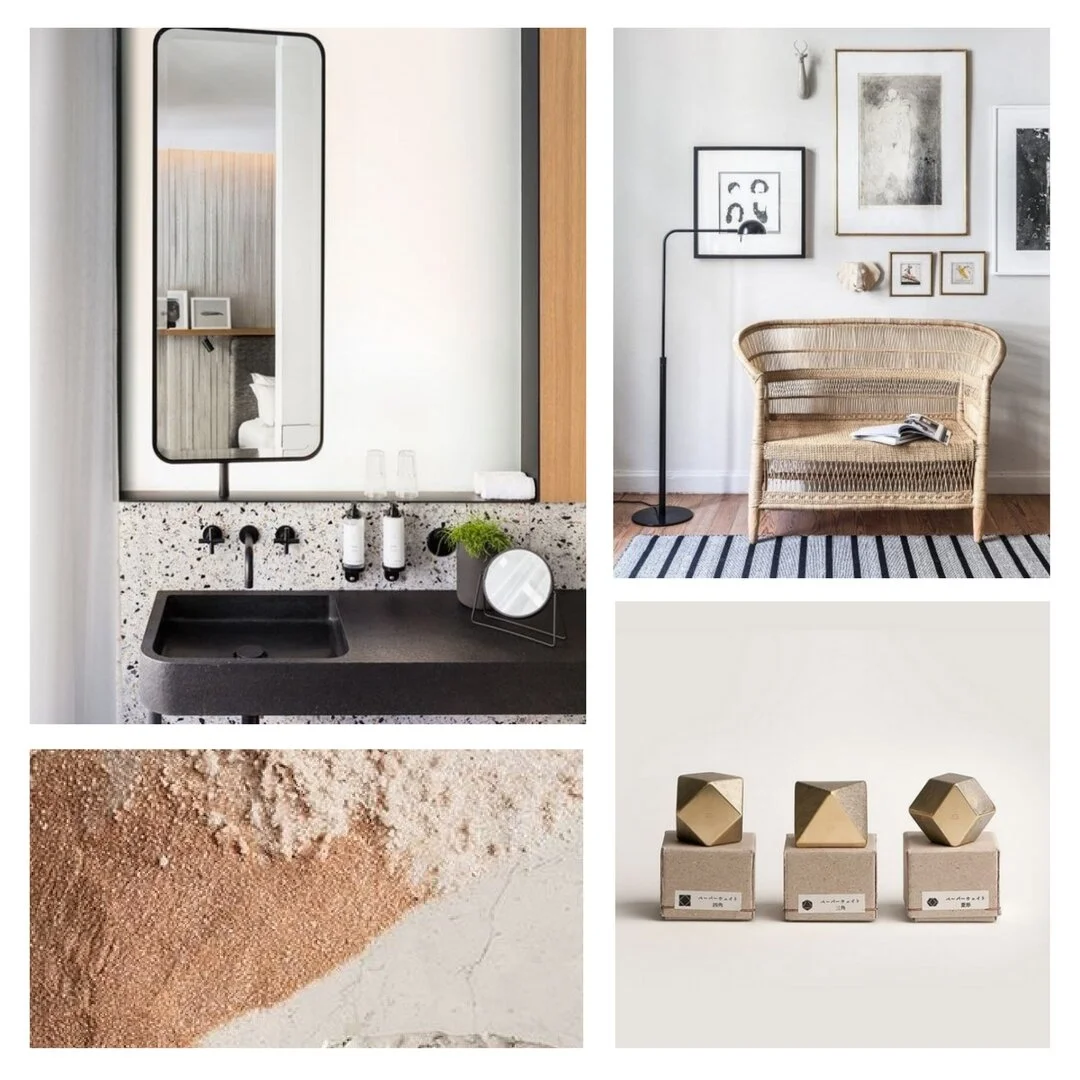
Once you have your requirements, gather visual references—not just of rooms you like, but of textures, colors, and even hotels or landscapes that inspire you. This "visual vocabulary" allows the designer to skip the guesswork and begin the conceptualization phase with a high degree of accuracy. The most successful celebrity-redesigned spaces are those where the client provides the "soul" of the project, and the designer provides the professional "frame."