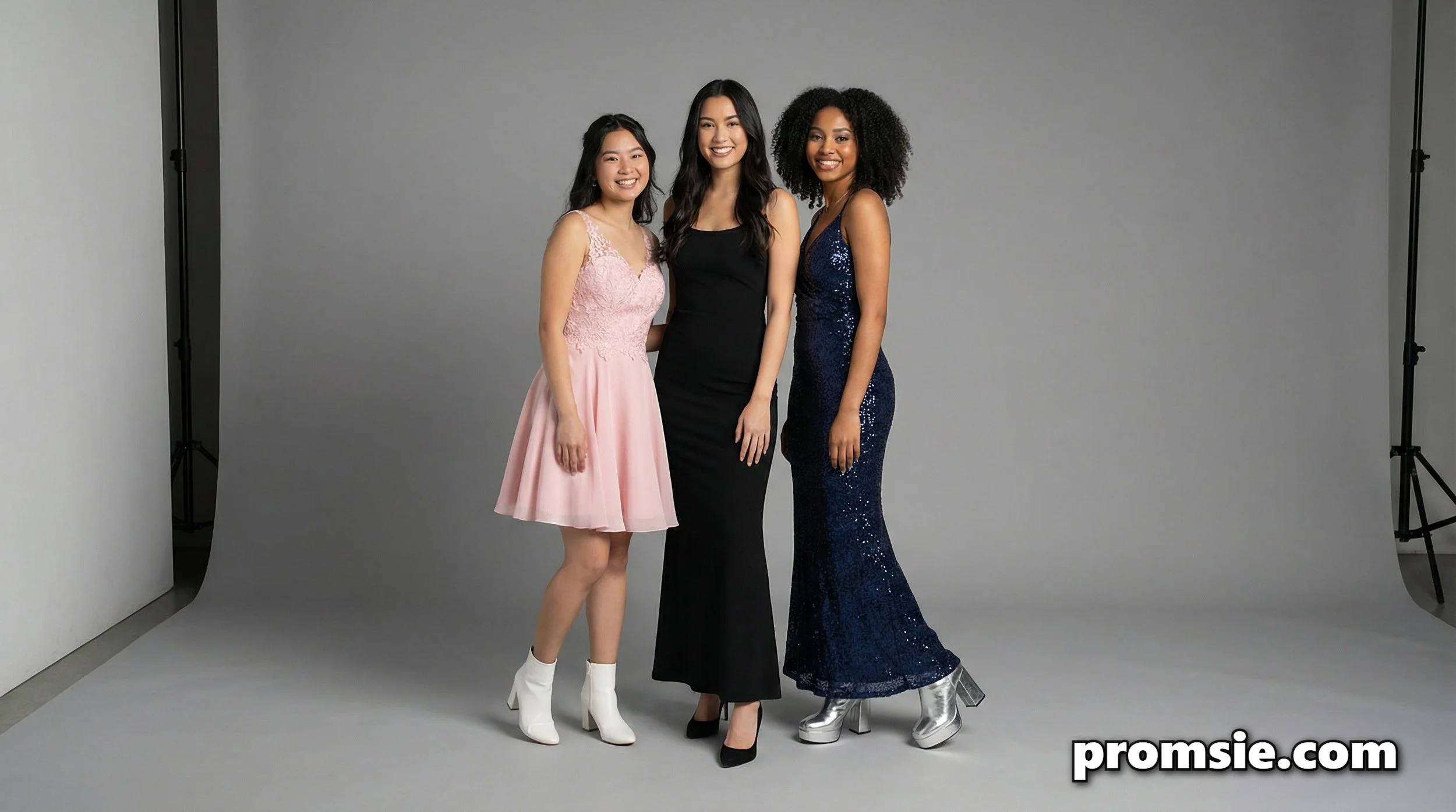
A-line dresses are a cornerstone of a tall woman's wardrobe because they provide a structured silhouette that naturally complements a longer frame. By focusing on torso length, strategic hem placement, and fabric weight, tall women can use the A-line shape to balance their proportions, define their waist, and project a sense of effortless confidence.
Understanding the A-Line Silhouette for Tall Proportions
The A-line dress is characterized by a fitted bodice that gradually flares out from the waist to the hem, mimicking the shape of a capital letter "A." For tall women—typically defined in the fashion industry as those 5'9" (175 cm) and above—this silhouette is particularly effective. Unlike shift dresses, which can sometimes look like a "tent" on a long frame, or bodycon dresses, which may emphasize height in a way that feels overexposed for some, the A-line offers a controlled volume that adds substance to the lower half of the body.
The primary advantage for a tall stature is the A-line’s ability to create a clear visual break. When you have a significant amount of vertical space to work with, an unbroken line of fabric can sometimes make you look even taller than you are, which might not always be the goal. The A-line’s flare creates horizontal interest, which helps to ground the look. Furthermore, the architectural nature of the "A" shape provides a sturdy base that prevents the wearer from looking "top-heavy" if they have broad shoulders—a common trait among taller athletic builds.
In 2026, the evolution of garment technology and 3D body scanning has made it easier for tall women to find A-line cuts that respect the nuances of their height. It is no longer just about adding inches to the bottom; it is about adjusting the entire geometry of the garment to ensure the flare begins exactly where the natural waist sits.
Key Factors in Choosing the Right A-Line Dress
Choosing the perfect A-line dress as a tall woman requires more than just looking at the size tag. Because standard "off-the-rack" sizing is usually designed for a 5'5" model, tall women must look for specific construction details to ensure the dress looks intentional rather than outgrown.
Torso Length and Waist Placement
The most critical element is the "waist drop." In standard sizing, the narrowest part of the dress often sits too high on a tall woman, resulting in an accidental "empire waist" effect. This can make the torso look awkwardly short and the legs disproportionately long. When shopping, look for dresses specifically labeled as "Tall" or measure your "nape to waist" distance. An A-line dress is most flattering when the flare starts at your natural waistline or slightly below it. This anchors the look and ensures the skirt drapes correctly over the hips.
Hemline Strategy: Finding the "Sweet Spot"
Hemlines behave differently on long legs. A "mini" dress on a woman of average height often becomes a "micro-mini" on a tall woman, which may not provide the desired level of comfort or professionalism.
- The Knee-Length A-Line: Aim for the hem to hit just at the top of the kneecap. This creates a classic, sophisticated line.
- The Midi A-Line: For tall women, the midi is a superpower. While it can overwhelm shorter frames, a tall woman has the leg length to carry a hemline that hits at the mid-calf without looking truncated.
- The Maxi A-Line: Ensure the dress actually reaches the ankles. A "maxi" that stops at the shins looks like a sizing error.
Fabric Weight and Structure
The "swing" of an A-line dress depends on the fabric. Stiffer fabrics like heavy cotton, wool blends, or structured scuba knit hold the "A" shape more rigidly, which is excellent for formal or professional settings. These fabrics provide a sense of presence and "weight" that matches a tall stature. Conversely, lighter fabrics like silk or jersey will drape more closely to the body. While these are comfortable, they may lose the distinct A-line shape as you move, turning into more of a flared column.
Comparison of A-Line Styles for Different Occasions
| Dress Style | Ideal Occasion | Best Hemline for 5'9"+ | Styling Tip |
|---|---|---|---|
| Structured Cotton Poplin | Office / Professional | Just above the knee | Pair with a slim leather belt to emphasize the waist. |
| Flowy Chiffon Maxi | Garden Weddings / Summer | Floor-length (Skimming shoes) | Use a block heel to prevent the hem from dragging. |
| Wool-Blend Pinafore | Autumn / Winter Layering | Mid-thigh (with tights) | Wear over a fitted turtleneck to balance the volume. |
| Satin Midi A-Line | Evening Events / Dates | Mid-calf | Choose a V-neckline to elongate the neck and balance the flare. |
| Denim Button-Down | Casual / Weekend | Knee-length | Roll the sleeves to 3/4 length to show off long forearms. |
Styling Techniques to Enhance the Tall Frame
Once you have chosen the correct cut, styling determines how the dress interacts with your height. The goal is to use the dress as a canvas to showcase your proportions rather than hiding them.
The Power of the Belt
Tall women have the unique advantage of being able to wear wide belts without "disappearing." A wide belt placed at the narrowest part of the waist reinforces the A-line shape and breaks up the vertical plane of the dress. This is particularly useful for monochromatic dresses, where the eye needs a focal point to prevent the "long column" effect. In 2026 fashion trends, we see a move toward sculptural, metallic belts that add a modern edge to the classic A-line.
Footwear Selection
The myth that tall women shouldn't wear heels is long dead. However, the type of shoe can change the vibe of an A-line dress significantly:
- Pointed-Toe Flats: These elongate the leg even further without adding height, making them perfect for a professional A-line look.
- Block Heels: These provide a visual "anchor" that matches the volume of an A-line skirt. A thin stiletto can sometimes look too dainty against a voluminous A-line hem.
- Knee-High Boots: An A-line midi dress paired with tall boots is a classic "tall girl" style hack. It creates a seamless line from the hem of the dress into the boot, which is incredibly chic in cooler months.
Managing Sleeve Length
Tall women often struggle with sleeves that end an inch too short. If an A-line dress has long sleeves that don't quite reach your wrists, don't fight it—push them up. A 3/4 length sleeve is universally flattering and avoids the "hand-me-down" look. Alternatively, sleeveless A-line dresses highlight long arms and are often easier to fit since you don't have to worry about shoulder-to-wrist measurements.
Common Pitfalls and How to Avoid Them
Even with a versatile dress like the A-line, there are mistakes that can undermine your confidence.
The "Child's Dress" Effect: This happens when the waist of the dress is too high and the hem is too short. It makes the wearer look like they have outgrown their clothes. To avoid this, always prioritize the fit of the torso. If the waist doesn't hit your natural waistline, the dress isn't for you, regardless of how much you like the print.
Overwhelming Volume: While the "A" shape is the goal, too much fabric can make a tall woman look unnecessarily large. If the skirt has multiple layers of tulle or heavy pleating, it might add too much bulk to the hips. Look for "clean" A-lines that rely on the cut of the fabric rather than excess material to create the flare.
Ignoring the Shoulders: Many tall women have broader shoulders. Ensure the seams of the dress sit exactly on the edge of your shoulders. If the seams are pulling inward, it will make your shoulders look restricted; if they drop off, the dress will look too big.
Building Confidence Through Proper Fit and Tailoring
Confidence in an A-line dress comes from knowing the garment was made for you, not that you are trying to fit into a garment made for someone else.
Knowing Your Measurements
In the era of online shopping, your height is only one data point. To find the best A-line dresses, you must know your:
- Natural Waist: The narrowest part of your torso.
- Hollow to Hem: The distance from the base of your neck to where you want the dress to end.
- Shoulder Width: Critical for structured bodices.
The Role of the Tailor
Rarely does a mass-produced dress fit a tall woman perfectly in every dimension. A common trick is to buy a dress that fits your length requirements (often a size up) and then have a tailor take in the waist and bust. This ensures the hem hits the right spot while the bodice remains fitted and polished. Tailoring is the difference between wearing a dress and owning a look.
Frequently Asked Questions
Can tall women wear A-line mini dresses?
Yes, but with caution regarding the length. A tall woman can pull off a mini A-line beautifully, especially if she has long, toned legs. However, to maintain balance and confidence, ensure the "flare" of the A-line is pronounced. A very short, very straight dress can shift into "tunic" territory. Pairing a mini A-line with flat shoes or sneakers can keep the look grounded and casual.
How do I stop an A-line dress from looking too "girly"?
The A-line is often associated with a youthful, "pinafore" aesthetic. To mature the look, opt for sophisticated fabrics like leather, heavy linen, or dark denim. Avoid excessive ruffles or "sweetheart" necklines. Instead, choose high necks, V-necks, or crisp collars. Darker color palettes and minimalist accessories also help transition the A-line into a powerful, adult silhouette.
Should I choose a high-waisted or natural-waisted A-line?
For most tall women, a natural-waisted A-line is the most flattering. It respects the length of the torso and provides a balanced "top-to-bottom" ratio. High-waisted (empire) styles can work if you want to emphasize your legs specifically, but they can sometimes make a tall woman feel "all legs" and "no torso," which may feel unbalanced in professional settings.
What is the best coat to wear over an A-line dress?
The key is to match the length or go shorter. A cropped jacket that ends exactly at the waist of the A-line dress emphasizes the flare. Alternatively, a long trench coat that is at least as long as the dress creates a cohesive, streamlined look. Avoid "mid-length" coats that cut across the flare of the skirt, as this creates clashing horizontal lines.
Next Step: Investing in Quality Tall Staples
To truly master the A-line look, start by identifying two high-quality pieces: a structured midi A-line for professional or formal environments and a relaxed, breathable maxi A-line for casual wear. Focus on retailers that offer dedicated "Tall" lines, as these garments are designed with a longer "rise" and adjusted proportions, not just extra fabric at the bottom. Once you find a brand whose "waist drop" matches your anatomy, you can build a collection of A-line dresses that serve as the reliable foundation of your wardrobe for years to come.