Lil Wyte, born Patrick Lanshaw, is a seminal American rapper from Memphis, Tennessee, who rose to prominence in the early 2000s as a flagship artist for Three 6 Mafia’s Hypnotize Minds label. Known for his rapid-fire delivery, association with the "Frayser" neighborhood, and underground anthems like "Oxy Cotton," he remains a central figure in Southern hip-hop as of 2026.
The Origins of Patrick Lanshaw and the Frayser Connection
The story of Lil Wyte begins in the Frayser neighborhood of North Memphis, an area with a storied history in the development of the "Memphis Sound." Born in 1982, Patrick Lanshaw grew up in an environment where hip-hop was the dominant cultural language. Unlike many of his peers, Lanshaw was a white artist in a predominantly Black local scene, but his technical skill and authentic representation of his surroundings quickly earned him respect.
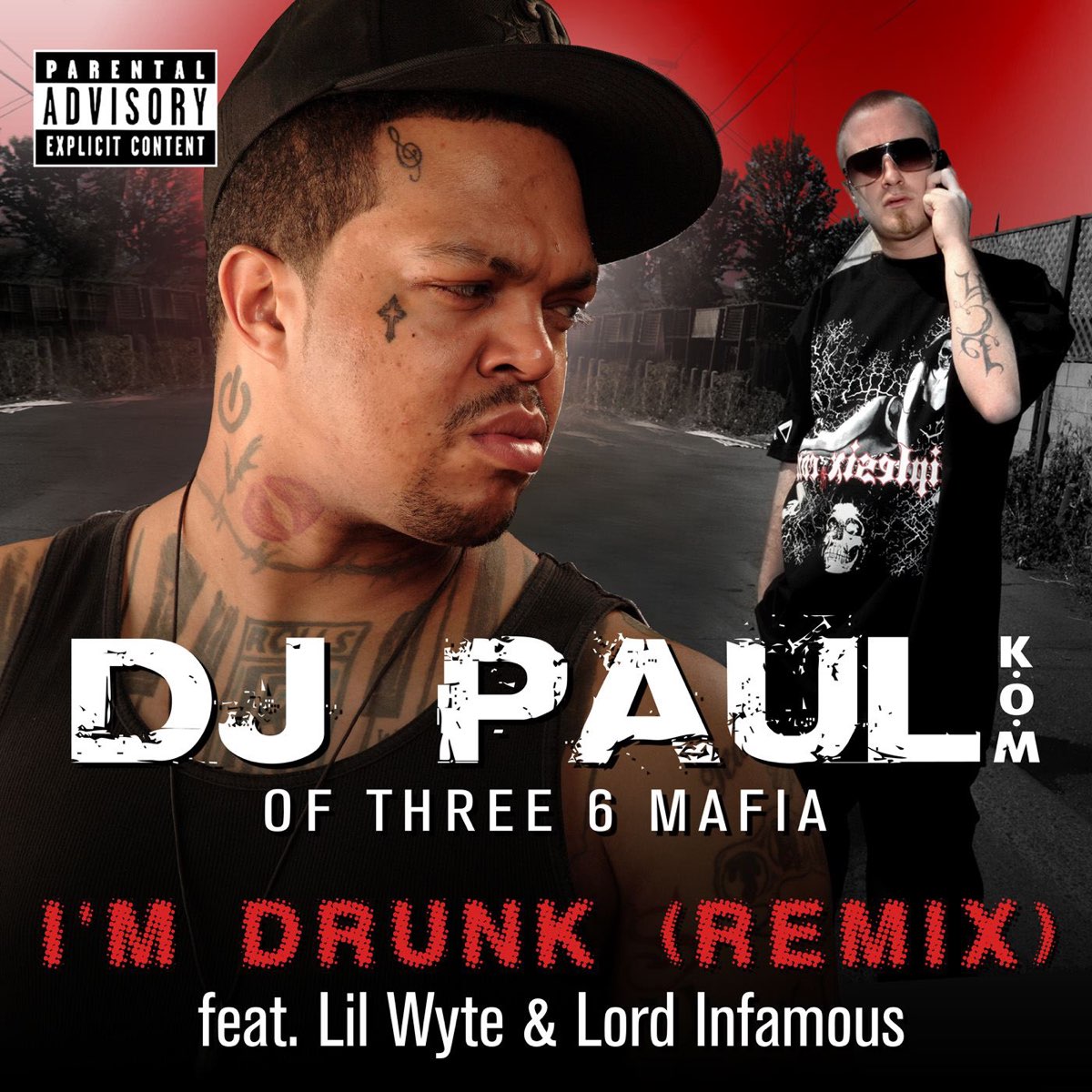
His entry into the professional music world was facilitated by a demo tape that found its way into the hands of DJ Paul and Juicy J of Three 6 Mafia. At the time, Three 6 Mafia was expanding their empire, Hypnotize Minds, and was looking for fresh voices that could maintain the dark, aggressive, and high-energy aesthetic they had pioneered. Lanshaw’s ability to "double-time" (rapping at twice the speed of the beat) while maintaining clarity and a distinct Southern drawl made him an immediate standout.
By the time he was signed, the moniker "Lil Wyte" was established, serving both as a literal description and a brand that would eventually dominate the underground rap circuit. His early years were defined by intense studio sessions where he refined his craft under the tutelage of Oscar-winning producers, ensuring that his debut would not just be a regional curiosity but a national contender.
The Hypnotize Minds Era: Defining a Decade of Underground Rap
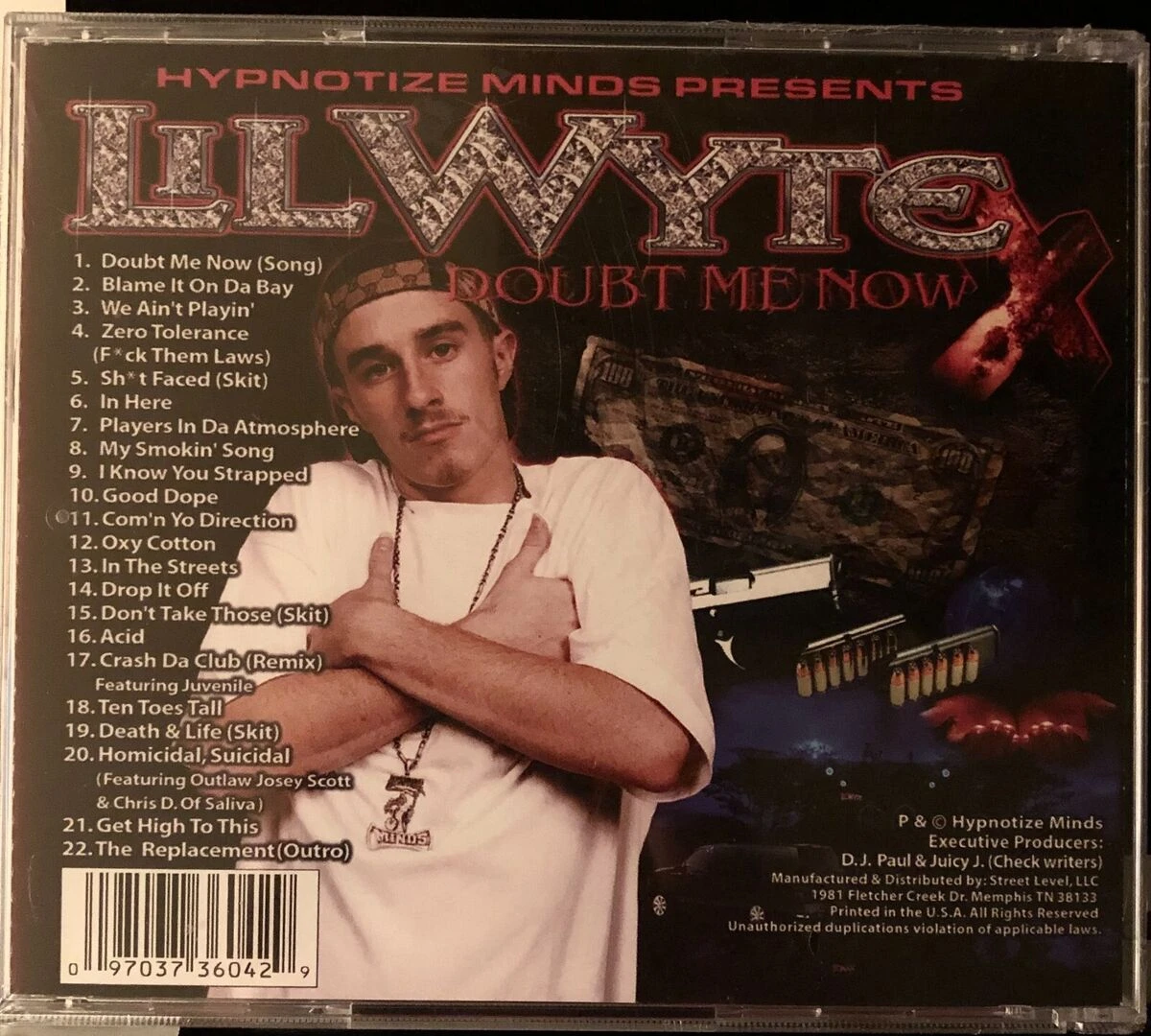
The collaboration between Lil Wyte and Hypnotize Minds produced some of the most influential underground rap albums of the 2000s. His debut studio album, Doubt Me Now (2003), is widely considered a classic of the genre. Despite lacking a major label’s traditional marketing machine at the outset, the album sold over 400,000 copies independently, a testament to the power of the Memphis underground and the burgeoning "crunk" movement.
Doubt Me Now featured production from DJ Paul and Juicy J, which provided the perfect cinematic, bass-heavy backdrop for Wyte’s lyrical themes. The album touched on drug culture, street life, and the skepticism he faced as a white rapper. The success of this project paved the way for his follow-up, Phinally Phamous (2004), which further cemented his status. This era was characterized by a relentless output of music, including appearances on Three 6 Mafia projects and posse cuts that defined the Hypnotize Camp Posse sound.
During this period, Lil Wyte’s music reached a level of "viral" success long before social media platforms existed in their current form. His tracks were staples of the "car audio" subculture, where the heavy low-end of his beats was used to test the limits of aftermarket subwoofers. This organic growth ensured that while he may not have always been a fixture on Top 40 radio, his influence was pervasive in clubs, college campuses, and streets across the United States.
Key Discography and Commercial Milestones
Lil Wyte's discography is extensive, spanning over two decades of consistent releases. His ability to adapt to changing musical landscapes while maintaining his core identity has allowed him to remain relevant through 2026.
| Year | Album Title | Label | Notable Peak/Achievement |
|---|---|---|---|
| 2003 | Doubt Me Now | Hypnotize Minds | Over 400,000 copies sold; Underground classic. |
| 2004 | Phinally Phamous | Hypnotize Minds | Peaked at #64 on the Billboard 200. |
| 2007 | The One and Only | Hypnotize Minds | Reached #3 on the Billboard Independent Albums chart. |
| 2009 | The Bad Influence | Hypnotize Minds | Last major project under the original HM contract. |
| 2013 | No Filter (with Jelly Roll) | Wyte Music/Phixieas | Launched a successful collaborative series. |
| 2014 | No Filter 2 (with Jelly Roll) | Wyte Music | Solidified the "White Trash" rap sub-genre popularity. |
| 2020-2025 | Various Independent LPs | Wyte Music | Consistent charting on digital streaming platforms. |
The Cultural Impact of "Oxy Cotton" and Thematic Evolution
One cannot discuss Lil Wyte without addressing the song "Oxy Cotton" from his debut album. While controversial for its blunt depiction of prescription drug use, the track became a cultural phenomenon. It wasn't just a song; it was a gritty, unfiltered look at a burgeoning epidemic that was beginning to sweep through rural and suburban America.
Technically, the song is a masterclass in Memphis production, featuring a hypnotic, repetitive beat and Wyte’s signature flow. However, as his career progressed, his thematic focus evolved. While he continued to make high-energy "party" and "street" music, later projects reflected the maturity of an artist who had survived the excesses of the industry. By 2026, his catalog is viewed not just as entertainment, but as a chronological document of a specific era in American subculture.
Wyte often discusses the responsibilities of his influence in later interviews. He has transitioned from being the "wild kid" of the Hypnotize Camp to a veteran statesman of the underground, often mentoring younger artists on the dangers of the lifestyle he once rapped about with reckless abandon. This evolution has helped him maintain a loyal fanbase that has grown up alongside him.
Transition to Independence: The Birth of Wyte Music
Following his tenure with Hypnotize Minds, Lil Wyte took a pivotal step by forming his own label, Wyte Music. This move was essential for his longevity, allowing him to control his masters, publishing, and creative direction. Moving into the independent sphere required a shift in business strategy, focusing more on direct-to-consumer engagement and touring rather than traditional retail distribution.
Wyte Music became more than just a vehicle for his own releases; it served as a platform for other artists, particularly those from the South and the Midwest who occupied the same "underground/outlaw" niche. His business model in the 2020s has focused heavily on digital streaming and limited edition vinyl/merchandise drops, catering to collectors and long-term fans.
The independence era also allowed Wyte to experiment with his sound. He began incorporating more live instrumentation and diverse production styles, moving away from the strict "crunk" template of his early years while keeping the soul of Memphis rap intact. This flexibility has been key to his survival in an industry that often discards artists once their initial "hype" cycle concludes.
Collaborative Success: The Jelly Roll Partnership
One of the most significant chapters in Lil Wyte’s later career is his collaboration with Jelly Roll. Before Jelly Roll became a multi-genre superstar and country music sensation, he and Lil Wyte were frequent collaborators who shared a similar fanbase. Their collaborative albums, No Filter and No Filter 2, are highlights of both artists' careers.
These projects blended Wyte’s sharp technical rapping with Jelly Roll’s soulful, melodic hooks and raw storytelling. The chemistry between the two was evident, and it helped introduce Wyte to a broader audience that appreciated the "blue-collar" authenticity of their music. The success of these albums proved that there was a massive, underserved market for music that sat at the intersection of hip-hop, rock, and country sensibilities.
As of 2026, these collaborations are viewed as the blueprint for the "independent mogul" path. They demonstrated how two underground artists could bypass traditional gatekeepers to build a sustainable, profitable brand. Even as Jelly Roll’s career took him into the mainstream stratosphere, the mutual respect between the two has remained a point of pride for the Memphis rap community.
Lil Wyte’s Musical Style and Technical Prowess
Technically, Lil Wyte is often cited as one of the best practitioners of the "triplet flow"—a rhythmic pattern where three notes are played in the time of two. While this style became the industry standard in the mid-2010s through artists like Migos, Lil Wyte was mastering it in the early 2000s. His ability to maintain this cadence over long verses without losing breath or clarity is a hallmark of his skill.
His vocal tone is also distinct—high-pitched and piercing, which allows him to cut through heavy bass and dense production. This makes his music particularly effective in high-energy environments like live concerts or clubs. Furthermore, his songwriting often utilizes a blend of dark humor and hyper-realistic street imagery, creating a persona that is both intimidating and relatable.
Key elements of his style include:
- Double-time delivery: Rapping at extreme speeds while maintaining perfect articulation.
- Narrative grit: Detailing the specifics of life in Memphis, from the food to the neighborhood landmarks.
- Ad-lib integration: Using vocal punctuations to build energy within a track, a technique he perfected under Three 6 Mafia.
Current Status and Legacy in 2026
In 2026, Lil Wyte occupies a respected position as a "Legacy Artist" who is still active and productive. He continues to tour, appearing at major hip-hop festivals and headline shows across the country. His influence can be heard in the new generation of Memphis rappers, such as Key Glock and NLE Choppa, who have inherited the aggressive, independent spirit of the artists who came before them.
Beyond the music, Wyte has ventured into various business sectors, including the cannabis industry and apparel. His "Wyte Music" brand has become a symbol of independent resilience. For fans, he represents a link to the golden era of Southern rap, a time when the "underground" was a self-sustaining ecosystem that didn't need the validation of New York or Los Angeles.
His legacy is defined by his authenticity. In an industry often criticized for artifice, Lil Wyte has remained remarkably consistent. Whether he is rapping about the struggles of the street or the triumphs of his career, he does so with a voice that is unmistakably his own, ensuring his place in the annals of hip-hop history.
Frequently Asked Questions
Is Lil Wyte still a member of Three 6 Mafia?
Lil Wyte was never a "member" of the core group Three 6 Mafia, but he was a primary artist on their label, Hypnotize Minds. He frequently collaborated with them and was a key member of the broader Hypnotize Camp Posse. Today, he maintains a friendly relationship with the surviving members but operates entirely through his own label, Wyte Music.
What is Lil Wyte's most successful song?
While "Oxy Cotton" is arguably his most famous and culturally impactful song, tracks like "My Smokin' Song" and "Ten Toes Down" also boast massive streaming numbers and remain staples of his live performances. His commercial peak on the charts occurred during the mid-2000s with the album Phinally Phamous.
Has Lil Wyte won any major music awards?
As an underground-focused artist, Lil Wyte has not won major mainstream awards like Grammys. However, his contributions to the Memphis scene are widely recognized, and his albums have consistently reached the top tiers of the Billboard Independent and Heatseekers charts.
Is Lil Wyte still making music in 2026?
Yes, Lil Wyte remains active in 2026. He continues to release singles, collaborate with other artists in the underground scene, and manage his label, Wyte Music. His focus has shifted towards high-quality, independent releases and engaging his core fanbase through touring.
What happened to the collaboration between Lil Wyte and Jelly Roll?
The collaboration was highly successful, resulting in multiple projects and a long-standing friendship. While Jelly Roll has moved into different musical genres, both artists have expressed mutual respect, and their joint catalog remains a fan favorite. They paved the way for the "independent Southern rap" business model.
Recommended Next Actions for Fans
For those looking to explore the world of Lil Wyte further, the best starting point is a chronological listen to his "Big Three" albums: Doubt Me Now, Phinally Phamous, and The One and Only. These projects provide the foundational context for his career and the evolution of the Memphis sound.
Additionally, following his official social media channels and the Wyte Music website is the most reliable way to stay informed about 2026 tour dates and new merchandise drops. For a deeper dive into his technical skill, listeners should pay close attention to his features on Three 6 Mafia’s Choices II: The Setup soundtrack, which contains some of his most impressive lyrical displays.