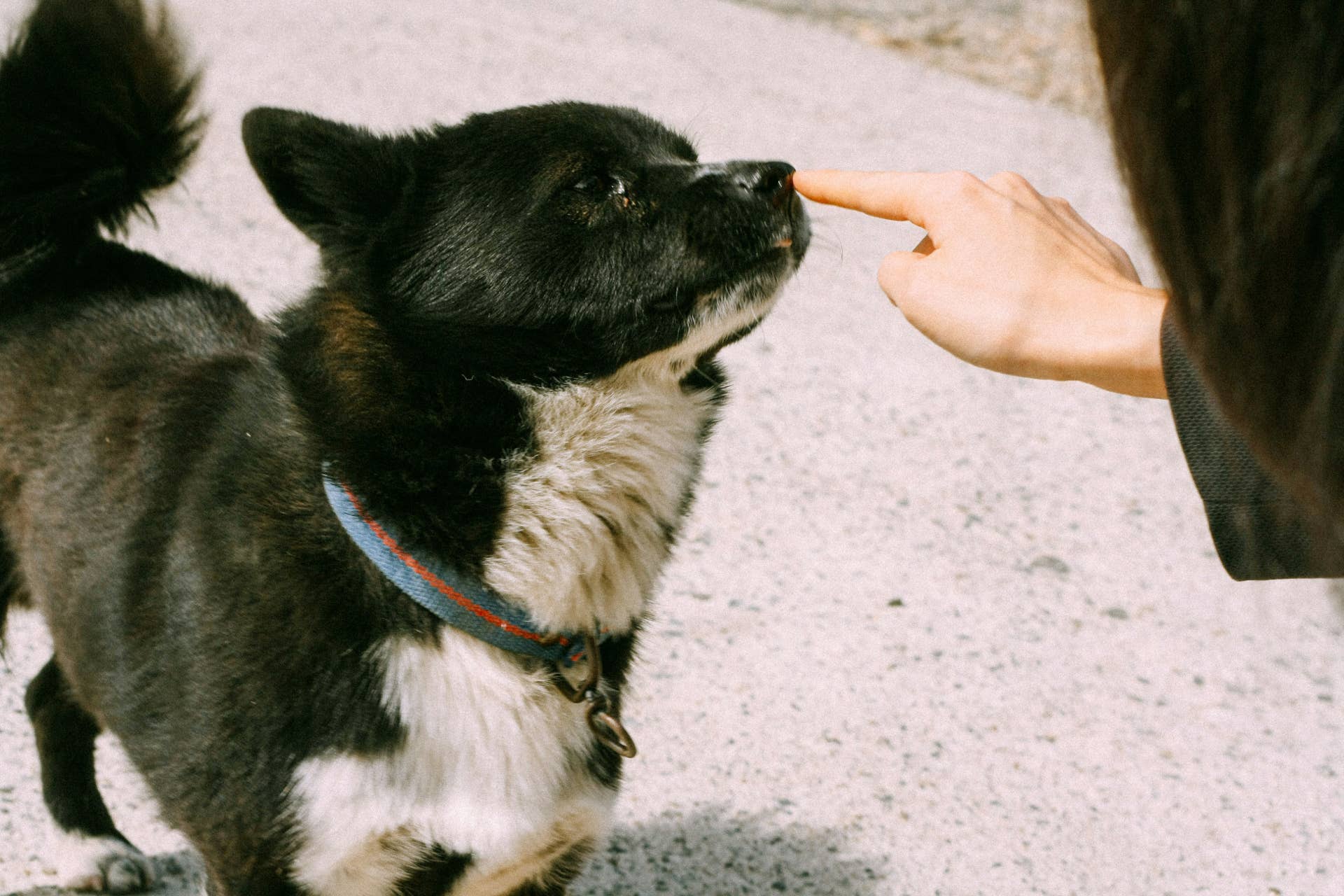
Reaching out to let an unfamiliar dog sniff your hand before petting them is actually a widespread myth. Extending your hand into a dog's personal space can feel threatening, provoke anxiety, or trigger a defensive bite. Instead, stand calmly, allow the dog to approach you on their own terms, and wait for clear signs of relaxed consent before petting their chest or shoulders.
Rethinking the Extended Hand Myth
For decades, well-meaning pet lovers have been taught a standard rule of etiquette: when meeting a new dog, extend an outstretched hand, palm down or fist closed, and let the dog sniff your knuckles. The assumption behind this practice is that it introduces your scent safely and signals friendly intentions. However, modern veterinary behaviorists and certified animal trainers widely advise against this gesture.
When you push your hand toward a dog's snout, you are invading their physical space. From a human perspective, extending a hand feels like an offering of peace. From a canine perspective, a foreign object is suddenly moving directly toward their head and throat. For a dog that is nervous, territorial, fearful, or in pain, an approaching hand can trigger a self-defense mechanism. Rather than reassuring the animal, extending your hand forces the dog into a position where they must decide whether to back away or defend themselves.
Furthermore, reaching out puts your fingers in close proximity to the dog's teeth. If the dog responds with fear-based aggression, your hand is already positioned within their strike zone. Rethinking this habit is one of the simplest ways to reduce bite risks and improve human-canine communication.
Olfactory Capability and Canine Spatial Awareness
Understanding why the extended hand is unnecessary requires looking at how dogs perceive their environment. A dog's sense of smell is remarkably sophisticated. Canine olfactory systems contain up to 300 million scent receptors, compared to roughly six million in humans. Additionally, the part of a dog's brain devoted to analyzing smells is proportionally 40 times larger than ours.
Because of this extraordinary sensitivity, a dog does not need your hand two inches from their nose to evaluate your scent. A dog can detect your unique scent profile, environmental odors, and atmospheric cues from several feet—or even yards—away. By the time you come within physical reach of a dog, they have already smelled you.
Spatial pressure plays a vital role in canine interaction. When humans greet one another, they step forward, make direct eye contact, and extend a hand. In contrast, polite canine social behavior relies on curved approaches, indirect gazes, and respecting personal boundaries.
Human Greeting Style vs. Polite Canine Greeting Style:
- Human:
- Direct line
- Eye contact
- Extend hand into personal space
- Canine:
- Curved path
- Indirect glance
- Maintain distance until consent
When a human leans forward, bends over a dog, or thrusts a limb into their space, it creates intense spatial pressure. Fearful or cautious dogs feel trapped by this pressure, particularly if they are restrained on a leash and cannot choose to retreat.
Reading Body Language: Subtle Signs of Stress vs. Social Invitation
Before attempting to touch any dog, you must learn to read their body language. Dogs constantly communicate their comfort levels through non-verbal cues. Misinterpreting these cues is the leading cause of avoidable dog bites.
Signs a Dog Wants Space (Red and Yellow Light Behaviors)
Many people assume a dog is comfortable as long as they are not growling or showing teeth. In reality, dogs display numerous subtle displacement behaviors long before they resort to vocal warnings:
- Averting Gaze or Turning the Head Away: The dog intentionally looks away to de-escalate the interaction and signal that they feel uncomfortable.
- Lip Licking and Yawning: When performed outside the context of eating or sleeping, these are classic signs of anxiety and self-soothing.
- Stiff or Frozen Posture: A dog that freezes in place is experiencing high stress. A still dog is often more dangerous than a moving dog, as freezing frequently precedes a bite.
- Whale Eye: The dog turns their head slightly away while keeping their eyes fixed on you, revealing the white portion (sclera) of the eye.
- Weight Shifted Backward: The dog leans away, tucks their tail, or lowers their body toward the ground.
Signs a Dog Invites Interaction (Green Light Behaviors)
Conversely, a dog that genuinely desires social contact will display soft, fluid, and loose movements:
- Loose, Wiggling Body: The dog’s spine remains flexible, often with a full-body or hip-swaying movement.
- Soft Eyes and Relaxed Facial Muscles: The eyes appear rounded or soft, without tension around the brow or mouth.
- Initiating Contact: The dog approaches willingly, nudging your leg or leaning their flank against you.
- Open Mouth with a Loose Pant: The jaw is relaxed, without tight tension at the corners of the lips.
The Safe Greeting Protocol: A Step-by-Step Approach
To ensure interactions are safe and respectful for both you and the animal, follow a consent-based greeting protocol. This framework removes spatial pressure and allows the dog to dictate the pace of the encounter.
- Ask Handler Permission
- Adopt Neutral Posture (Side-facing, no eye contact)
- Allow Dog to Bridge Distance (Do not advance)
- Execute 3-Second Consent Test (Pet chest/side, then pause)
Step 1: Ask the Handler for Permission
Always ask the dog’s handler before approaching: "May I pet your dog?" The owner knows the dog's temperament, medical history, and current training goals. If the handler hesitates or says no, respect their decision immediately without pushing for an explanation.
Step 2: Adopt a Neutral Body Position
If permission is granted, adjust your body language to appear non-threatening. Stand straight or squat down slightly at a distance, but do not lean over the dog. Turn your torso slightly to the side rather than facing the dog directly head-on. Keep your arms relaxed at your sides and avoid staring into the dog’s eyes.
Step 3: Let the Dog Bridge the Gap
Do not step toward the dog or reach out. Remain still and allow the dog to cover the physical distance between you. If the dog chooses to remain standing at a distance or retreats behind their owner, honor that boundary and do not pursue them.
Step 4: Perform the 3-Second Consent Test
If the dog approaches with loose, friendly body language and initiates physical contact, gently pet them on an appropriate area (such as the side of the chest) for three seconds. After three seconds, stop touching the dog and bring your hands back to your body.
Observe what the dog does next:
- If the dog steps away, sniffs the ground, or looks elsewhere: The interaction is complete. Do not reach for them again.
- If the dog nudges your hand, leans into you, or steps closer: They have offered clear consent for continued petting.
Evaluating Greeting Methods and Safety Risks
Different touch and approach techniques carry varying levels of risk. Understanding how dogs interpret specific human actions helps prevent misunderstandings and accidental injuries.
| Greeting Method | Canine Perception | Bite Risk Level | Recommended Action |
|---|---|---|---|
| Thrusting Hand to Snout | Spatial invasion; perceived as a physical threat or obstruction. | High | Avoid entirely. Allow scent detection to happen naturally from a distance. |
| Reaching Over Top of Head | Dominating, vision-blocking gesture; triggers defensive reflex. | High | Avoid with unfamiliar dogs. Reserve for trusted, familiar pets. |
| Bending/Leaning Over Dog | Intimidating weight shift; creates physical trap over the animal. | Moderate to High | Keep posture upright or turn sideways to reduce physical presence. |
| Neutral Side Stance & Waiting | Non-threatening; gives the dog full control over space and choice. | Minimal | Preferred starting protocol for all canine meetings. |
| Petting Chest or Shoulder | Predictable, safe contact within the dog's clear line of sight. | Low | Recommended area for touch after consent is established. |
Anatomical Guidelines for Safe Touch
Where you touch a dog is just as important as how you approach them. Certain zones on a dog's body are soothing, while others cause discomfort, anxiety, or physical pain.
Preferred Zones for Petting
- The Chest and Sternum: Petting the front of a dog's chest allows them to keep your hand in their direct line of vision. It does not compromise their movement or feel restrictive.
- Base of the Neck and Shoulders: The sides of the neck and upper shoulders are generally low-stress areas for dogs.
- Behind the Ears: For dogs that are visibly relaxed, gentle scratching behind the ears can be rewarding, provided you reach from the side rather than over the top of the crown.
Zones to Avoid with Unfamiliar Dogs
- Top of the Head: Patting or reaching for the top of a dog’s head causes them to lose sight of your hand momentarily, which often induces flinching or head-shyness.
- Muzzle, Jaw, and Face: Direct touch to the facial region is highly invasive and reserved only for established relationships.
- Paws, Legs, and Tail: Extremities are sensitive. Many dogs instinctively protect their limbs and tail from handling by strangers.
- Hugging and Restraining: Wrapping your arms around a dog deprives them of their mobility. Hugging is a primate behavior that dogs naturally interpret as physical restraint or a threat.
Educating Children and Managing High-Risk Encounters
Statistically, children are the most frequent victims of dog bites, with the majority of incidents involving familiar pets or dogs met in public settings. Children naturally exhibit behaviors that dogs find overwhelming: high-pitched voices, erratic movements, direct eye contact, and a desire to hug animals around the neck.
Teaching children the principles of body language and spatial awareness is critical for bite prevention. Key safety rules for children include:
- "Be a Tree": If an unfamiliar or energetic dog approaches, children should stand still like a tree, fold their "branches" (arms in across their chest), look at their feet, and remain quiet until an adult assists.
- No Hugging or Kissing: Children should be taught that dogs do not like human-style hugs or facial kisses, as these actions place the child's face directly in the dog's primary defense zone.
- Respect Sleep and Meals: Children must never approach a dog that is eating, sleeping, chewing a toy, or resting in a crate or designated bed.
When dealing with dogs displaying clear fear or aggression—such as stiffening, growling, or barking—do not make sudden movements or turn your back to run. Running can activate a dog's predatory chase drive. Instead, back away slowly at an angle, avoid direct eye contact, and keep your hands relaxed at your sides.
Frequently Asked Questions
Why do dogs snap when you reach out your hand to be sniffed?
Dogs snap when a hand is extended because they perceive the sudden movement into their personal space as a threat. If a dog is fearful, anxious, or protecting their boundary, an approaching hand triggers a self-defense reaction, causing them to bite or snap to push the threat away.
Where is the safest place to pet an unfamiliar dog for the first time?
The safest place to pet a consenting dog is on the side of their chest or shoulder. Touching these areas keeps your hand visible to the dog, avoids dominating posture, and respects their vision and mobility.
What is the 3-second consent test for petting dogs?
The 3-second consent test involves stroking a dog gently for three seconds, then stopping and moving your hand back. If the dog leans in, nudges you, or seeks further contact, they are consenting to continued petting. If they step away or remain stationary without re-engaging, the interaction should end.
Should I let a dog sniff my hand if they approach me first?
Even if a dog approaches you, you do not need to thrust your hand out to be sniffed. Keep your hands relaxed by your sides and let the dog sniff your trousers, shoes, or legs naturally. If their body remains loose and friendly, you can offer a gentle stroke on their chest.
How do I know if a dog actually wants to be petted?
A dog that wants to be petted displays a soft, curving body, a relaxed tail movement, gentle eye contact, and intentionally closes the physical distance to lean against you or nudge your hand.
Best Practices for Safe Canine Interactions
Fostering safe encounters with dogs requires shifting away from outdated habits like extending a hand to be sniffed and moving toward a model rooted in choice, spatial awareness, and consent.
Always secure permission from a dog's handler, position your body sideways to reduce intimidation, and let the dog decide whether to bridge the physical gap between you. By looking for subtle body language cues—such as lip licking, eye contact, and muscle tension—you can accurately gauge an animal's comfort level. Adopting these consent-based protocols protects human safety while ensuring that every interaction is positive, predictable, and respectful for the dog.