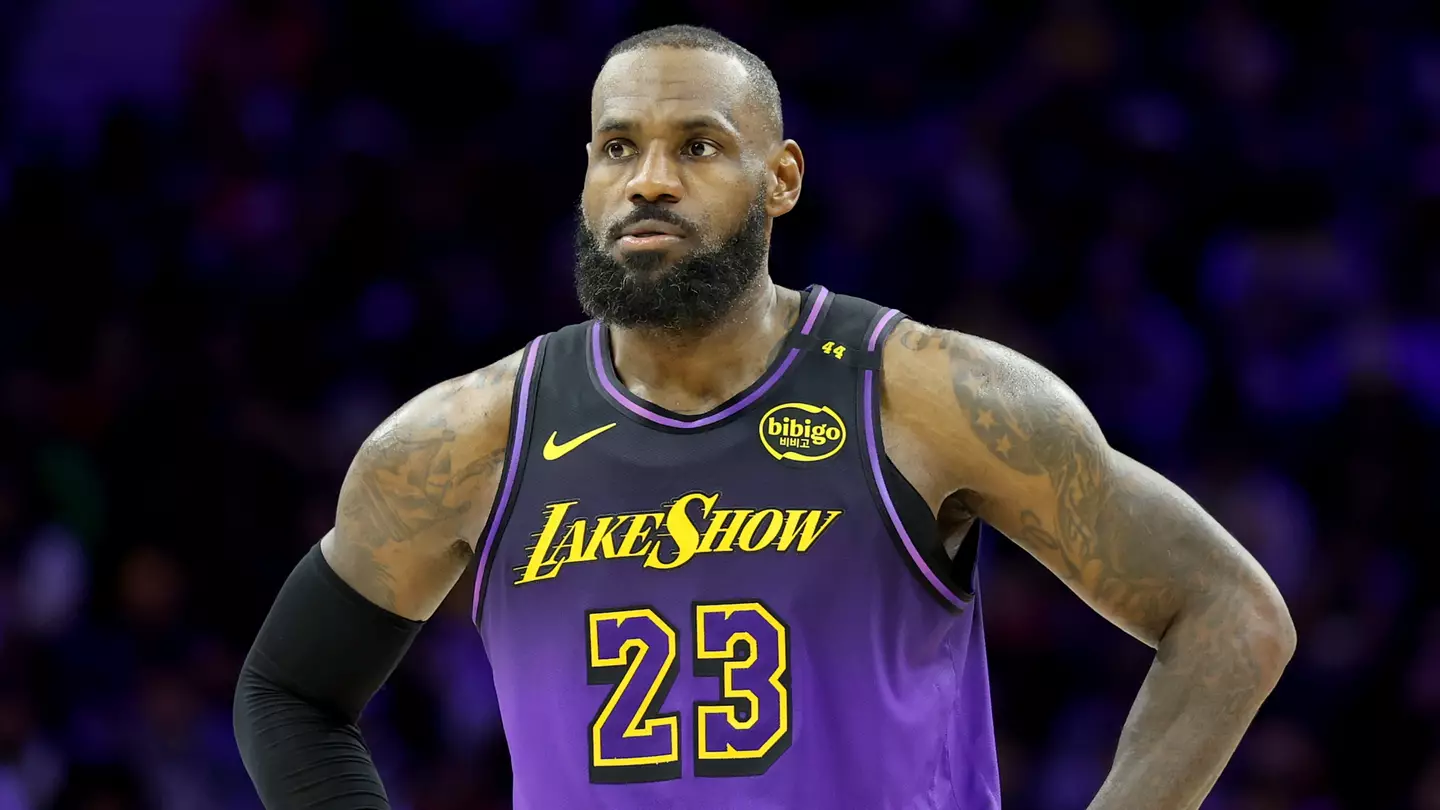
As of 2026, LeBron James remains affiliated with the Los Angeles Lakers, continuing his historic tenure with the franchise that began in 2018. He is currently playing under a veteran contract structure that emphasizes short-term flexibility, typically featuring high-value annual salaries paired with player options to navigate the league's evolving salary cap and his personal career milestones.
Entering the 2026-2027 NBA landscape, the discussion surrounding LeBron James has shifted from whether he can still compete to how he continues to redefine the aging curve of professional athletes. His team affiliation with the Los Angeles Lakers has become one of the most significant chapters of his career, rivaling his initial stint with the Cleveland Cavaliers in terms of duration and cultural impact. For fans, analysts, and cap enthusiasts, understanding the nuances of his current contract requires a look at both the financial figures and the specific Collective Bargaining Agreement (CBA) rules that govern players of his age and stature.
Current Team Affiliation: The Los Angeles Lakers Era
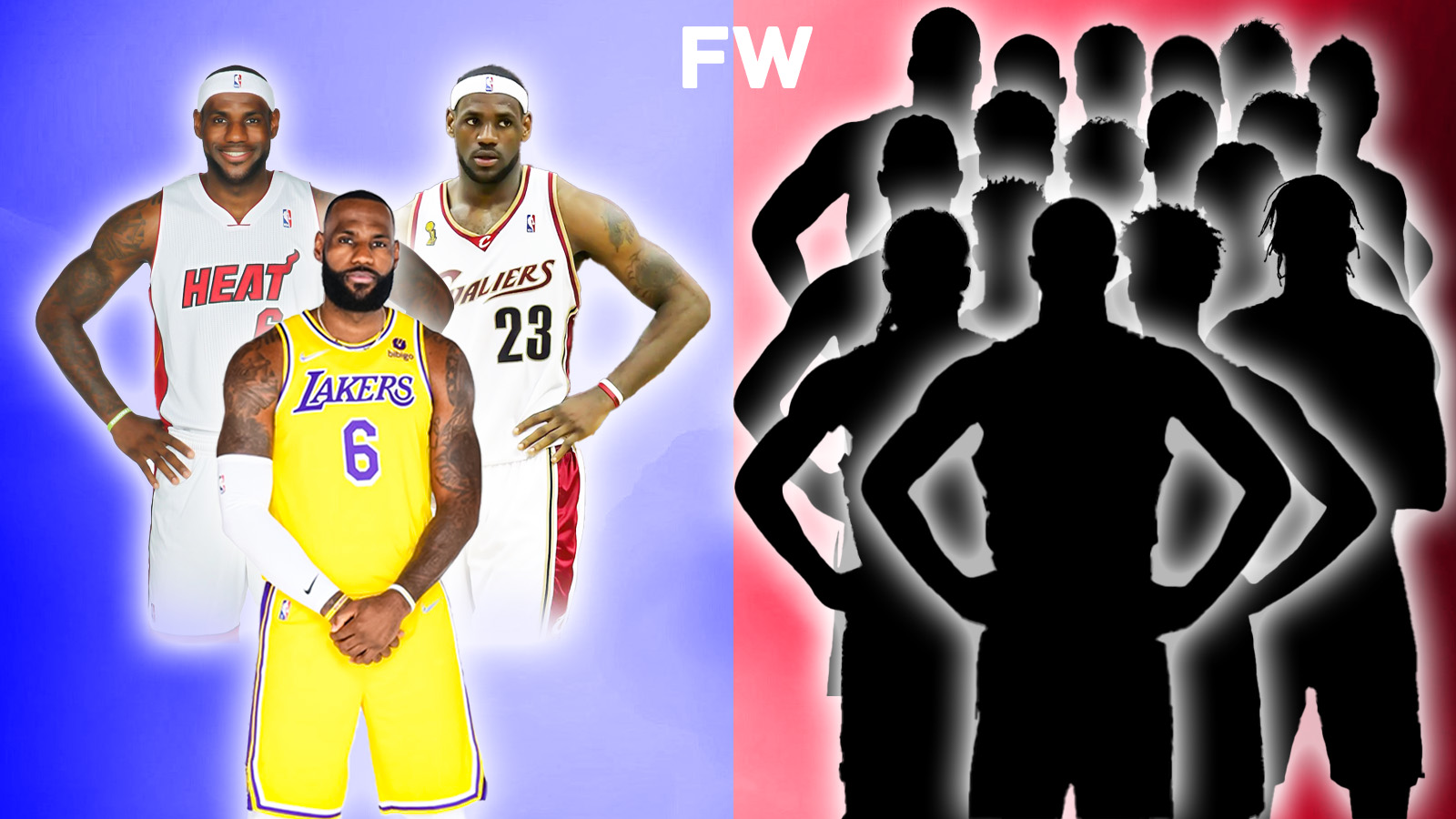
LeBron James has been a member of the Los Angeles Lakers since signing as a free agent in July 2018. By 2026, his time in the purple and gold has surpassed the length of his legendary four-year "Heatles" era in Miami and his second four-year stint in Cleveland. This affiliation has been defined by a commitment to the Los Angeles market, not just for basketball reasons, but for his extensive media ventures and family considerations.
The Lakers' organization has consistently prioritized James as the focal point of their roster construction. Despite various roster overhauls over the years, the partnership between James and Anthony Davis has remained the central pillar of the team's identity. In 2026, this affiliation represents more than just a player on a roster; it is a symbiotic relationship where the Lakers provide a global platform for James’s brand, and James provides the franchise with continued relevance and championship aspirations, even in the twilight of his career.
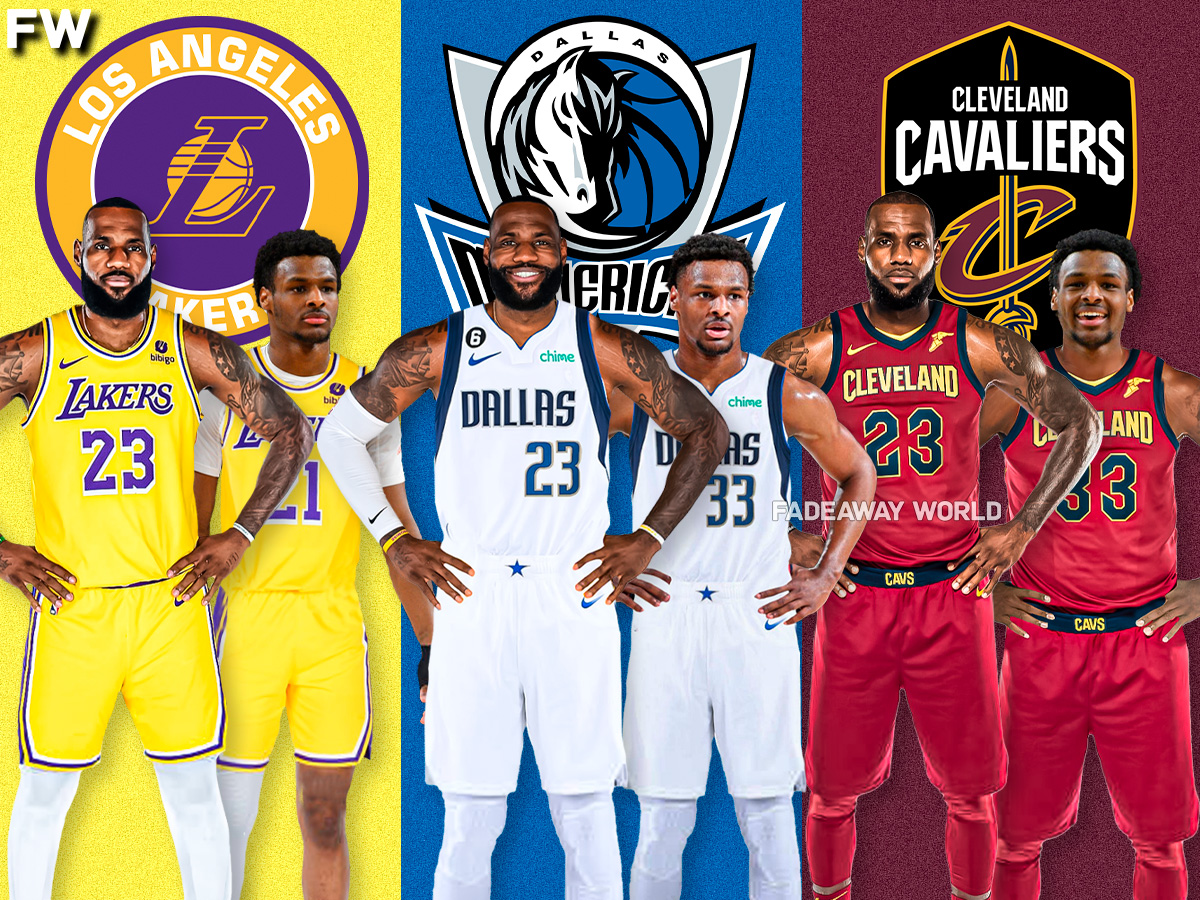
The stability of this affiliation was further solidified by the Lakers' decision to draft and develop Bronny James in 2024. This move effectively tethered LeBron to the franchise, as he had publicly expressed a desire to share an NBA court with his son. In the 2025-2026 season, the narrative of the "father-son duo" became a central theme of Lakers basketball, ensuring that LeBron’s affiliation with the team remained firm through the 2026 calendar year.
Detailed Contract Breakdown and Salary Structure
LeBron James’s contract status in 2026 is the result of a strategic two-year deal signed in July 2024. That agreement was a two-year, $101.35 million maximum contract, which included a player option for the second year (2025-2026).
By the summer of 2026, James reached a critical juncture regarding his contract status. Having exercised his player option for the 2025-2026 season to earn approximately $52.6 million, he entered the 2026 offseason as either a free agent or a candidate for a new one-year "over-38" extension.
The 2024-2026 Contract Metrics
| Feature | Detail |
|---|---|
| Contract Type | Veteran Maximum Extension (1+1 Structure) |
| Total Value (2024-26) | Approximately $101,350,947 |
| 2024-2025 Salary | $48,728,845 |
| 2025-2026 Salary | $52,622,102 (Player Option) |
| No-Trade Clause | Included in the 2024 Agreement |
| Trade Kicker | 15% (Maximum allowed) |
This contract structure was specifically designed to provide James with a "No-Trade Clause," a rare perk in the modern NBA that only a handful of players possess. This clause gives James ultimate control over his team affiliation, ensuring that he cannot be moved to another franchise without his explicit consent. For the Lakers, the contract represented a massive salary cap hit but was viewed as a necessary investment to retain the most marketable figure in the sport.
The Impact of the NBA "Over-38 Rule" on His Status
One of the most complex aspects of LeBron James’s contract status in 2026 involves the NBA’s Over-38 Rule. This regulation is designed to prevent teams from circumventing the salary cap by offering long-term contracts to older players that they are unlikely to complete, which would artificially lower the annual cap hit.
Under this rule, if a contract extends past the player's 38th birthday and meets certain criteria regarding length, the salary for the years following the 38th birthday is treated as deferred compensation. This makes long-term deals (4 or 5 years) virtually impossible for a player of James's age. Consequently, James has been forced into a cycle of "1+1" contracts (one year guaranteed plus a one-year player option).
In 2026, this means James is essentially operating on a year-to-year basis. This status allows him to adjust his salary demands based on the team's needs—such as taking a slight discount to stay under the "Second Apron" of the luxury tax—or to maximize his earnings as the NBA's new media rights deal continues to inflate the overall salary cap.
Financial Context: The Second Apron and Roster Construction
The 2023 CBA introduced stringent penalties for high-spending teams, known as the "First Apron" and "Second Apron" luxury tax tiers. As of 2026, James’s contract status has a direct impact on the Lakers' ability to build a supporting cast.
With James earning upwards of $50 million annually, and Anthony Davis also on a maximum contract, the Lakers frequently find themselves hovering near the Second Apron. Being above this threshold limits the team’s ability to:
- Use the Mid-Level Exception (MLE) in free agency.
- Aggregate salaries in trades.
- Send out cash in deals.
- Sign players on the buyout market who previously made more than the non-taxpayer MLE.
James’s contract status in 2026 is therefore a balancing act. He remains a "max player" in terms of production and marketability, but the technicalities of the CBA mean his salary demands directly dictate the quality of the Lakers' bench. Reports throughout 2025 and early 2026 suggested that James has remained open to flexible pricing if it meant the front office could secure veteran talent to chase one final championship.
The Role of Bronny James in LeBron’s Affiliation
It is impossible to discuss LeBron James’s team affiliation in 2026 without acknowledging the influence of Bronny James. When LeBron James Jr. entered the NBA in 2024, LeBron’s career trajectory became intertwined with his son’s development.
The Lakers' decision to utilize their draft capital on Bronny was a significant factor in LeBron’s decision to sign his 2024 extension. By 2026, the two have already made history as the first father-son duo to play simultaneously in the NBA. This familial connection has acted as a "soft" no-trade clause; while the legal clause exists in his contract, the emotional and historical tie to the Lakers through his son makes a change in team affiliation highly unlikely before LeBron chooses to retire.
Future Outlook: Free Agency or Retirement in 2026-2027?
As we move through 2026, the primary question regarding James’s contract status is whether he will sign one final "sunset" contract or move into a front-office or ownership role. James has frequently hinted at an interest in owning an NBA expansion team, specifically in Las Vegas.
His current contract status allows him to become a free agent in any given summer. However, the prevailing sentiment in 2026 is that James will finish his career as a Laker. Any "new" contract signed in the summer of 2026 would likely be another short-term deal, potentially a one-year "farewell tour" contract for the 2026-2027 season.
Key Factors for the Next Contract Cycle:
- The Cap Jump: With the 2025 media deal fully integrated, the salary cap has seen significant annual increases, potentially allowing LeBron to maintain a $50M+ salary without crippling the Lakers' flexibility.
- Physical Longevity: James’s continued health into 2026—a year where he turns 42—dictates whether he remains a "Maximum Contract" player or moves toward a "Taxpayer Mid-Level" or "Veteran Minimum" role for a final championship run.
Comparison of Recent Contract Earnings
To understand the scale of LeBron’s financial status in 2026, it is helpful to compare his recent earnings against his previous Lakers extensions.
| Season | Contract Phase | Annual Salary (Approx.) | Team Affiliation |
|---|---|---|---|
| 2022-2023 | Extension Year 1 | $44,474,988 | LA Lakers |
| 2023-2024 | Extension Year 2 | $47,607,350 | LA Lakers |
| 2024-2025 | New Max Year 1 | $48,728,845 | LA Lakers |
| 2025-2026 | Player Option | $52,622,102 | LA Lakers |
| 2026-2027 | Projected/Next | $54,000,000+ | LA Lakers |
Frequently Asked Questions
Does LeBron James have a no-trade clause in 2026?
Yes, the contract LeBron James signed in July 2024 included a full no-trade clause. This gives him the power to veto any trade the Lakers might attempt to initiate. In the 2026 season, this remains one of the most powerful tools in his contract, ensuring he maintains total control over his team affiliation.
When will LeBron James become an unrestricted free agent?
LeBron James has the potential to become an unrestricted free agent almost every summer due to the "1+1" structure of his contracts. In 2026, if he did not sign an early extension during the 2025-26 season, he would technically be a free agent in the summer of 2026. However, he often coordinates these moves with the Lakers front office months in advance.
How does LeBron James's age affect his contract options?
The NBA's "Over-38 Rule" prevents James from signing a long-term deal (e.g., 4 or 5 years) that would carry him deep into his 40s. Because of this, his contract status is almost always "short-term," consisting of one or two-year deals. This protects the team from long-term cap deadweight while giving James the highest possible annual salary.
Is LeBron James the highest-paid player on the Lakers in 2026?
LeBron James and Anthony Davis are typically in a similar salary bracket. In 2026, depending on the specific year of Davis’s extension, they are likely occupying nearly 60-70% of the Lakers' salary cap combined. LeBron's salary of $52.6 million for the 2025-26 season keeps him among the top five highest-paid players in the league.
Can LeBron James be traded to a team with his son?
Because Bronny James is already on the Lakers as of 2026, the "team affiliation" issue is resolved. If Bronny were to be traded, LeBron could theoretically use his no-trade clause to block a move or request a trade to follow him, but given LeBron's influence in Los Angeles, it is more likely the team would keep both players together.
Monitoring Updates and Career Milestones
For those tracking LeBron James’s team affiliation and contract status, the most critical periods are the NBA Trade Deadline (February) and the Free Agency Moratorium (July). As James nears the end of his illustrious career, each contract update is not just a financial transaction but a signal of how much longer the "King" intends to grace the hardwood.
To stay updated, fans should monitor official NBA transactions through the league's roster portal or reputable salary tracking sites like Spotrac or HoopsHype. These platforms provide real-time updates on option exercise dates and official filing of new contract extensions. As 2026 progresses, James’s status will continue to be the primary barometer for the Lakers' championship window and the broader financial health of the veteran player market in the NBA.