As of 2026, staying informed about public safety in Lawrence, Kansas, requires a sophisticated understanding of modern digital radio infrastructure. This guide provides a comprehensive overview for residents, journalists, and public safety enthusiasts looking to monitor the Lawrence Police Department (LPD), the Douglas County Sheriff’s Office (DGSO), and Lawrence-Douglas County Fire Medical (LDCFM) communications.
(Note: This guide focuses specifically on the real-time monitoring of public safety radio frequencies within Lawrence and Douglas County, Kansas, and does not cover private security or non-emergency municipal frequencies.)
The Evolution of Lawrence Public Safety Communications in 2026
The communication landscape in Douglas County has undergone significant technical shifts over the last decade. By 2026, almost all critical emergency services in the Lawrence area have fully integrated into the Kansas Statewide Interoperable Communication System (KSICS). This is a P25 Phase II digital trunking system operating primarily in the 800 MHz band.
For the average listener, this means that old-fashioned analog scanners from the early 2000s are now obsolete for monitoring local police. To listen to Lawrence police scanner live feeds today, you must use equipment or software capable of decoding APCO Project 25 (P25) digital signals. Trunking allows multiple departments to share a small pool of frequencies, with a controller channel directing "talkgroups" to available slots. This efficiency is vital for a growing city like Lawrence but adds a layer of complexity for those attempting to tune in.
While many agencies across the United States have moved toward full encryption, the 2026 policy for Lawrence and Douglas County remains a hybrid model. General dispatch channels for LPD and Fire Medical typically remain unencrypted to maintain public transparency and interoperability with smaller regional agencies. However, tactical channels, investigative units, and sensitive operations are almost exclusively encrypted, rendering them silent to public scanners.
Primary Methods for Monitoring Lawrence Police and Fire Live
Listeners in 2026 have three primary pathways to access live radio traffic. Each method offers varying levels of reliability, cost, and technical depth.
1. Online Streaming Services and Mobile Apps
The most accessible way to listen is through aggregator sites like Broadcastify or mobile applications like Scanner Radio Pro. These services rely on local volunteers who host a physical scanner and feed the audio to the internet.
Technical Reliability Note
Web-based streams are subject to the uptime of the volunteer's equipment. In 2026, while these streams are convenient, they often carry a 30 to 90-second delay compared to the real-time radio transmission. This delay is a critical factor for those using scanners for immediate situational awareness during weather events or active scenes.
2. Dedicated Digital Hardware Scanners
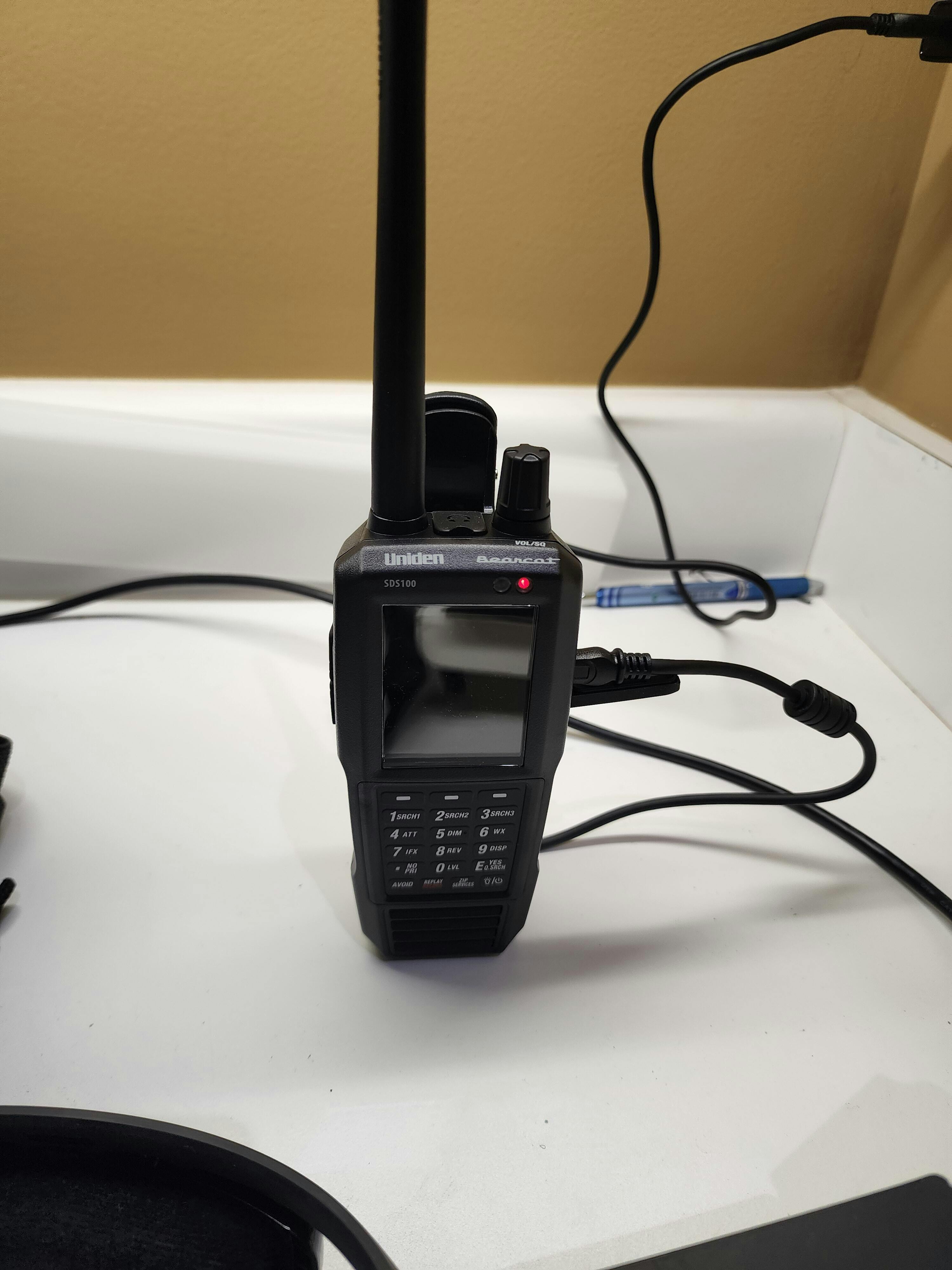
For professional-grade monitoring without delay, a dedicated digital trunking scanner is the gold standard. Brands like Uniden and Whistler dominate the market in 2026 with models specifically designed to handle P25 Phase II simulcast systems.
3. Software Defined Radio (SDR)
A growing trend among Lawrence tech enthusiasts is the use of SDR. By plugging a small USB dongle into a computer and using software like Unitrunker or DSDPlus, users can decode digital talkgroups for a fraction of the cost of a dedicated scanner. This requires moderate technical proficiency but offers the most detailed view of the radio system's metadata.
Comparison of Monitoring Methods in 2026
The following table compares the most popular ways to access Lawrence-Douglas County public safety feeds based on 2026 technology standards.
| Method | Audio Delay | Initial Cost | Technical Difficulty | Reliability |
|---|---|---|---|---|
| Mobile Apps (e.g., Broadcastify) | 30–90 Seconds | $0 - $5/mo | Very Low | Moderate |
| Digital Handheld Scanner | Near Zero | $500 - $700 | Moderate | High |
| Software Defined Radio (SDR) | Near Zero | $30 - $60 | High | Moderate/High |
| PulsePoint (Fire/EMS Only) | Data Only | $0 | Low | High |
Technical Specifications for Douglas County KSICS
To program a scanner or SDR for Lawrence, you must target the specific Douglas County tower sites. The Kansas Statewide Interoperable Communication System utilizes a complex network of repeaters.
In 2026, the primary sites serving Lawrence include:
- Lawrence Site (Site 132): Located near the center of the city, providing the strongest signal for LPD and LDCFM dispatch.
- Baldwin City Site: Serving the southern portions of Douglas County.
- Lecompton Site: Serving the northwestern portions of the county and providing backup coverage for the I-70 corridor.
Standard talkgroups for the Lawrence area are categorized by agency. The LPD Dispatch (North and South) remains the most active channel. Fire Medical utilizes a "Dispatch" channel for initial calls and then moves units to "Tactical" or "Fireground" channels for on-scene operations. In 2026, many of the Fireground channels remain unencrypted to ensure that mutual aid partners from surrounding counties can communicate during large-scale incidents.
Legal and Ethical Framework for Scanner Use in Kansas
Monitoring public safety radio is legal in the state of Kansas under the Electronic Communications Privacy Act, provided the transmissions are unencrypted and intended for public use. However, there are strict legal boundaries defined by Kansas Statutes (K.S.A.).
Kansas Legal Compliance Guidelines
Prohibited Use in Crimes It is a felony in Kansas to use a police scanner to assist in the commission of a crime or to evade capture by law enforcement. This includes using mobile apps while engaged in illegal activity.
Privacy and Information Sharing While listening is legal, the redistribution of sensitive information overheard on the scanner (such as victim names or private addresses) on social media can lead to civil liability or interference charges if it hampers an active investigation.
Mobile Scanner Laws Unlike some states, Kansas does not generally prohibit the possession of a scanner in a motor vehicle, provided the user is not utilizing it to facilitate a crime.
Dealing with Simulcast Distortion in Lawrence
A common challenge for Lawrence listeners in 2026 is "Simulcast Distortion." Because the Douglas County KSICS sites broadcast the same signal on the same frequency at the same time from different towers, some digital scanners become "confused," resulting in choppy or dropped audio.
To remedy this, listeners should:
- Use a Directional Antenna: Pointing a Yagi antenna at a single tower site can reduce interference from other sites.
- Attenuate the Signal: Sometimes, reducing the signal strength allows the scanner to lock onto the strongest local tower while ignoring distant, interfering signals.
- SDR Solutions: Software-defined radios are generally better at handling simulcast issues than older hardware scanners due to the way they process digital IQ data.
Real-Time Public Safety Resources Beyond the Scanner
In 2026, the police scanner is only one part of a modern "transparency tech stack." For a full picture of what is happening in Lawrence, residents should combine radio monitoring with these digital tools:
- PulsePoint Respond: This app is directly integrated with Lawrence-Douglas County Fire Medical dispatch. It provides real-time alerts for fire and medical calls, including the exact GPS location and the units assigned to the incident.
- Lawrence Police Department Transparency Portal: LPD maintains a digital dashboard that updates every few hours with calls for service, though it lacks the immediacy of the live scanner.
- DGCO Incident Map: The Douglas County Sheriff provides a web-based map showing active incidents being handled by deputies in the unincorporated areas of the county and small towns like Eudora and Baldwin City.
Frequently Asked Questions
Why is the Lawrence police scanner silent during certain high-profile events?
When the police scanner goes silent during an active incident, it is usually because the LPD has switched to an encrypted tactical channel. This is standard procedure for SWAT deployments, drug stings, or sensitive negotiations to ensure officer safety and prevent suspects from monitoring police movements.
Can I listen to the Kansas University (KU) Police on a scanner?
Yes, the University of Kansas Office of Public Safety also operates on the KSICS system. Their dispatch channels are typically unencrypted and can be monitored using the same digital equipment required for LPD and DGSO.
Is there a free Lawrence police scanner app for iPhone and Android?
Several free apps, such as "Scanner Radio" and "5-0 Radio," offer access to Lawrence feeds. These apps do not "scan" the airwaves themselves; they simply play back audio streams hosted on servers like Broadcastify.
What are the main frequencies for Lawrence, KS?
In 2026, you do not program individual frequencies as much as you program the "Control Channels" for the Douglas County KSICS sites (primarily in the 851-859 MHz range) and then import the Talkgroup IDs (TGIDs) for LPD and Fire Medical.
Does Lawrence use encryption for all medical calls?
No, medical dispatch usually remains open. However, detailed Patient Health Information (PHI) is often transmitted via cellular data or MDTs (Mobile Data Terminals) to comply with HIPAA regulations, so you will not hear private medical details over the air.
Staying Informed Safely in Lawrence
The use of a live police scanner in Lawrence serves as a vital tool for community awareness and transparency. By utilizing P25-capable hardware or reliable streaming apps, citizens can stay informed about traffic accidents, weather emergencies, and public safety threats in real-time. As communication technology continues to evolve toward 2027 and beyond, staying educated on these technical shifts ensures that the "right to know" remains accessible to all Lawrence residents.