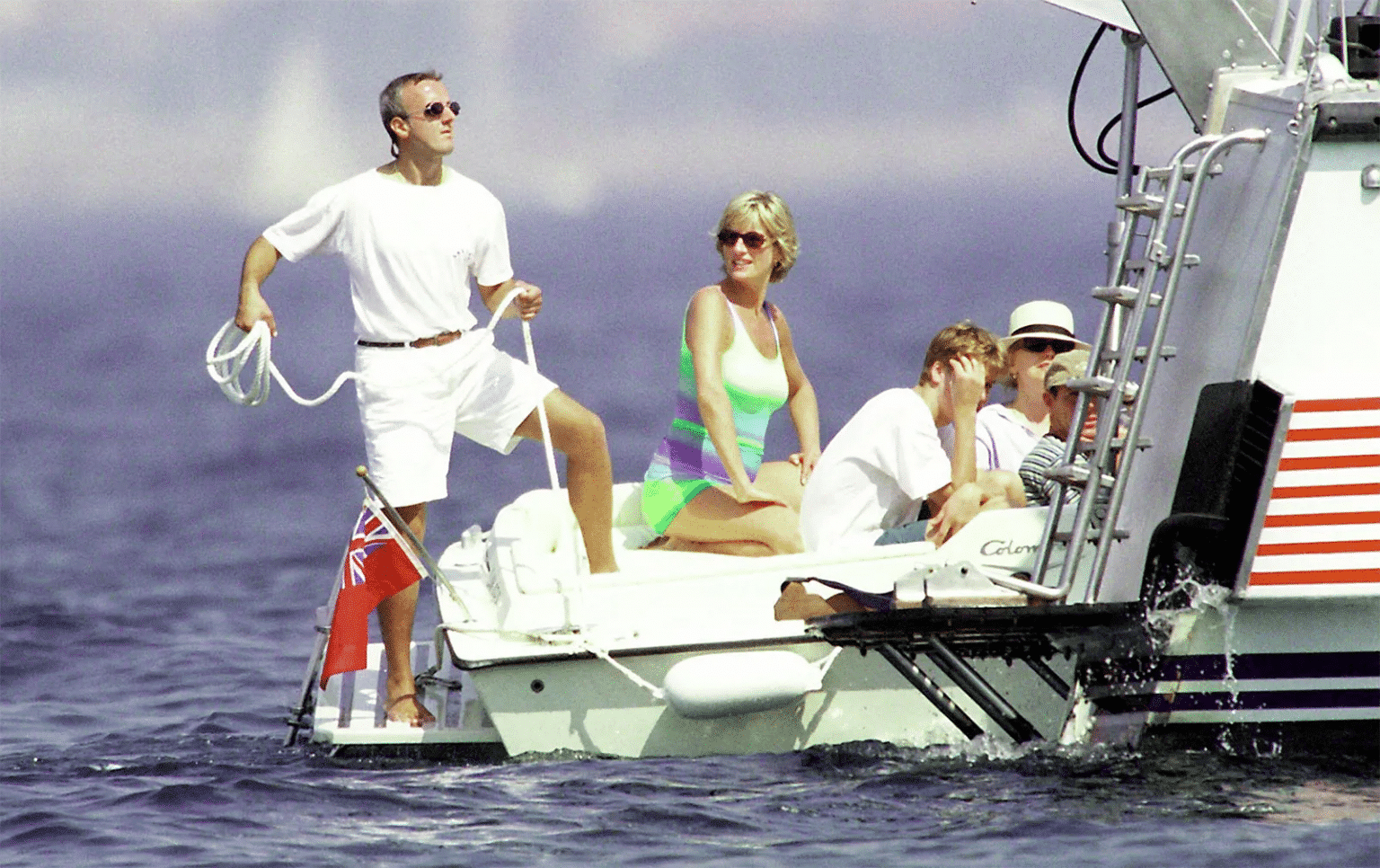
The final images of Diana, Princess of Wales, continue to generate intense public interest, historical inquiry, and ethical debate. This analysis focuses strictly on the visual records captured during the final hours of her life in August 1997, examining the circumstances of their creation, the technical parameters of the media, and the enduring legal and ethical frameworks that govern celebrity photography today in 2026.
Chronological Reconstruction of the Final Visual Record
Understanding the timeline of the last photographs requires mapping the movements of Diana Spencer and Dodi Fayed through Paris on August 30 and 31, 1997. The photographic record transitions from casual tourist snapshots to aggressive paparazzi pursuit, creating a distinct visual trajectory.
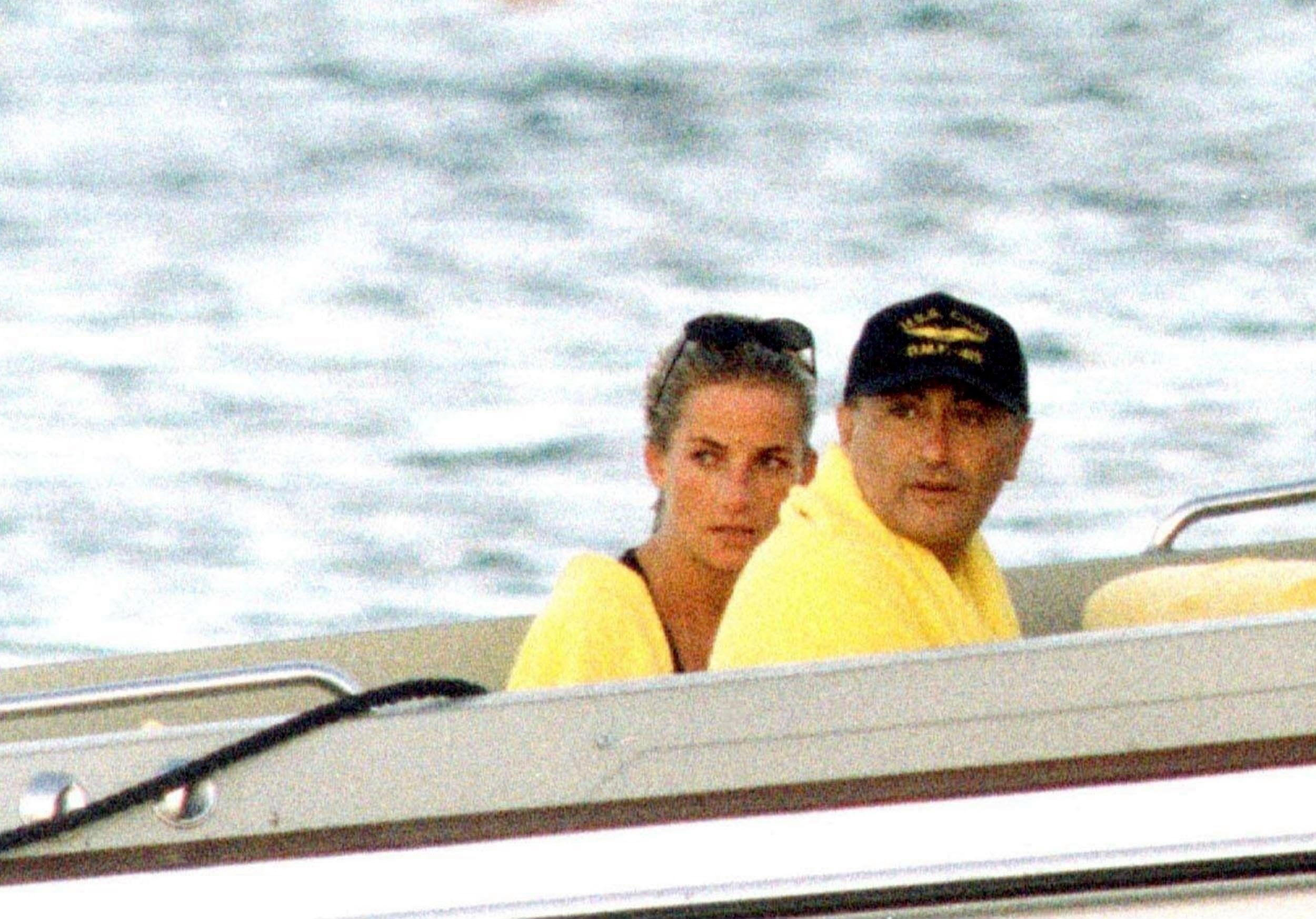
- The Arrival at Le Bourget Airport: The earliest images from their final day show the couple disembarking from a private jet at Le Bourget Airport north of Paris, captured by long-lens photographers stationed at a distance.
- The Ritz Hotel Departure: The interior security cameras of the Hôtel Ritz on Place Vendôme recorded the final formal movements of the couple. Subsequent images captured them stepping into the black Mercedes-Benz S280 from the rear service entrance on Rue Cambon shortly after midnight.
- The Pont de l'Alma Tunnel: While no published photographs depict the precise moment of the crash within the tunnel due to the chaotic nature of the pursuit and subsequent legal seizures, the immediate aftermath was documented by both professional photojournalists and amateur bystanders using early digital and film cameras.
Technical Specifications and Camera Gear of 1997 Photojournalism
The photographic technology deployed during the pursuit of Diana represents a specific era of transition in visual media. Analyzing the gear used by the press provides context regarding how these final images were captured under extreme lighting and movement conditions.
| Equipment Type | Technical Specifications (1997 Era) | Role in the Paris Pursuit |
|---|---|---|
| 35mm Film SLR Bodies | Canon EOS-1N / Nikon F5, motor drives capable of 5-8 frames per second. | Primary professional tool utilized by pursuing paparazzi on motorbikes. |
| Telephoto Lenses | 300mm f/2.8 and 400mm f/2.8 prime lenses with fast autofocus capabilities. | Used for long-distance tracking outside the Ritz Hotel and during transit. |
| Speedlights / Flashes | Dedicated shoe-mount strobes with high-speed sync limitations. | Contributed to driver disorientation during the final moments exiting the Rue Cambon. |
| Compact Point-and-Shoot | 35mm film compacts with built-in automated flash and zone focusing. | Utilized by opportunistic bystanders and secondary operators near the scene. |
The reliance on high-speed film stocks, often pushed to ISO 1600 or 3200 to compensate for the dim ambient light of Parisian streets at night, resulted in high grain levels and stark contrast in the resulting frames. This distinct aesthetic remains associated with late-20th-century tabloid journalism.
Ethical Frameworks and Legal Evolutions in 2026
The circumstances surrounding the last photographs of Diana fundamentally altered the global media landscape, leading to stringent privacy laws and self-regulatory codes that persist today. Modern digital platforms and press regulators enforce strict boundaries regarding harassment and the publication of intrusive media.
Privacy and the Press: Modern regulatory bodies across Europe and North America enforce strict guidelines prohibiting journalists and photographers from engaging in persistent pursuit, trespassing, or utilizing long-range optical equipment to capture private moments within non-public spaces.
Key legislative changes and industry standards implemented since the late 1990s include:
- Anti-Harassment Legislation: Enhanced criminal penalties for individuals or groups tracking public figures in a manner that compromises physical safety.
- Independent Press Standards: Revised editorial codes that restrict the acquisition and publication of images obtained through invasive surveillance or trespassing.
- Digital Rights Management: Advanced platform algorithms designed to detect and restrict the unauthorized monetization of graphic or illegally obtained historical imagery.
Comparison of Media Standards: 1997 Versus 2026
The methods used to capture, distribute, and consume news imagery have undergone a structural transformation over the past three decades. The following comparison illustrates the shift in operational standards between the era of the Paris crash and the current digital media ecosystem.
| Operational Metric | 1997 Media Environment | 2026 Media Environment |
|---|---|---|
| Primary Capture Medium | Chemical 35mm film requiring physical laboratory processing. | High-resolution digital sensors with instant wireless transmission capabilities. |
| Distribution Channels | Print newspapers, physical magazines, and broadcast television networks. | Decentralized digital platforms, algorithmic feeds, and global social networks. |
| Regulatory Enforcement | Largely reactive, voluntary press councils with minimal financial deterrents. | Proactive digital copyright enforcement, strict platform terms of service, and severe privacy litigation risks. |
| Public Accountability | Delayed reader feedback via printed letters to the editor and broadcast call-ins. | Immediate global commentary, rapid fact-checking communities, and real-time ethical debates. |
Frequently Asked Questions
Where are the last official photographs of Diana stored?
Most original negatives and evidentiary photographs are held within secure legal archives, including the files compiled during Operation Paget by the Metropolitan Police, and are not accessible for public viewing. While certain frames taken outside the Ritz Hotel were published globally by news agencies in 1997, subsequent images from the immediate crash scene remain restricted due to ongoing legal and ethical protections.
Were any photographs taken inside the tunnel admissible in court?
Yes, official forensic photographs taken by French law enforcement inside the Pont de l'Alma tunnel were utilized as critical evidence during judicial inquiries and inquests. However, these technical diagrams and scene photos were compiled strictly for investigative purposes and were largely withheld from mainstream publication out of respect for the victims and their families.
How did the events of 1997 change celebrity privacy laws?
The intense public scrutiny and media pursuit prompted severe legislative reviews, particularly in the United Kingdom and France, leading to stricter interpretations of privacy rights under European human rights law. These adjustments made it significantly more difficult for independent photographers to legally monetize intrusive images captured without consent.
Are the final photographs considered part of the public domain?
No, copyrighted material captured by professional photojournalists remains protected under international copyright law, even decades after the event. Media outlets and digital platforms must adhere to strict licensing agreements and ethical guidelines when referencing or displaying historical images from that night.
What guidelines govern the publication of sensitive historical imagery today?
Modern publishing standards rely on self-regulatory press codes, editorial boards, and digital platform policies that weigh historical interest against the dignity of the subjects and surviving family members. Graphic or excessively intrusive imagery is routinely barred from commercial distribution.
Preserving Historical Integrity and Journalistic Responsibility
The enduring discourse surrounding the final visual records of Diana serves as a permanent reminder of the responsibilities inherent in visual journalism. As media technologies evolve, maintaining strict adherence to privacy rights, ethical boundaries, and factual accuracy remains essential for modern publishers and historians alike. For further inquiries regarding historical media standards or archival research protocols, consult accredited journalistic foundations and international press councils.