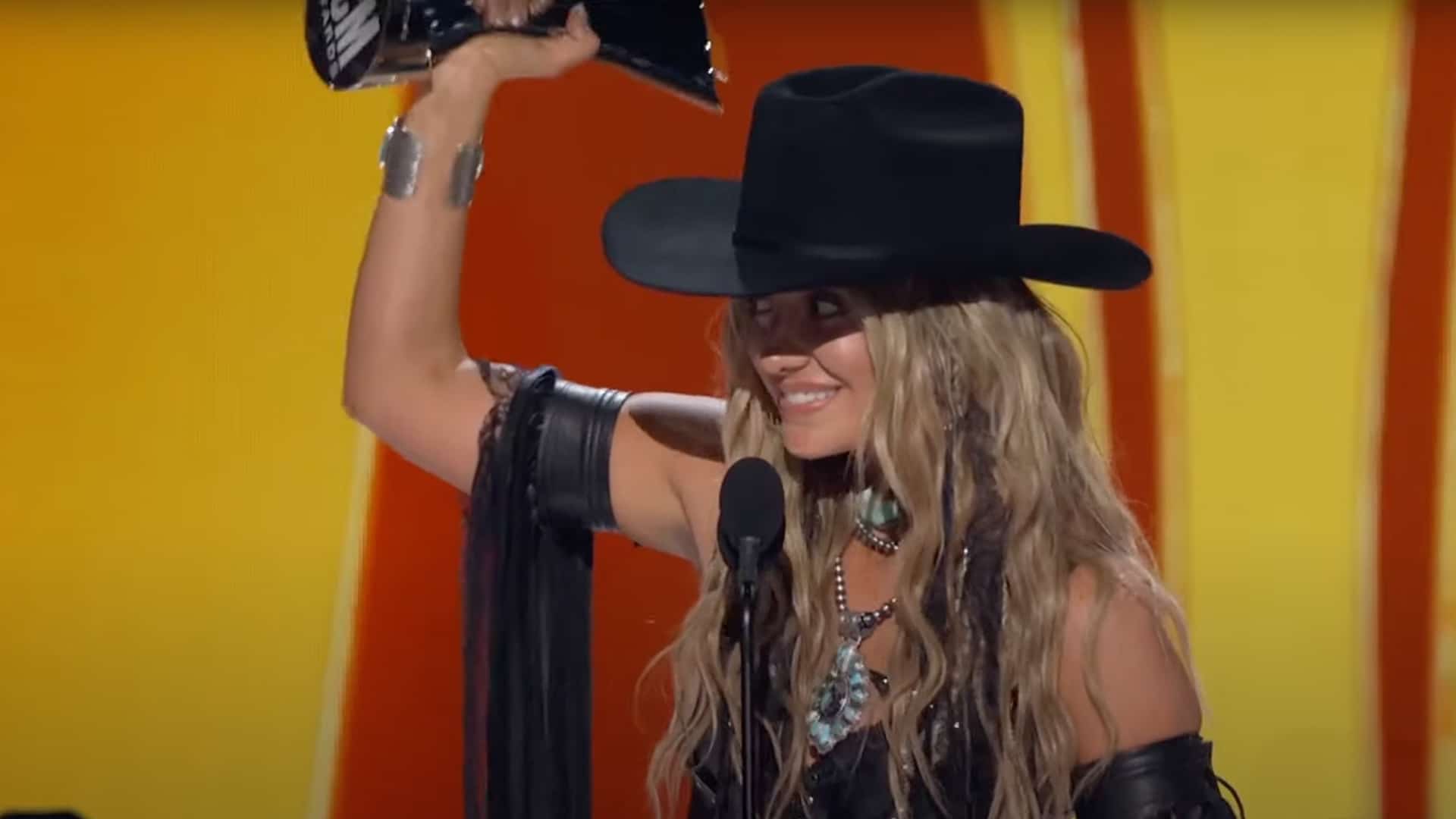
Lainey Wilson is a private individual musical artist, not a publicly traded company listed on any stock exchange. While retail investors cannot purchase stock directly in her name or personal business entities, her music catalog, recording contracts, and commercial partnerships operate alongside both private media firms and publicly traded entertainment corporations.
Understanding the distinction between an individual performing artist and a publicly traded business entity requires examining how the modern music industry structures revenue, ownership, and corporate governance. While corporations like Apple or Disney issue shares to the public to raise capital, solo musicians structure their careers as private businesses, leveraging contracts with record labels, publishing houses, and corporate sponsors.
Clarifying the Business Structure of an Individual Musical Artist
A common point of confusion for investors and fans alike is whether a high-earning celebrity or artist can be traded on Wall Street like a traditional corporation. In legal and financial terms, Lainey Wilson is a natural person who operates her brand through private corporate structures, such as Limited Liability Companies (LLCs) or S-Corporations, rather than a publicly traded entity (such as a C-Corporation subject to Securities and Exchange Commission oversight).
When a musical artist reaches top-tier commercial success, their business operations resemble a mid-sized commercial enterprise. Key components of an artist's private business architecture typically include:
- Loan-Out Corporations: Private business entities formed by artists to contract their services to third parties (such as record labels, film studios, or concert promoters), providing tax efficiency and liability protection.
- Intellectual Property Holding Companies: Private entities that hold rights to trademarks, logos, merchandise designs, and unreleased creative works.
- Touring Operations: Dedicated private entities that handle live production logistics, payroll for road crews, insurance policies, and venue contracts.
Because these entities are privately held, they are under no legal obligation to publish quarterly financial reports (Form 10-Q), annual disclosures (Form 10-K), or public earnings calls. Consequently, there is no stock ticker symbol for "Lainey Wilson" on the New York Stock Exchange (NYSE), NASDAQ, or any international market.
How Record Labels and Music Publishers Connect to Public Capital Markets
Although Lainey Wilson herself is a private artist, her creative output interacts directly with major players in global capital markets. The music industry relies heavily on record labels, distributors, and publishers to finance recording sessions, market albums, and collect royalties.
The Record Label Structure
Lainey Wilson is signed to BBR Music Group (specifically Broken Bow Records), a prominent country music label imprint. BBR Music Group was acquired in 2017 by BMG Rights Management, an international music company headquartered in Berlin, Germany. BMG is a division of Bertelsmann SE & Co. KGaA, a massive, privately held multinational media conglomerate. Because Bertelsmann is privately owned (largely controlled by the Bertelsmann Foundation and the Mohn family), even her record label parent company remains outside public stock exchanges.
Publicly Traded Alternatives in the Music Industry
While Wilson's immediate label setup is private, many of her peers work with major record labels that are owned by publicly traded corporations. Investors seeking exposure to the broader music recorded music and publishing sector often look to trade shares of publicly traded entertainment conglomerates:
- Universal Music Group N.V. (AMS: UMG): The world's largest music company, publicly listed on the Euronext Amsterdam exchange. UMG owns labels such as Capitol Records, Republic Records, and Interscope.
- Warner Music Group Corp. (NASDAQ: WMG): A major global record label conglomerate trading publicly on the NASDAQ exchange, controlling imprints like Atlantic Records and Warner Records.
- Sony Group Corporation (NYSE: SONY): A public conglomerate listed on the NYSE and Tokyo Stock Exchange, operating Sony Music Entertainment (which includes Columbia Records and RCA Records).
The table below outlines how individual artists, record parent companies, and publicly traded investment vehicles differ across the financial landscape.
Private Artists vs. Publicly Traded Music Investments
| Entity Type | Financial Structure | Public Ticker Symbol? | Retail Investor Access | Examples / Primary Entities |
|---|---|---|---|---|
| Individual Artist | Private LLC / S-Corp | No | None (Direct equity not available) | Lainey Wilson, Luke Combs, Chris Stapleton |
| Private Label Parent | Private Conglomerate / Partnership | No | Restricted to accredited private equity | BMG / Bertelsmann SE & Co. KGaA |
| Public Label Conglomerate | Publicly Traded Corporation (C-Corp) | Yes | Direct purchase via brokerage accounts | Universal Music Group (AMS: UMG), Warner Music Group (NASDAQ: WMG) |
| Music Royalty Funds / Trusts | Investment Trust / Public Entity | Yes (Select funds) | Shares traded on public stock exchanges | Hipgnosis Songs Fund (historically LSE listed), Mills Music Trust |
| Royalty Exchange Platforms | Fractional IP Rights / Auction Platforms | No (Regulated marketplace) | Account registration and accredited/non-accredited bids | Royalty Exchange, ANote Music |
Can Investors Purchase Rights to Music Royalties?
While you cannot buy equity shares in an artist as a person, financial markets have evolved to allow indirect investment in music intellectual property (IP). Investors who follow artists like Lainey Wilson often explore alternative pathways to participate in the financial upside of the music sector.
1. Catalog Acquisition and Securitization
Established artists sometimes choose to sell portions—or the entirety—of their publishing rights or master recording royalties to private equity firms, institutional investment funds, or catalog aggregators. For instance, major catalog funds purchase song catalogs to collect ongoing performance, mechanical, and synchronization (sync) royalties generated by radio plays, streaming platforms, and media placements (such as Wilson's featured appearances and music placements on the television series Yellowstone).
2. Royalty Marketplaces
Securitized platforms now permit fractional ownership of specific royalty streams. Through specialized online marketplaces, catalog owners can auction off rights to future royalty payouts. Retail or accredited investors can bid on these income streams, receiving quarterly or annual distributions based on stream counts, radio airplay, and sync licensing. However, these investments represent contractual rights to specific cash flows, not equity in the artist's personal business or brand entity.
3. Publicly Traded Royalty Trusts and Funds
Certain specialized vehicles pool music rights into listed investment structures. Although some high-profile music funds have undergone privatization or restructuring in recent years, public royalty trusts remain a legal format for generating yield from media catalogs. These financial products carry unique risk profiles, including stream decay rates, changing media consumption trends, and macroeconomic interest rate risks.
The Commercial Footprint of a Private Artist Brand
Even without public equity offerings, a country music artist of Lainey Wilson's stature operates an extensive commercial ecosystem. Her business model generates revenue across multiple distinct pipelines:
- Lainey Wilson Brand
- Recorded Music
- Live Touring & Festivals
- Brand & Sync Licensing
- Merchandise & Retail
- Recorded Music & Streaming: Income generated from digital streaming platforms (DSP) payouts, physical vinyl and CD sales, and digital downloads distributed through BBR Music Group / BMG.
- Live Performance and Touring: High-margin revenue derived from ticket sales, venue guarantees, festival appearances, and VIP experience packages managed through talent agencies and concert promoters like Live Nation or AEG Presents.
- Synchronization (Sync) Licensing: Fees earned by placing tracks in television broadcasts, commercials, feature films, and video games. Wilson's high-visibility syncs in major television dramas have served as significant revenue drivers.
- Corporate Endorsements and Brand Partnerships: Commercial contracts with national brands (such as Western apparel and beverage companies). These agreements are executed strictly through private endorsement contracts between corporate sponsors and the artist's legal representatives.
- Merchandising and Retailing: Direct-to-consumer sales at live venues and through e-commerce channels, encompassing branded clothing, accessories, and fan club memberships.
Because each of these cash-flow streams is controlled through private contracts, the total financial valuation of an artist's brand is determined by private appraisal rather than public stock market capitalization.
Frequently Asked Questions
Does Lainey Wilson have a stock ticker symbol?
No, Lainey Wilson does not have a stock ticker symbol. She is an individual musical artist operating through private legal entities, not a publicly traded corporation listed on stock exchanges like the NYSE or NASDAQ.
Can retail investors buy shares in individual country music artists?
No, retail investors cannot buy equity shares in individual country music artists. Individual human beings cannot be listed on public stock exchanges. Investors can only buy shares in publicly traded record companies, streaming services, or media conglomerates that partner with artists.
Who owns the master recordings of Lainey Wilson's music?
Lainey Wilson's master recordings are owned or distributed by BBR Music Group (Broken Bow Records), an imprint under BMG Rights Management. Ownership structures vary by contract, with some contracts granting labels permanent ownership of masters and others granting temporary distribution licenses while the artist retains long-term ownership.
Are any musical groups or artists listed as public stocks?
Historically, a very small number of bands or creators attempted specialized corporate structures (such as David Bowie's "Bowie Bonds" in the late 1990s, which securitized future song royalties). However, individual artists themselves are not listed as stocks. Royalty funds and major record labels remain the primary publicly traded vehicles for music sector investments.
How do publicly traded companies benefit from working with private artists?
Publicly traded platforms (such as Spotify, Apple, or media networks like Paramount) benefit from private artists by licensing their content to attract subscribers, advertisers, and view time. Increased consumer engagement drives top-line revenue for these public entities, which is ultimately reported to their shareholders.
How to Follow or Invest in the Entertainment Industry
If your objective is to gain financial exposure to the music and entertainment industry, direct equity investment in an individual artist is not legally available. Instead, market participants typically evaluate three distinct paths:
- Public Equities in Recorded Music: Research publicly traded music management and record label conglomerates, such as Universal Music Group or Warner Music Group, which hold diversified portfolios of artist contracts and deep song catalogs.
- Media and Streaming Infrastructure: Invest in the digital delivery platforms (such as streaming hardware or audio subscription services) that monetise consumer listening habits across the entire country music genre.
- Direct Fan Support: If your goal is specifically to support Lainey Wilson as a creator, financial support occurs directly through consumer actions: purchasing official merchandise, buying concert tickets, streaming original releases on official platforms, and purchasing physical media.
Understanding the boundary between private intellectual property and public financial markets ensures realistic expectations when evaluating media industry assets. While Lainey Wilson remains a private artist, her commercial reach touches virtually every corner of the modern entertainment economy.