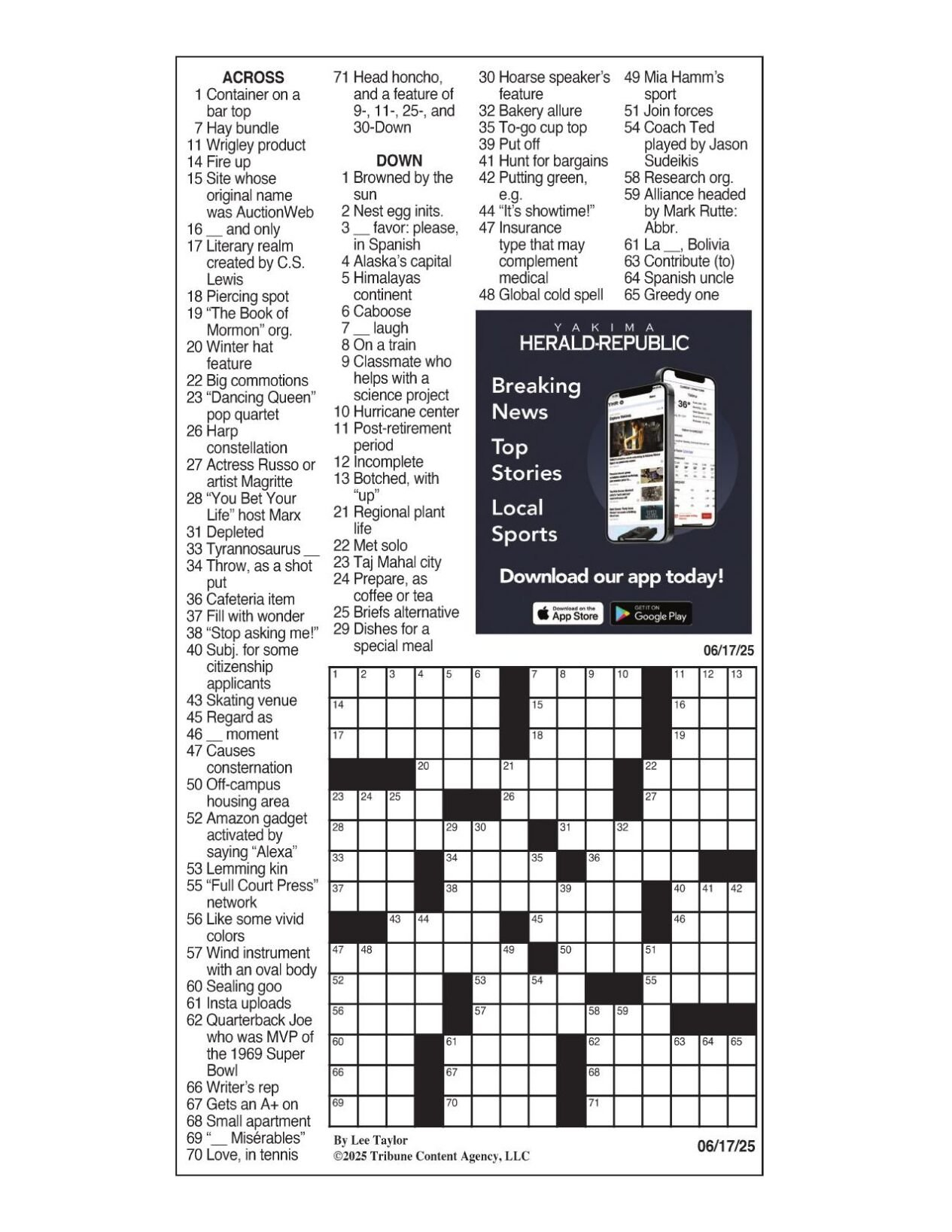
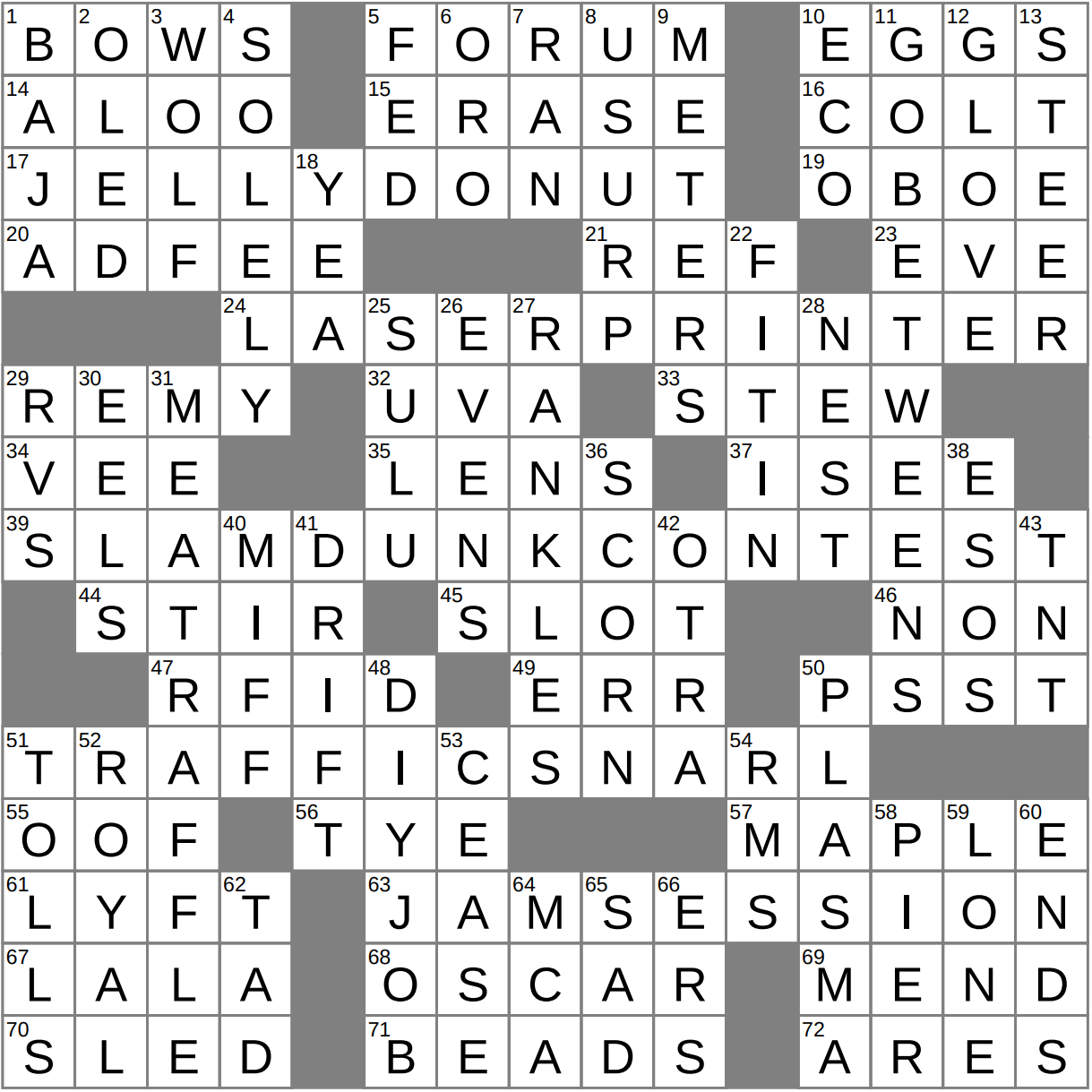
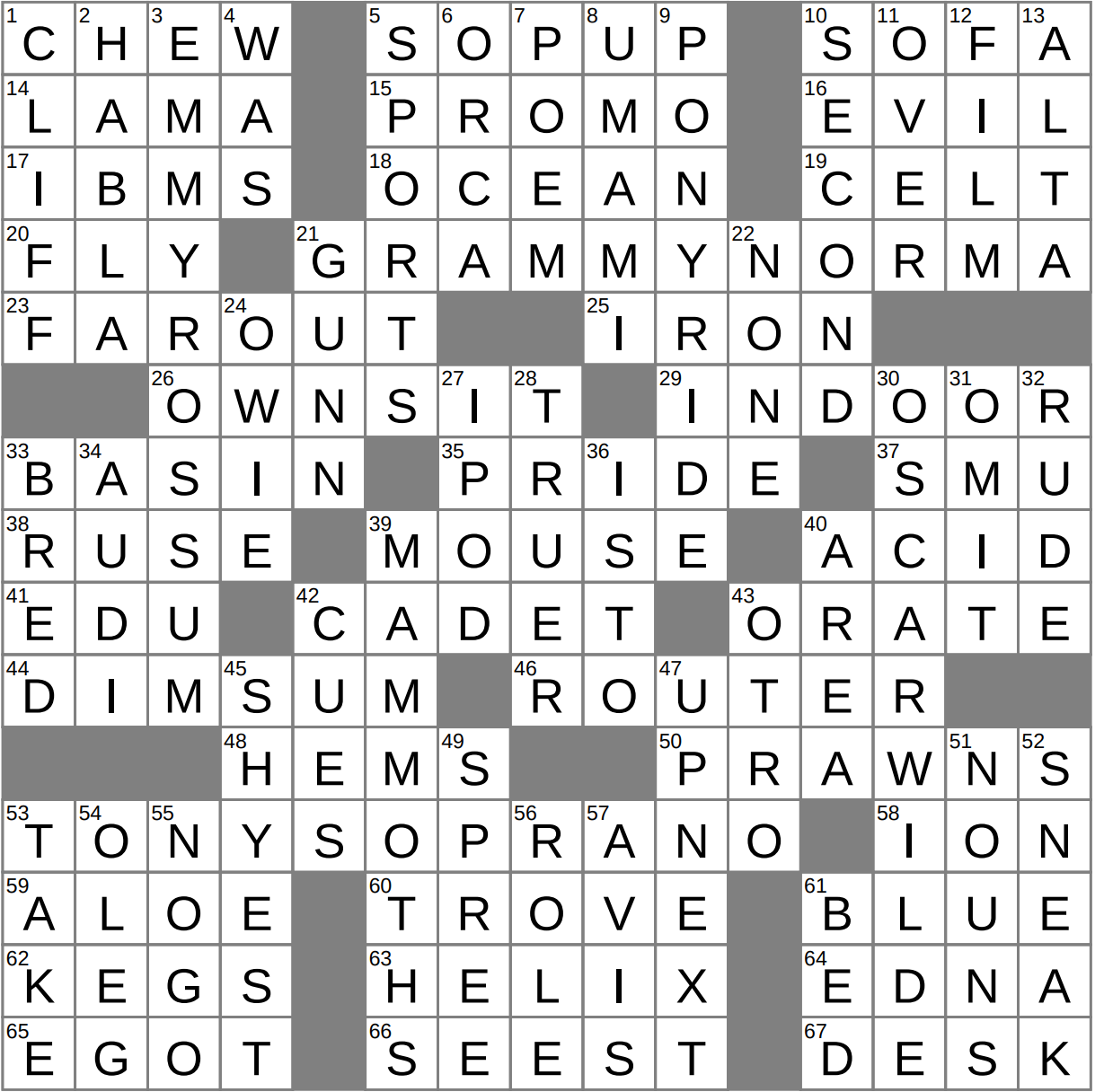
The Los Angeles Times crossword puzzle remains one of the most intellectually stimulating daily rituals for enthusiasts worldwide. As we navigate 2026, the complexity and thematic structure of the grid have evolved, demanding both a broader cultural vocabulary and an refined understanding of modern grid construction. This guide serves as your definitive resource for navigating the nuances of the LAT crossword, from parsing cryptic clues to mastering the evolving trends in clue-writing syntax.
Understanding the Anatomy of the 2026 LAT Grid
The Los Angeles Times crossword is renowned for its accessibility compared to more abrasive alternatives like the American Values Club or the cryptic-style British puzzles. However, even the most seasoned solvers occasionally face plateaus. In 2026, the editorial team has shifted toward a more contemporary lexicon, incorporating digital vernacular, climate terminology, and a broader representation of global cultural icons.
To effectively dismantle a modern grid, you must first recognize the structural patterns embedded by the constructors. Most daily puzzles follow a standard difficulty curve: Monday puzzles are straightforward and suitable for beginners, while the Saturday grids often utilize abstract wordplay and obscure trivia that require a sophisticated lateral thinking process.
The Hierarchy of Clue Difficulty
- Literal Definitions: Standard dictionary-based clues that require no wordplay.
- Fill-in-the-Blanks: Contextual phrases that rely on cultural knowledge or idioms.
- Wordplay Clues: These contain indicators (e.g., "?") suggesting puns, anagrams, or hidden word segments.
- Thematic Anchors: Long entries that tie the grid together, usually sharing a hidden commonality or grammatical quirk.
Strategic Approaches to High-Level Solving
Success in the 2026 competitive crossword scene is less about raw knowledge and more about identifying linguistic patterns. When you encounter a block, the primary error is continuing to stare at the same section. Shift your cognitive focus to a different quadrant to generate momentum.
The 2026 Solving Methodology
- Scanning for Low-Hanging Fruit: Always prioritize the shortest, most obvious clues (3-4 letters). These act as the scaffolding for the rest of your grid.
- Identifying Suffixes and Prefixes: Many grid entries are padded with common letter patterns such as ING, ED, ION, or the ever-present EST. If a clue feels like an adjective, look for these endings.
- Cross-Referencing Themes: If you suspect the theme, write it out on a scratchpad. In 2026, puzzles often incorporate multi-word thematic entries where the secret connection is revealed only in the final answer.
- The Vowel/Consonant Balance: If a long entry has multiple vowels, look for words containing A, E, or I early in the string to anchor the positioning.
Comparison of Crossword Solving Methodologies
The following table contrasts the traditional pen-and-paper methodology with the 2026 digital-first approach, which has become the industry standard for competitive solvers.
| Feature | Analog Solving | Digital Application (2026) |
|---|---|---|
| Correction Speed | High effort (erasing) | Instantaneous (undo/retype) |
| Search Assistance | Manual dictionary lookup | Integrated AI-assisted lexicon tools |
| Grid Analytics | Non-existent | Real-time time tracking and hint usage |
| Accessibility | Requires print delivery | Available globally on mobile/web |
| Error Handling | Subject to visibility | Automated check/reveal features |
Essential Skills for the Modern Solver
Beyond vocabulary, the 2026 puzzle environment rewards those who understand the "meta-data" of the grid. Constructors are increasingly using "clue-to-grid" ratios that favor pop culture awareness. If you struggle with specific categories, consider tracking your performance over a month to identify your weak spots.
Managing Linguistic Plateaus
When you find yourself stuck, employ the "check" function sparingly. Relying on it too often stifles the development of your internal cross-referencing capabilities. Instead, focus on the crossing letters. If you have three letters of a five-letter word, the remaining two are almost certainly common combinations. Prioritize vowels when you have a high density of consonants to clear the grid blockage.
Operational Insight for 2026 Solvers
Data Integrity and Consistency: Do not assume that old definitions apply to new grids. Vocabulary is dynamic. Terms that were considered obscure in 2020 are now common parlance in 2026. Keep a log of new terminology you learn from your daily sessions to build your mental library for future, more challenging puzzles.
Frequently Asked Questions About the LAT Crossword
How can I improve my solving speed in 2026?
Focus on pattern recognition rather than reading definitions. By identifying the grid's structure—such as common letter sequences and thematic hinges—you can fill in long entries before reading the entire clue.
Are digital aids considered cheating?
In the context of personal enrichment, digital aids are simply tools for improvement. Using them to "check" a single letter after a period of intense thought is an effective way to learn without ruining the experience of finishing the puzzle.
Why do the clues sometimes feel so obscure?
The Los Angeles Times aims for a diverse audience. What feels like obscure trivia to one solver may be general knowledge to another, reflecting the broad range of contributors who design these grids.
Is there a standard way to practice for harder grids?
Consistency is key. Practice with Monday and Tuesday grids to build confidence before attempting the Saturday puzzles. Consistent engagement with the format is the fastest way to internalize the logic of the constructors.
How are 2026 puzzles different from previous years?
Puzzles in 2026 feature a higher integration of global technology, climate science, and modern digital terminology. The grid construction is generally more fluid, moving away from archaic trivia toward contemporary relevance.
Cultivating Long-Term Intellectual Growth
The pursuit of the crossword is a pursuit of mental dexterity. By committing to the daily ritual throughout 2026, you are not merely filling in squares; you are engaging in a rigorous exercise of semantic retrieval and lateral association. Treat every grid as a diagnostic tool for your own knowledge base. When you encounter a word that stumps you, research it thoroughly. Understanding the etymology of a new word ensures that it will remain in your long-term memory, turning a temporary failure into a permanent asset.
As you progress through the year, track your performance metrics. If you find your average completion time on a Wednesday grid drops by even ten percent, you are successfully expanding your linguistic network. Maintain this discipline, and you will find that even the most formidable Saturday puzzles become approachable challenges.