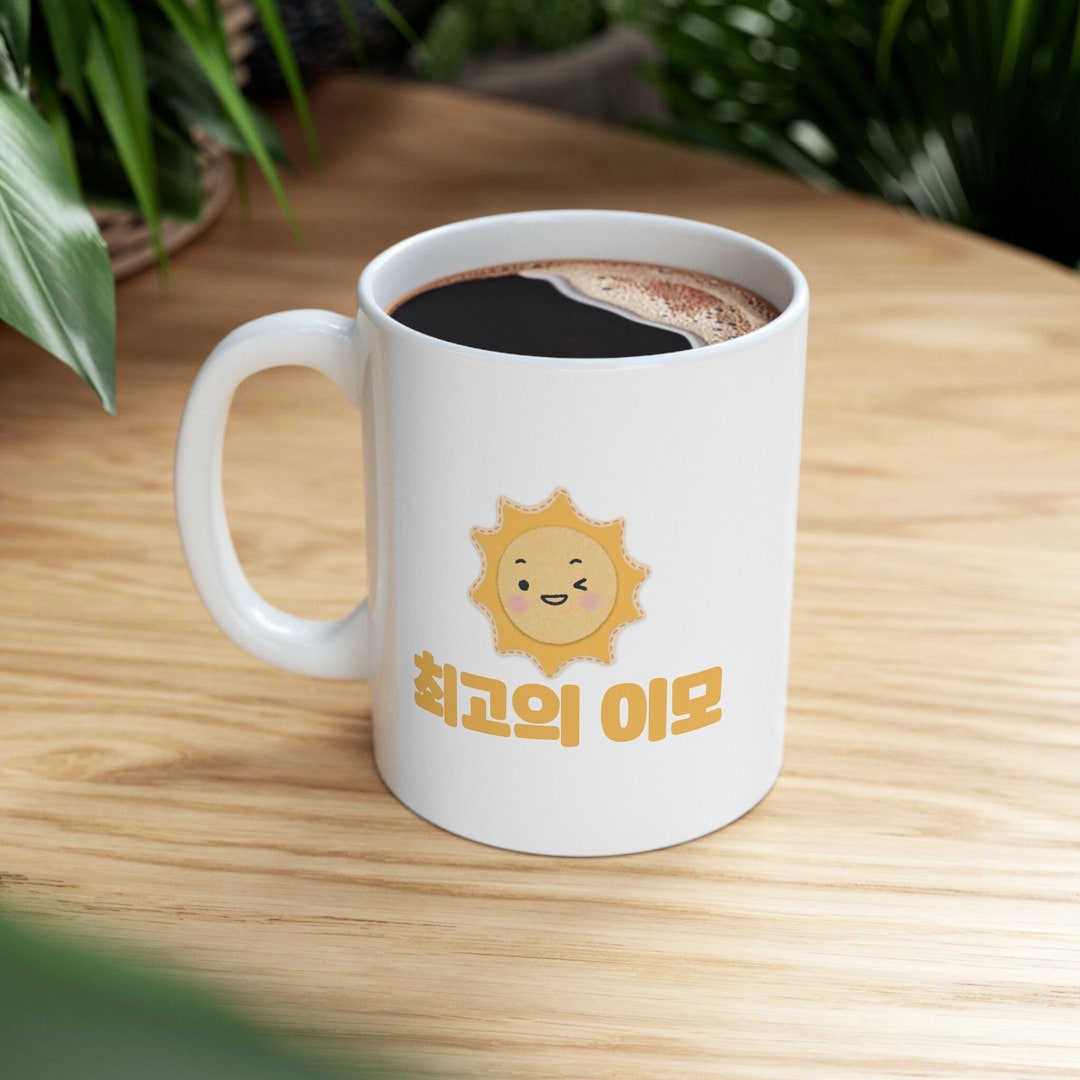
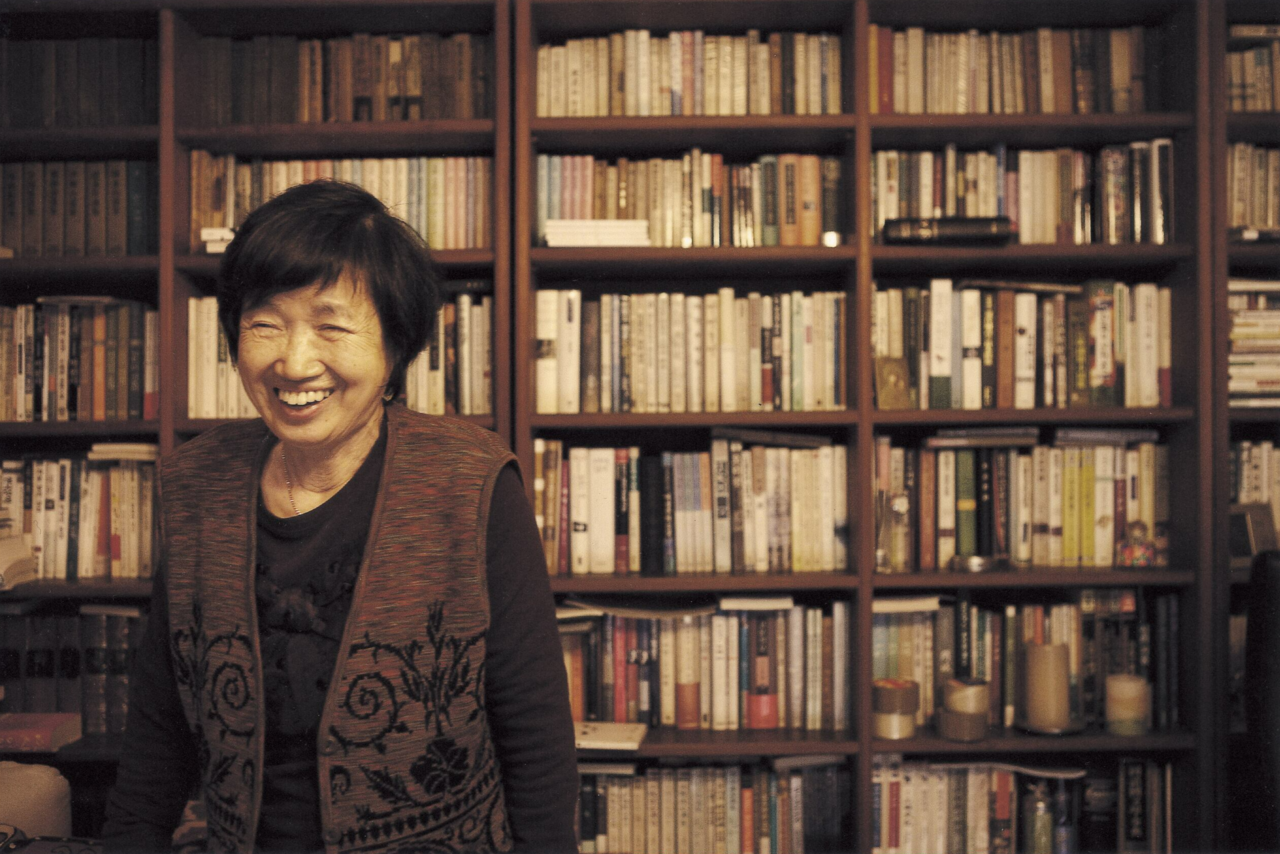
The term "Korean aunt" (often expressed affectionately as Imo or Ajuumma) serves a dual purpose in modern lexicon. On one hand, it refers to a literal maternal or paternal aunt within Korean familial structures. On the other hand, it has evolved into a prominent cultural archetypal figure representing maternal warmth, culinary expertise, unmatched bargaining skills, and unapologetic social directness in Korean society and global diaspora communities as of 2026. Navigating this cultural touchstone requires understanding traditional family hierarchies, generational shifts, and the profound economic and social impact these women hold in contemporary settings.
Linguistic Roots and Familial Classifications of the Korean Aunt
Within traditional Korean culture, kinship terminology is exceptionally precise. Addressing an aunt requires navigating whether she is on the mother's or father's side, and whether she is older or younger than the parent. This linguistic nuance shapes family dynamics and establishes immediate social expectations.
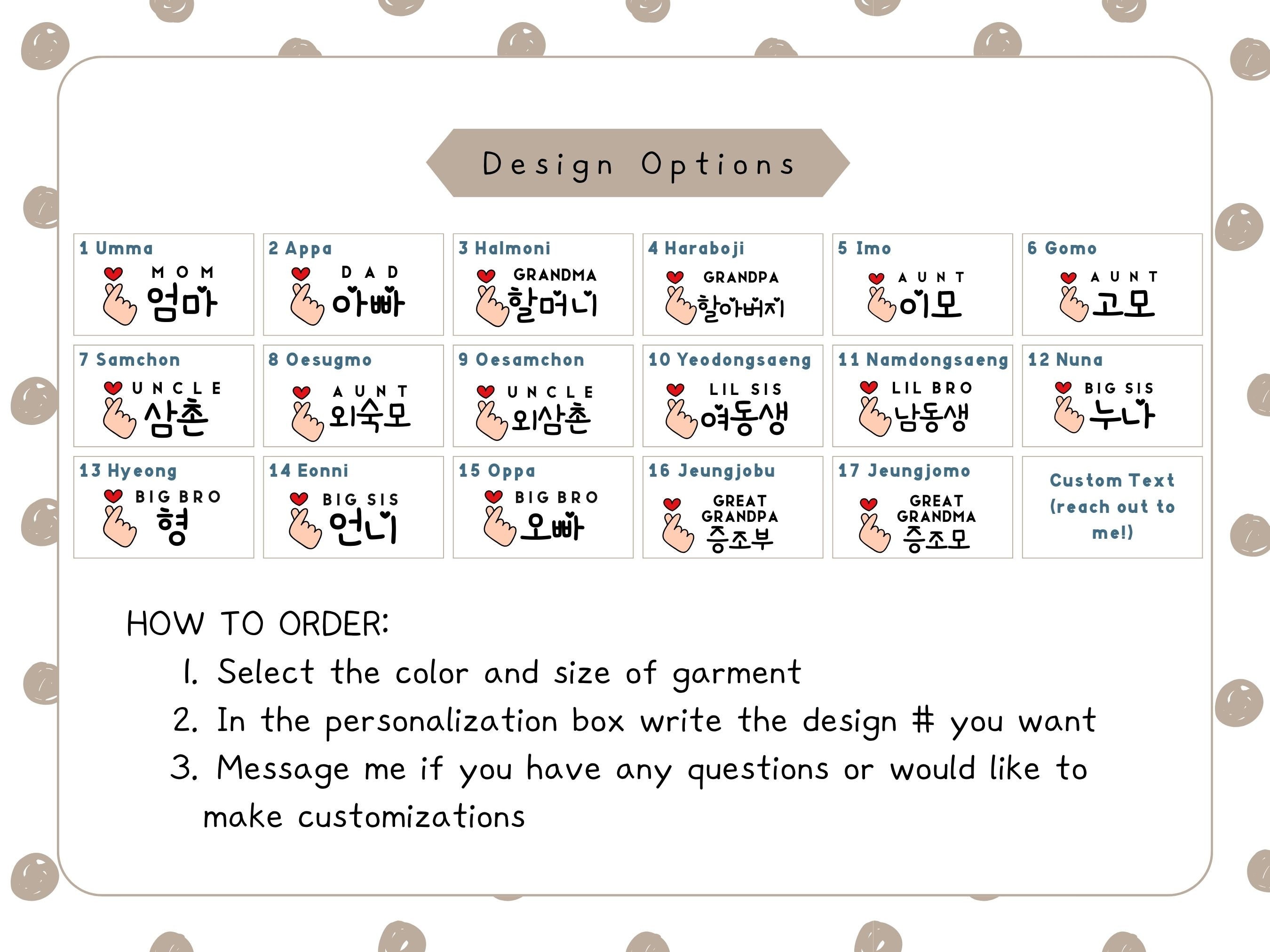
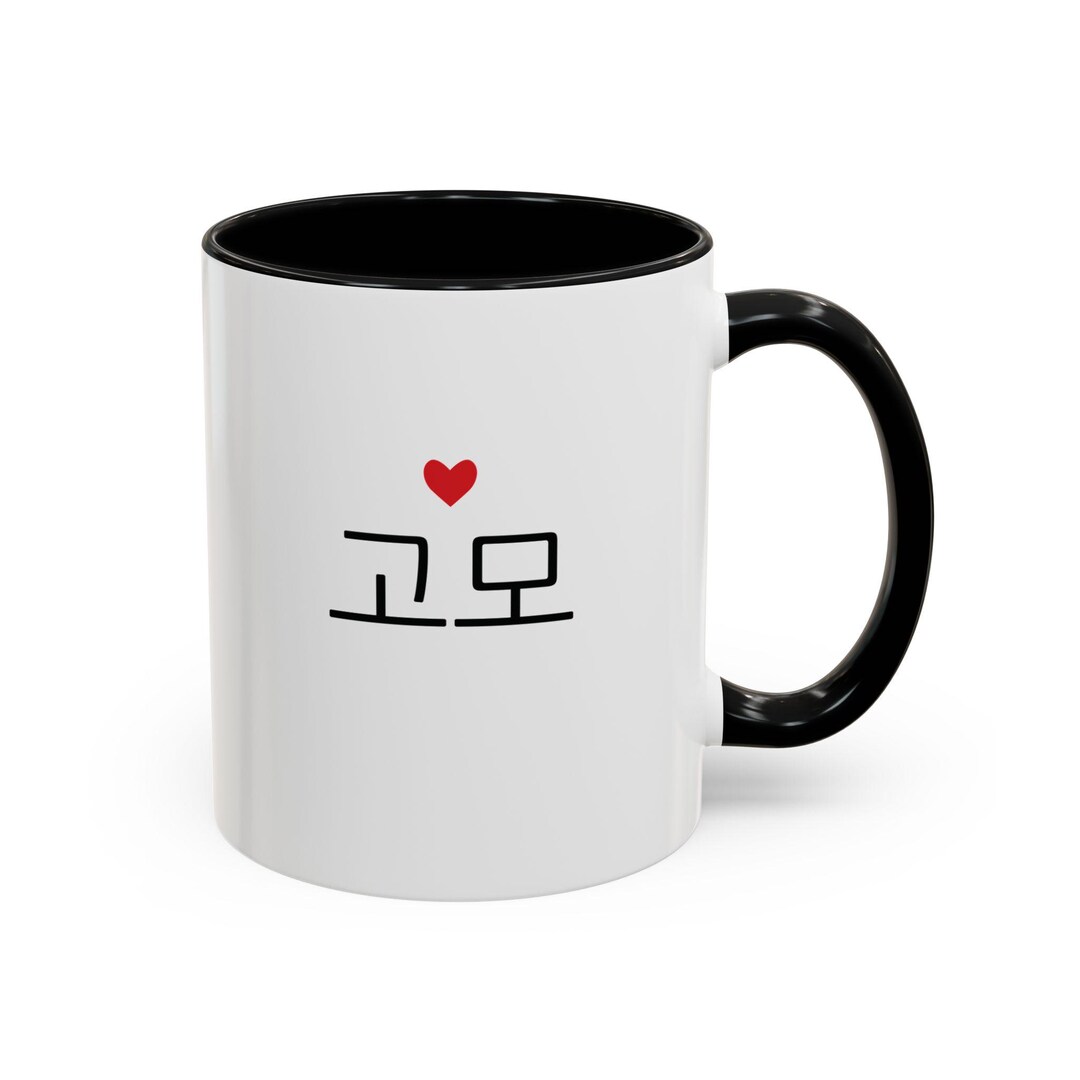
- Gomo (고모): The sister of one's father. Historically, the Gomo often held a secondary maternal role in patriarchal households, though modern 2026 nuclear families experience more egalitarian dynamics.
- Emo (이모): The sister of one's mother. The term Imo carries an innate warmth, frequently extended to friendly restaurant owners or neighborhood figures, denoting an approachable, motherly caretaker.
- Samchon-daek and Other Affinal Titles: Aunts by marriage (wives of uncles) are traditionally addressed by appending -daek to the ancestral home of the uncle, though modern urban families increasingly streamline these titles.
The Cultural Evolution of the "Ajuumma" and the Modern Korean Aunt
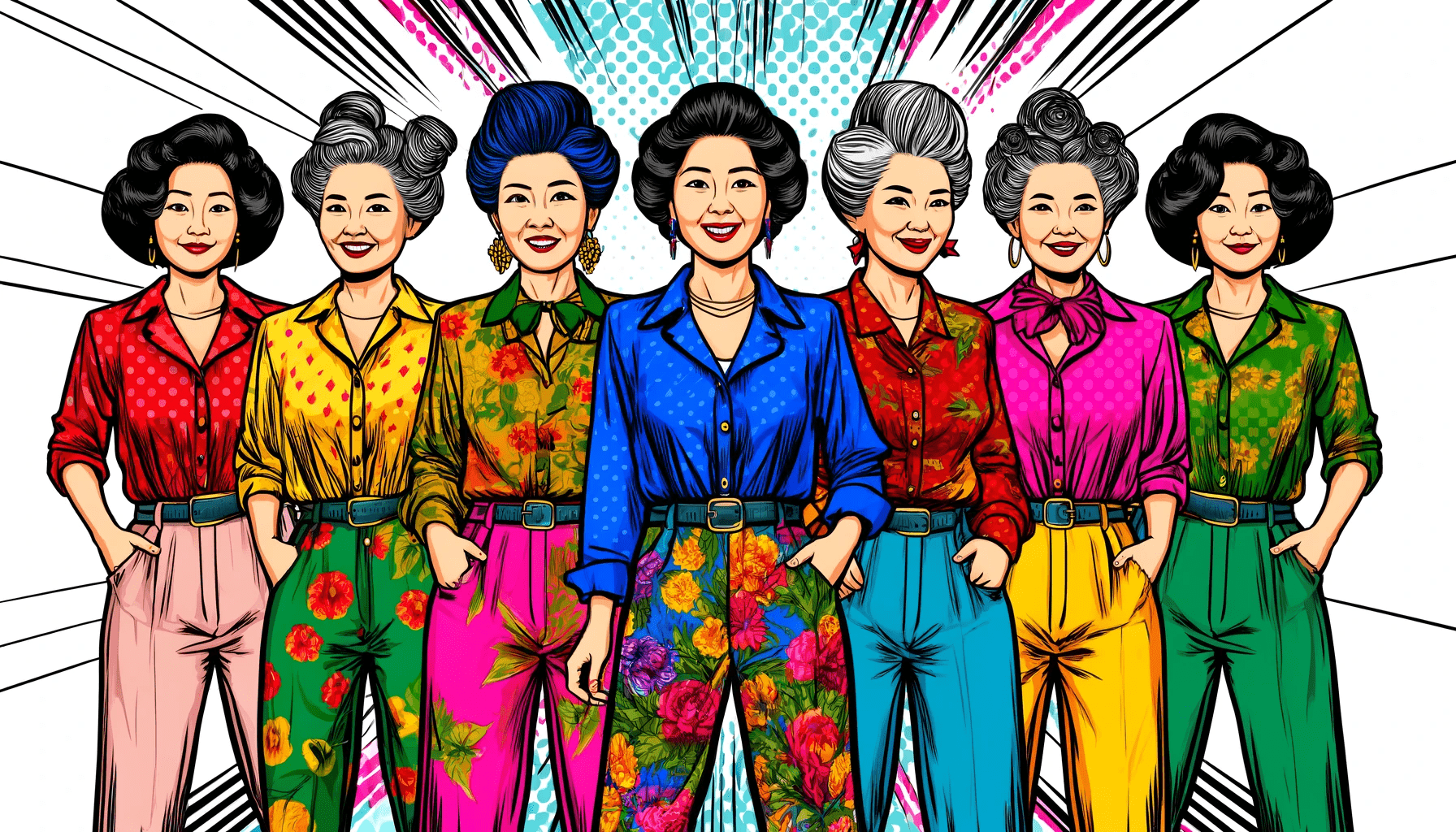
Beyond biological definitions, the societal archetype of the mature Korean woman—often generalized colloquially as the Ajuumma—has undergone significant redefinition by 2026. Once stereotyped solely as loud bargain hunters on public transit, modern Korean aunts are now recognized as powerful economic consumers, trendsetting travelers, and the backbone of small-scale entrepreneurial enterprises across Seoul, Los Angeles, Toronto, and beyond.
Sociologists note several defining behavioral and lifestyle characteristics that separate the traditional archetype from the modern 2026 counterpart:
Generational Transformation The modern Korean aunt embraces digital literacy, K-pop fandoms (often dubbed fangirl ajumma supporting groups like BTS or Lim Young-woong), and high-intensity health regimens like mountain hiking and pilates, shifting away from passive domesticity toward active lifestyle participation.
Culinary Guardianship: The Restaurant "Imo" Phenomenon
In the vibrant landscape of Korean dining, the term Imo transcends familial lines. When a diner calls out "Imo!" in a bustling pocha (tent bar) or a traditional barbecue restaurant, they are addressing the quintessential matriarch of the floor.
These women are the operational engines of Korean gastronomy. Their role involves more than taking orders; they curate the dining experience, offer unsolicited (yet usually correct) advice on how to grill pork belly, and frequently dispense complimentary side dishes (banchan) based on customer rapport. In 2026, the restaurant Imo is celebrated in culinary media as the ultimate symbol of authentic, unpretentious Korean hospitality.
Comparative Analysis: Traditional Expectations vs. Modern Realities
To fully comprehend the shift in how the Korean aunt operates in contemporary society, consider the following structural comparison:
| Attribute | Traditional Era (Late 20th Century) | Modern Era (2026 Context) |
|---|---|---|
| Primary Domain | Domestic labor, household management, child-rearing. | Entrepreneurship, corporate leadership, active leisure, digital commerce. |
| Social Autonomy | Restricted by patriarchal family registry (hoju) systems. | Fully independent legal status, high financial literacy, self-directed travel. |
| Public Persona | Unapologetic assertiveness often viewed through a narrow, stereotypical lens. | Celebrated cultural icons representing resilience, adaptability, and high emotional intelligence. |
| Technological Adaptation | Skeptical of digital tools; relied on traditional print and word-of-mouth. | Heavy users of mobile payment apps, social media, and global communication networks. |
Step-by-Step Guide: How to Properly Address and Interact with a Korean Aunt
Navigating interactions with an older Korean woman requires a blend of cultural awareness and respectful etiquette. Missteps can easily be interpreted as dismissiveness. Follow these structured steps to ensure harmonious engagement:
- Establish Correct Terminology: Determine if she is an actual relative (Gomo or Emo) or an acquaintance. If she is a family friend older than your parents, use Imo-nim to add the honorific suffix -nim.
- Observe Age-Based Etiquette: Korean culture places immense weight on seniority. Always receive items (such as a business card, gift, or payment) using two hands.
- Acknowledge Culinary Expertise: If interacting with an Imo in a dining establishment, express genuine appreciation for the food. Complimenting the seasoning of the kimchi or the tenderness of the meat instantly builds positive rapport.
- Embrace Direct Communication: Korean aunts are known for directness regarding health, weight, and life choices. Do not view unsolicited advice as hostile; it is culturally coded as a sign of deep personal investment and care.
- Maintain Reciprocity: In familial settings, older aunts often insist on paying for meals or giving monetary gifts (seollal or chuseok allowances). Politely decline once, but graciously accept if pressed, ensuring you return the favor through thoughtful gifts later.
Frequently Asked Questions
What does "Imo" mean in Korean culture?
Literally translating to maternal aunt, "Imo" is a term of endearment used both for family members and for friendly, motherly women operating service businesses. It fosters an immediate sense of familial warmth and comfort.
Why are Korean aunts stereotyped as assertive?
Decades of navigating post-war economic reconstruction, patriarchal societal structures, and grueling family management forged a resilient, vocal, and pragmatic generation of women who refuse to be sidelined.
Is the term "Ajuumma" considered derogatory?
While historically carrying domestic or unfashionable connotations, the term's usage depends heavily on context and tone. Many modern women reclaim the identity with pride, highlighting their strength, financial independence, and community leadership.
How has the lifestyle of the older Korean generation changed by 2026?
Today's mature Korean women enjoy higher disposable incomes, greater longevity, active participation in fitness and wellness culture, and extensive domestic and international travel, redefining aging in East Asia.
Can anyone call a restaurant server "Imo"?
Yes, it is common practice in casual Korean dining establishments to address female servers or owners as Imo to create a friendly, welcoming atmosphere, though upscale restaurants require more formal titles like Jeogiyo (Excuse me) or formal honorifics.
What is the economic significance of this demographic in 2026?
Middle-aged and older Korean women represent a massive consumer block driving retail, health supplements, travel, and entertainment markets, commanding substantial purchasing power in the modern economy.
Conclusion
The figure of the Korean aunt, whether experienced through blood ties or found in the bustling corners of a neighborhood eatery, remains a cornerstone of Korean cultural identity. Balancing fierce independence with nurturing warmth, this archetype bridges the gap between historical resilience and modern 2026 dynamism. Understanding and respecting the multifaceted nature of the Korean aunt offers profound insight into the social fabric and enduring spirit of Korean communities worldwide.