Kitco.com serves as the primary global nexus for precious metals data, providing the foundation for valuation in the 2026 commodities market. As institutional and retail investors navigate the complexities of a post-inflationary economy, understanding how to interpret live spot prices, technical charts, and market sentiment on Kitco is essential for capital preservation and tactical asset allocation.
The Evolution of Precious Metals Markets in 2026
The fiscal landscape of 2026 has redefined the role of gold and silver as more than just "safe haven" assets. Following the stabilization of interest rates by major central banks in late 2025, gold has cemented its position as a core Tier 1 reserve asset. Kitco.com remains the most accessed platform for reconciling the London Fix with real-time New York (COMEX) and Hong Kong (HKEX) trading sessions.
In 2026, market participants are particularly focused on the "Green Transition" impact on silver. While gold remains a monetary hedge, silver’s dual identity as an industrial metal—critical for 2026-generation photovoltaic cells and advanced EV battery arrays—has led to unprecedented volatility. Kitco's live price feeds allow traders to monitor these fluctuations with millisecond precision, ensuring that the bid-ask spread remains transparent for physical bullion transactions and paper-backed derivatives.
Navigating Kitco.com: Technical Interpretation of Live Charts
Kitco.com’s interface in 2026 offers deep-layer data that requires technical proficiency to utilize fully. Investors must distinguish between the "Spot Price" and the "Futures Price," as the convergence of these figures often dictates the short-term direction of the market.
Technical Understanding of the Bid-Ask Spread
The Bid price represents the maximum price a buyer is willing to pay for gold or silver at a specific moment on the Kitco interface. This is the price you receive when selling bullion back to a dealer.
The Ask price is the minimum price at which a seller is willing to part with the metal. The difference between these two, known as the spread, indicates the current liquidity of the market. In 2026, high-liquidity environments typically show a gold spread of less than 0.05 percent, while silver may see slightly wider margins due to industrial demand spikes.
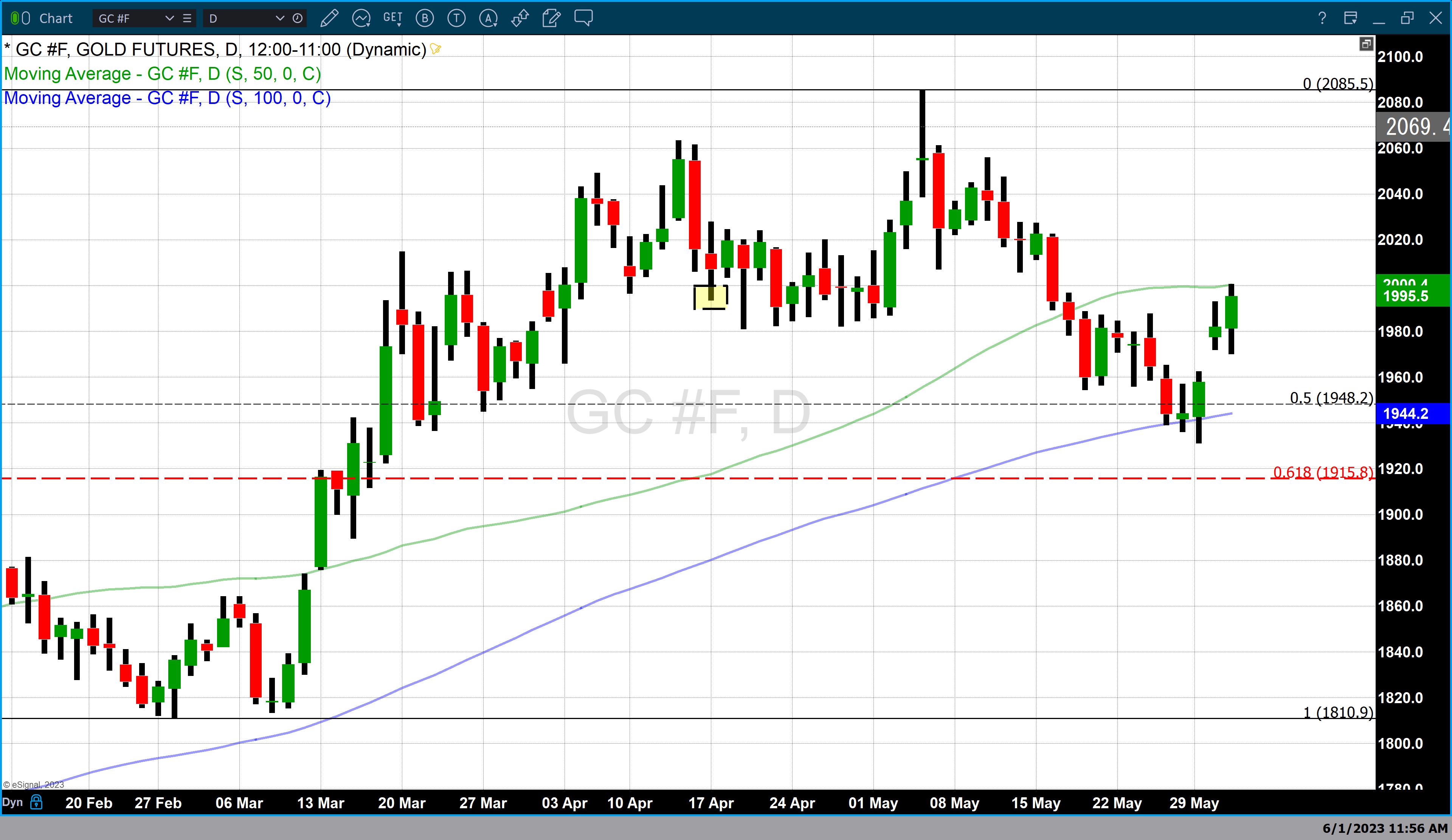
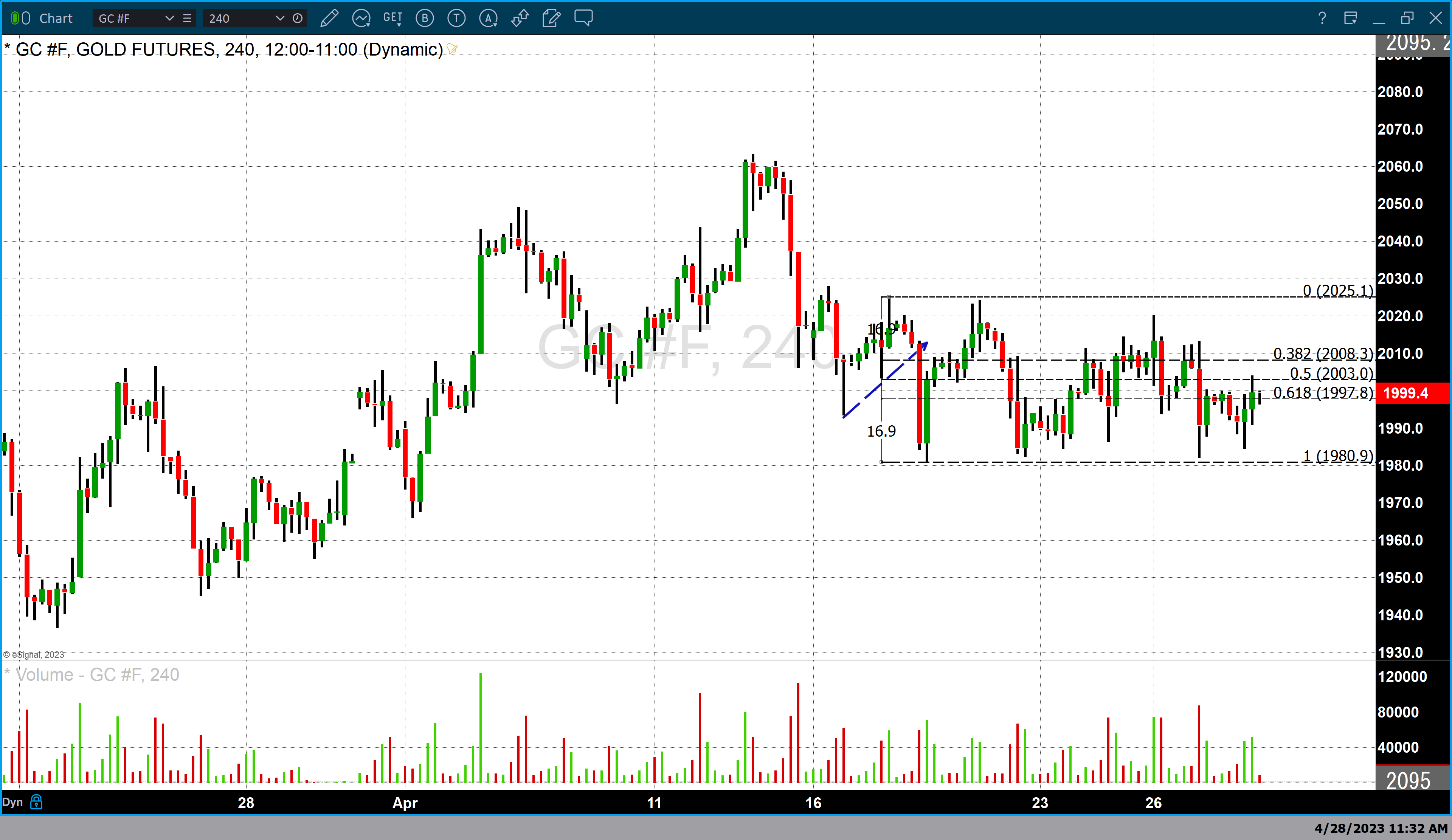
To maximize the utility of Kitco’s 2026 charting tools, users should focus on the 24-hour global gold chart. This chart aggregates data from major trading hubs, showing the "Kitco Gold Index" (KGX). The KGX is vital because it filters out currency fluctuations, showing the value of gold based strictly on buying and selling pressure rather than the strength or weakness of the U.S. Dollar.
2026 Comparison: Gold and Silver Investment Vehicles
Choosing how to interact with the prices found on Kitco depends on an investor's risk tolerance and liquidity requirements. The following table compares the primary methods of exposure to precious metals in 2026 based on Kitco’s benchmark data.
| Investment Type | Pricing Basis | 2026 Liquidity Rating | Storage Requirements | Primary Advantage |
|---|---|---|---|---|
| Physical Bullion | Spot + Dealer Premium | Moderate | High (Vault/Safe) | Zero counterparty risk |
| Gold/Silver ETFs | Intraday NAV | Very High | None (Digital) | Immediate trade execution |
| Mining Equities | Leveraged to Spot | High | None (Brokerage) | Potential for dividends |
| Digital Gold (Blockchain) | 1:1 Spot Tracking | High | Digital Wallet | Fractional ownership ease |
| COMEX Futures | Future Delivery Price | Extreme | None (Margin-based) | High leverage for hedging |
The Impact of 2026 Macroeconomics on Silver and Gold
The 2026 economic environment is characterized by the diversification of central bank reserves away from traditional fiat currencies. This "de-dollarization" trend, which accelerated in early 2025, has placed Kitco’s real-time data at the center of international trade settlements.
- Central Bank Accumulation: In 2026, central banks in emerging markets have increased their gold reserves by an average of 12% year-over-year. When Kitco reports a "Breakout," it is often driven by institutional volume rather than retail speculation.
- The Gold-Silver Ratio: Historically, this ratio hovered around 60:1 or 80:1. In 2026, due to the extreme industrial deficit in silver production, the ratio has shown signs of narrowing. Analysts on Kitco frequently use this ratio to determine if silver is undervalued relative to gold.
- Inflation-Adjusted Pricing: While nominal prices may reach record highs in 2026, Kitco’s historical tools allow investors to view "Real Prices." This adjusts the current spot price against 2026 CPI data, providing a clearer picture of whether gold is truly gaining purchasing power.
Technical Indicators for Precious Metals Trading
Sophisticated users of Kitco.com do not rely on price alone. They utilize specific technical indicators to forecast market movements.
The Moving Average (MA) Convergence: In the 2026 market, the 50-day and 200-day moving averages are the most watched metrics on Kitco’s technical charts. A "Golden Cross," where the 50-day MA moves above the 200-day MA, serves as a strong bullish signal for gold. Conversely, a "Death Cross" suggests a period of consolidation or a bear market.
RSI (Relative Strength Index): The RSI on Kitco’s charts helps identify overbought or oversold conditions. In 2026, an RSI above 70 for silver often precedes a technical correction, as day traders take profits from industrial-driven rallies. An RSI below 30 typically indicates a prime buying opportunity for long-term holders.
Safety, Legitimacy, and Data Integrity
Kitco.com is not merely a news site; it is a data aggregator that pulls directly from the world’s leading bullion exchanges. Its legitimacy is cemented by its longevity and its role as a price discovery mechanism for thousands of local coin shops and global mints.
Verification of Market Authenticity
Data Sources: Kitco sources its pricing from the COMEX (CME Group), the LBMA (London Bullion Market Association), and the NYMEX. This ensures that the prices displayed reflect actual transactions in the professional wholesale market.
Pricing Accuracy: In 2026, Kitco utilizes redundant API feeds to ensure that even during periods of extreme market volatility or high web traffic, the price data remains accurate within a 10-second window of the actual global spot price.
Expert Strategies for Using Kitco Data in 2026
As a Senior Technical SEO Strategist and Market Analyst, I recommend a multi-layered approach to using Kitco’s resources:
- Monitor the London Fix: Check Kitco at 10:30 AM and 3:00 PM London time. These are the benchmarks used by the largest institutions to price massive physical transfers.
- Analyze "Lease Rates": Look at Kitco’s data on gold and silver lease rates. If lease rates rise sharply, it indicates a shortage of physical metal in the professional vaults, which often leads to a price spike.
- Utilize the Kitco App for Alerts: Set volatility alerts for 2% intraday moves. In 2026’s high-speed trading environment, being alerted to a price break before it hits mainstream news is the difference between profit and loss.
Frequently Asked Questions regarding Kitco Prices
What is the difference between the Kitco spot price and the price at a local dealer? The Kitco spot price represents the wholesale price for 400-ounce gold bars or 1,000-ounce silver bars traded in the professional markets. Local dealers add a "premium" to this price to cover their overhead, shipping, insurance, and profit margin, which in 2026 typically ranges from 2% to 5% for gold and 10% to 20% for silver.
Why does the gold price on Kitco stay the same on weekends? Global precious metals markets generally close on Friday afternoon (EST) and reopen on Sunday evening (EST). During this weekend hiatus, the price on Kitco remains static unless there is significant "after-hours" or "over-the-counter" (OTC) activity that the platform chooses to report during Sunday's market open in Asia.
How accurate is the Kitco silver price for industrial recycling? Kitco is the standard benchmark for the recycling industry in 2026. Refiners typically pay a percentage of the Kitco spot price (e.g., 90% to 98%) depending on the purity of the scrap metal and the volume being processed.
Does Kitco.com sell gold and silver directly? Yes, Kitco operates a prominent bullion dealership. However, their news and data division operates with editorial independence to provide objective market data regardless of their retail inventory levels.
Is the Kitco Gold Index (KGX) better than the USD spot price? The KGX is superior for analyzing the intrinsic value of gold because it measures gold against a basket of currencies. If the USD is exceptionally strong in 2026, the USD spot price might stay flat even if gold's value is rising globally; the KGX reveals this underlying strength.
What causes the "Kitco screamers" or sudden price alerts? In 2026, these are typically triggered by algorithmic trading bots responding to Federal Reserve announcements, geopolitical shifts in the Middle East or Asia, or sudden changes in the U.S. Treasury yield curve.
Conclusion: Mastering the 2026 Bullion Market
Success in the 2026 precious metals market requires a synthesis of real-time data, technical analysis, and an understanding of macroeconomic shifts. Kitco.com provides the necessary toolkit for this endeavor. By monitoring the bid-ask spreads, staying abreast of the gold-silver ratio, and utilizing professional-grade charts, investors can navigate the volatility of the current year with confidence. Whether you are hedging against currency devaluation or speculating on industrial silver demand, the data on Kitco remains the definitive source for price discovery and market intelligence.