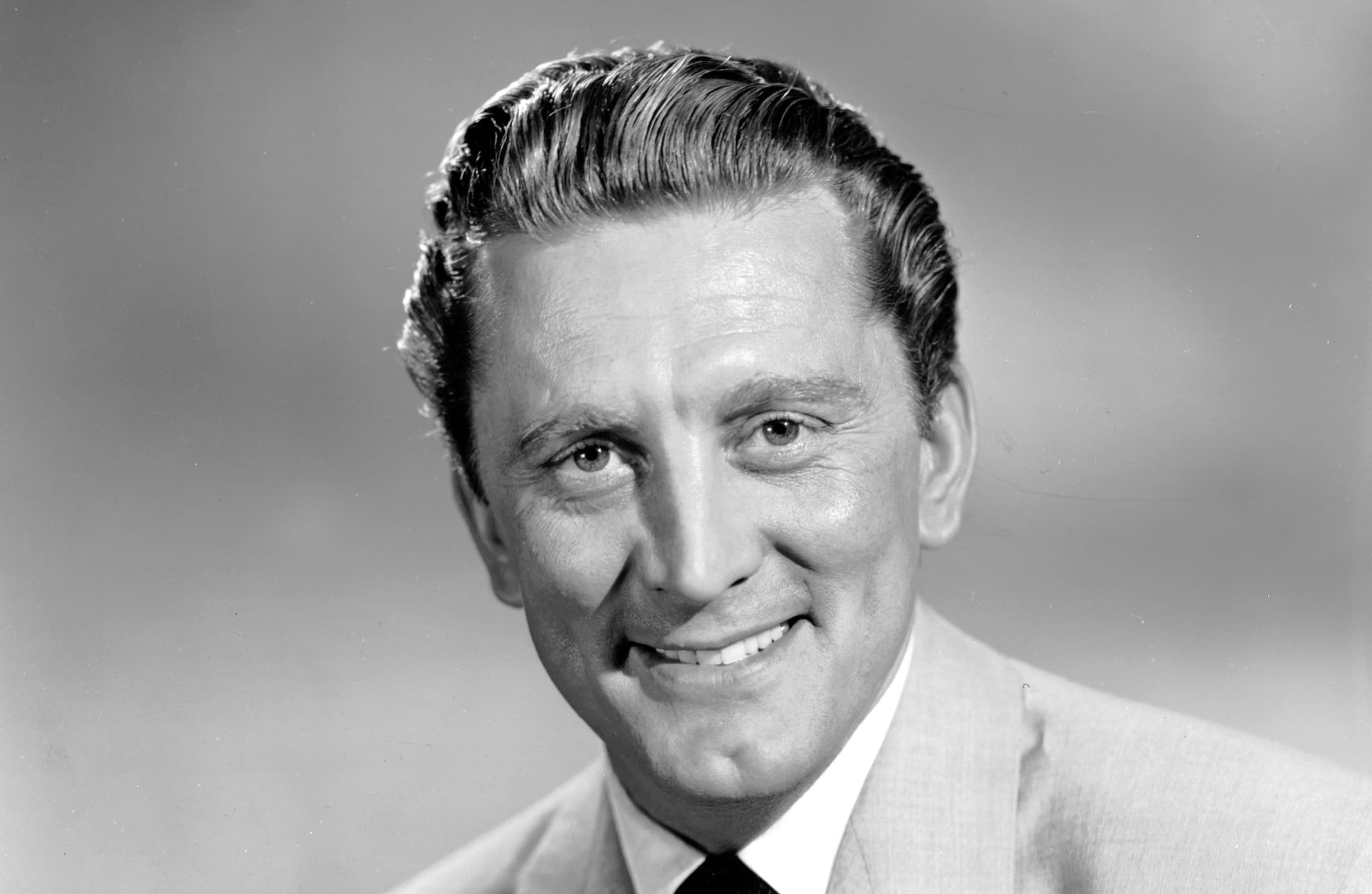
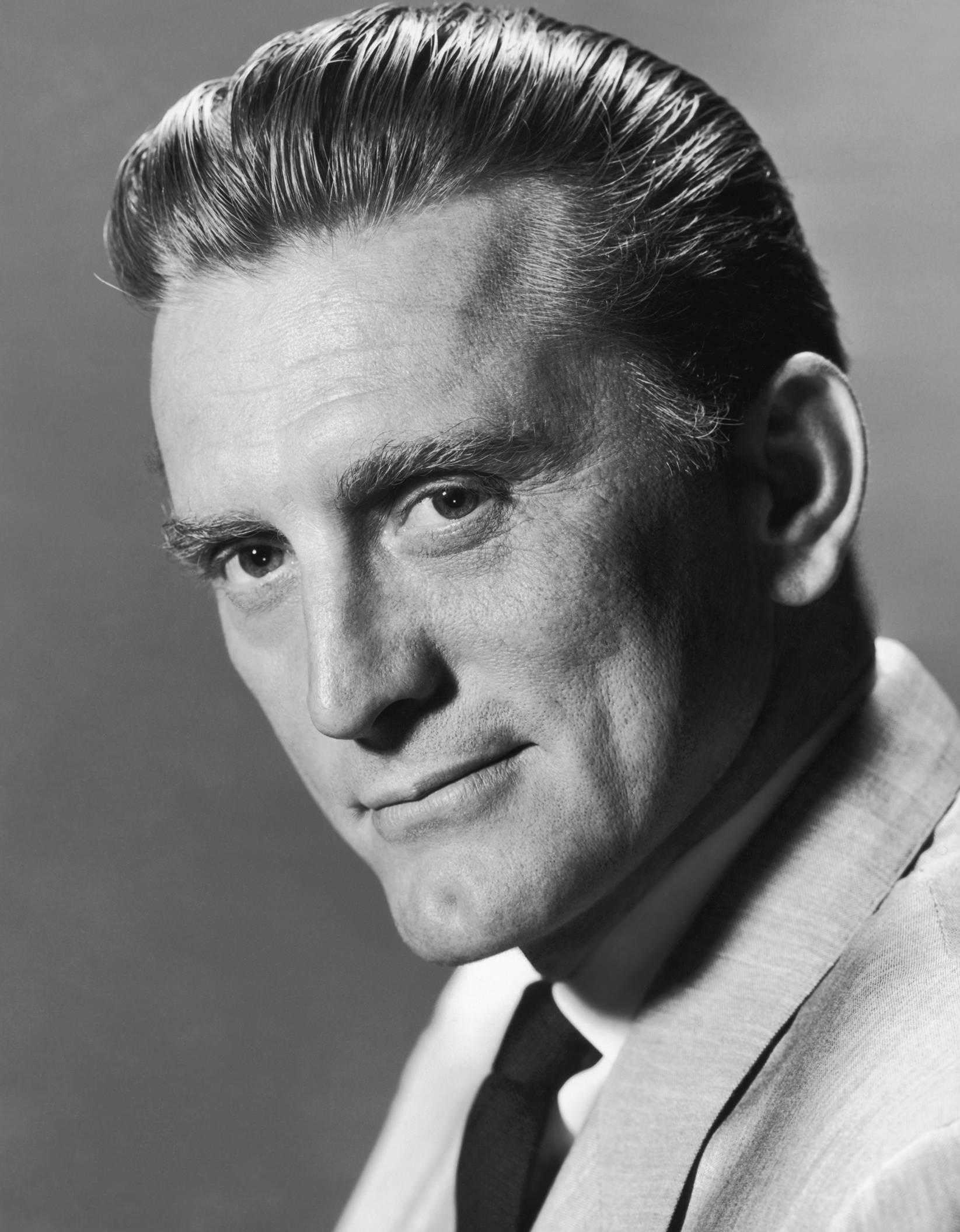
As of 2026, the legacy of Kirk Douglas remains a cornerstone of cinematic history, marking what would have been the 110th birth anniversary of the man who personified the "Golden Age" of Hollywood. While Kirk Douglas passed away on February 5, 2020, at the remarkable age of 103, his influence on acting, the business of film production, and civil rights within the industry continues to be studied by historians and film enthusiasts alike. To clarify for those researching current Douglas family milestones: this analysis focuses on the patriarch Kirk Douglas (1916–2020), distinct from his son, Academy Award winner Michael Douglas, who remains active in the industry today.
Understanding the "age" of Kirk Douglas involves more than a simple chronological calculation. It requires an exploration of a century-long journey that spanned the Great Depression, the height of the studio system, the breaking of the Hollywood Blacklist, and a resilient final act that redefined aging in the public eye. In 2026, his story serves as a primary case study in career longevity and the physical preservation of a performance-based brand.
The Chronology of a Century: A Life in Milestones
Born Issur Danielovitch on December 9, 1916, in Amsterdam, New York, Douglas was the son of impoverished Jewish immigrants. His trajectory from "the ragman’s son" to a global icon is a narrative of grit and physical prowess. By the time he reached his 100th birthday in 2016, he had become one of the last remaining links to the classical Hollywood era.
The longevity of Kirk Douglas was not merely a matter of genetics but a testament to a rigorous lifestyle and a refusal to yield to the limitations of age. Even after a debilitating stroke in 1996 at age 79, Douglas spent the next 24 years of his life relearning to speak and continuing to write, proving that the "Spartacus" spirit was not just a screen persona but a personal reality.
Critical Career Phases by Age
| Life Phase | Age Range | Key Milestone or Film | Historical Impact |
|---|---|---|---|
| Early Years | 0–29 | WWII Service (US Navy) | Shaped his disciplined approach to acting. |
| The Breakthrough | 30–33 | Champion (1949) | Earned his first Academy Award nomination. |
| The Icon Era | 40–44 | Spartacus (1960) | Effectively ended the Hollywood Blacklist. |
| Mature Career | 50–70 | The Man from Snowy River | Transitioned into respected elder statesman roles. |
| The Resilient Era | 79–103 | Stroke Recovery & Authorship | Published "My Stroke of Luck" and philanthropic work. |
| Posthumous Legacy | 104–110 | 2026 Centennial+ Research | Modern digital restoration of his filmography. |
Longevity and Health: The "Douglas Effect" on Aging
In 2026, gerontologists and biographers often point to Douglas as a model for "successful aging." His ability to maintain cognitive function and a public presence past the age of 100 was rare for his generation.
The Neurological Recovery Model
Following his 1996 stroke, Kirk Douglas utilized intensive speech therapy and a positive psychological framework to overcome severe aphasia. His journey is frequently cited in 2026 medical journals as a benchmark for neuroplasticity in geriatric patients. Instead of retreating from the public eye, he used his age and his "new voice" to advocate for stroke survivors, demonstrating that productivity does not end with a medical crisis.
His physical health was bolstered by a lifelong commitment to fitness. Douglas was known for doing his own stunts long into his 50s, a practice that built a musculoskeletal foundation that supported him well into his centenarian years. In the 2026 landscape of health and wellness, his regime—which balanced high-protein diets with consistent, moderate weight training—is viewed as a precursor to modern longevity protocols.
Evaluating the Douglas Legacy: Pros and Cons of the "Old Hollywood" Model
To analyze Kirk Douglas's career through a 2026 lens, one must weigh the traditional studio system he navigated against the independent spirit he eventually pioneered.
Advantages of the Douglas Career Path
- Creative Autonomy: By founding Bryna Productions (named after his mother) at a relatively young age, he took control of his career, a move that was revolutionary in the 1950s.
- Moral Courage: His decision to give screen credit to Dalton Trumbo for Spartacus is recognized in 2026 as the definitive blow against the McCarthy-era Blacklist.
- Philanthropic Sustainability: The Douglas Foundation, which has donated over $100 million to causes like the Motion Picture & Television Fund, ensures his influence remains tangible six years after his passing.
Challenges and Criticisms
- The Intense Archetype: Douglas was known for a "difficult" intensity on set. In the 2026 professional environment, his aggressive acting style and demanding nature might be viewed through a more critical HR lens compared to the 1950s.
- Typecasting: His physical age eventually conflicted with his "tough guy" brand, making the transition to character roles in the 1980s a difficult professional pivot.
The Technical Artistry of Aging on Film
Douglas’s filmography provides a visual record of the human aging process under the scrutiny of high-definition cameras. In 2026, film restorationists use his work to study skin texture and movement evolution across seven decades of cinema.
- The Physical Prime (Ages 30-45): Films like The Bad and the Beautiful and 20,000 Leagues Under the Sea showcase his peak athletic form and the famous "cleft chin" that became his trademark.
- The Transition Years (Ages 46-65): In films like Seven Days in May, his acting shifted from physical bravado to a more nuanced, psychological intensity, reflecting a maturing artist.
- The Elder Statesman (Ages 70-90): His later roles, including It Runs in the Family (starring alongside his son Michael and grandson Cameron), are technical masterclasses in performing through physical limitation.
Kirk Douglas and the 2026 Film Industry Standards
In 2026, the Academy of Motion Picture Arts and Sciences continues to uphold the standards Douglas championed regarding actor-led production. The industry now operates with a high degree of transparency that Douglas fought for during the studio era.
Furthermore, the "Kirk Douglas Award for Excellence in Film," presented at the Santa Barbara International Film Festival, remains one of the most prestigious honors for actors who demonstrate the same longevity and commitment to the craft. As of 2026, the criteria for this award have expanded to include an actor’s impact on global humanitarian efforts, mirroring the work Douglas and his wife, Anne Buydens, performed through their foundation.
Frequently Asked Questions About Kirk Douglas
How old was Kirk Douglas when he died?
Kirk Douglas was 103 years old at the time of his death on February 5, 2020. He was born on December 9, 1916, making him one of the longest-lived A-list celebrities in Hollywood history.
His centenarian status was a point of significant media interest, especially as he continued to make public appearances, including a memorable segment at the Golden Globes at age 101. His longevity is attributed to a combination of disciplined fitness, a strong social support system (he was married to Anne Buydens for 65 years), and a resilient mindset following his 1996 stroke.
What would Kirk Douglas's age be in 2026?
If he were alive today, Kirk Douglas would be 110 years old. His 110th birthday would fall on December 9, 2026.
While he is no longer with us, the year 2026 marks a significant milestone for his estate and the film community, as several 4K restorations of his mid-century classics are scheduled for release to coincide with this 110-year anniversary. His life is frequently used in 2026 as a measuring stick for the "century of cinema."
How did Kirk Douglas's age affect his career?
Unlike many of his contemporaries who retired in their 70s, Douglas’s age became a part of his narrative, allowing him to transition into roles that explored themes of mortality and legacy.
After his stroke at age 79, many expected him to retire. Instead, he wrote several books, including "My Stroke of Luck," and continued to act in films that specifically incorporated his speech impediments, such as Diamonds (1999). This transparency about the aging process helped de-stigmatize stroke recovery for an entire generation of viewers.
Is Michael Douglas older now than Kirk Douglas was in his prime?
Michael Douglas, born in 1944, is currently 82 years old in 2026. This makes him older now than Kirk Douglas was during his most iconic "prime" years, such as the filming of Spartacus (when Kirk was 43).
However, Michael continues to follow in his father’s footsteps regarding career longevity. In 2026, Michael Douglas remains a prominent figure in the industry, often speaking about the lessons of professional endurance and health he learned from observing his father’s 103-year life.
What is the Douglas Foundation’s role in 2026?
The Douglas Foundation remains one of the most active private philanthropic organizations in Los Angeles in 2026, focusing on pediatric healthcare and the welfare of those in the motion picture industry.
Specifically, the foundation continues to fund the Harry’s Haven Alzheimer’s unit and the Kirk Douglas Theatre. Their 2026 initiative focuses on "The Douglas Grant for Aging Artists," which provides financial and medical support to aging industry professionals who do not have the same safety nets that Douglas worked so hard to build.
Continuing the Legacy: A 2026 Perspective
In 2026, we do not just look at "Kirk Douglas actor age" as a number, but as a symbol of an era that refused to go quietly into the night. His 103 years on this earth provided a blueprint for how to handle fame, how to fight for the rights of fellow creatives, and how to age with a sense of humor and purpose.
Whether you are a student of film history or someone looking for inspiration on personal resilience, the life of Kirk Douglas stands as a monumental achievement. His story reminds us that while the "age" of an actor is finite, the impact of their work—and the courage of their convictions—is timeless. Explore his filmography this year and witness the evolution of a man who truly was the master of his own fate.