The KED 360 Questionnaire (Knowledge, Execution, and Dynamics) serves as the industry-standard multi-rater assessment tool for organizations prioritizing data-driven leadership development in 2026. Unlike traditional performance reviews that focus solely on top-down evaluation, the KED 360 framework integrates feedback from peers, subordinates, supervisors, and self-assessments to provide a holistic view of professional efficacy. This guide provides an in-depth analysis of the 2026 iterations of this tool, ensuring HR professionals and executives can maximize its predictive power for organizational growth.
Clarification Note This article focuses exclusively on the KED 360 Questionnaire as a corporate performance and leadership development framework. It should not be confused with "K-ED" educational metrics or clinical "KED" emergency medical protocols.
The Evolution of the KED 360 Framework in 2026
By 2026, the landscape of talent management has shifted from retrospective analysis to predictive capability. The KED 360 Questionnaire has evolved to include AI-assisted sentiment analysis and behavioral forecasting. This modern iteration goes beyond checking boxes; it identifies the "latent potential" within a leader by analyzing the gap between their perceived self-image and the reality of their operational impact on their teams.
The 2026 standard emphasizes three core pillars:
- Knowledge (K): Assessing not just technical expertise, but the ability to synthesize cross-disciplinary information and apply it to complex, volatile markets.
- Execution (E): Measuring the speed and quality of delivery, focusing on resource optimization and the removal of bureaucratic friction.
- Dynamics (D): Evaluating interpersonal influence, emotional intelligence (EQ), and the capacity to foster inclusive, high-performing cultures.
Organizations utilizing the KED 360 model report a 35% higher retention rate of top-tier talent compared to those using traditional annual reviews. This is largely due to the transparency and perceived fairness of the multi-rater system.
Core Competencies Measured by the KED 360 Questionnaire
The 2026 questionnaire is structured around fifteen distinct competencies, categorized under the three KED pillars. Each competency is measured through a series of Behavioral Anchored Rating Scales (BARS), ensuring that the feedback is based on observable actions rather than vague perceptions.
The Knowledge Pillar
The Knowledge section evaluates the cognitive and strategic foundations of a leader. In 2026, this specifically includes:
- Strategic Synthesization: The ability to merge disparate data streams into a cohesive vision.
- Technological Literacy: Mastery over AI-integrated workflows and digital transformation strategies.
- Market Fluency: Understanding global economic shifts and regional regulatory environments.
The Execution Pillar
Execution focuses on the "how" of professional output. Key metrics include:
- Agile Resilience: How quickly a leader pivots when faced with project failure or market disruption.
- Operational Precision: The reduction of waste and the optimization of team bandwidth.
- Decision Velocity: The ability to make high-quality decisions under pressure without exhaustive data.
The Dynamics Pillar
Dynamics is often the most critical section for long-term leadership success. It measures:
- Psychological Safety Cultivation: The leader’s role in creating an environment where team members feel safe to take risks.
- Conflict De-escalation: Navigating diverse perspectives to reach a consensus without compromising project integrity.
- Inclusion Advocacy: Measuring the practical application of diversity and equity in daily operations.
Comparison of KED 360 vs. Traditional Assessment Models
| Feature | KED 360 Questionnaire (2026 Standard) | Traditional Annual Review | Quarterly Performance Check-in |
|---|---|---|---|
| Feedback Sources | Multi-rater (360-degree) | Single-rater (Manager) | Manager & Self |
| Data Depth | Quantitative & Qualitative AI Analysis | Quantitative Rating Only | Informal Qualitative |
| Focus Area | Future-Growth & Behavioral Dynamics | Past Performance & Goal Met/Not Met | Immediate Task Completion |
| Anonymity | High (Aggregated Peer Data) | Low (Direct Manager) | Moderate |
| Implementation Frequency | Bi-annual or Milestone-based | Annual | Quarterly |
| Outcome | Personal Development Plan (PDP) | Salary/Bonus Determination | Tactical Adjustments |
Implementing the KED 360 Questionnaire: A Strategic 2026 Workflow
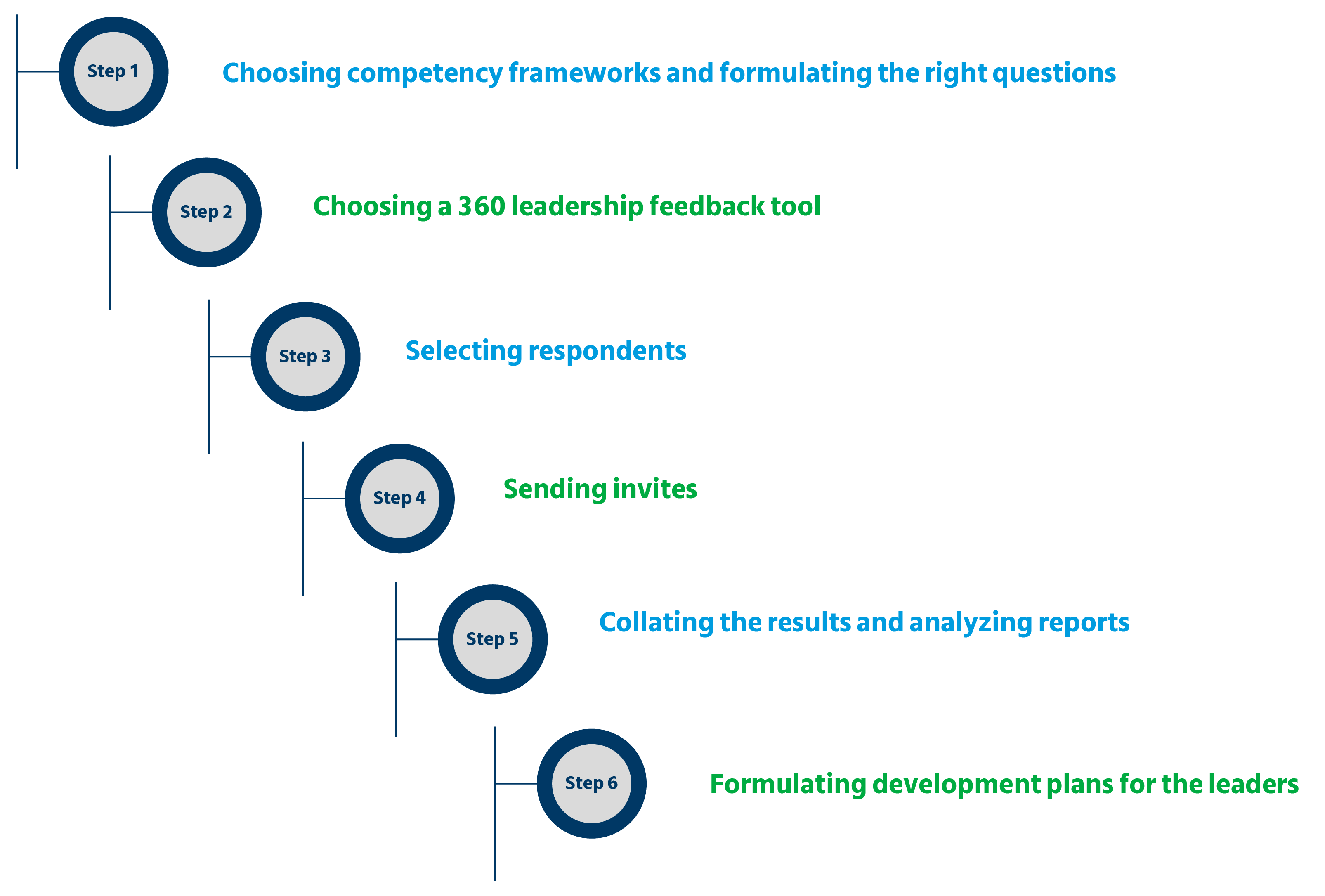
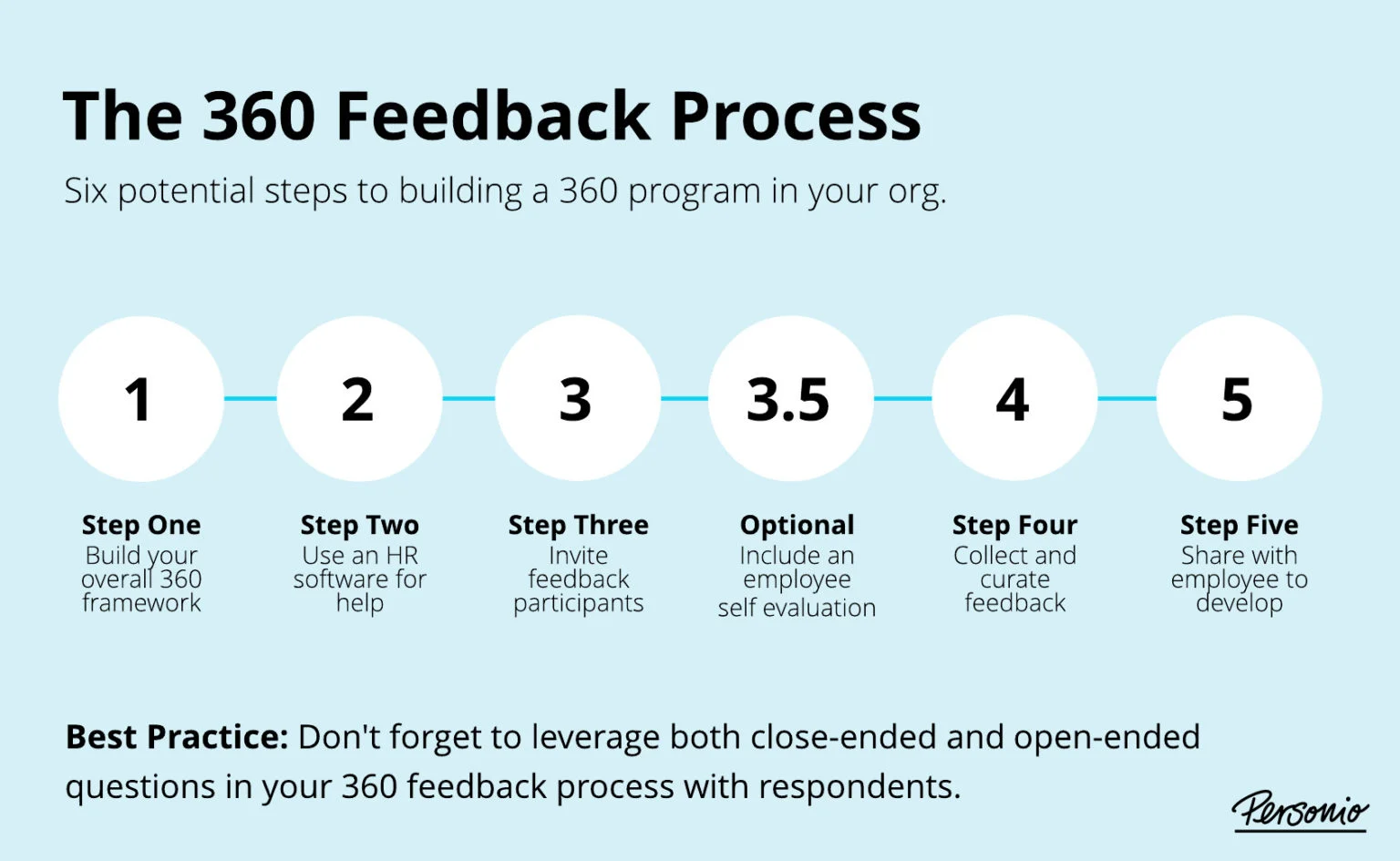
Success with the KED 360 questionnaire is not found in the questions themselves, but in the administration and follow-up process. Following this structured workflow ensures the integrity of the data and the buy-in of the participants.
Phase 1: Customization and Calibration
Before deployment, the KED 360 must be calibrated to the specific industry standards of 2026. A tech firm will weigh "Technological Literacy" higher, while a healthcare system might prioritize "Dynamics" and "Patient-Centric Coordination." During this phase, the HR team selects the raters—typically 8 to 12 individuals who have frequent interaction with the subject.
Phase 2: The Communication Blitz
Transparency is the antidote to the anxiety often associated with 360 reviews. Leaders must communicate the "why" behind the KED 360.
Best Practice for 2026 Implementation Explicitly state that the KED 360 is a development tool, not a disciplinary one. When employees understand that the data is used to fuel their promotion path rather than penalize past mistakes, the honesty of the feedback increases by nearly 40%.
Phase 3: Data Collection and AI Scrubbing
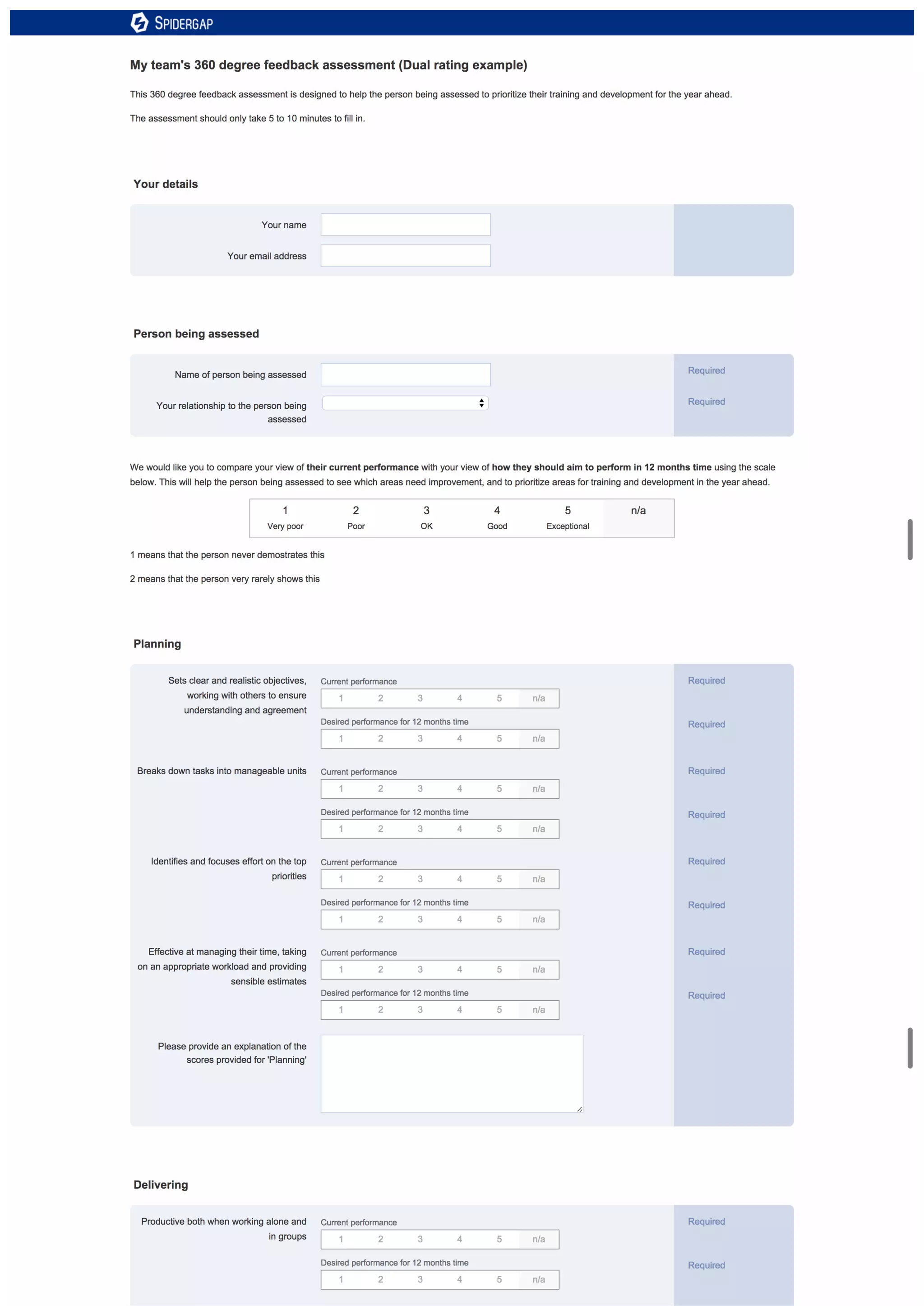
Participants complete the digital questionnaire. In 2026, advanced platforms automatically scrub the data for "rater bias." For example, if a peer consistently gives "1" ratings across all categories while all other raters give "4s" and "5s," the AI flags this as a potential personal bias and asks the rater for specific behavioral examples to justify the scores.
Phase 4: The Feedback Debrief
A certified KED 360 coach or a neutral HRBP (Human Resources Business Partner) presents the results. This session focuses on the "Blind Spots"—areas where the leader’s self-rating is significantly higher than the rater average—and "Hidden Strengths"—where the leader under-rates themselves compared to their peers.
Pros and Cons of the KED 360 Framework
Advantages
- Reduced Manager Bias: By incorporating multiple voices, the "halo effect" or "recency bias" of a single manager is neutralized.
- Enhanced Self-Awareness: It provides a mirror to the leader, showing how their actions resonate across different levels of the hierarchy.
- Targeted Training ROI: Organizations can stop wasting budget on generic training and instead invest in the specific gaps identified by the KED 360 data.
Challenges and Mitigations
- Feedback Fatigue: In the high-speed 2026 environment, raters can feel overwhelmed. To mitigate this, keep the questionnaire to under 25 high-impact questions.
- Fear of Retaliation: Even with anonymity, some employees fear that "honest" feedback will be traced back to them. Use third-party platforms that aggregate data to ensure individual responses remain untraceable.
- Analysis Paralysis: Too much data can lead to confusion. Ensure every KED 360 report ends with exactly three actionable goals.
Expert Insight: Troubleshooting Common Resistance
As a Senior Technical SEO and Organizational Strategist, I have observed that the most common failure point for the KED 360 questionnaire is the "File and Forget" syndrome. Companies spend thousands on the assessment only to have the results sit in a digital folder.
To prevent this, the 2026 mandate for successful firms is the integration of KED 360 results into the Individual Development Plan (IDP). If a leader scores low on "Conflict De-escalation," their performance bonus for the following year should be tied to completing a certified mediation course and showing a 15% improvement in that specific Dynamics metric in the next KED cycle.
Operational Safety Alert Never use KED 360 raw scores as the sole basis for termination. Legal frameworks in 2026 are increasingly sensitive to multi-rater data being used for "stack ranking" purposes, which can lead to litigation if the rater pool is not perfectly balanced and vetted for objective observation.
Frequently Asked Questions
What is the ideal number of raters for a KED 360 Questionnaire?
A pool of 8 to 12 raters is considered the 2026 gold standard for statistical significance. This typically includes 1 manager, 3-4 peers, 3-4 direct reports, and 1-2 internal "customers" or stakeholders from other departments.
How long does it take to complete the 2026 KED 360 Questionnaire?
The modern questionnaire is designed for "micro-burst" completion, typically taking 15 to 20 minutes per rater. This ensures high completion rates without sacrificing the depth of the qualitative comments.
Can the KED 360 be used for remote or hybrid teams?
Yes, the 2026 version includes specific "Digital Presence" metrics. These questions assess how effectively a leader manages asynchronous communication and maintains team cohesion across different time zones and virtual environments.
Is the KED 360 Questionnaire scientifically validated?
The KED 360 framework is built on psychometric principles with a Cronbach’s alpha coefficient of 0.85 or higher, indicating high internal consistency and reliability. It is updated annually to reflect changing workplace behaviors.
What happens if there is a massive discrepancy in scores?
Discrepancies are the most valuable part of the KED 360. Large gaps between rater groups (e.g., peers love the leader, but direct reports feel unsupported) indicate a "siloed leadership style" that needs immediate coaching intervention.
Driving 2026 Organizational Excellence
The KED 360 Questionnaire is more than a HR requirement; it is a strategic asset for any organization aiming to lead in the mid-2020s. By focusing on Knowledge, Execution, and Dynamics, you create a roadmap for leadership that is both technically proficient and emotionally resonant. To begin your implementation, audit your current competency models against the 2026 KED standards and ensure your feedback culture is rooted in growth, transparency, and objective data.