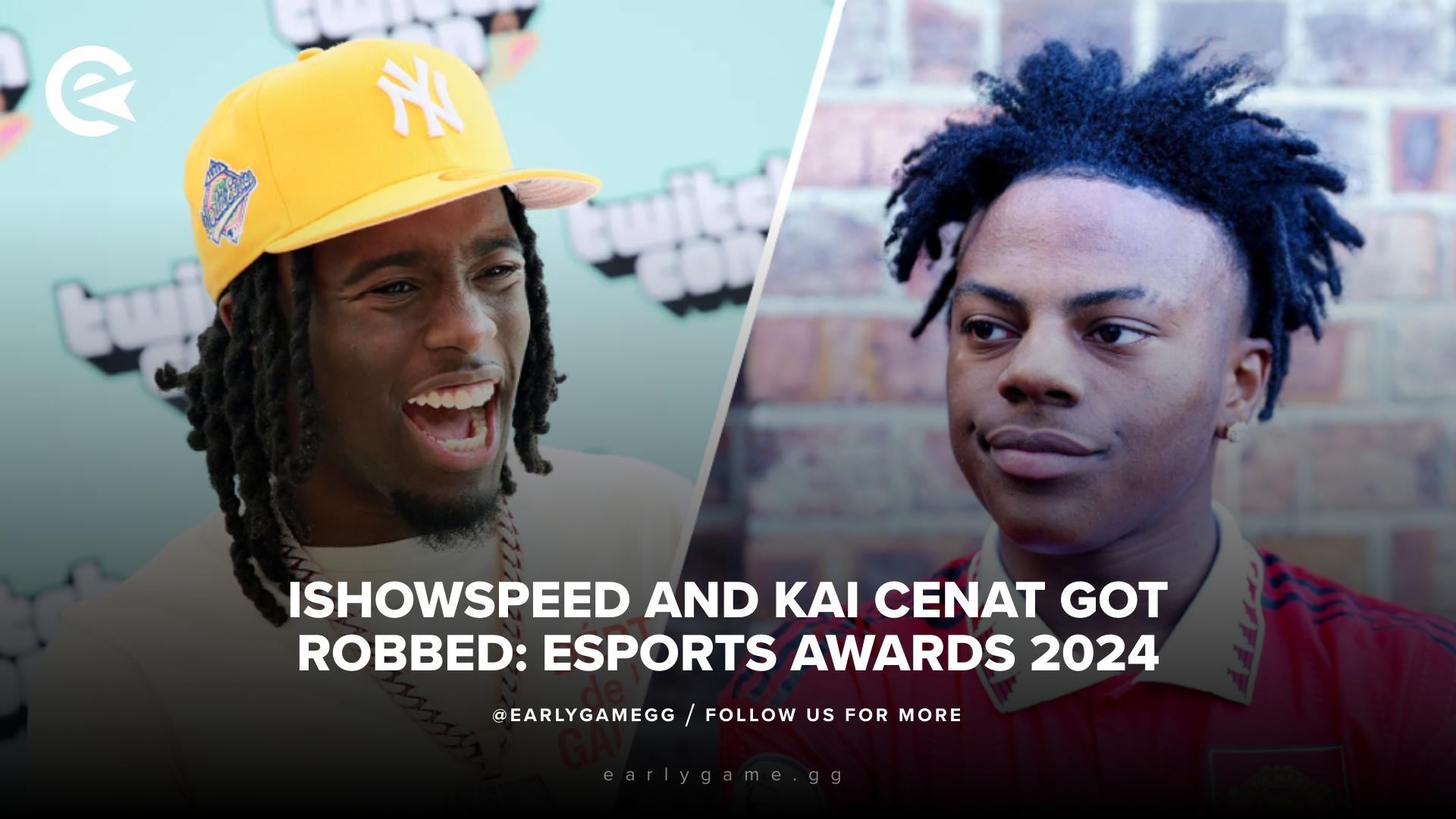
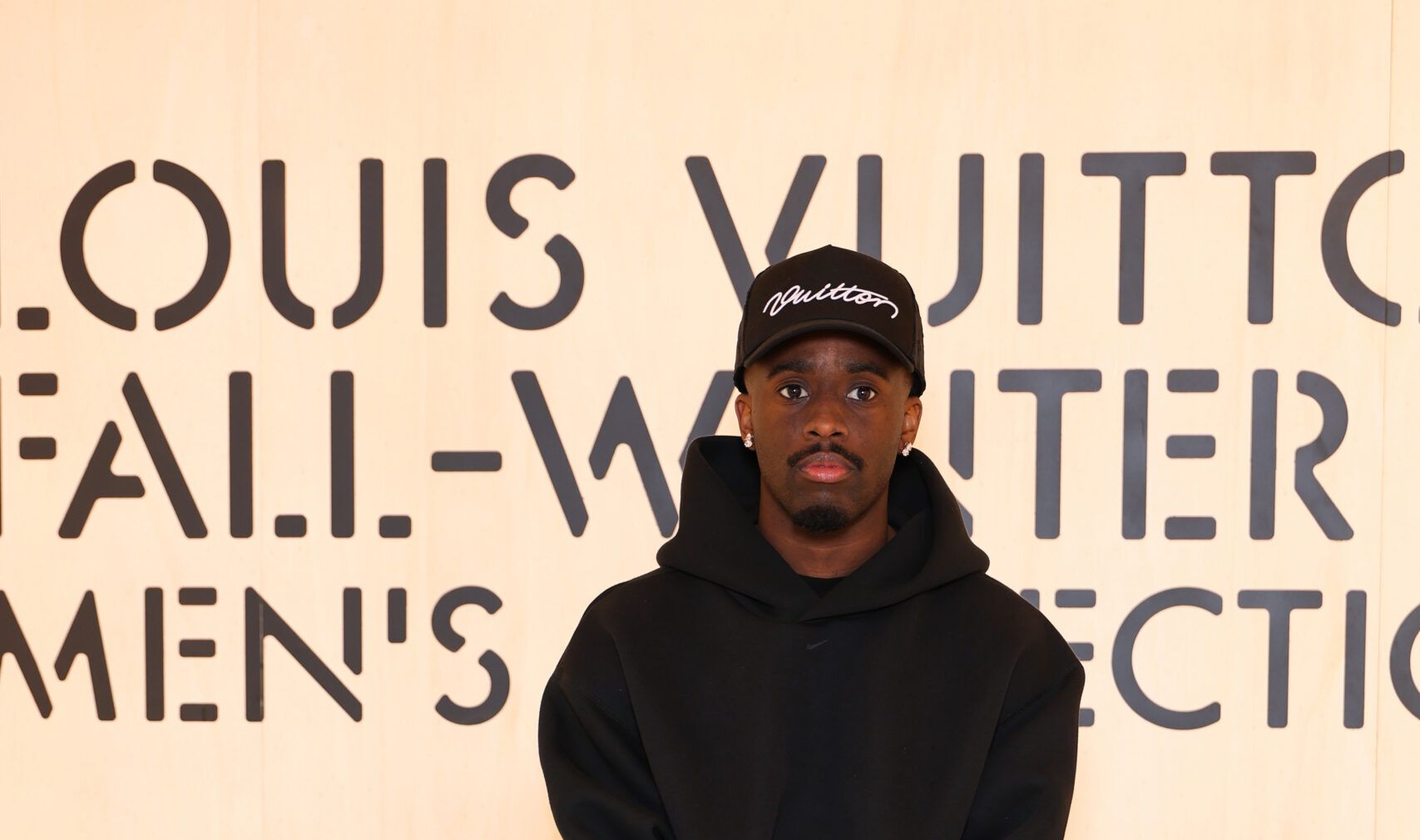
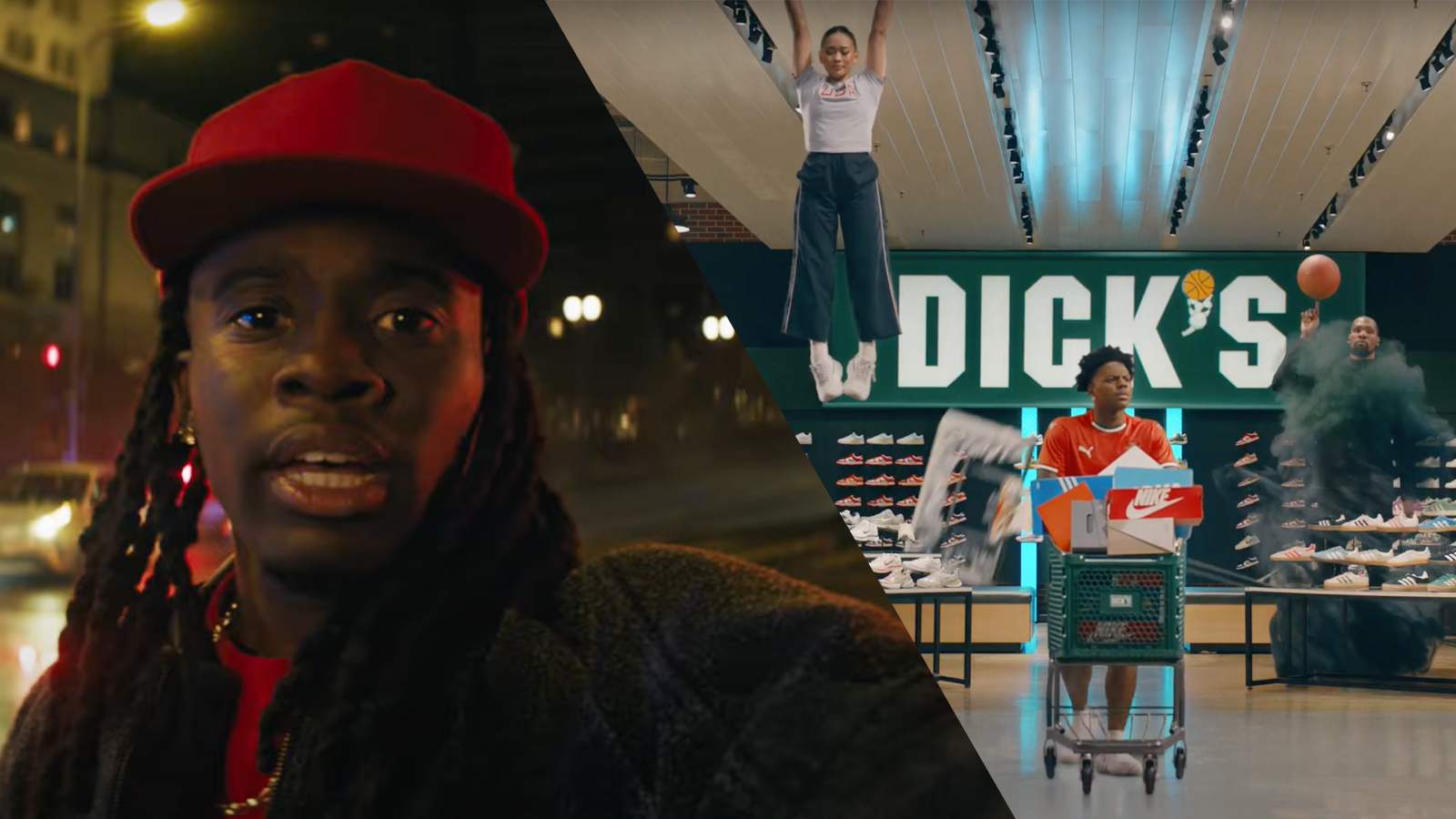
In 2024, Kai Cenat solidified his status as one of the most commercially significant figures in the digital creator economy by securing high-profile partnerships with major consumer brands. These collaborations shifted away from traditional banner advertising toward authentic, long-form content integrations that aligned with his high-energy livestreaming format on Twitch and his expansive social media presence.
The Evolution of Creator Partnerships in 2024
The landscape for influencer marketing underwent a significant maturation process in 2024, moving toward deeper, more integrated brand deals. For a creator of Kai Cenat’s stature, the strategy shifted from simple product placements to comprehensive creative campaigns. Rather than treating sponsors as interruptions to the broadcast, the content was designed to weave the brand’s value proposition into the actual narrative of his streams. This methodology proved highly effective for both the brand—which gained access to a highly engaged demographic—and the creator, who maintained audience retention through entertainment-focused brand segments.
The primary driver of this shift was the demand for authenticity. In previous years, generic reads and standard product shout-outs yielded lower conversion rates. By 2024, brands realized that Cenat’s audience reacted most positively when the sponsored content mirrored the unpredictable and interactive nature of his regular programming. This led to larger, multi-tiered deals involving custom events, exclusive drops, and real-world activations that extended beyond the digital interface.
Landmark Partnerships and Campaign Objectives
In 2024, the scope of brand interest in Kai Cenat spanned several key sectors, most notably gaming hardware, athletic apparel, and lifestyle consumables. The primary goal of these partnerships was to leverage his massive reach among Gen Z and Gen Alpha audiences.
One of the most notable aspects of his 2024 portfolio was the focus on exclusivity. Rather than engaging in a high volume of minor sponsorships, the strategy prioritized marquee partners who could sustain long-term engagement. This allowed the brand to become a recognized part of his ecosystem rather than an ephemeral sponsor. These partnerships were often tied to significant milestones in his streaming career, such as record-breaking subscriber marathons or highly produced, thematic content series, which served as high-traffic environments for brand exposure.
Strategic Selection Criteria for Partnerships
When analyzing the sponsorship model of high-tier creators like Kai Cenat, it becomes clear that there are specific prerequisites and strategic criteria utilized to evaluate potential partnerships. These criteria ensure that the brand’s image remains compatible with the creator’s persona while maximizing the return on investment (ROI) for the corporation involved.
- Brand Alignment: The product must exist naturally within the creator’s environment. For instance, gaming hardware integrations are seamless because they are essential tools for his daily professional output.
- Creative Freedom: High-level partnerships in 2024 required a departure from rigid scripts. Brands provided objectives but allowed Cenat to execute the advertisement in his own voice to ensure it felt native to his stream.
- Audience Demographics: Brands were primarily seeking to capture the attention of the 13–34 age bracket, a demographic that is notoriously difficult to reach through traditional linear television advertising.
- Platform Synergy: The campaign had to be platform-agnostic, often requiring content that could be distributed across Twitch, YouTube, and TikTok to ensure a consistent message across the creator's various channels.
Comparative Analysis: Traditional Advertising vs. Integrated Sponsorships
The following table outlines the fundamental differences in how brand exposure functioned within the creator economy during the 2024 period, specifically contrasting traditional intrusive ad models with the integrated, narrative-driven approaches used by major partners.
| Feature | Traditional Advertising | Integrated Partnerships (2024 Model) |
|---|---|---|
| Visibility | Interrupted/Peripheral | Native/Embedded |
| Audience Reception | Often ignored or skipped | High engagement through entertainment |
| Creative Control | Defined by the brand | Collaborative/Creator-led |
| Duration | Short-term (30–60 seconds) | Long-term/Series-based |
| Conversion Focus | Direct sale/link click | Brand awareness and community trust |
Operational Logistics of 2024 Brand Deals
Executing a professional brand partnership involves more than just a mention during a broadcast. In 2024, the operational requirements were sophisticated. Legal contracts specified performance benchmarks, such as concurrent viewer counts during sponsored segments, social media engagement thresholds, and specific aesthetic guidelines for logo placement in the streaming studio.
For the creator, this necessitated a dedicated team to manage the incoming requests, negotiate terms, and oversee the execution of the deliverable. From the perspective of the brand, they were not just paying for a viewer count; they were paying for the creator’s influence and the "social proof" that comes with being featured in a high-profile, viral stream. This often included complex behind-the-scenes work, such as coordinating product shipments, setting up custom studio layouts, and technical troubleshooting to ensure that technical integrations (like custom emotes or interactive on-screen widgets) functioned correctly during live broadcasts.
Common Misconceptions Regarding Creator Sponsorships
A frequent point of confusion for observers is the assumption that every product a creator mentions is a paid sponsorship. In reality, the 2024 market required a clear distinction between organic usage and paid promotion. Creators, including Cenat, are legally required by the Federal Trade Commission (FTC) to disclose paid partnerships. Understanding these disclosure requirements is essential for distinguishing between genuine preference and commercial influence.
Another misconception relates to the financial structures of these deals. Many believe that payouts are purely flat-fee transactions. However, many 2024 contracts utilized hybrid models involving a base fee combined with performance incentives, such as affiliate commissions, sales targets, or long-term growth bonuses. This structure ensures that both the brand and the creator are aligned in the goal of successfully promoting the product to the audience.
Troubleshooting and Managing Audience Feedback
When a brand partnership fails to land with an audience, it typically stems from a misalignment of expectations or a perceived lack of sincerity. Throughout 2024, managing this sentiment was a core part of the professional partnership cycle. If an advertisement felt forced, the audience reaction was often immediate and negative, forcing a mid-campaign pivot.
Successful creators learned to address this by:
- Pre-stream testing: Ensuring the product integration didn't disrupt the flow of high-intensity content.
- Open Communication: Being transparent with the audience about the partnership, which often converts initial skepticism into support.
- Iterative refinement: Analyzing the data from the first few hours of a campaign to adjust the frequency and tone of the promotion for the remainder of the deal.
Next Steps for Emerging Creators
For those looking to understand the mechanics of the creator economy, the primary takeaway from the 2024 landscape is that sustainability relies on professionalizing the business side of the craft. Creators who wish to emulate the success of top-tier partners should prioritize building a consistent content schedule and a distinct audience profile. Brands rarely look for mass reach alone; they look for depth of influence.
Before pursuing major partnerships, creators should focus on developing high-quality, authentic content that establishes trust. Once a consistent audience is present, the next logical step is to reach out to boutique agencies that specialize in talent representation. These agencies provide the legal and commercial infrastructure needed to negotiate professional deals, protect the creator's interests, and ensure that all content remains compliant with industry standards. Investing in these professional foundations is what separates a short-term viral personality from a long-term, viable media entity.