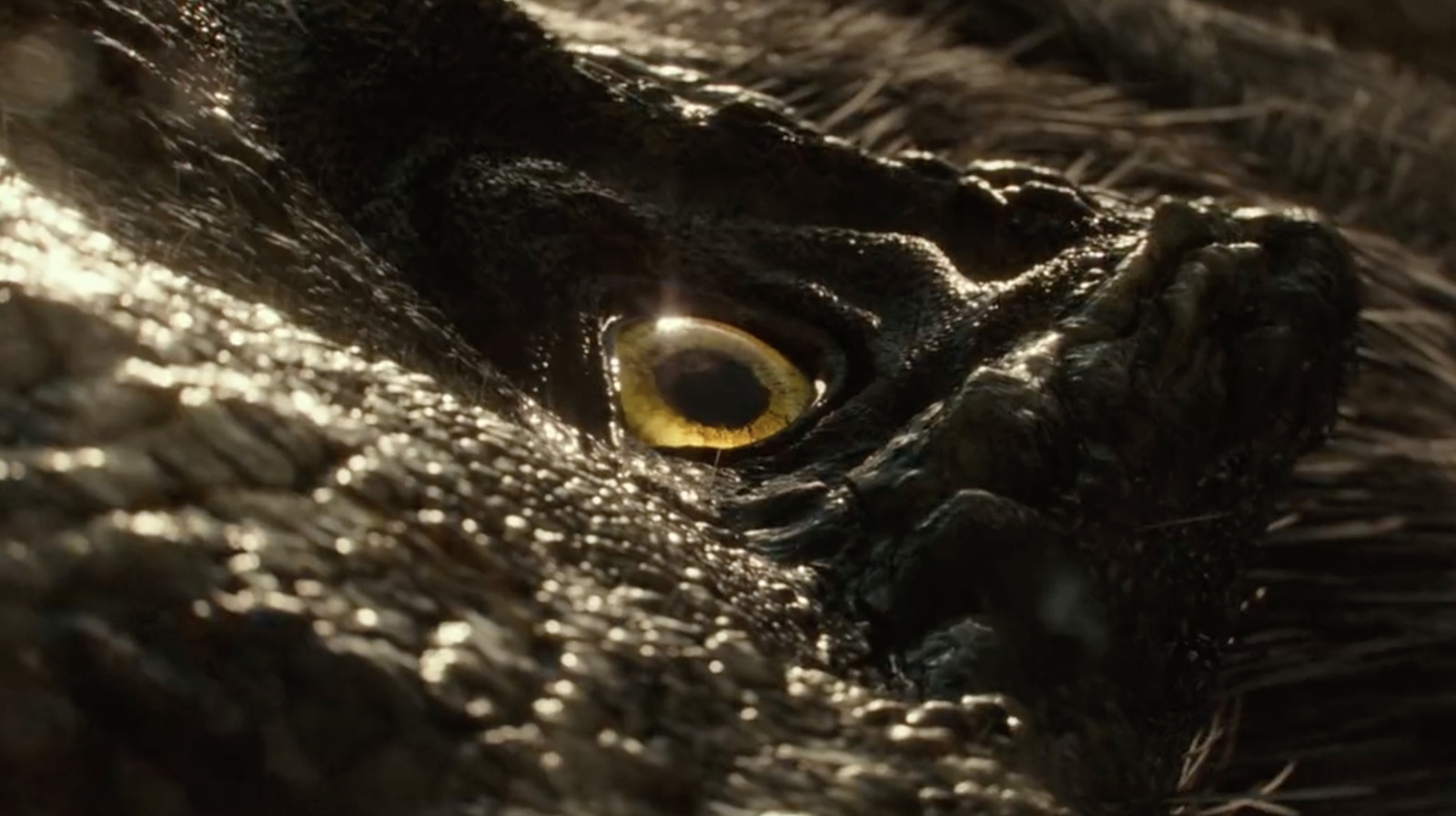
The Jurassic World Dominion prologue offers a foundational look at the prehistoric era, featuring a definitive sequence where a Tyrannosaurus rex battles a Giganotosaurus. This five-minute standalone sequence bridges the gap between the Cretaceous period and the modern timeline, establishing the environmental and biological context for the human-dinosaur coexistence presented in the final film of the Jurassic World trilogy.
Historical Context and Narrative Purpose
The Jurassic World Dominion prologue was released as a promotional piece to establish the stakes for the film’s conclusion. Directed by Colin Trevorrow, the sequence serves two primary functions: it provides a visually immersive glimpse into the Cretaceous period 65 million years ago and sets up the rivalry between the original T. rex (often referred to as "Rexy") and the Giganotosaurus. By contrasting the pristine, wild environment of the past with the industrial and technological advancements seen in the 2026 era, the prologue grounds the narrative in a sense of deep time.
Unlike the main film, which deals with genetic engineering and ecological disruption, the prologue focuses on natural selection and territory. It establishes the T. rex not merely as a creature of laboratory creation, but as a species with an ancient, formidable legacy. The scene is instrumental in understanding why the Giganotosaurus serves as an apex threat, providing the audience with a historical precedent for the conflicts that later surface in the modern world.
Scene Analysis: The Cretaceous Encounter
The sequence begins with a wide, sweeping shot of a primordial landscape. The attention to detail in the flora and fauna creates a distinct "pre-human" aesthetic, characterized by lush, untamed forests and a humid, volatile atmosphere. As the narrative focuses on the T. rex, viewers are treated to a design that prioritizes biological realism, utilizing contemporary paleontological theories regarding feathering and movement.
The encounter between the T. rex and the Giganotosaurus is the climax of the prologue. The Giganotosaurus, characterized by its size and distinct spinal features, engages the T. rex in a territorial dispute. This scene is meticulously choreographed to demonstrate differences in hunting strategies and physical capabilities. The T. rex is portrayed as a tenacious fighter, while the Giganotosaurus is shown using its larger frame to dominate the skirmish.
Key Biological and Behavioral Observations
During the encounter, several features distinguish the two predators. The following table highlights the comparative observations made during the sequence to help fans distinguish the two primary theropods:
| Feature | Tyrannosaurus rex | Giganotosaurus |
|---|---|---|
| Physical Stature | Robust, muscular build | Elongated, apex dimensions |
| Dorsal Features | Smooth, scaled back | Pronounced spinal crest/ridges |
| Fighting Style | Tenacious, bite-force focused | Brute strength, opportunistic |
| Role in Scene | The established resident predator | The encroaching challenger |
The scene concludes with a poignant transition—the death of the T. rex—which carries immense symbolic weight. The subsequent sequence involving a mosquito feeding on the fallen dinosaur's blood acts as a narrative bridge, directly linking the ancient world to the genetic extraction processes established in the original Jurassic Park (1993). This transition solidifies the prologue’s status as a canonical origin point for the series' core premise.
Technical Execution and Visual Effects
The visual fidelity of the Jurassic World Dominion prologue reflects the advancements in CGI and motion-capture technology achieved by Industrial Light & Magic (ILM) by 2026. The integration of practical animatronics, which remained a hallmark of the franchise, is blended with digital enhancements to maintain a tactile, grounded feel. The skin textures, movement physics, and light interaction within the jungle environment were designed to adhere to the franchise’s commitment to "dinosaur realism."
Lighting plays a critical role in the scene's impact. The use of natural, dappled sunlight filtering through the Cretaceous canopy creates a sense of scale, making the dinosaurs appear massive and imposing. The sound design is equally vital, as it emphasizes the visceral nature of the conflict through distinct roars, thudding footsteps, and environmental feedback that heightens the tension for the viewer.
The Legacy of the T. rex in the Franchise
To understand the significance of the T. rex in the prologue, one must consider its role across the six films. As the "hero" dinosaur of the franchise, the T. rex has evolved from a mysterious antagonist in the original park to a symbolic protector of the natural order. The prologue reminds viewers that the T. rex has survived through eons of environmental changes and competition.
The decision to feature the death of the T. rex in the prologue was a deliberate narrative choice by the production team. It highlights the fleeting nature of life, even for an apex predator, and reinforces the franchise's recurring theme: nature finds a way to move on, regardless of the individuals involved. This thematic consistency is what allows the Jurassic World series to maintain continuity across decades of storytelling.
Frequently Asked Questions
Is the T. rex in the prologue the same one from the 1993 film?
The prologue depicts an ancestor of the T. rex seen throughout the film series. While the biological lineage is implied to be the same, the sequence takes place 65 million years ago, long before the modern T. rex—often nicknamed "Rexy"—was cloned in the late 20th century.
Why is the Giganotosaurus presented as a threat to the T. rex?
In the context of the film’s narrative, the Giganotosaurus is used to challenge the T. rex's status as the undisputed king of the predators. By showing a historical defeat, the creators established a sense of vulnerability for the franchise's iconic protagonist, heightening the stakes for the film’s modern-day conflicts.
What is the significance of the mosquito in the prologue?
The mosquito is a direct callback to the "amber-trapped DNA" concept that started the franchise. By showing a mosquito biting the T. rex immediately after its defeat, the film provides a visual origin story for how the scientists in Jurassic Park were eventually able to synthesize the dinosaur's genome.
Did modern paleontological discoveries influence the prologue's designs?
Yes, the production team consulted with various paleontological experts to update the designs of the creatures. This included more accurate skin textures and the inclusion of proto-feathers, aligning the on-screen depictions more closely with the academic consensus current as of the production phase.
Is the prologue required viewing for the full movie?
While the prologue is not strictly necessary to understand the basic plot of Jurassic World Dominion, it is highly recommended. It provides essential world-building, thematic depth, and a visual spectacle that sets the tone for the final chapter of the saga.
Recommended Next Actions
For viewers interested in the scientific accuracy and production details of the creatures, it is recommended to review the Jurassic World Dominion production featurettes released by Universal Pictures. These resources provide in-depth interviews with the paleontology consultants who worked on the film. For those focusing on the narrative arc, re-watching the original 1993 Jurassic Park provides the best comparison to the prologue’s themes, offering a complete look at how the series frames the cycle of life from the Cretaceous period through the modern age.