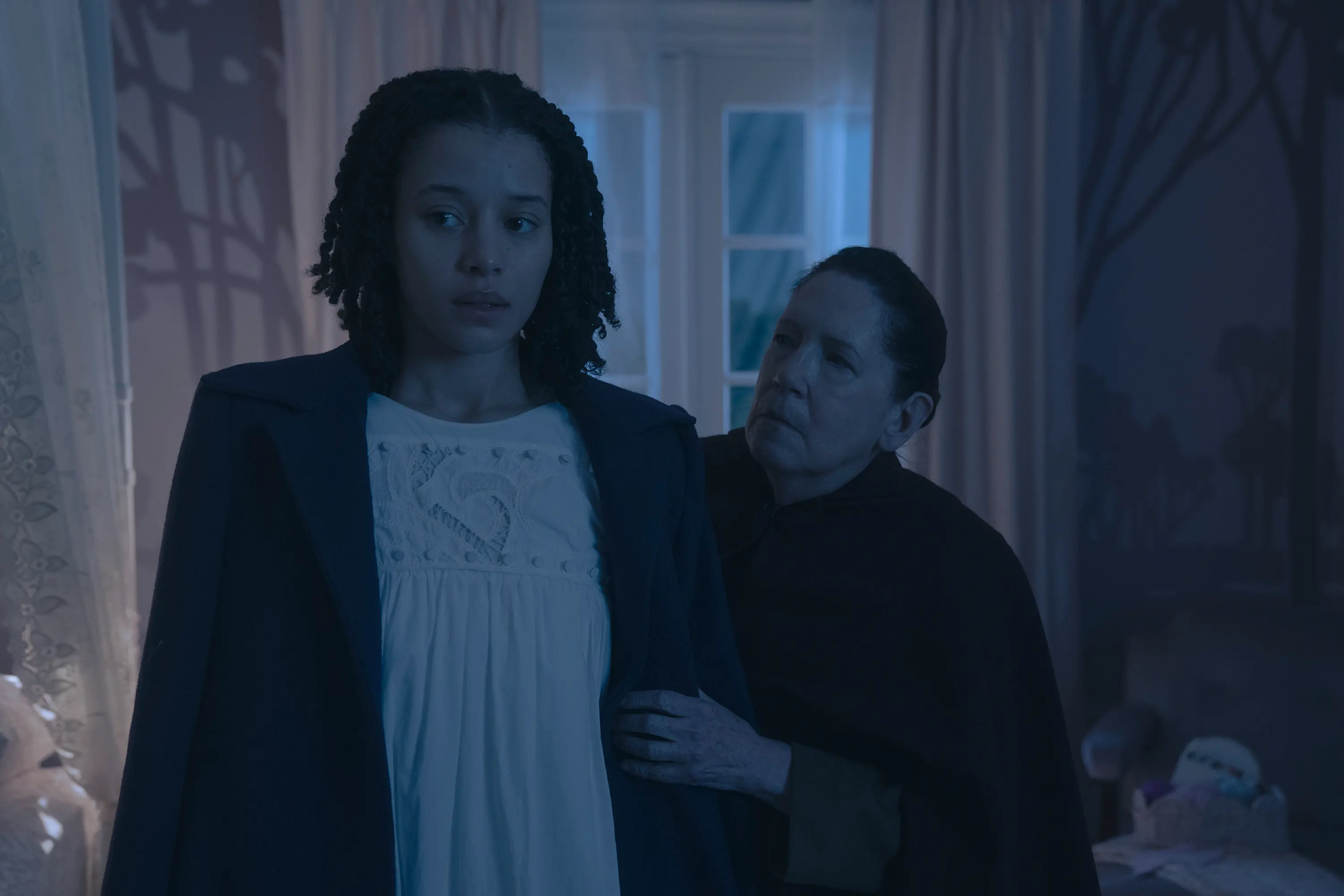
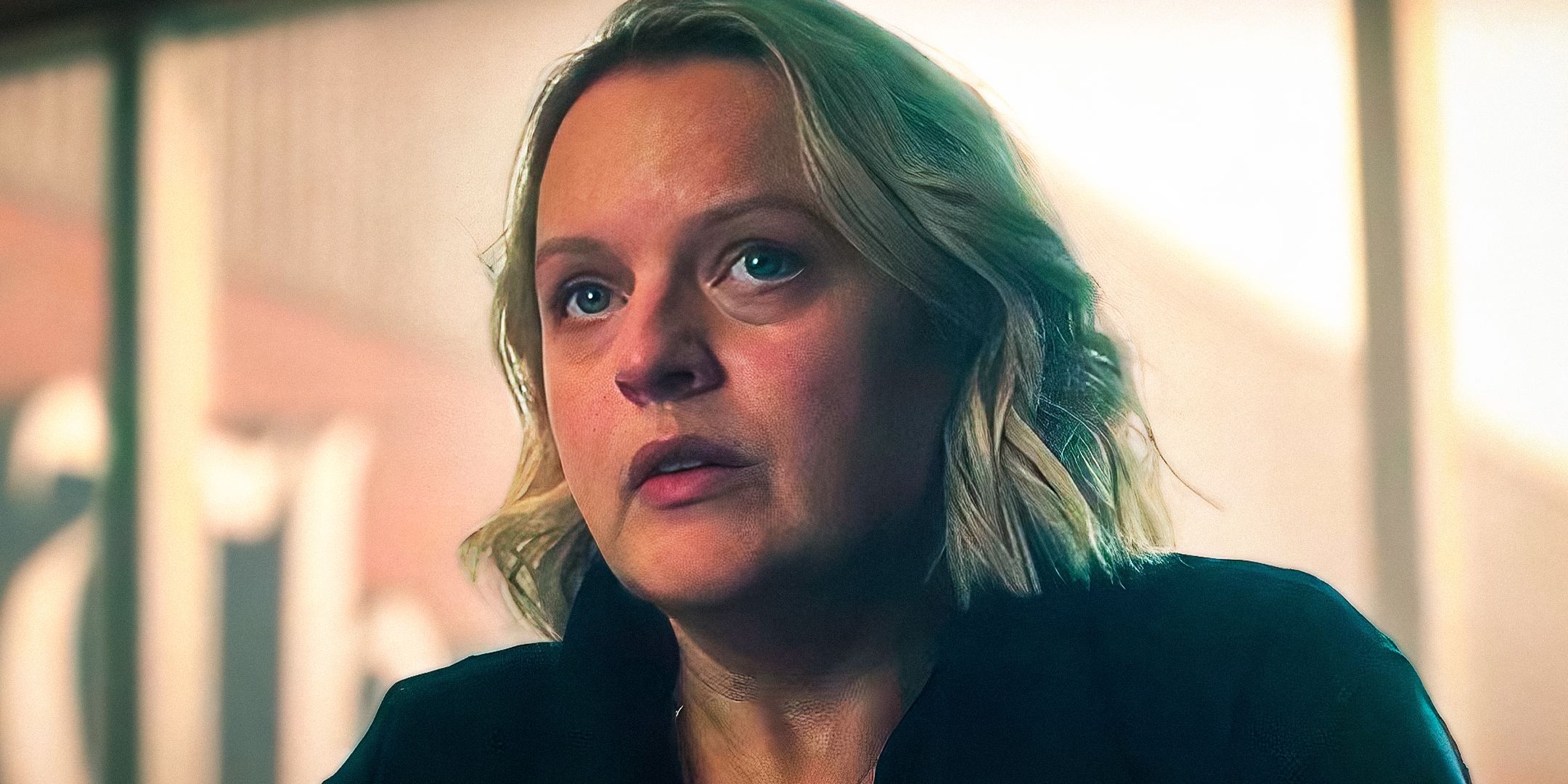
June Osborne, the central protagonist of Margaret Atwood’s The Handmaid’s Tale, does not die in the 2019 sequel novel, The Testaments. While the narrative focus shifts significantly toward other characters—namely Aunt Lydia, Agnes Jemima, and Daisy—the events chronicled within the sequel establish that June remains alive and active in the resistance movement operating outside of the Republic of Gilead.
The confusion surrounding June’s fate often stems from the fragmented nature of Gilead’s records and the intense, life-threatening stakes established in the original novel. Because The Testaments takes place roughly fifteen years after the events of the first book, the narrative environment is one of long-term survival, espionage, and the systematic dismantling of the Gilead regime, rather than the immediate, claustrophobic survival narrative of June’s initial escape.
The Narrative Context of The Testaments
The Testaments functions as both a companion piece and a continuation of the timeline established in The Handmaid’s Tale. Unlike the first novel, which is presented primarily through June’s "Offred" voice and the historical epilogue, the sequel employs a multi-perspective structure. The three narrators are Aunt Lydia, a powerful architect of the regime’s control; Agnes Jemima, a young woman raised within Gilead’s elite; and Daisy, a girl raised in Canada who eventually becomes an instrumental figure in the collapse of the state.
Because June is not one of the primary narrators, readers do not experience her day-to-day life directly. However, her influence is omnipresent. The resistance, known as Mayday, remains the primary vehicle through which the regime is undermined, and June is a known, vital operative within that network. By the time the events of The Testaments unfold, June is a veteran of the struggle, and her survival is a prerequisite for the high-level intelligence gathering and operations that the protagonists execute.
Distinguishing Between Media Adaptations
A common source of confusion for audiences is the divergence between Margaret Atwood’s literary canon and the ongoing television series produced by Hulu. In the television adaptation, the portrayal of June Osborne undergoes significant deviations from the source material, particularly regarding her agency and her physical location.
As of 2026, the television show has developed its own trajectory that departs from the specific events and timeline of the books. Viewers who follow the show may conflate the high-octane, often deadly situations June faces on screen with the more cerebral and historical focus of Atwood’s second novel. It is essential to recognize that The Testaments remains a literary work governed by the established continuity of Atwood’s written world, which does not necessitate or include the death of its original protagonist.
Evidence from the Text: The Role of Mayday
The structure of The Testaments relies heavily on the success of the Mayday resistance. If June had died prior to the events of the book, the narrative would require a shift in power dynamics within the underground network that does not occur. The text implies, and in various passages confirms, that the veteran members of the resistance—those who escaped Gilead in the early years—are the ones coordinating with the new generation of defectors.
June is characterized as a figure of endurance. Her survival is central to the symbolic and strategic framework of the novel. The "testaments" provided by the three narrators serve to expose the internal rot of Gilead, and they are protected by, and work in tandem with, a network that June helped build. The transition from the individual, trapped perspective of the first novel to the broader, geopolitical perspective of the second necessitates June’s survival as a foundational figure in the collapse of the Gilead authorities.
Comparing Narratological Perspectives
To understand why June’s status is clear despite her not being a narrator, one must look at how the novel constructs its world. The following table highlights the differences in character roles between the two primary texts:
| Character | Role in The Handmaid’s Tale | Role in The Testaments |
|---|---|---|
| June Osborne | First-person narrator/survivor | Legendary resistance figure/off-screen mentor |
| Aunt Lydia | Secondary antagonist/oppressor | Primary narrator/internal saboteur |
| Agnes Jemima | Not present | Primary narrator/Gilead youth |
| Daisy (Nicole) | Infant in original timeline | Primary narrator/Resistance operative |
This shift demonstrates that The Testaments is designed to tell a story about the next generation. By shifting the focus to Aunt Lydia’s internal betrayal of the system, Atwood avoids the necessity of "ending" June’s story through death. Instead, June’s story reaches its resolution through the success of the cause she championed.
The Historical Epilogue and Continuity
The final section of The Testaments, titled "Notes on the Twenty-First Century," provides the academic framing device characteristic of Atwood’s work. These historical notes offer insight into the fall of Gilead and the subsequent preservation of documents. Throughout these notes, there is no mention of June’s death as a concluding event.
Instead, the historical perspective treats June as an established historical actor. The absence of a mention of her death in the analytical post-script is the most definitive textual evidence that she survives the primary timeline of the book. In literature of this nature, if a central protagonist were to die, it would invariably be noted as a turning point in the historical record of the regime’s collapse.
Common Misconceptions and FAQ
Is June the same person as the characters in The Testaments?
No. June Osborne is the protagonist of the first novel. While she is related to the characters in The Testaments—specifically as the mother of the character identified as Nicole—they are distinct individuals. The sequel focuses on the children of Gilead and the people who helped them escape.
Why does the television show make it feel like June could die?
The television series employs dramatic tension and episodic cliffhangers that are not present in the novel’s structure. Because the show relies on episodic viewership, it must maintain a constant state of threat for its lead. This is an artistic choice by the showrunners, not an reflection of the events in Margaret Atwood’s literature.
Does the death of other characters in The Testaments imply June died?
No. The deaths that occur in The Testaments serve the specific plot arcs of the narrators. The narrative does not utilize the "death of the hero" trope to conclude June’s arc; rather, it uses the "succession of the struggle" to indicate that her work continues through others.
Is there a third book that confirms her death?
As of 2026, The Testaments is the most recent continuation of the original novel. There is no canonical sequel that confirms the death of June Osborne. The world remains preserved within the framework established by the two novels and their respective historical appendices.
If June is alive, why is she not a main character?
Atwood stated that the purpose of The Testaments was to explore the perspective of those who grew up under the regime and those who maintained the system from within. Bringing June back as a primary narrator would have changed the genre of the book from a broader societal critique to a continuation of a singular, claustrophobic survival story.
Recommendations for Further Reading
If you are interested in the specific timeline of the fall of Gilead, the best approach is to re-read the "Historical Notes" at the end of both The Handmaid’s Tale and The Testaments. These sections act as the primary sources within the fictional universe and contain the most reliable data regarding the fate of the figures involved in the collapse of the state. Avoid secondary wikis or fan-fiction repositories, as these often conflate the television series’ plot lines with the established canonical text of the novels. For those seeking to understand the political mechanics of the regime, focus on the chapters narrated by Aunt Lydia, as these provide the most granular detail regarding the structural weaknesses that led to Gilead’s eventual dissolution.