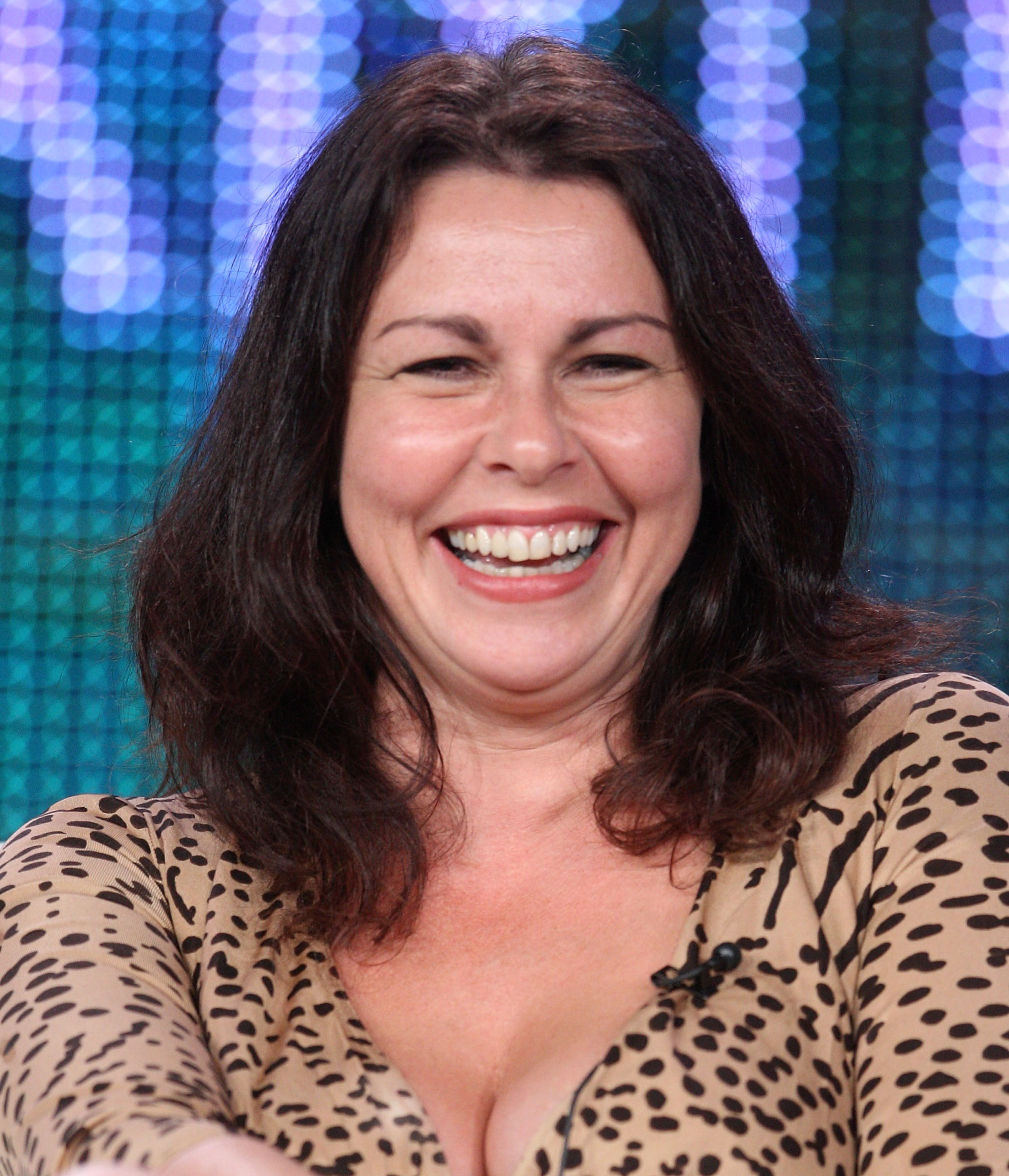
Julie Graham is a highly respected Scottish actress whose professional trajectory has spanned several decades of stage and screen work, often noted for her authentic presence and refusal to adhere to rigid Hollywood beauty standards. Among the many facets of her appearance, the natural gap in her teeth—medically known as a diastema—has become a recognizable part of her aesthetic, frequently cited by fans and critics as an emblem of her commitment to a grounded, realistic portrayal of the human experience.
Defining the Diastema in Celebrity Culture
In dentistry, a diastema refers to a space or gap between two or more teeth, most commonly found between the two upper front incisors. While modern orthodontics often frame this as a condition to be corrected through braces, veneers, or bonding, the cultural perception of the "gap-toothed smile" has shifted significantly over the past thirty years. For many performers, including Julie Graham, the feature is not viewed as a dental defect but as a distinct signature that contributes to their onscreen charisma.
Unlike the highly manufactured aesthetic often demanded of actors in the mid-20th century, the contemporary industry has increasingly embraced "imperfections." Graham’s career reflects this transition. By retaining her natural smile throughout her extensive body of work—including roles in The Bletchley Circle, Shetland, and Doctor Who—she has maintained a level of physical consistency that audiences associate with reliability and authenticity. Her refusal to undergo cosmetic dental alignment serves as a subtle rejection of the homogenizing pressure placed on women in the public eye.
Career Milestones and Professional Presence
Julie Graham’s career is defined by range and depth. Born in Irvine, Scotland, she rose to prominence through gritty television dramas and complex character roles. Her professional identity is built upon her ability to inhabit roles that demand emotional intelligence rather than mere visual conformity. This approach has allowed her to transition seamlessly between comedy, drama, and procedural television without the limitations often imposed on performers categorized solely by their looks.
The gap in her teeth has never served as a distraction from her professional output; rather, it has become part of the visual shorthand that viewers use to recognize her. In the highly competitive world of British television, where casting directors look for actors who can convey reality, Graham’s choice to keep her original smile has likely bolstered her image as a versatile, "no-nonsense" performer. It reinforces a narrative of self-assurance that aligns well with the strong, independent characters she frequently portrays.
The Evolution of Public Perception
Public perception of dental aesthetics has undergone a notable evolution since the early 2000s. Previously, the "perfect" Hollywood smile—characterized by uniform, bright white, and tightly aligned teeth—was the baseline expectation for any lead actor. However, as the demand for representation and "everyday" beauty grew, physical quirks like a diastema began to be reframed as marks of character.
Fans of Julie Graham often discuss her appearance in positive terms, highlighting her smile as a reason for her relatability. In forums and media analysis, the discussion regarding her teeth is rarely clinical. Instead, it is centered on the concept of agency. By maintaining her natural appearance, Graham preserves her visual individuality. This is particularly significant in an era where digital retouching and cosmetic dental surgery are increasingly accessible, making the decision to abstain from such procedures a conscious professional stance.
Comparative Analysis of Aesthetic Choices in Acting
To understand the significance of Julie Graham’s choice, one must compare it to the standard industry practices regarding dental aesthetics. Many actors opt for professional intervention to achieve a "cinematic" smile, often utilizing porcelain veneers that can fundamentally alter the shape and spacing of the teeth.
| Feature | Cosmetic Alignment (Veneers/Bonding) | Natural Aesthetic (e.g., Graham) |
|---|---|---|
| Visual Intent | Uniformity and brilliance | Character authenticity |
| Permanence | High (often requires lifelong maintenance) | High (natural, requires standard care) |
| Professional Impact | Can create a "generic" appearance | Maintains unique character identity |
| Public Reception | Perceived as polished/aspirational | Perceived as relatable/genuine |
| Barrier to Entry | High financial cost and invasive | No cost, non-invasive |
This table illustrates the trade-offs involved in dental decisions for public figures. While some actors prioritize the "Hollywood standard" to fit into a wider array of casting archetypes, others, like Graham, utilize their natural appearance to anchor their brand in realism.
Addressing Common Questions
The focus on specific physical traits of public figures often leads to broader inquiries about how these traits impact their success.
Is the gap in Julie Graham's teeth a result of a specific dental condition?
In most cases, a diastema is a result of a disproportion between the size of the jawbones and the size of the teeth, or an issue with the labial frenum. For Julie Graham, it is simply a natural anatomical variation. It is not an indicator of poor dental health, nor does it impact her ability to perform professionally.
Has Julie Graham ever commented on her smile in interviews?
While Graham maintains a professional boundary regarding her personal life, she has generally avoided engaging with the superficial aspects of her appearance in interviews. Her focus remains firmly on her craft, the scripts she chooses, and the development of the characters she portrays. This silence reinforces her position that her physical features are not a subject for public debate.
Do casting directors prefer corrected teeth?
The industry standard has moved toward diversity in appearance. While specific roles may require a particular "look," the demand for authentic, human-centric casting means that distinctive features are often considered assets rather than hindrances. Graham’s long-standing success serves as evidence that talent and presence remain the primary factors in securing high-profile roles.
Does a diastema require medical treatment?
A diastema is generally a cosmetic issue rather than a functional one. Unless it is caused by underlying gum disease or causes significant difficulty with speech or eating, there is no medical requirement to close a gap. Most individuals with a natural diastema, including many high-profile celebrities, live their entire lives without needing or seeking clinical intervention.
Strategic Implications for Aspiring Performers
For those entering the entertainment industry, the case of Julie Graham offers a valuable lesson in personal branding. In a digital age where the temptation to perform "maintenance" on one's appearance is at an all-time high, the preservation of unique physical traits can become a strategic advantage. It creates an identifiable image that remains consistent even as styles change.
The primary recommendation for performers today is to prioritize the maintenance of their natural appearance unless a change is essential for a specific role or personal health necessity. As the industry continues to value "realness," the actors who resist the urge to homogenize their appearance are often the ones who stand out. Julie Graham remains a standard-bearer for this philosophy, proving that a career built on merit and distinct character requires no compromises on one's natural anatomy.