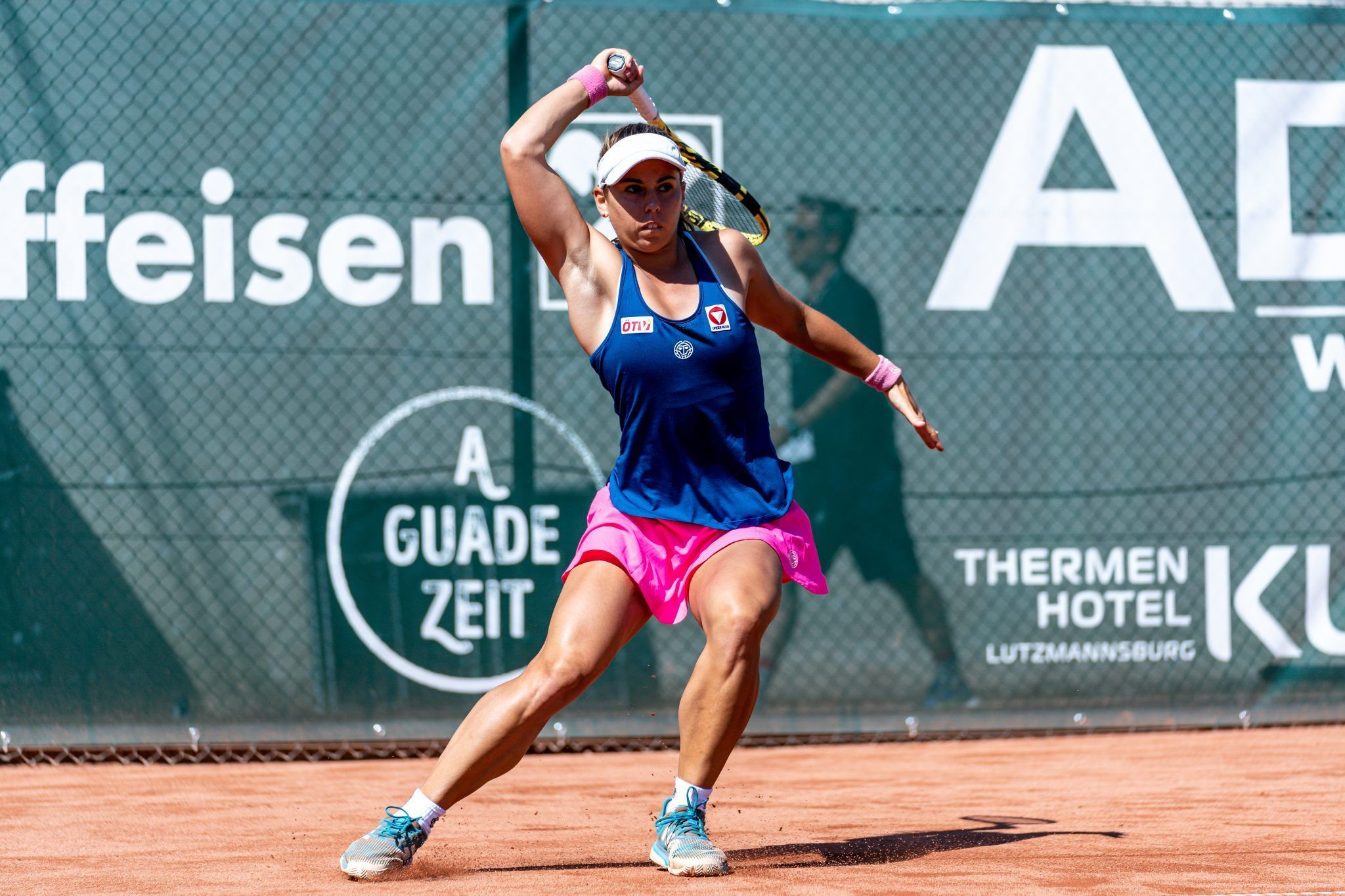
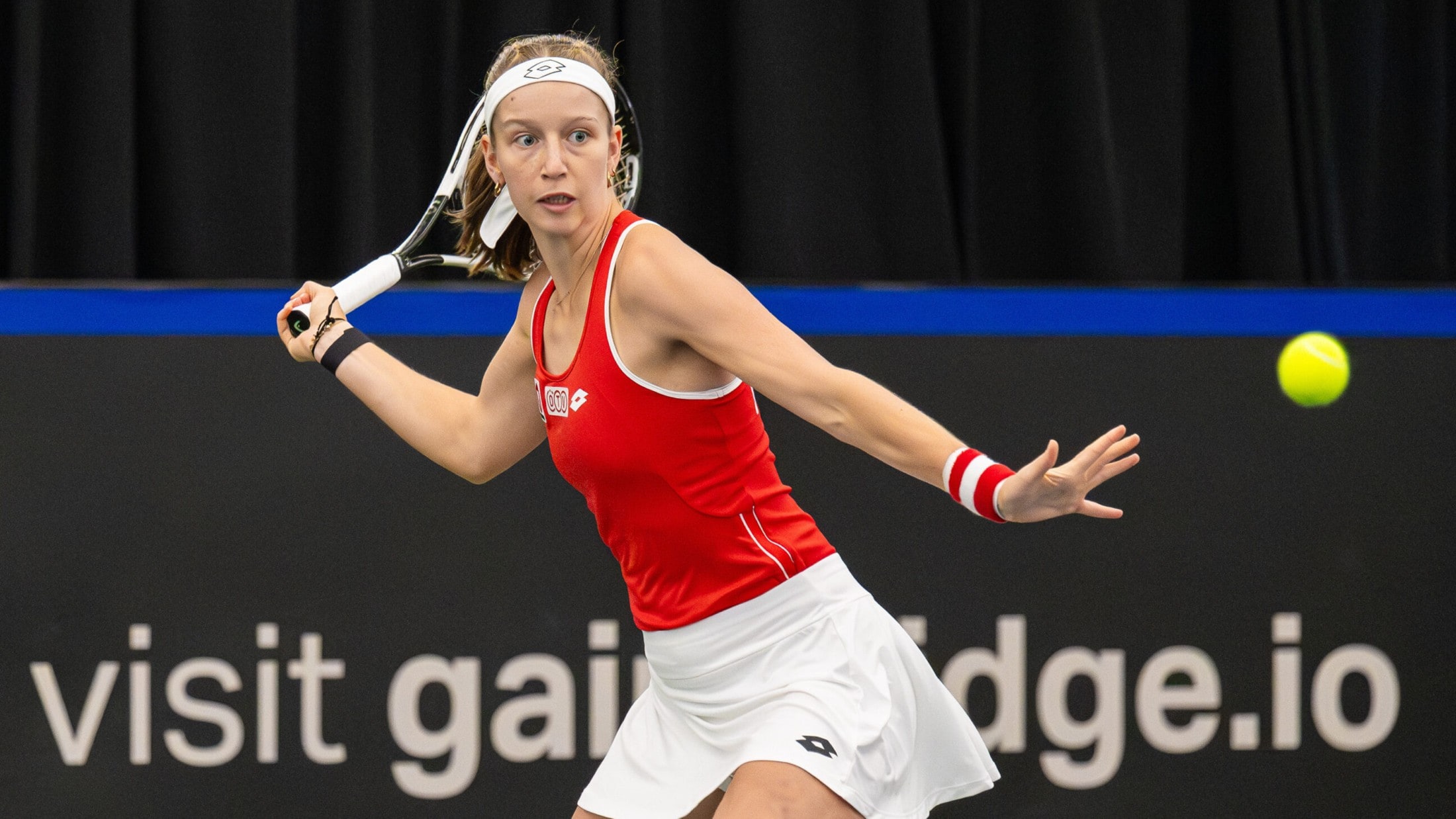
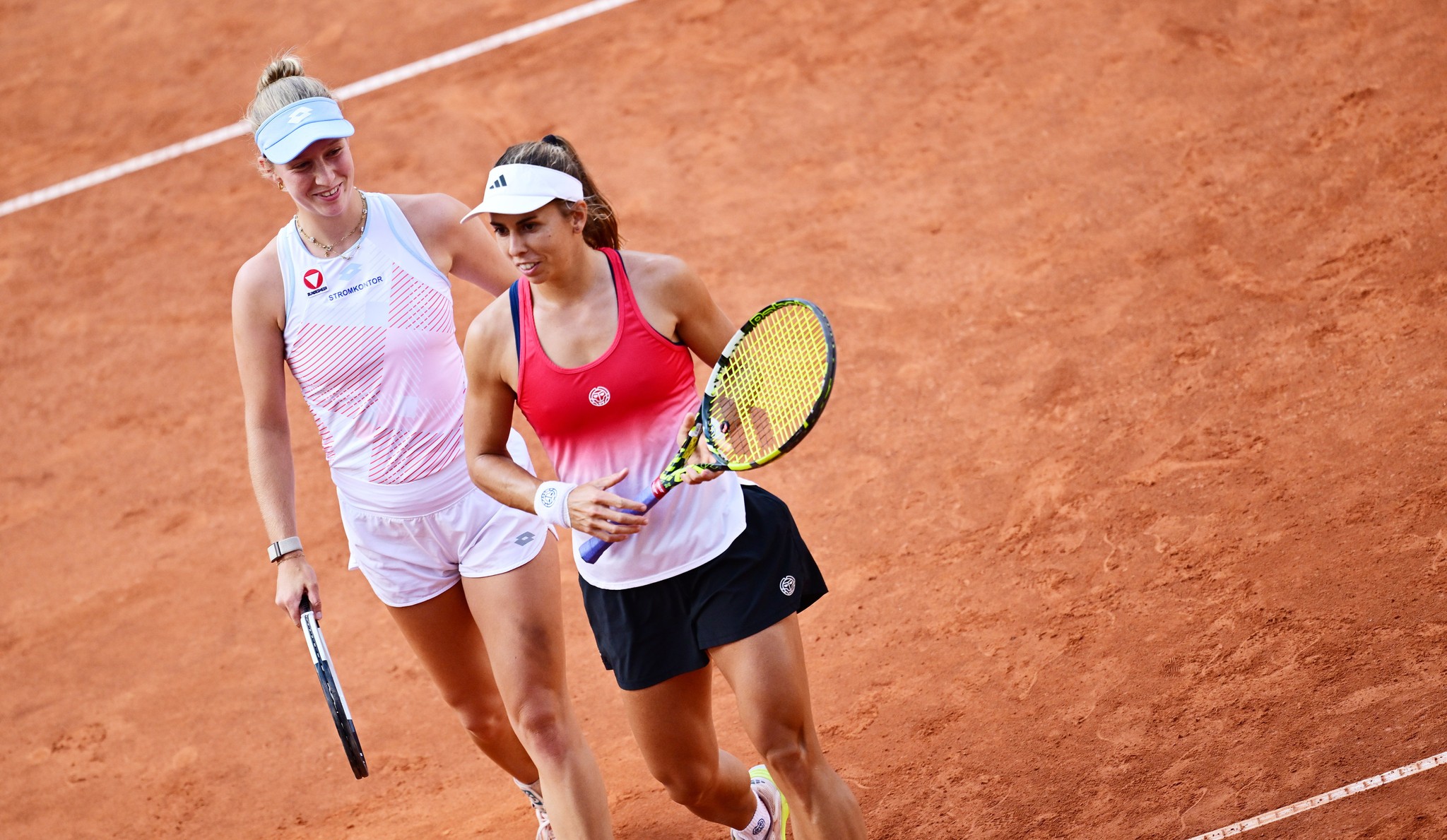
The Austrian tennis landscape is witnessing a definitive shift in power dynamics as Julia Grabher and Sinja Kraus continue to anchor the national narrative through their high-stakes head-to-head encounters. As of August 30, 2026, the intensity of this rivalry has reached a fever pitch, with industry insiders noting that their recent clashes serve as a litmus test for Austria's standing on the WTA tour. The latest developments indicate a tactical evolution in both players' arsenals, transforming what was once a domestic rivalry into a benchmark for mid-tier tour professionalization.
Quick Facts: The Grabher-Kraus Dynamic
| Fact Category | Details |
|---|---|
| Primary Rivalry | Julia Grabher vs Sinja Kraus |
| Surface Preference | Clay-court specialists evolving into all-court contenders |
| Current Context | 2026 WTA Tour Ranking progression |
| National Impact | Foundation of the Austrian Billie Jean King Cup squad |
| Recent Trend | Increased physical conditioning and aggressive baseline play |
The Catalyst: Why the Julia Grabher vs Sinja Kraus Narrative is Surging Now
Observing the current market trend in professional tennis, the "Grabher vs Kraus" narrative has moved beyond mere national bragging rights. Following the mid-season transition into the late-summer hard court swing, both athletes have been forced to adapt their game styles to accommodate faster surfaces, creating a recurring collision course in tournament brackets.
Reports from the field indicate that sponsors and regional broadcasting outlets are increasingly centering promotional campaigns around this matchup. It is no longer just a contest of technical proficiency; it has become a barometer for the health of the Austrian Tennis Association’s (ÖTV) development pipeline. When Grabher and Kraus share the court, the tactical variance—Grabher’s heavy, spin-oriented forehand contrasted against Kraus’s calculated, defensive resilience—creates a narrative of "Power vs. Persistence" that draws significant analytical attention from data scouts.
Expert Analysis & Implications
From a performance data perspective, the rivalry is a study in incremental gain. Analysts tracking the 2026 circuit note that both women have increased their "second-serve attack percentage," a technical adjustment likely driven by the need to secure easier points against a familiar opponent who knows their rhythm inside out.
The broader implication here is the consolidation of Austrian WTA presence. By consistently pushing one another in high-pressure environments, both players are effectively raising their Elo ratings, forcing the international tennis community to view them as formidable threats rather than wild-card hopefuls. For the broader tennis market, the Julia Grabher vs Sinja Kraus rivalry serves as a blueprint for how mid-ranking players can leverage head-to-head familiarity to artificially inflate their competitiveness against top-50 seeds.
Tactical Breakdown
- The Grabher Pivot: Moving away from static clay-court reliance; focusing on "first-strike" tennis in the 2026 season.
- The Kraus Response: Strengthening the backhand-down-the-line transition to counter Grabher’s heavy spin.
- Market Value: Both players have seen a measurable uptick in viewership numbers during their direct matches, signaling a localized "fan-engagement" spike.
Consumer/Reader Guide: Following the Rivalry
For followers of the WTA tour seeking to track this ongoing saga, access is currently dictated by tournament entry lists rather than predetermined "rivalry" fixtures.
- Streaming Access: Matches involving Grabher or Kraus are standard fare on the Tennis Channel and regional European sports broadcasters; verify local listings for specific tournament feeds.
- Performance Metrics: Monitor the official WTA Live Ranking updates on Monday mornings to observe the point delta between the two; this is often the best indicator of who is "winning" the rivalry at any given moment.
- Data Verification: Utilize the ITF and WTA technical stats portals to analyze their "under pressure" metrics, which fluctuate significantly whenever they are drawn against each other.
The Road Ahead: What to Expect in Late 2026
Looking toward the remainder of the 2026 calendar, the industry expects a strategic divergence. Julia Grabher appears to be prioritizing high-altitude events to gain speed, while Sinja Kraus is leaning into tournament volume to accumulate match fitness.
If both athletes continue their upward trajectory, the likelihood of a high-profile "grudge match" in the qualifying rounds of the major autumn tournaments remains high. Market analysts suggest that if the rivalry continues to yield high-quality, three-set matches, we may see a specialized sponsorship deal emerging for the pair, focusing on the "Austrian Ascent" branding. We are monitoring the fitness reports heading into the final stretch of the season; any deviation from their current schedules could signal a strategic shift in their pursuit of top-100 stability.