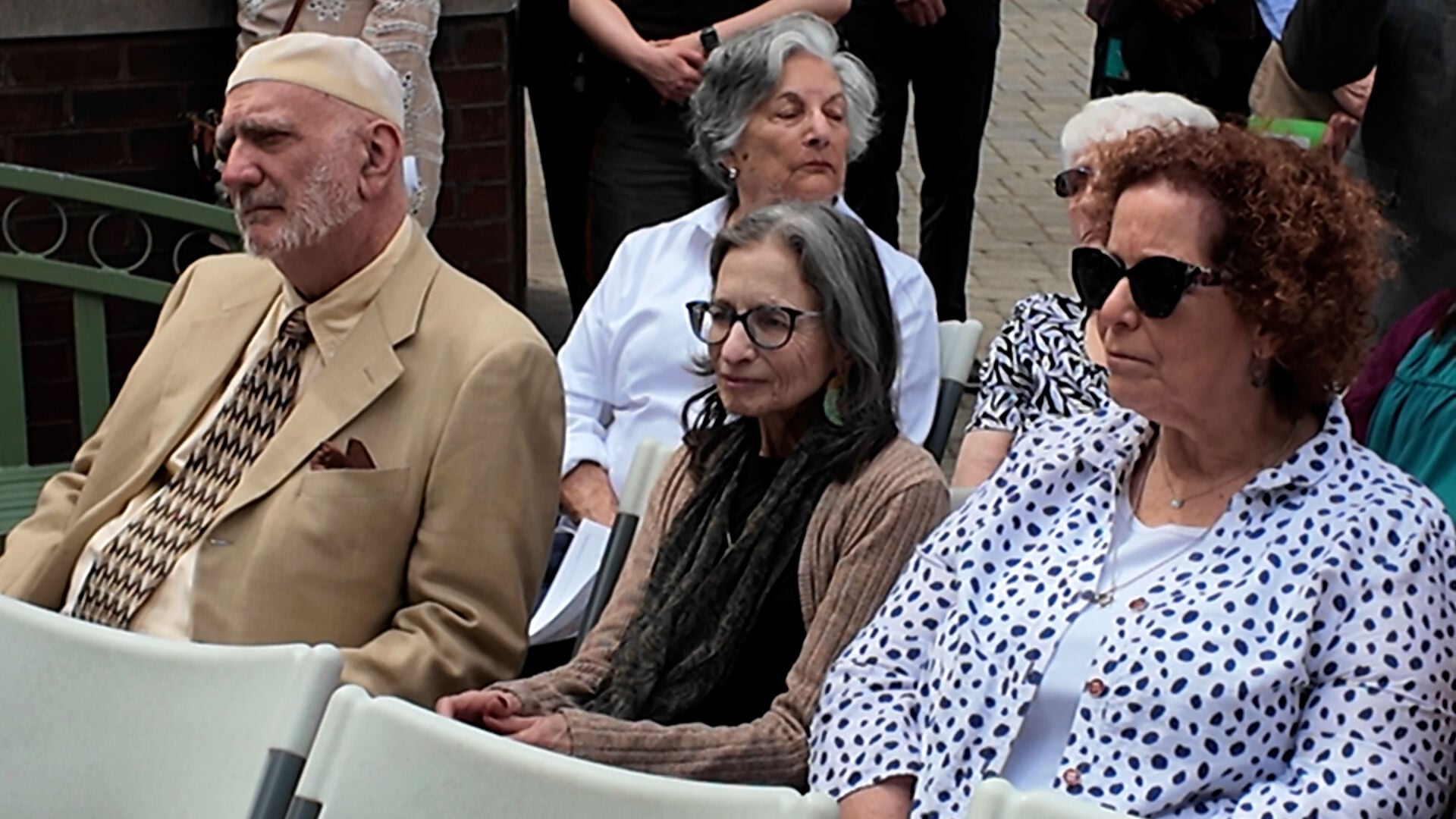
Remembering and honoring the victims of the Holocaust requires a commitment to historical accuracy, the preservation of personal testimonies, and active engagement with memorial institutions. By visiting authentic sites, supporting digital archives, and educating future generations, we ensure that the six million Jews and millions of others murdered by the Nazi regime are never forgotten.
The Landscape of Holocaust Memory in 2026
As we navigate the year 2026, the global community finds itself at a critical juncture in Holocaust remembrance. We are transitioning from the era of "living memory"—where survivors could share their experiences firsthand—into an era of "historical memory." With very few survivors remaining to tell their stories, the responsibility of bearing witness has shifted to educators, historians, and the public.
In 2026, the focus has intensified on digital preservation and immersive technology. Virtual reality (VR) tours of concentration camps and AI-driven "Dimensions in Testimony" allow students to interact with holographic representations of survivors. These tools are not replacements for historical study but are essential bridges for younger generations who no longer have the opportunity to meet a survivor in person. Honoring the victims today means protecting these records from distortion and ensuring that the narrative of the Shoah (the Hebrew word for the Holocaust) remains grounded in documented evidence.
Understanding the Systematic Nature of the Shoah
To truly honor the victims, one must understand the unprecedented nature of the Holocaust. It was not a spontaneous outburst of violence but a state-sponsored, systematic program of mass murder. Between 1933 and 1945, the Nazi German regime and its collaborators sought to eliminate the entire Jewish population of Europe.
The process began with the erosion of civil rights through the Nuremberg Laws, followed by forced ghettoization, and finally, the "Final Solution"—the industrial-scale slaughter of millions in gas chambers. While Jews were the primary target, the Nazi regime also systematically murdered Romani people, individuals with disabilities, Soviet prisoners of war, Jehovah's Witnesses, and members of the LGBTQ+ community.
Honoring the victims involves recognizing the specific intent behind the genocide of the Jewish people while also acknowledging the broader scope of Nazi persecution. This comprehensive understanding prevents the "universalization" of the Holocaust, which can sometimes inadvertently erase the specific identity and suffering of the victims.
Essential Sites of Remembrance and Documentation
A journey into the Holocaust often involves visiting the physical locations where these events transpired or the museums dedicated to their study. These sites serve as both graveyards and classrooms.
Auschwitz-Birkenau State Museum
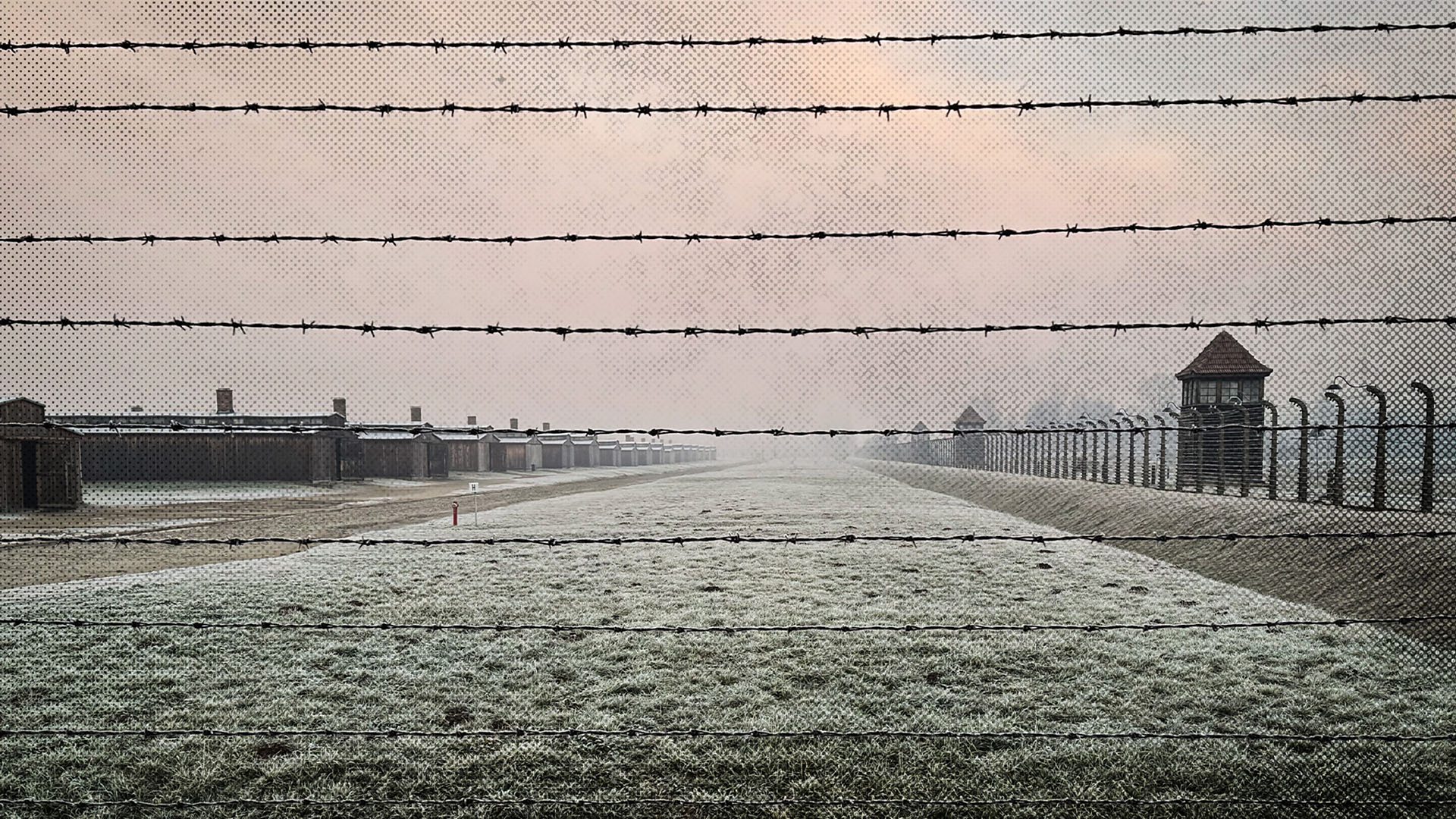
Located in Oświęcim, Poland, Auschwitz-Birkenau remains the most potent symbol of the Holocaust. As the largest of the Nazi concentration and extermination camps, it is the site where over 1.1 million people were murdered. Visiting the site in 2026 requires advance planning, as the museum has implemented strict conservation protocols to preserve the crumbling barracks and personal effects of the victims. The Auschwitz-Birkenau State Museum provides extensive educational resources for those who cannot visit in person.
Yad Vashem: The World Holocaust Remembrance Center
Located on the Mount of Remembrance in Jerusalem, Yad Vashem is the ultimate authority on Holocaust documentation and commemoration. Its "Hall of Names" seeks to record the name and biographical details of every single Jewish victim. In 2026, their online database remains the most comprehensive resource for families searching for records of lost relatives.
The United States Holocaust Memorial Museum (USHMM)
The USHMM in Washington, D.C., serves as a powerful reminder that the Holocaust is a global history with profound implications for democratic values. The museum's "Encyclopedia of Camps and Ghettos" is a monumental research project that continues to expand our understanding of the sheer scale of the Nazi camp system.
Comparison of Major Holocaust Research and Memorial Institutions
The following table compares key institutions that lead the way in remembering and honoring victims through different methodologies.
| Institution | Location | Primary Focus | Key Resource/Feature |
|---|---|---|---|
| Yad Vashem | Jerusalem, Israel | Documentation & Martyrdom | Central Database of Shoah Victims' Names |
| Auschwitz-Birkenau | Oświęcim, Poland | Preservation of Authentic Site | The physical remains of gas chambers and barracks |
| USHMM | Washington, D.C., USA | Education & Conscience | Simon-Skjodt Center for the Prevention of Genocide |
| Arolsen Archives | Bad Arolsen, Germany | Tracing & Individual Records | World's largest archive on victims of Nazi persecution |
| USC Shoah Foundation | Los Angeles, USA | Audiovisual Testimony | Visual History Archive (over 55,000 testimonies) |
| Memorial to the Murdered Jews of Europe | Berlin, Germany | Public Commemoration | The 2,711 concrete stelae and Information Centre |
The Power of Personal Testimony: The Visual History Archive
Numbers like "six million" are often difficult for the human mind to comprehend. To honor the victims effectively, we must return to the individual. Personal testimonies—diaries, letters, and recorded interviews—humanize the victims and restore the dignity that the Nazis attempted to strip away.
The USC Shoah Foundation, founded by Steven Spielberg, has digitized tens of thousands of testimonies from survivors and witnesses. In 2026, these archives are increasingly used in classrooms to teach empathy and critical thinking. Listening to a survivor describe their life before the war—their hobbies, their families, their dreams—is a profound act of remembrance. It reminds us that each "unit" in the Nazi records was a human being with a unique story.
Practical Ways to Honor Victims in 2026
Honoring the victims is not a passive activity; it requires consistent effort and civic engagement. Here are concrete steps individuals can take:
- Educate Yourself and Others: Read memoirs beyond the most famous accounts. While The Diary of a Young Girl by Anne Frank is essential, consider also reading works by Primo Levi, Elie Wiesel, or Charlotte Delbo to understand the diversity of experiences.
- Participate in Yom HaShoah: Observe Holocaust Remembrance Day (Yom HaShoah). Many communities hold "Reading of the Names" ceremonies, where the names of victims are read aloud for 24 hours.
- Support Archival Efforts: Organizations like the Arolsen Archives rely on volunteers to help transcribe and index millions of documents related to Nazi victims. This work helps families find closure even 80 years later.
- Combat Modern Antisemitism: The International Holocaust Remembrance Alliance (IHRA) provides a working definition of antisemitism. Honoring the victims of the past is hollow if we do not stand up against the hatred that targets their descendants today.
- Visit Local Memorials: You do not have to travel to Europe or Israel to remember. Many cities have local Holocaust memorials or museums that depend on community support and volunteers.
Addressing Holocaust Denial and Distortion
In 2026, one of the greatest threats to the memory of the victims is Holocaust distortion. Unlike outright denial, distortion often acknowledges that the Holocaust happened but minimizes its scale, blames the victims, or equates the Nazi regime with other political entities in a way that erases the uniqueness of the Shoah.
Honoring the victims means being a "guard at the gate" of truth. This involves:
- Verifying information before sharing it on social media.
- Challenging false narratives in public forums.
- Supporting legislation that mandates Holocaust education in schools.
- Ensuring that the history of the Holocaust is not used as a cheap political tool or metaphor.
The UNESCO and United Nations joint initiative on Holocaust education provides global frameworks for addressing these challenges, emphasizing the need for factual integrity in the digital age.
Frequently Asked Questions
What is the difference between the Holocaust and the Shoah?
The term "Holocaust" is derived from a Greek word meaning "burnt offering," while "Shoah" is a Hebrew word meaning "catastrophe." Many scholars and Jewish people prefer "Shoah" because it avoids the religious connotation of a "sacrifice" and more accurately describes the senseless destruction of European Jewry.
When is International Holocaust Remembrance Day?
International Holocaust Remembrance Day is observed on January 27th each year. This date was chosen by the United Nations because it marks the anniversary of the liberation of the Auschwitz-Birkenau concentration camp by the Soviet Red Army in 1945.
Why is it important to learn about the Holocaust in 2026?
Learning about the Holocaust remains vital because it provides a blueprint for how democratic institutions can fail. It teaches us about the dangers of unchecked prejudice, the role of "bystanders," and the importance of individual moral courage in the face of state-sponsored evil.
How can I find out if a family member was a victim of the Holocaust?
The best starting point is the Yad Vashem "Central Database of Shoah Victims' Names" or the Arolsen Archives. These institutions have digitized millions of records, including transport lists, concentration camp arrival cards, and "Pages of Testimony" submitted by surviving relatives.
What is a "Righteous Among the Nations"?
This is an official title awarded by Yad Vashem to non-Jews who risked their lives during the Holocaust to save Jews from extermination. Honoring these individuals is a key part of Holocaust remembrance, as it highlights the possibility of human goodness during a time of absolute darkness.
Cultivating a Culture of Active Remembrance
The journey into the Holocaust is not one with a final destination; it is a continuous process of learning and reflection. Honoring the victims in 2026 requires us to move beyond simple mourning and toward an active "culture of remembrance." This means integrating the lessons of the Shoah into our daily lives by defending human rights, protecting historical truth, and fostering a society where such a tragedy is unthinkable.
To take the next step, consider visiting the website of a major memorial institution to sign up for their newsletter or participate in a digital transcription project. By contributing your time to the preservation of history, you become a vital link in the chain of memory that ensures the victims' voices continue to be heard for generations to come.