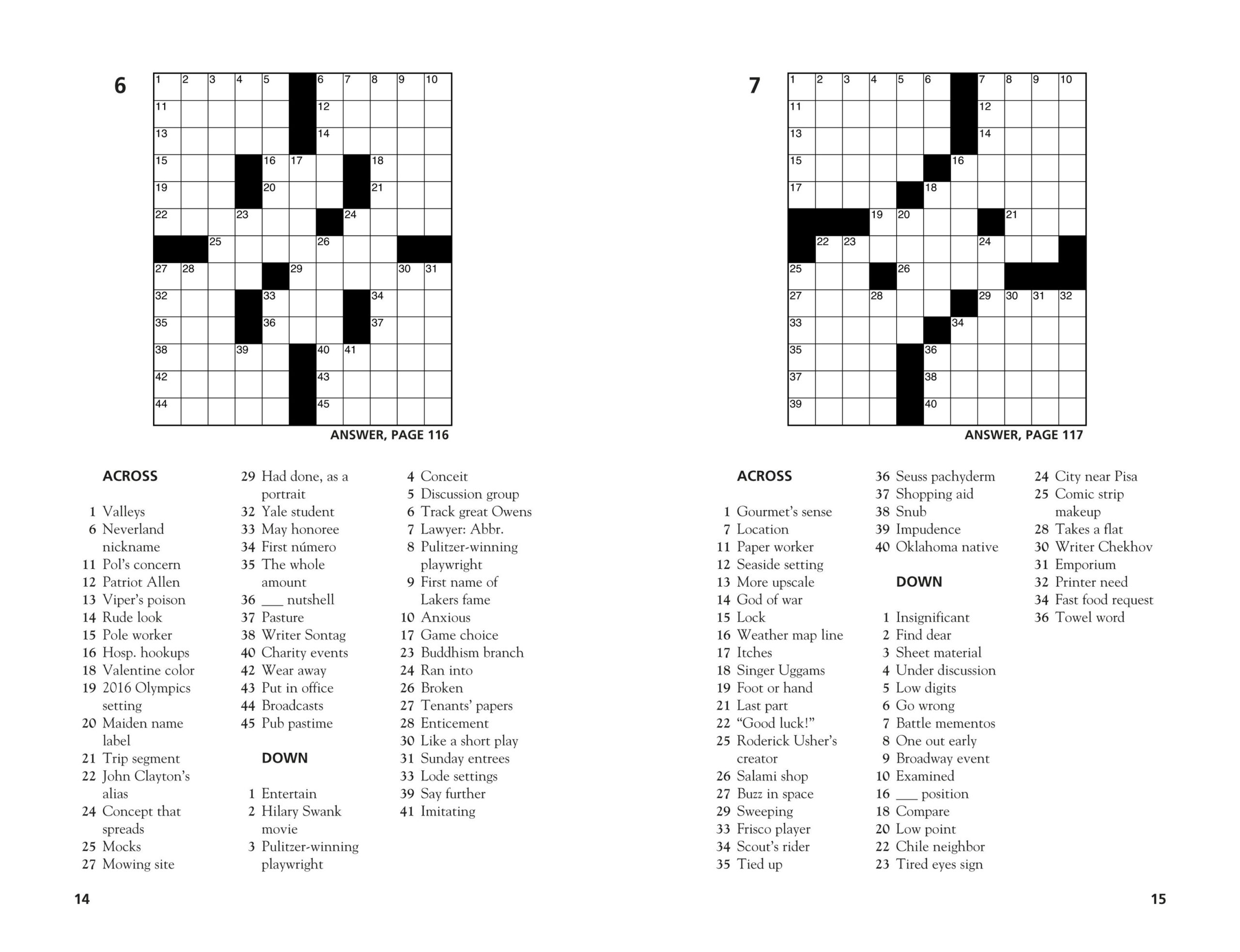
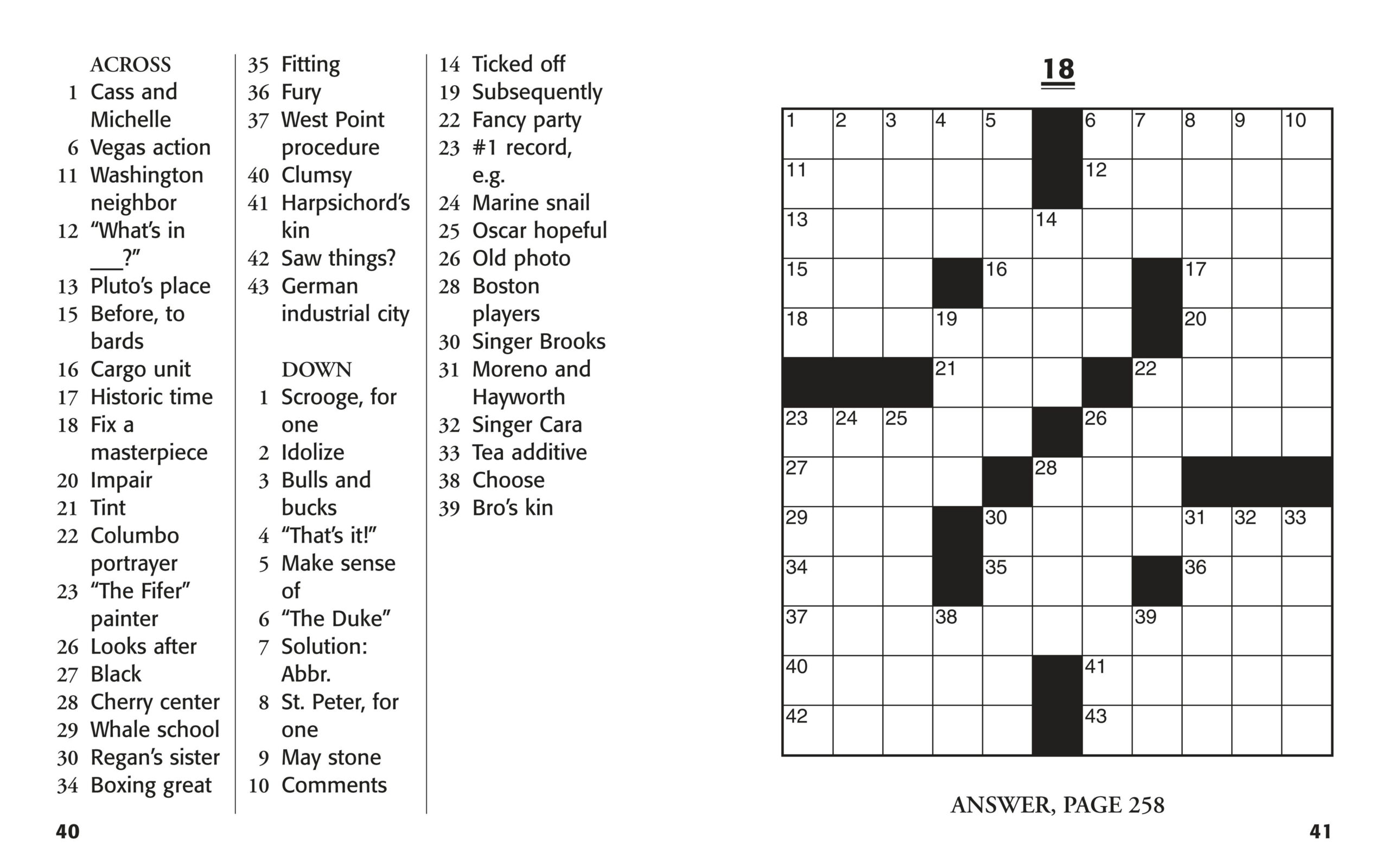
The Thomas Joseph Crossword remains a cornerstone of daily mental exercise for millions of enthusiasts across North America and beyond. As we navigate the media landscape of 2026, this specific puzzle, syndicated by King Features Syndicate, maintains its reputation as the "perfect mid-morning challenge." While other puzzles have trended toward extreme complexity or niche pop-culture references, the Joseph puzzle continues to prioritize clean grids, fair cluing, and an accessible 13x13 format that fits perfectly into a modern, busy schedule.
This guide provides a comprehensive technical analysis of the Thomas Joseph Crossword, offering professional-grade strategies to improve your solving speed and accuracy in 2026. Whether you are accessing the puzzle via legacy newsprint, digital syndication platforms, or the latest 2026 AI-integrated crossword apps, understanding the architecture of a Joseph puzzle is key to consistent success.
Disambiguation Note: This analysis refers specifically to the "Thomas Joseph Crossword" syndicated daily by King Features. It is distinct from the "Eugene Sheffer Crossword," which often appears in the same publications but follows different thematic constraints and cluing styles.
The Architecture of a Thomas Joseph Crossword in 2026
To master this puzzle, one must first understand its structural DNA. Unlike the New York Times crossword, which utilizes a 15x15 grid on weekdays and grows to 21x21 on Sundays, the Joseph puzzle typically adheres to a 13x13 grid. This smaller footprint is a tactical choice that dictates the flow of the solve.
Grid Dynamics and Constraints
The 13x13 grid allows for a more focused experience. In 2026, puzzle construction software has reached a point of near-perfection, meaning you will rarely find "crosswordese"—those archaic filler words like "ESNE" or "ETUI"—that used to plague older puzzles. The Joseph puzzle emphasizes:
- High Interconnectivity: Every letter is part of both an "Across" and a "Down" clue, ensuring multiple paths to the solution.
- Thematic Consistency: While not every daily puzzle is themed, those that are tend to use a "straight" theme rather than the convoluted "punny" themes found in more avant-garde publications.
- Rotational Symmetry: The black squares in the grid are arranged with 180-degree rotational symmetry, a hallmark of professional puzzle construction that aids the solver in predicting word lengths across the board.
2026 Difficulty Scaling
In the 2026 syndication cycle, the Thomas Joseph puzzle maintains a consistent difficulty level throughout the week. This is a departure from the "Monday-to-Saturday" difficulty ramp seen in other series. If you can solve a Tuesday Joseph, you can likely solve the Friday edition. This consistency makes it the ideal baseline for tracking personal cognitive performance and vocabulary expansion.
Comparative Analysis: Joseph vs. Major 2026 Competitors
Understanding where the Thomas Joseph puzzle sits in the 2026 crossword ecosystem helps solvers choose the right challenge for their skill level.
| Feature | Thomas Joseph Crossword | NYT Daily (2026) | LA Times Crossword | USA Today Crossword |
|---|---|---|---|---|
| Grid Size | 13x13 (Daily) | 15x15 to 21x21 | 15x15 | 15x15 |
| Difficulty | Moderate/Consistent | Variable (Easy to Hard) | Moderate/Increasing | Accessible/Easy |
| Theme Style | Literal/Direct | Wordplay/Complex | Standard/Thematic | Quick/Lifestyle |
| Avg. Solve Time | 5–12 Minutes | 10–45 Minutes | 8–20 Minutes | 4–10 Minutes |
| Syndication | King Features | Independent | Tribune Content | Gannett |
| 2026 Accessibility | Print, Web, App | Subscription App | Digital/Print | Free Digital |
Technical Strategies for 2026 Solvers
Solving a crossword effectively requires more than just a broad vocabulary; it requires a systematic approach to the grid. Use these SME-verified techniques to reduce your "stump rate."
1. The "Short Word" Sweep
Because the Joseph puzzle uses a 13x13 grid, three- and four-letter words are the structural anchors. Begin your solve by scanning exclusively for these short clues. In the Joseph lexicon, these often refer to:
- Compass Directions: (e.g., ENE, SSW).
- Common Abbreviations: (e.g., SSRI, ASAP, STEM).
- Standard Crossword Fill: (e.g., ORE, ERA, ALE). Securing these smaller anchors provides the necessary starting letters for the longer, more complex "Across" entries.
2. Identifying "Clue Tense" and "Part of Speech"
A fundamental rule that remains absolute in 2026: the clue and the answer must always match in tense and part of speech.
- If a clue is "Running quickly," the answer must end in -ING (e.g., HASTENING).
- If a clue is "Fled," the answer must be in the past tense (e.g., RAN).
- If the clue is plural (e.g., "Forest giants"), the answer will almost certainly end in -S or -ES (e.g., OAKS).
3. The 2026 Cultural Shift in Cluing
As of 2026, the Thomas Joseph puzzle has integrated more modern terminology. Solvers should be prepared for clues referencing:
- Sustainability: Terms like "Microgrid," "NetZero," or "EV-Hub."
- Digital Integration: References to "Metaverse," "AI-Prompt," or "Blockchain."
- Modern Media: Streaming-specific shows and influencers who have achieved "legacy" status by 2026.
Analyzing the Pros and Cons of the Joseph Format
Every puzzle style offers different benefits and drawbacks. For the serious 2026 solver, weighing these factors is essential for a balanced mental regimen.
Advantages (Pros)
- Time Efficiency: The 13x13 format is scientifically proven to be the optimal length for a "flow state" session that doesn't consume the entire morning.
- Lower Frustration Threshold: By avoiding overly obscure trivia or "trick" clues (like rebuses where multiple letters fit in one square), the Joseph puzzle provides a sense of accomplishment without needing an encyclopedia.
- Linguistic Purity: It focuses on standard English vocabulary, making it an excellent tool for ESL (English as a Second Language) learners or students preparing for standardized testing in 2026.
Disadvantages (Cons)
- Predictability: Advanced solvers might find the consistent difficulty level lacks the "peak challenge" found in a Saturday New York Times puzzle.
- Limited Space for Long-form Themes: The smaller grid prevents the inclusion of 15-letter "grid-spanners," which limits the complexity of the themes.
Step-by-Step Guide: Recovering from a "Mental Block"
Even the best solvers get stuck. If you find yourself staring at a half-finished Joseph grid in 2026, follow this recovery protocol:
- Walk Away (The Incubation Period): Research in 2026 cognitive science confirms that "lateral thinking" often happens when the conscious mind is distracted. Leave the puzzle for 15 minutes.
- Verify the Crosses: Re-read every clue for the words you have already filled in. A single wrong letter—often an "S" that should be a "D"—can ripple through an entire quadrant.
- The "Vowel Check": If you have a long word with mostly consonants, look for the gaps. In English crosswords, the placement of vowels (A, E, I, O, U and sometimes Y) follows predictable patterns. If you have "G_R_G_," it’s almost certainly "GARAGE" or "GERBIL."
- Use an Official 2026 Hint Tool: If you are using a digital interface, use the "Reveal Letter" function for a single square. This is more beneficial for learning than revealing the whole word, as it allows you to finish the rest of the string using your own logic.
The Role of Technology: Crossword Solvers and AI in 2026
In 2026, the way we interact with the Joseph puzzle has changed. Many solvers use "Digital Assistants" to help when stuck. However, there is a technical distinction between "cheating" and "learning."
Expert Insight for 2026 Solvers
On Using Databases: Extensive databases now exist that catalog every Thomas Joseph clue from the last decade. While useful for verification, relying on them too early stunts the development of your "crossword brain." Use them only as a last resort to maintain the integrity of the mental exercise.
AI Optimization: Modern 2026 solvers often use AI to explain why an answer is correct. If you don't understand a pun or a reference, asking a LLM (Large Language Model) to "explain the wordplay in this crossword clue" is a highly effective way to improve your future performance.
Frequently Asked Questions (FAQ)
What time is the Thomas Joseph Crossword usually released?
The digital version of the Thomas Joseph Crossword is typically updated at 12:00 AM EST daily. Printed versions follow the delivery schedule of your local syndication partner, usually appearing in the "Comics" or "Lifestyles" section of morning newspapers.
Are the clues in the Joseph puzzle the same in every newspaper?
Yes, because the puzzle is syndicated by King Features, the grid and the clues remain identical regardless of whether you read it in a regional paper in Texas, a digital portal in New York, or an international edition.
How do I find the answers for a Thomas Joseph puzzle from a specific date in 2026?
Most solvers utilize dedicated "Crossword Solver" websites which archive answers by date. In 2026, these are highly optimized for mobile viewing. Simply search for "Thomas Joseph Crossword Answers" followed by the specific date (MM/DD/YYYY) to find the completed grid.
Is the Thomas Joseph Crossword good for brain health?
According to 2026 neurological studies, daily engagement with mid-level puzzles like the Joseph crossword contributes to "cognitive reserve," potentially delaying the onset of memory-related decline by keeping neural pathways active and improving verbal fluency.
What should I do if I find an error in a 2026 Joseph Crossword?
Errors are extremely rare due to automated verification, but they can occur in the syndication feed. If a clue doesn't match the grid number or a word is misspelled, you can report it directly to King Features Syndicate via their digital portal.
As we progress through 2026, the Thomas Joseph Crossword continues to be a reliable, intellectually stimulating, and culturally relevant pastime. By applying the strategies of grid analysis, tense matching, and strategic tech usage, you can transform from a casual solver into a daily master of this classic puzzle format.